Award-Winning Science Tutors
serving Shreveport, LA
Science
Tutors in Shreveport
Private 1-on-1 tutoring, weekly live classes for academic support, test prep & enrichment, practice tests and diagnostics, and more to elevate grades and test scores.
Based on 3.4M Learner Ratings
UniversitiesSchools & Universities
DeliveredHours Delivered
ProficiencyGrowth in Proficiency
Who needs tutoring?
No obligation. Takes ~1 minute.
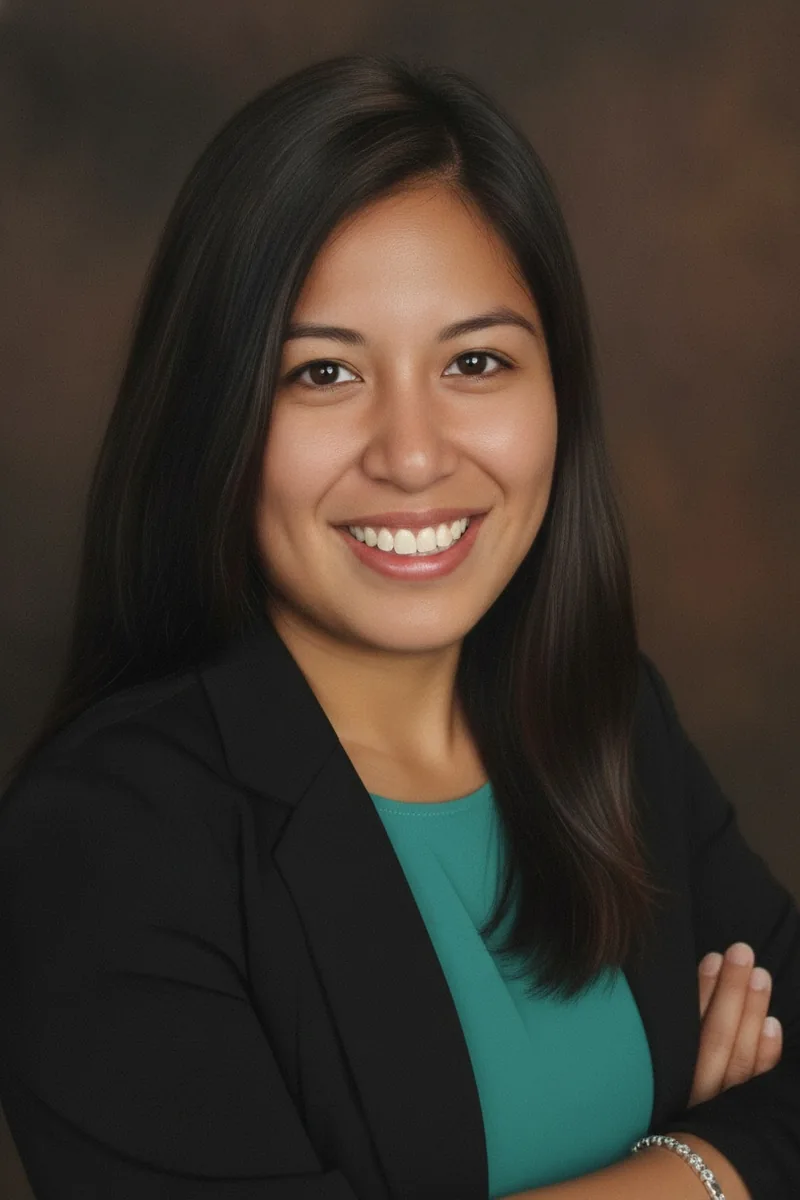
A biology degree and medical training give Robin an unusual depth when it comes to science — she can explain the water cycle to a younger learner and then pivot to cell structure or ecosystems with equal clarity. She teaches students to ask "why" and "how" questions about the natural world, turning observation into real scientific thinking.
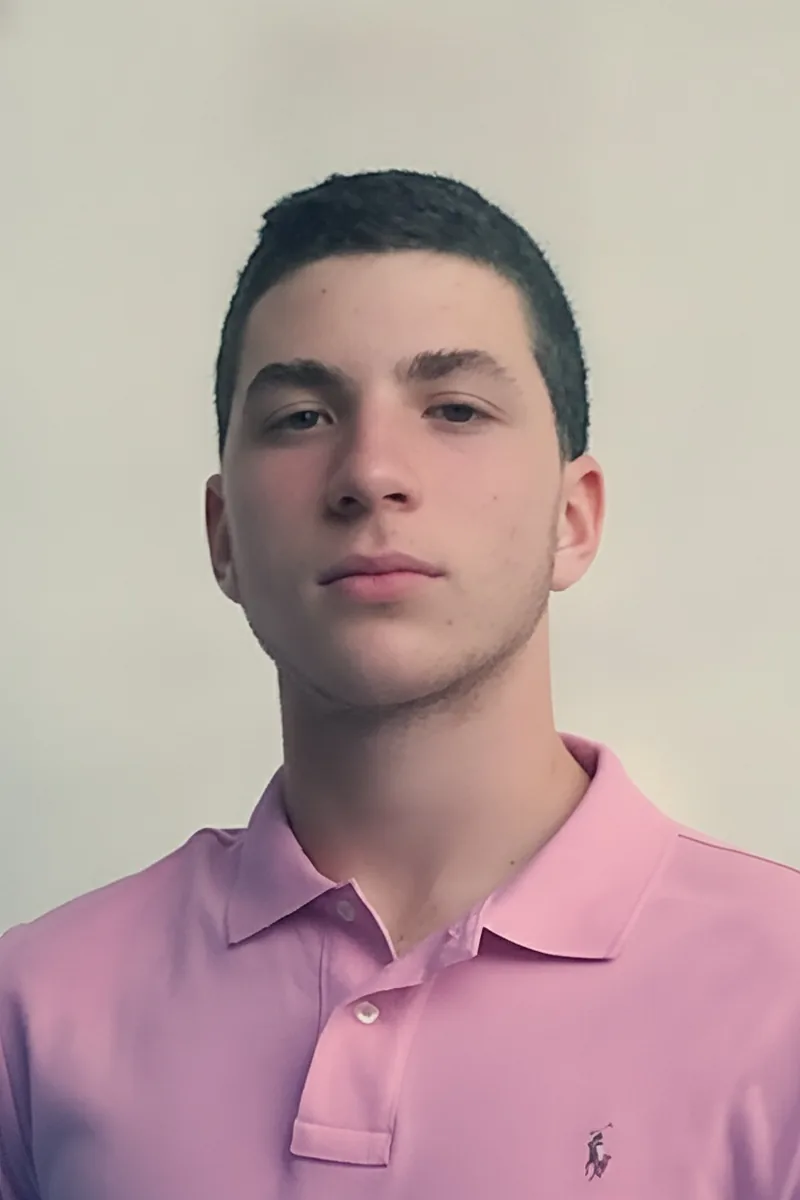
Finance coursework drills the same skills that trip students up in science — reading data tables, interpreting graphs, and figuring out which variable actually caused the change. Daniel applies that quantitative training to teach scientific reasoning as a step-by-step process: observe, hypothesize, test, then explain what the evidence actually tells you. His 31 ACT confirms he can handle the cross-disciplinary demands of science material that blends reading comprehension with numerical analysis.
I am an educator of the sciences. I have taught Life Science, Biology, Physical and Earth Sciences for fourteen years in grades 7-12. I trained with the Keystone Science School of Denver, Colorado, the LSU Coastal Roots Program and have earned over six hundred hours in science literacy training in many areas. Science has a very strong mathematical component and that is why I also specialize in Math tutoring.
Jennifer's ELA training at NYU's accelerated MAT program might seem distant from science, but teaching students to read dense nonfiction closely — pulling claims from evidence, evaluating an author's reasoning, spotting unsupported conclusions — is exactly what science coursework demands when students face lab reports, textbook passages, and data-heavy questions. She's especially useful for students who understand the concepts but struggle to articulate their thinking in written explanations or short-answer responses.
A philosophy grad student at UNM with a 34 ACT, Justin treats science the way he treats an argument in formal logic — isolating each claim, checking whether the evidence actually supports it, and identifying where the reasoning breaks down. That approach is especially useful when students need to evaluate hypotheses, interpret graphs, or explain why an experiment's results do or don't match a prediction. His 5.0 rating suggests the method lands.
As a medical student at Northwestern's Feinberg School of Medicine, Anna lives inside scientific reasoning every day — forming hypotheses, interpreting data, and connecting biological systems to real outcomes. She brings that same structured thinking to general science topics like the scientific method, ecosystems, and basic chemistry, making each concept feel purposeful rather than random.
A mechanical engineering grad student who builds things, breaks things, and troubleshoots what went wrong — Aaron brings that same hands-on diagnostic process to science topics like forces, energy, properties of matter, and experimental design. His 1530 SAT confirms the analytical horsepower, and his 5.0 rating suggests he explains the reasoning behind results in a way that actually lands.
David's cognitive science training at Stanford sat squarely at the intersection of biology, psychology, and computational modeling, giving him a cross-disciplinary lens on science that most tutors don't have. He's particularly strong at explaining how to design experiments, interpret data, and connect scientific concepts back to underlying mechanisms.
Daniel's sociology degree means he spent years learning to design surveys, analyze demographic data, and apply the scientific method to real human behavior — skills that translate naturally when teaching students how to form hypotheses, control variables, and interpret results in a general science context. He's especially comfortable helping students who freeze up at graphs and data tables, since reading quantitative evidence was a daily requirement in his coursework. Holds a 5.0 rating.
A biochemistry degree from Rice and a current M.D. program at Baylor mean Michelle lives at the intersection of biology and chemistry every day. She unpacks concepts like cellular respiration, acid-base equilibria, and molecular genetics by tying them to how the body actually works — turning dense textbook material into something students can visualize and retain.
Studying human evolutionary biology gave Victoria a working knowledge of natural selection, genetics, anatomy, and ecological systems that most humanities-trained tutors simply don't have. She connects scientific concepts to real-world examples — like how archaeological site stratigraphy illustrates geological principles — making abstract ideas tangible for students who struggle with textbook explanations.
A social sciences master's degree means Lauren spent years doing what science coursework actually asks of students — reading studies, questioning methodology, and pulling defensible conclusions from messy data. She's particularly good at walking through how to set up a controlled experiment and explain results in plain language, since her own graduate research required exactly that. Rated 5.0 by students.
A chemistry major headed to Columbia Medical School, James treats science tutoring as an exercise in building intuition — understanding why a reaction proceeds a certain way or how energy flows through a biological system, not just memorizing diagrams. He's especially sharp at bridging the gap between introductory courses and the more rigorous thinking that AP or IB-level science demands.
Comparative literature might seem worlds away from science, but Brittney's Princeton training in close reading and textual analysis translates surprisingly well to parsing dense lab instructions, extracting meaning from data tables, and interpreting the kind of evidence-based passages that show up across science coursework. She's strongest with students who can grasp the concepts but struggle to articulate their reasoning in writing — lab reports, short-answer explanations, and constructing arguments from observations. Rated 5.0 by students.
As a mechanical engineering student at Harvard, Christopher lives at the intersection of physics and chemistry daily — calculating forces, analyzing material properties, and modeling energy systems. That applied perspective makes him especially effective at showing students why scientific concepts matter beyond the textbook, turning abstract formulas into concrete, intuitive ideas.
Testimonials
Because the right Science tutor makes all the difference.
Average Session Rating – Based on 3.4M Learner Ratings
Practice Science
Free practice tests, flashcards, and AI tutoring for Science
Nearby Science Tutors
Other Shreveport Tutors
Related Science Tutors in Shreveport
Frequently Asked Questions
Varsity Tutors matches Shreveport students with expert Science tutors for 1-on-1 instruction. We pair each student with a tutor based on their specific needs, learning style, and goals.
Whether you need homework help, exam prep, or want to get ahead, our Science tutors are ready to help.
Common challenges include gaps from earlier material, difficulty with specific concepts, and trouble applying learning to new problems. These issues can snowball quickly in Science.
A tutor identifies where you're stuck, fills in gaps, and provides targeted practice. The 1-on-1 format means you get help exactly where you need it.
Tutors work with your student's actual coursework—homework assignments, class notes, and upcoming tests. This keeps tutoring directly relevant to what's happening in the classroom.
When you share information about your student's school and curriculum, we can match you with a tutor who has relevant experience.
All tutors complete background checks, credential verification, and teaching evaluation. Many of our Science tutors hold advanced degrees or have years of teaching experience.
You can review tutor profiles to find someone with the right background for your student's level and needs.
Many students see improved grades within a few weeks, along with better understanding of Science concepts and more confidence tackling challenging material.
Tutors track progress and adjust their approach to ensure continued improvement.
Most students benefit from 1-2 sessions per week. More frequent sessions help if your student is significantly behind or has an important exam coming up.
Your tutor can recommend a schedule based on your student's specific situation and goals.
Tutoring is purchased in packages of hours, with rates varying by tutor experience. Varsity Tutors offers several options to fit different budgets and needs.
You can discuss pricing during your consultation to find what works best.
Your tutor will assess where your student is, discuss goals, and start working on priority areas. Most students bring current homework or upcoming test material to focus on.
By the end, you'll have a clear sense of how the tutor can help and a plan for moving forward.
Let’s find your perfect tutor
Answer a few quick questions. We’ll recommend the right plan and match you with a top 5% tutor.