Award-Winning Science Tutors
serving Baton Rouge, LA
Award-Winning
Science
Tutors in Baton Rouge
Private 1-on-1 tutoring, weekly live classes for academic support, test prep & enrichment, practice tests and diagnostics, and more to elevate grades and test scores.
Based on 3.4M Learner Ratings
UniversitiesSchools & Universities
DeliveredHours Delivered
ProficiencyGrowth in Proficiency
Who needs tutoring?
No obligation. Takes ~1 minute.
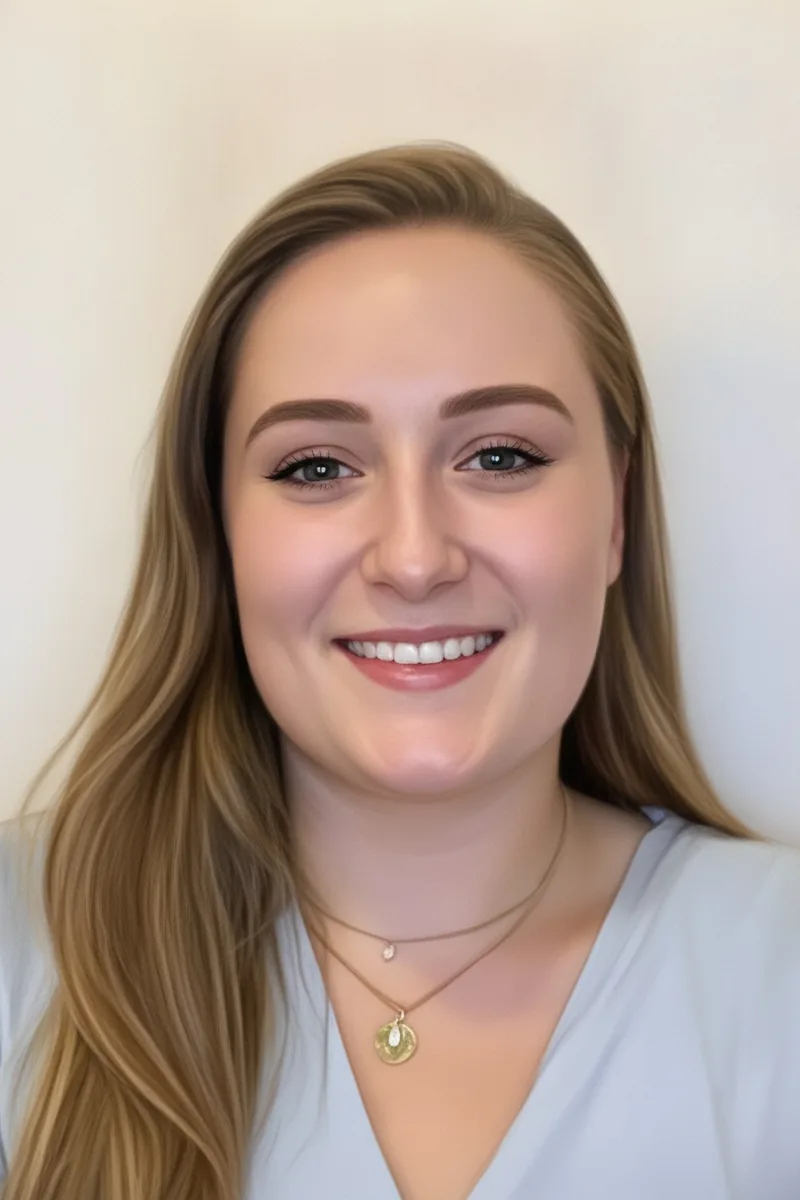
Mimi's Masters in Education from Harvard focused on inquiry-based and object-based learning — an approach that turns science into something students can observe, question, and test rather than just read about in a textbook. Her integrated arts background means she often teaches concepts like ecosystems or states of matter through hands-on exploration and visual models, which tends to stick with students who struggle to learn from lectures alone. She's especially strong with younger and middle school learners building their first real science habits.
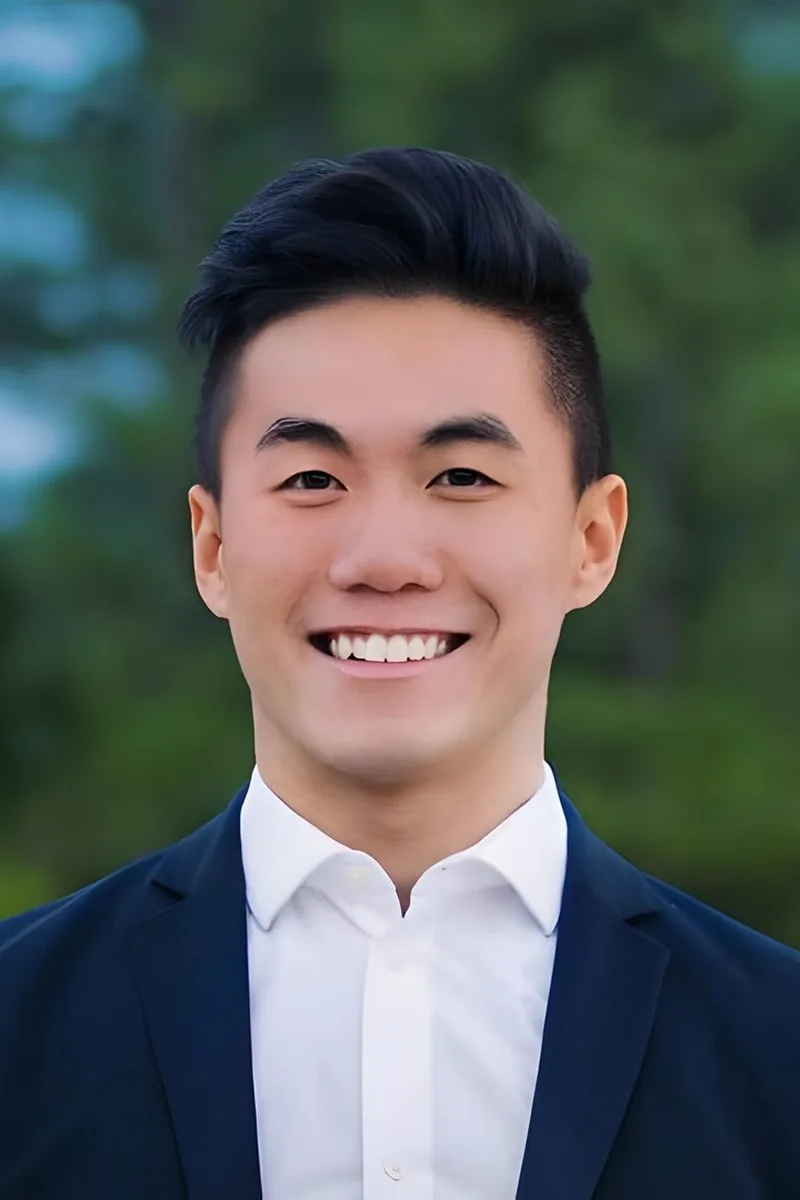
A mechanical engineering grad student who builds things, breaks things, and troubleshoots what went wrong — Aaron brings that same hands-on diagnostic process to science topics like forces, energy, properties of matter, and experimental design. His 1530 SAT confirms the analytical horsepower, and his 5.0 rating suggests he explains the reasoning behind results in a way that actually lands.
A neurobiology-focused biology degree from Northwestern means Nina didn't just take introductory science — she studied cellular mechanisms, genetics, and brain physiology in depth. She connects textbook concepts like mitosis or enzyme kinetics to real research contexts, which tends to make the material click faster than rote memorization. Rated 5.0 by students.
Reid treats science as a way of thinking rather than a collection of facts to memorize. He walks students through how to read data tables, design controlled experiments, and connect observations to underlying principles — the same analytical habits that show up across biology, chemistry, and earth science courses.
Running a tutoring program at a charter middle school meant Liz wasn't just teaching science content — she was figuring out how to make vocabulary-heavy units on cells, ecosystems, and states of matter land for students with dyslexia, ADHD, and other learning differences. Her special education master's gave her a toolkit of concrete strategies for breaking down dense nonfiction text and multi-step processes, which is where most science students actually get stuck. She holds a 4.7 rating across her subjects.
As a mechanical engineering student at Harvard, Christopher lives at the intersection of physics and chemistry daily — calculating forces, analyzing material properties, and modeling energy systems. That applied perspective makes him especially effective at showing students why scientific concepts matter beyond the textbook, turning abstract formulas into concrete, intuitive ideas.
A biochemistry degree from Rice and a current M.D. program at Baylor mean Michelle lives at the intersection of biology and chemistry every day. She unpacks concepts like cellular respiration, acid-base equilibria, and molecular genetics by tying them to how the body actually works — turning dense textbook material into something students can visualize and retain.
Engineering at Yale means Charles lives at the intersection of physics, chemistry, and applied math every day — analyzing forces in a truss, modeling heat transfer, or interpreting experimental data. He brings that hands-on perspective to general science tutoring, connecting abstract formulas to physical situations students can actually picture. Whether the topic is kinematics, energy conservation, or interpreting lab results, he makes the reasoning behind each step visible.
Sociology research at Harvard meant Solange spent years designing surveys, analyzing datasets, and defending conclusions in front of professors who demanded airtight reasoning — all of which is applied scientific method, even if the subject matter was social rather than physical. She's especially effective at teaching students to distinguish correlation from causation and to read charts and graphs with a critical eye, since those skills were daily requirements in her coursework. Her 34 ACT confirms she can handle the quantitative side of science just as comfortably as the conceptual.
A PhD in Computational Mathematics from the University of Chicago means Justin doesn't just know science — he understands the quantitative reasoning that ties physics, chemistry, and earth science together. He breaks down concepts like energy conservation, wave behavior, and data analysis by connecting them to real-world phenomena, from climate modeling to how lenses form images. Rated 5.0 by students.
Henry's Harvard thesis on John Dewey's philosophy of education was fundamentally about how people learn through inquiry and experimentation — the same cycle of questioning, testing, and revising that sits at the heart of the scientific method. He teaches science by grounding abstract concepts in that inquiry process, pushing students to ask why an experiment is designed a certain way before worrying about memorizing the outcome. His 1530 SAT confirms he can handle the quantitative and analytical reasoning science coursework demands.
Undergraduate research in Northwestern's John Rogers Lab and a biomedical engineering curriculum gave Ingrid hands-on experience with biology, chemistry, physics, and thermodynamics. She explains scientific concepts by connecting them to real applications — like how drug delivery systems depend on diffusion or why cells respond to mechanical forces — which makes abstract ideas stick.
Testimonials
Because the right Science tutor makes all the difference.
Average Session Rating – Based on 3.4M Learner Ratings
Practice Science
Free practice tests, flashcards, and AI tutoring for Science
Nearby Science Tutors
Other Baton Rouge Tutors
Related Science Tutors in Baton Rouge
Frequently Asked Questions
Science students in Baton Rouge often struggle with connecting abstract concepts to real-world applications, especially in chemistry and physics where visualization is critical. With an average student-teacher ratio of 22.4:1 in local schools, many students don't get individualized feedback on misconceptions—like confusing velocity with acceleration or misunderstanding chemical bonding. Personalized tutoring helps identify exactly where understanding breaks down and rebuilds those foundations with targeted practice.
Tutors working with Varsity Tutors are familiar with Louisiana's K-12 Science Standards and the specific benchmarks students need to master at each grade level. Whether your student is working through life science, earth science, or physical science, tutors tailor instruction to match what's being taught in their classroom while filling gaps and accelerating understanding. This alignment means tutoring reinforces classroom learning rather than working in isolation.
Yes—tutors can help students understand the reasoning behind lab procedures, how to interpret data, and how to think through experimental design. While hands-on lab work happens in the classroom, personalized tutoring strengthens the conceptual foundation that makes labs more meaningful, helps students troubleshoot when results don't match expectations, and builds confidence in scientific reasoning and communication.
One-on-one instruction allows tutors to identify exactly which concepts are causing test anxiety or low scores—whether it's reading complex diagrams, applying formulas, or understanding multi-step reasoning. Instead of reviewing everything broadly, tutors focus practice on high-impact areas and teach test-taking strategies specific to science (like process of elimination for multiple choice or how to organize free-response answers). This targeted approach typically leads to measurable score improvements within weeks.
Tutors support students from elementary science through AP and honors courses, including Biology, Chemistry, Physics, Environmental Science, Marine Science, and Anatomy & Physiology. Whether your student is building foundational observation skills in middle school or preparing for college-level exams, Varsity Tutors connects you with tutors who specialize in the specific subject and grade level your student needs.
The first session is an assessment and planning conversation—the tutor will ask about your student's current science class, recent tests or assignments, and specific challenges. They'll work through a problem or concept together to understand your student's thinking style and where gaps might exist. By the end, you'll have a clear picture of what personalized instruction will focus on and realistic expectations for improvement.
In a classroom of 20+ students, teachers can't pause to reteach a concept to one student or adjust pacing for individual needs. Personalized tutoring adapts in real-time to your student's pace, learning style, and questions—meaning no rushed explanations and no falling behind. Tutors can also spend time on exactly the topics your student finds hardest, rather than moving through a set curriculum on a fixed schedule.
Start by telling Varsity Tutors about your student's grade level, science subject, and specific goals—whether that's improving grades, preparing for a test, or building confidence. You'll be matched with a tutor who has expertise in that subject and experience working with students in similar situations. Most students connect with their tutor within days and can start personalized instruction right away.
Let’s find your perfect tutor
Answer a few quick questions. We’ll recommend the right plan and match you with a top 5% tutor.