Award-Winning Microbiology Tutors
serving New Orleans, LA
Microbiology
Tutors in New Orleans
Private 1-on-1 tutoring, weekly live classes for academic support, test prep & enrichment, practice tests and diagnostics, and more to elevate grades and test scores.
Based on 3.4M Learner Ratings
UniversitiesSchools & Universities
DeliveredHours Delivered
ProficiencyGrowth in Proficiency
Who needs tutoring?
No obligation. Takes ~1 minute.
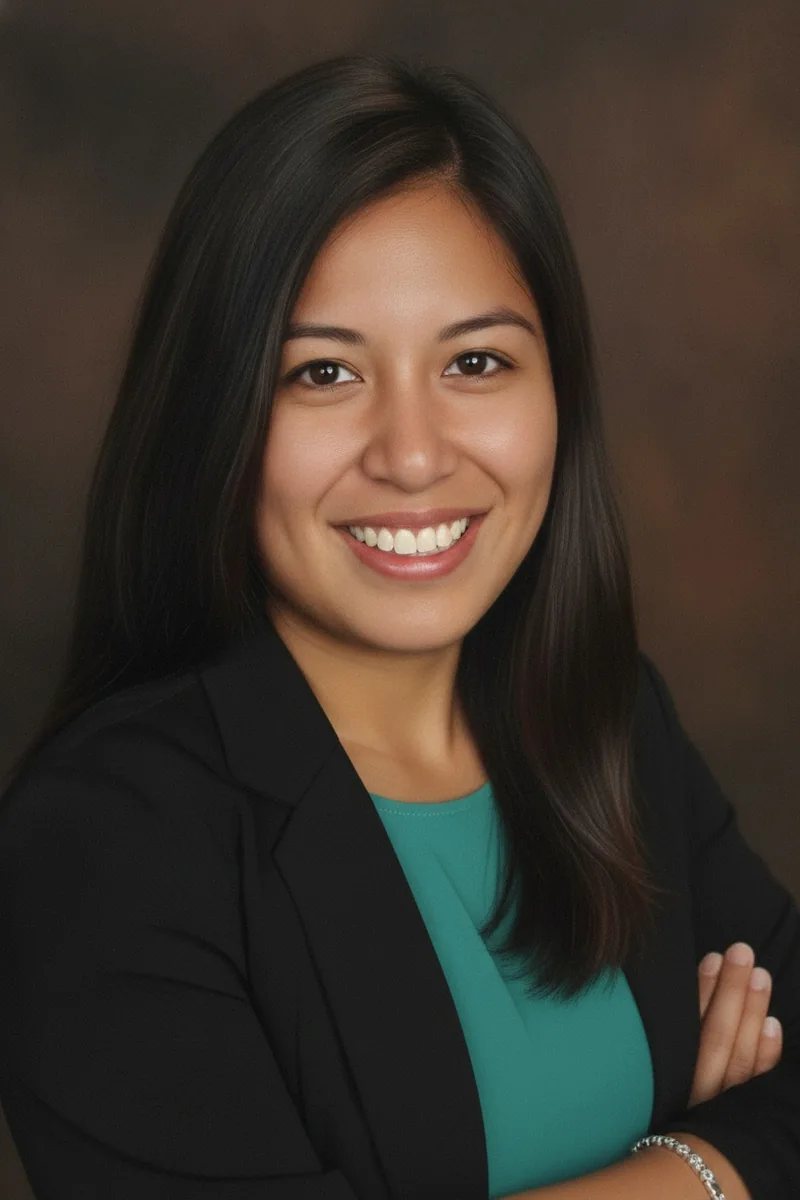
Medical school builds microbiology into nearly every clinical rotation — Robin's training means she's traced how specific pathogens cause disease, how immune responses escalate, and why certain antibiotics target one organism but not another. That clinical context turns dense material like Gram classifications and virulence mechanisms into something students can reason through, because each organism connects to a real disease process. Rated 5.0 by students.
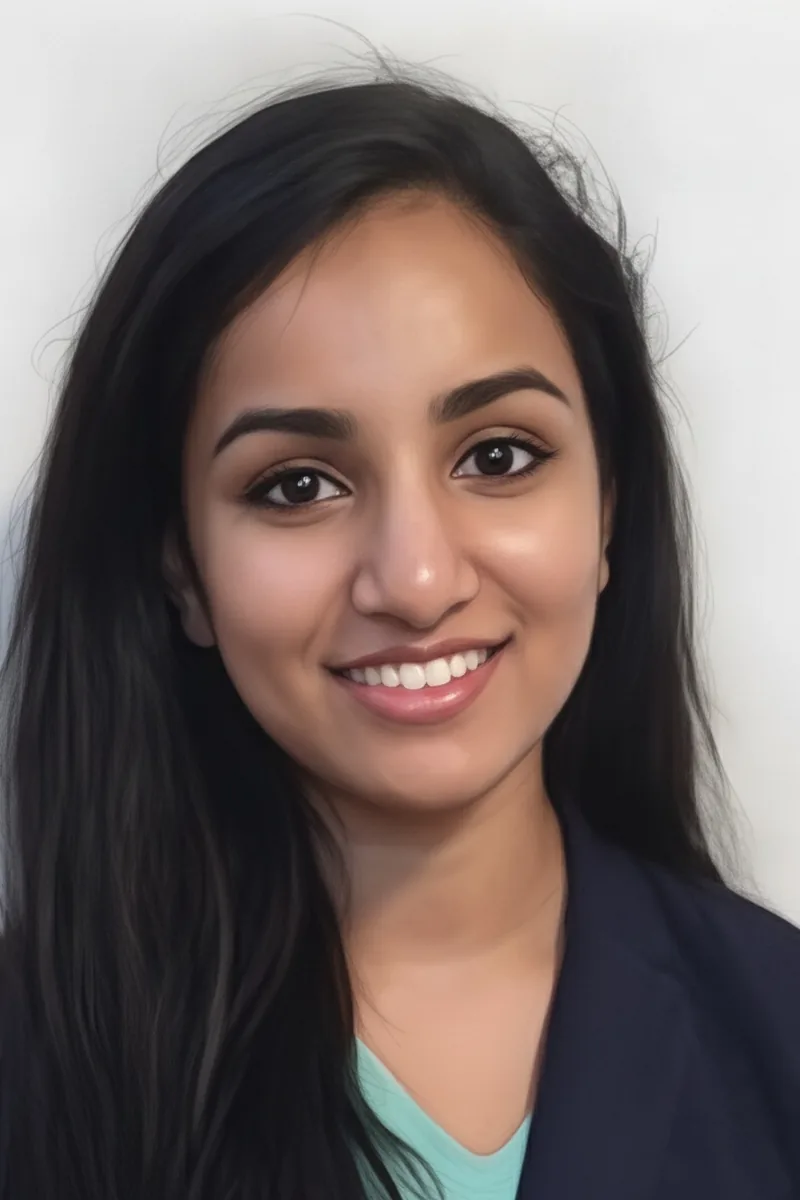
The IB Biology program — both SL and HL — drills deep into microbial topics like cell theory, pathogen classification, and antibiotic resistance, and Kinjal completed that rigorous track before earning her biology degree at Texas A&M. That combination means she can walk through bacterial structure, microbial metabolism, and host-pathogen dynamics with the kind of layered understanding that comes from studying the material twice at increasing depth. Rated 5.0 by students.
Studying microbiology in preparation for medical school gave Nishad a detailed command of bacterial physiology, viral replication cycles, and immune response pathways. He teaches students to connect structure to function — understanding why Gram-negative bacteria resist certain antibiotics, for instance, by tracing the architecture of their outer membrane.
Her global health minor at Cornell meant Emily spent real time studying how pathogens spread, how immune responses work, and why microbial ecology matters beyond the lab. She digs into topics like bacterial cell structure, viral replication cycles, and antimicrobial resistance with the kind of context that makes memorization-heavy material more intuitive.
Gram stains, bacterial metabolic pathways, and viral replication cycles all require a kind of systematic memorization that falls apart without conceptual scaffolding. Anni's graduate work in biomedical sciences at UMDNJ gave her direct experience with microbial concepts, and she teaches them by linking each organism's structure to its clinical significance.
Haley's day job in a public health laboratory gives her hands-on experience with the bacterial cultures, staining techniques, and antimicrobial susceptibility testing that microbiology courses cover in theory. She brings real bench context to topics like gram-negative vs. gram-positive classification, metabolic pathways, and pathogenesis — turning textbook organisms into something tangible. Rated 5.0 by students.
Understanding microbiology means getting comfortable with organisms you can't see — bacterial cell structure, viral replication cycles, and the metabolic pathways that keep microbes alive. Varuna's graduate work in biomedical engineering at Tufts involved the biological mechanisms that underpin infection and immunity, giving her a practical lens for teaching concepts like gram staining, antibiotic resistance, and microbial genetics.
Philosophy, Politics and Economics isn't the typical path into microbiology, but Noah's biology coursework gave him enough grounding in cellular processes to break down topics like prokaryotic structure and microbial growth curves for students encountering them for the first time. He takes a methodical, logic-driven approach — the kind his PPE training sharpened — to help untangle classification systems and keep bacterial phyla from blurring together.
Medical school demands a granular understanding of pathogens — bacterial cell wall differences, viral replication cycles, antibiotic resistance mechanisms. Daniel earned his M.D. and brings that clinical lens to microbiology, connecting each organism's structure and behavior to the disease processes students are expected to know for exams.
Medical school gave Kruti an unusually practical understanding of microbiology — she learned bacteria, viruses, fungi, and parasites not as abstract taxonomy but as organisms that cause specific diseases through specific mechanisms. She digs into concepts like virulence factors, antibiotic resistance pathways, and immune evasion strategies with the kind of detail that sticks. Students preparing for college-level micro exams or USMLE-style questions get someone who's recently navigated both.
Neuroscience training at the undergraduate level means Jhonatan spent significant time with the microbial world — understanding how pathogens cross the blood-brain barrier, how CNS infections progress, and how the gut microbiome communicates with neural tissue. He teaches microbial physiology and host interactions by anchoring them to these neuroimmune connections, giving students a narrative thread through what can otherwise feel like an overwhelming catalog of organisms. Rated 5.0 by students.
Neuroscience at Brown doesn't let you skip the micro — Owen's coursework in biology and chemistry built a working understanding of how microorganisms operate at the cellular level, from membrane transport to metabolic regulation. He brings that mechanistic thinking to topics like bacterial growth curves and immune evasion, breaking down each process into the molecular steps that actually explain it.
Between his biochemistry degree from Rice and his medical school training, Sanjay has spent years immersed in the microbial world — bacterial cell structure, pathogenic mechanisms, antimicrobial resistance, and the metabolic pathways that distinguish different organisms. He connects microbiology concepts to clinical scenarios, which makes memorizing genera, gram stain results, and virulence factors far more intuitive.
Testimonials
Because the right Microbiology tutor makes all the difference.
Average Session Rating – Based on 3.4M Learner Ratings
Nearby Microbiology Tutors
Other New Orleans Tutors
Related Science Tutors in New Orleans
Frequently Asked Questions
Your first session is an opportunity to connect with a tutor, discuss your current challenges, and establish goals—whether that's mastering bacterial identification, understanding metabolic pathways, or preparing for exams. The tutor will assess your grasp of foundational concepts like cell structure and microbial classification to create a personalized plan that targets your specific needs.
Microbiology involves understanding structures and processes at scales invisible to the naked eye—from bacterial flagella to viral replication cycles. Expert tutors use diagrams, animations, models, and real-world examples to make these abstract concepts concrete, helping you build mental models that stick rather than just memorizing terms.
Absolutely. Beyond lecture content, tutors can help you understand the scientific reasoning behind lab protocols, interpret results, troubleshoot experimental problems, and strengthen your grasp of aseptic technique and microscopy. This bridges the gap between theory and hands-on application, making you more confident and competent in the lab.
Not at all—while microbiology does involve learning names and structures, true mastery means understanding *why* microorganisms behave the way they do: how they metabolize nutrients, evade immune systems, and interact with their environment. Tutors focus on building conceptual understanding so you can apply knowledge to new scenarios rather than just recall facts.
Common struggles include grasping the diversity of microbial life, understanding metabolic pathways and energy production, connecting microscopic processes to observable outcomes, and balancing quantitative problem-solving (like calculating bacterial growth rates) with qualitative reasoning. Personalized tutoring addresses these pain points with targeted strategies and real-world context.
Tutors help you move beyond surface-level knowledge to develop the critical thinking skills exams require—interpreting data, applying concepts to novel situations, and explaining microbial processes at different levels of detail. Whether you're preparing for AP Biology, a college microbiology course, or clinical microbiology, personalized instruction builds both content mastery and test-taking confidence.
Varsity Tutors connects you with tutors who have strong backgrounds in microbiology and related sciences—often with degrees in biology, microbiology, or health sciences, and experience teaching or tutoring the subject. Beyond credentials, the best tutors can explain complex concepts clearly, relate theory to real-world applications, and adapt their teaching to your learning style.
With an average student-teacher ratio of 24.8:1 across New Orleans schools, personalized 1-on-1 instruction can make a real difference in mastering a challenging subject like microbiology. A tutor gives you dedicated time to ask questions, work through difficult concepts, and develop the deeper understanding that classroom settings often can't provide.
Let’s find your perfect tutor
Answer a few quick questions. We’ll recommend the right plan and match you with a top 5% tutor.