Award-Winning Elementary School Reading Tutors
serving New Orleans, LA
Elementary School Reading
Tutors in New Orleans
Private 1-on-1 tutoring, weekly live classes for academic support, test prep & enrichment, practice tests and diagnostics, and more to elevate grades and test scores.
Based on 3.4M Learner Ratings
UniversitiesSchools & Universities
DeliveredHours Delivered
ProficiencyGrowth in Proficiency
Who needs tutoring?
No obligation. Takes ~1 minute.
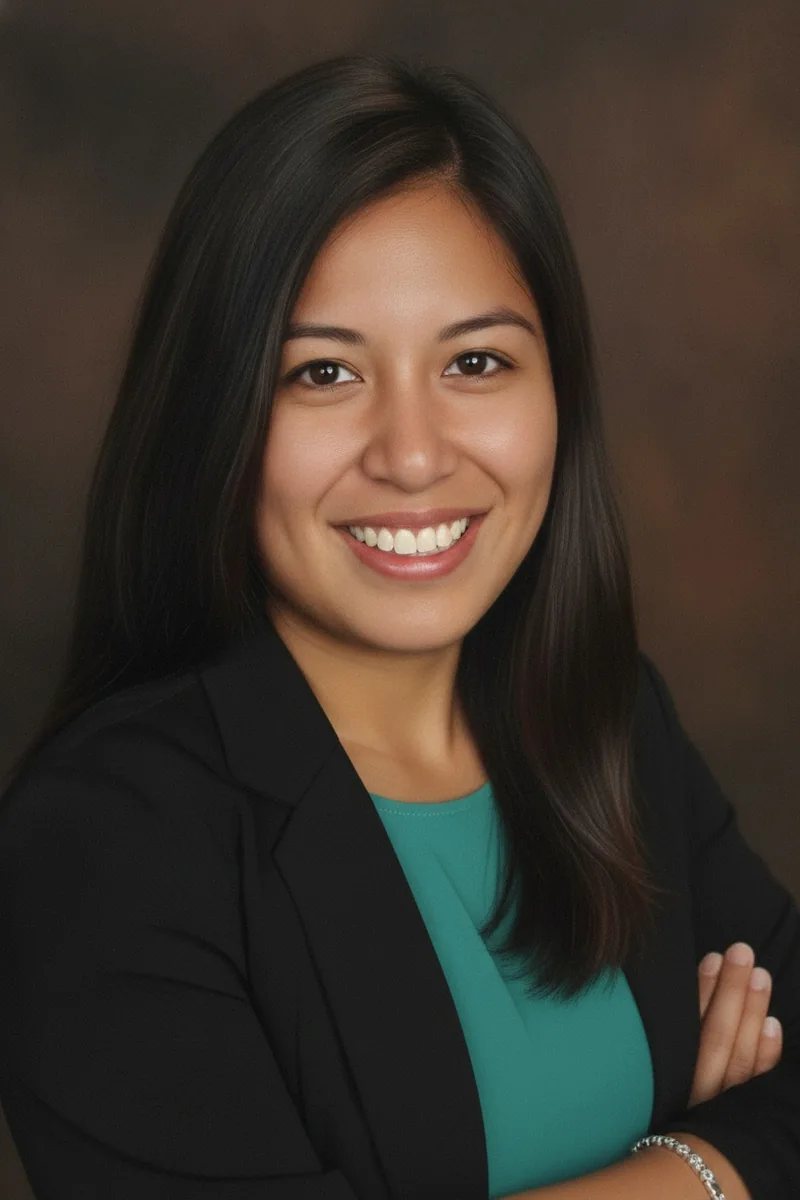
Early reading clicks when phonics, vocabulary, and comprehension work together instead of being treated as separate skills. Robin connects letter-sound patterns to actual stories students care about, building fluency through repeated guided reading and targeted sight-word practice that keeps sessions engaging rather than repetitive.

I'm an experienced educator and instructional leader with over a decade of experience in the humanities (English Language Arts + Social Studies), curriculum development, and school leadership. I believe in meeting students where they are, breaking challenging skills into manageable steps, and building confidence and independence. I'm passionate about helping students grow as readers, writers, and thinkers while discovering what they're truly capable of.
I am an educator of the sciences. I have taught Life Science, Biology, Physical and Earth Sciences for fourteen years in grades 7-12. I trained with the Keystone Science School of Denver, Colorado, the LSU Coastal Roots Program and have earned over six hundred hours in science literacy training in many areas. Science has a very strong mathematical component and that is why I also specialize in Math tutoring.
Phonics, sight words, fluency, comprehension — early reading involves a lot of moving parts, and every child hits different sticking points. Mackenzie identifies where a young reader is getting tripped up and tailors each session around that specific skill, whether it's decoding multisyllable words or retelling a story in sequence.
Learning to read confidently at a young age changes everything that comes after — from following a story's plot to sounding out unfamiliar words. Eliza breaks down phonics patterns, sight words, and basic comprehension strategies in ways that keep younger learners engaged and moving forward. Rated 5.0 by students and families.
Getting young readers excited about books is half the battle — the other half is building real skills like decoding unfamiliar words, making predictions, and retelling a story in their own words. Noel is an avid reader himself and brings that genuine enthusiasm to every session, turning reading practice into something kids actually look forward to.
Through her nonprofit work educating families in Ecuador, Vanessa has seen firsthand how foundational early reading skills shape everything that comes after. She builds young readers' confidence by connecting phonics, vocabulary, and comprehension to stories that genuinely interest them — turning reading from a chore into something a child wants to do on their own.
Early reading is all about building momentum: phonics, sight words, and fluency practice that gradually turns halting word-by-word reading into something that flows. Amy keeps sessions interactive with read-alouds, prediction games, and vocabulary activities that make new words stick. Her genuine enthusiasm for books is contagious, which matters enormously when a young reader is still deciding whether reading is fun or frustrating.
Learning to read confidently means more than sounding out words — it's building the comprehension skills to retell a story, identify a main idea, and make predictions about what comes next. Natalie spent years tutoring young readers in West Philadelphia, where she developed a patient, encouraging approach to phonics, fluency, and vocabulary that keeps kids engaged rather than frustrated.
For early readers, the difference between frustration and excitement often comes down to finding the right book at the right level. Maya builds phonics, sight-word recognition, and basic comprehension skills through stories that match each child's interests, keeping motivation high. Her experience with differently-abled learners means she adapts pacing and techniques to fit how each student actually processes language.
Kyle approaches elementary reading by connecting books to the things kids already care about — sports, adventure, humor — so that turning pages feels like a choice, not a chore. He zeroes in on specific skills like identifying main ideas, making predictions, and building vocabulary through context clues. Years of working with kids as a coach and counselor give him a natural rapport with younger learners.
Early reading skills like phonics and decoding are important, but so is the moment a child starts making predictions about a story or asking why a character did something. Paula builds both sides — the mechanical fluency and the comprehension habits — so young readers don't just sound out words but actually engage with what they're reading.
Phonics patterns, sight words, and reading fluency each require a different kind of practice, and Ingrid tailors her approach depending on where a young reader is gaining confidence. Her patience and structured teaching style — honed through leading hands-on workshops for undergraduates at Northwestern — translate well to working with elementary-age learners building early literacy skills.
Reading intervention has been a core part of Molly's classroom work across 2nd, 3rd, and 4th grade, so she's fluent in phonics-based decoding, sight word fluency, and comprehension strategies like predicting and retelling. She pulls from multiple curricula to match the approach that clicks for each reader rather than defaulting to one program.
Early reading clicks when a child can connect what's on the page to what they already know. Daniel builds that bridge by teaching phonics patterns alongside comprehension strategies like predicting and retelling, keeping sessions interactive enough that younger readers stay engaged rather than frustrated.
Testimonials
Because the right Elementary School Reading tutor makes all the difference.
Average Session Rating – Based on 3.4M Learner Ratings
Nearby Elementary School Reading Tutors
Other New Orleans Tutors
Related English Tutors in New Orleans
Frequently Asked Questions
Many elementary readers struggle with phonics foundations, fluency, and comprehension—especially when transitioning from learning to read to reading to learn around 3rd grade. Students may also face challenges with vocabulary development, understanding different text types, and staying engaged with longer passages. Personalized tutoring can target these specific areas, helping students build confidence and catch up if they're behind grade-level expectations.
One-on-one instruction allows tutors to assess your child's current reading level, identify specific gaps, and create a customized plan—whether that's strengthening decoding skills, building fluency, or developing comprehension strategies. Tutors can use targeted interventions like guided reading, repeated reading practice, and comprehension questioning to help students make measurable progress. Regular feedback and adjusted instruction based on your child's pace ensures they're always challenged at the right level.
The first session is typically an assessment and relationship-building opportunity. A tutor will work with your child to understand their current reading level, strengths, and areas for growth through informal reading activities and conversation. This helps the tutor create a personalized plan and establish a comfortable learning environment. You'll also have a chance to discuss your goals and any specific concerns about your child's reading development.
Tutors use research-based strategies like pre-reading activation, questioning during reading, and post-reading reflection to deepen comprehension. They teach students to identify main ideas, make inferences, predict outcomes, and connect texts to their own experiences. For elementary students, this might include discussing characters and plot, while older elementary students can begin exploring themes and author's purpose—all tailored to your child's developmental stage.
Absolutely. Many struggling readers lack confidence, which can slow their progress. Tutors build fluency through repeated reading of engaging texts, modeling expressive reading, and providing plenty of practice in a low-pressure environment. As students experience success and see their reading speed and accuracy improve, confidence naturally grows—making reading feel less like a chore and more like an enjoyable skill.
The ideal frequency depends on your child's needs and goals. Many students benefit from 1-2 sessions per week, which provides enough consistency for progress while allowing time to practice between sessions. Some students need more intensive support initially, while others do well with maintenance sessions once they've caught up. Your tutor can recommend a schedule based on your child's specific situation and learning pace.
Yes. Tutors working with students in New Orleans understand Louisiana's reading standards and grade-level expectations, including phonics benchmarks, fluency targets, and comprehension goals. Whether your child attends a school in one of the 62 schools across the area or follows a specific curriculum framework, tutors can align their instruction with what's being taught in the classroom while providing personalized support tailored to your child's needs.
Varsity Tutors connects you with qualified tutors who specialize in elementary reading and understand the needs of students in New Orleans. You can share details about your child's grade level, reading challenges, and goals, and we'll match you with an experienced tutor who's a great fit. The process is straightforward, and you can often schedule a first session quickly to get started.
Let’s find your perfect tutor
Answer a few quick questions. We’ll recommend the right plan and match you with a top 5% tutor.