Award-Winning AP Biology Tutors
serving New Orleans, LA
AP Biology
Tutors in New Orleans
Private 1-on-1 tutoring, weekly live classes for academic support, test prep & enrichment, practice tests and diagnostics, and more to elevate grades and test scores.
Based on 3.4M Learner Ratings
UniversitiesSchools & Universities
DeliveredHours Delivered
ProficiencyGrowth in Proficiency
Who needs tutoring?
No obligation. Takes ~1 minute.
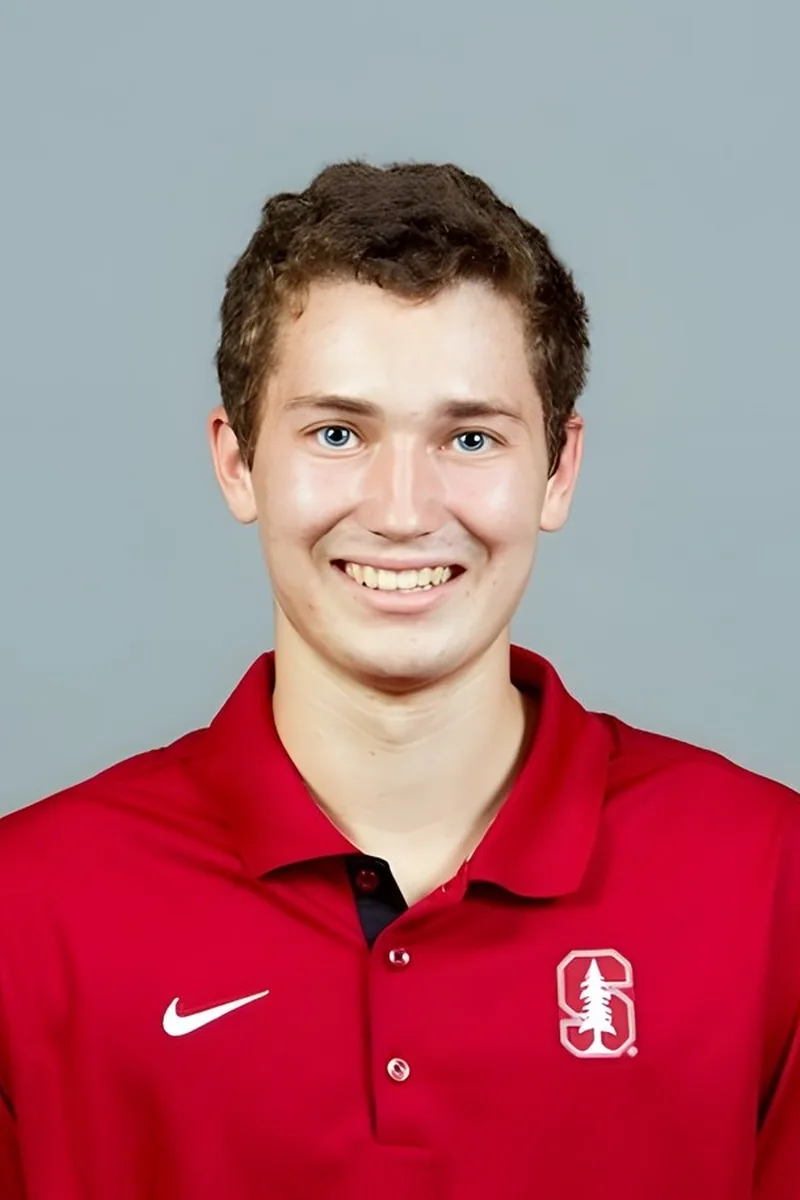
Succeeding on the AP Biology exam means going beyond memorizing cell structures and metabolic pathways — it means interpreting experimental data, constructing explanations, and reasoning across biological scales from molecules to ecosystems. Jake studies Human Biology at Stanford, where his coursework in genetics, physiology, and ecology maps directly onto the AP curriculum's four big ideas.

A neuroscience degree plus a master's in biotechnology means Rithi has spent serious time with the molecular and cellular content that trips up most AP Bio students — think signal transduction pathways, gene regulation, and how neurons actually fire. She's now in medical school at Robert Wood Johnson, so she's applying these concepts daily at a level well beyond what the exam demands, which makes her especially sharp at unpacking the mechanistic "explain how" questions the free-response section loves to ask.
AP Bio covers an enormous range — from molecular genetics to ecology — and the exam rewards students who can apply concepts to unfamiliar experimental scenarios, not just recall definitions. Phillip studies biomedical engineering at Brown, so he regularly engages with cell signaling, gene expression, and physiological systems at a level well beyond the AP curriculum. He teaches students to interpret data figures and design experiments the way the free-response questions demand.
Cellular respiration, genetics, and evolution each require a different kind of thinking — sometimes quantitative, sometimes conceptual, sometimes both at once. Nima breaks down processes like the electron transport chain or Hardy-Weinberg equilibrium into logical steps, drawing on the same analytical rigor that earned him a full merit scholarship to Duke.
Todd's undergraduate biology degree from UIUC gives him the content foundation for AP Bio, but it's his 33 ACT and analytical training through his University of Chicago graduate work that sharpen how he teaches the exam's trickiest skill: translating dense lab data into clear, structured free-response answers. He zeroes in on the units where students lose the most points — cellular energetics and heredity — and builds the kind of process-level reasoning that turns memorized pathways into usable knowledge on test day.
Stephanie is a molecular biology major at Princeton who tutors biology and general chemistry at the university's peer tutoring center — meaning she's actively teaching concepts like gene regulation, enzyme kinetics, and cellular signaling to college students, then turning around and making that same material accessible for AP Bio. Her 5.0 rating speaks to how well she translates that Princeton-level depth into the kind of precise, mechanism-driven explanations the exam's free-response questions demand.
Teaching has been a lifelong passion of mine. What drives me is sharing knowledge while genuinely connecting with others. I discovered my love for tutoring in high school and have been dedicated to it ever since. At Stanford University, I earned a BS in Human Biology and Chemistry while continuing to tutor throughout, advancing to Lead Tutor. After graduation, I spent a year as a Teaching Associate, designing and delivering course content which significantly broadening my pedagogical approach. What sets me apart is my versatility. Having served as both tutor and instructor, I can adapt my teaching style to each student's unique needs, whether that be building up foundational skills or pursuing advanced mastery. I'm now pursuing graduate studies at The Johns Hopkins School of Medicine, staying engaged with cutting-edge science while maintaining my commitment to education. I look forward to helping you achieve your academic goals!
Running an immunology lab at Columbia Medical Center means Matthew doesn't just remember AP Biology content — he uses cellular signaling, gene expression, and immune system mechanics in active research. He teaches the course's trickiest units, like cell communication and ecology data analysis, by connecting textbook diagrams to what actually happens at the bench. That real-world grounding is especially useful for the AP exam's experimental-design and data-interpretation questions.
Ruthie studied the biological basis of behavior in college, which means she didn't just memorize AP Bio content like cell signaling and genetics — she had to apply it to understand how nervous systems produce behavior, how neurotransmitters cross synapses, and how gene expression shapes organisms at every level. That interdisciplinary angle is especially useful for the exam's ecology and evolution units, where students need to connect molecular mechanisms to organism-level outcomes. Rated 5.0 by students.
Environmental science coursework gave Ethan an ecology-first perspective on biology — population dynamics, energy flow through ecosystems, and the interplay between organisms and their environments — which lines up directly with AP Bio's ecology and evolution units that many science-focused tutors breeze past. He also teaches AP Statistics, so he's unusually comfortable with the data interpretation and experimental design questions that trip students up on the exam. Rated 5.0 by students.
As a pre-med biosciences major at Rice University, Tegan is studying the same cellular processes, genetics, and ecological concepts that AP Bio covers — but at the college level, which means she can explain the *why* behind topics like enzyme kinetics or signal transduction rather than just the textbook summary. She's especially good at breaking down the plant biology and photosynthesis material that many students rush past, connecting light reactions and carbon fixation to the energy flow concepts the exam circles back to repeatedly. Rated 4.9 by students.
Saniya's neuroscience degree at Rhodes College required her to learn biology from the molecular scale up — gene expression, cell signaling, neural communication — which means she's tackled AP Bio's toughest conceptual territory in a context where every pathway had to connect to a bigger physiological story. She's continued auditing advanced coursework in anatomy, histology, and embryology since graduating, so the organism-level units on body systems and development are still sharp. Rated 5.0 by students.
Testimonials
Because the right AP Biology tutor makes all the difference.
Average Session Rating – Based on 3.4M Learner Ratings
Practice AP Biology
Free practice tests, flashcards, and AI tutoring for AP Biology
Nearby AP Biology Tutors
Other New Orleans Tutors
Related Science Tutors in New Orleans
Frequently Asked Questions
Score improvement depends on your starting point and commitment level, but students typically see gains of 1-2 points on the AP scale (out of 5) over several months of consistent tutoring. Many students who struggle with specific units—like genetics or photosynthesis—see the biggest jumps once they get personalized explanations that click. The key is identifying your weak areas early and focusing practice there, rather than trying to review everything equally.
AP Biology students in New Orleans and beyond often struggle with three main areas: understanding complex processes like cellular respiration and photosynthesis, managing the sheer volume of vocabulary and concepts, and applying knowledge to unfamiliar scenarios on the exam. Many also find the free-response questions intimidating because they require both scientific accuracy and clear communication. A tutor can help you break down these processes into digestible pieces and practice explaining concepts in your own words.
The AP Biology exam has two sections: 60 multiple-choice questions (90 minutes) and 6 free-response questions (90 minutes). For the multiple-choice section, pace yourself at about 1.5 minutes per question and skip difficult ones to come back to later. For free-response, read each question carefully, organize your thoughts before writing, and focus on clear explanations—graders reward thorough reasoning over perfect prose. Tutors can help you practice this pacing with real AP questions so you're confident on test day.
Ideally, take at least 3-4 full-length practice tests under timed conditions in the weeks leading up to the exam. The first one helps identify your weak units, the second and third let you practice your strategy and pacing, and the final one builds confidence. Between practice tests, focus your study time on the specific topics where you scored lowest. A tutor can review your practice test results with you, pinpoint patterns in your mistakes, and help you target your study sessions more effectively.
In your first session, a tutor will likely assess your current understanding of AP Biology concepts, discuss your goals (score target, timeline, specific weak areas), and learn about your learning style. They'll ask about which units you find most challenging and may give you a brief diagnostic to see where to focus. From there, you'll work together to create a personalized study plan that fits your schedule and addresses your priorities before the exam.
Look for tutors with strong biology backgrounds—ideally a degree in biology, biochemistry, or a related field, plus experience teaching or tutoring AP Biology specifically. They should be familiar with the current AP Biology curriculum, understand the exam format and grading rubric, and have a track record of helping students improve their scores. When you connect with a tutor through Varsity Tutors, you can review their background and experience to ensure they're a good fit for your needs.
Ideally, start tutoring 3-4 months before the exam (around January for the May AP exam) if you need significant help, or 6-8 weeks if you're already doing reasonably well and just want to fine-tune. If you're struggling with specific units mid-year, it's never too late to get support—even a few weeks of focused tutoring can help you master difficult concepts. The sooner you identify weak areas, the more time you have to practice and build confidence.
Test anxiety often stems from feeling unprepared or uncertain about what to expect on exam day. Regular tutoring builds your confidence by helping you truly understand concepts (not just memorize them), practice with real AP questions until they feel familiar, and develop a solid test-taking strategy. Knowing you've prepared thoroughly and practiced under timed conditions significantly reduces anxiety. Many students also benefit from discussing their worries with a tutor who can reassure them and help them focus on what they can control.
Let’s find your perfect tutor
Answer a few quick questions. We’ll recommend the right plan and match you with a top 5% tutor.