Award-Winning College English
Tutors
College English
Tutors
Private 1-on-1 tutoring, weekly live classes for academic support, test prep & enrichment, practice tests and diagnostics, and more to elevate grades and test scores.
Based on 3.4M Learner Ratings
UniversitiesSchools & Universities
DeliveredHours Delivered
ProficiencyGrowth in Proficiency
Who needs tutoring?
No obligation. Takes ~1 minute.

College-level coursework demands a leap in analytical rigor — professors expect original arguments, not five-paragraph summaries. Reid earned his BA with High Honors at Wesleyan and completed a PhD at Harvard, so he knows exactly what college instructors look for in a thesis-driven essay. He digs into everything from crafting research questions to integrating secondary sources with a student's own voice.
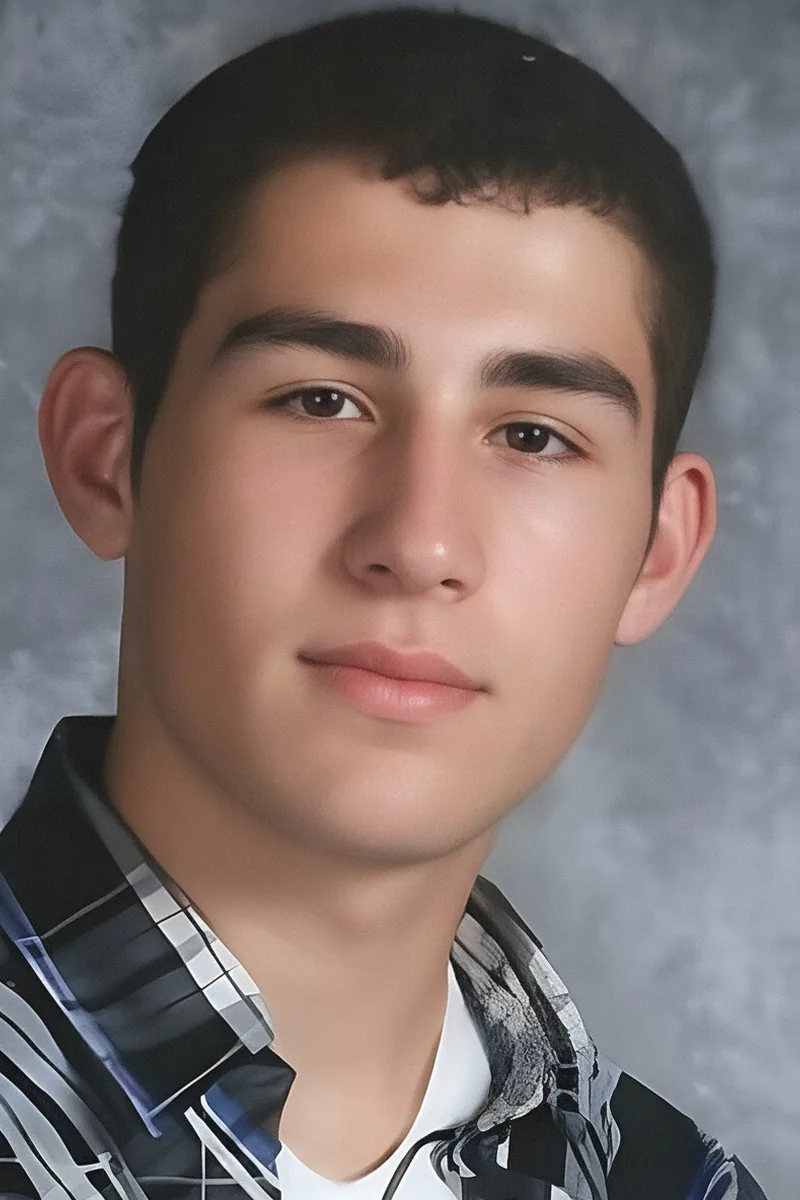
College-level writing demands more than a five-paragraph structure; professors expect nuanced claims, engagement with secondary sources, and prose that reads cleanly. Christopher, currently studying at Harvard, understands these expectations from the inside and teaches students to develop arguments that hold up to academic scrutiny while finding their own analytical voice.
Running a tutoring program at a charter middle school taught Liz something that translates directly to college English: how to break down what an assignment is actually asking before a student writes a single word. Her history degree from WashU — heavy on primary source analysis and argumentative essays — means she knows how to teach the kind of evidence-driven, thesis-centered writing that college professors reward. Her special education background also gives her a sharp eye for adapting feedback to how each writer actually processes and revises.
College-level writing demands a shift most students aren't prepared for — professors expect a thesis that enters an existing scholarly conversation, not just a personal opinion backed by quotes. Solange's Harvard coursework in sociology required exactly this kind of argumentative writing, from seminar response papers to a senior thesis grounded in critical theory. She teaches students to structure claims, integrate secondary sources, and revise at the paragraph level.
College-level writing demands more than five-paragraph structure — professors expect nuanced thesis statements, engagement with secondary sources, and disciplined argumentation. Asta's political science degree from the University of Chicago required exactly that kind of writing every week, and she breaks down the jump from high school essays to college seminars in concrete, manageable steps.
College-level English courses ratchet up expectations fast — suddenly a thesis needs to be genuinely original, secondary sources need to be integrated smoothly, and a five-paragraph structure won't cut it anymore. Elena earned First Class Honors with Distinction from the University of Edinburgh, where close argumentation and rigorous writing were non-negotiable. She digs into the specific assignment rubric with each student and reverse-engineers what an A-level paper actually requires.
Henry's senior thesis at Harvard — a deep dive into John Dewey's philosophy of education — required exactly the kind of sustained, source-driven argumentation that college English professors grade hardest on: building a complex claim across dozens of pages, weaving in primary texts, and defending interpretations against competing readings. That experience, plus his history training in close analysis of primary documents, makes him especially effective at teaching students how to move from a loose response paper into a tightly argued, thesis-driven essay. His 1530 SAT score also reflects strong command of the grammar and syntax mechanics that polish college-level prose.
College-level English expects students to move beyond summary and produce original arguments that engage with secondary criticism, theoretical frameworks, and sophisticated prose. Emily's own experience writing across disciplines at Yale — from biology research to French literary analysis — means she understands the jump from high school essays to college-caliber academic writing. She tackles everything from crafting a working thesis to integrating sources without losing your own voice.
Years as a Writing Consultant during undergrad meant Renee spent her days reading other people's college papers and diagnosing exactly where arguments fell apart — a weak thesis, evidence dropped in without context, paragraphs that summarized instead of analyzed. Her PhD work in Spanish and Iberian Studies keeps her writing literary analysis at the highest academic level, so she knows what college professors across the humanities are actually looking for when they grade an essay. She's especially sharp at teaching students how to develop a close reading into a fully argued paper rather than a string of observations.
Brittney's Princeton comparative literature degree and current English M.A. mean she's spent years doing exactly what college English professors assign — building arguments that cut across texts, traditions, and critical frameworks. She's especially sharp at teaching students how to weave comparative analysis into their papers, a skill that elevates college writing from competent to genuinely original. Rated 5.0 by students.
Penn's pre-health track doesn't seem like obvious training for college English — but Shayan's biology coursework required constant analytical writing, from research proposals to literature reviews that demanded clear argumentation and tight source integration. He brings that same structured thinking to essay writing, teaching students how to build a thesis from textual evidence and revise until the argument holds up under scrutiny. Rated 5.0 by students.
College-level English demands a different kind of reading: slower, more skeptical, attuned to how form and argument interact. As a Penn junior in Philosophy, Politics, and Economics, Kevin writes analytical papers daily and knows how to construct a thesis that does more than summarize. He's especially strong at teaching students to move from a vague reaction to a text into a precise, evidence-driven argument.
College-level English demands a sharper analytical voice than most students are used to — professors expect original arguments, not book reports. Victoria's own undergraduate work across multiple humanities disciplines gave her extensive practice crafting the kind of thesis-driven, research-supported essays that earn top marks. She's particularly skilled at teaching students how to integrate secondary sources without letting them drown out their own ideas.
Teaching history and philosophy to undergraduates at UC Berkeley meant Jeff spent years reading student essays that made the same mistakes — vague thesis statements, block quotes dropped without analysis, arguments that summarized instead of interrogated. That experience, plus his own philosophy training at Princeton, makes him especially effective at showing college writers how to construct a claim from a close reading and defend it with precisely integrated textual evidence. His background in book publishing also gives him a sharp editorial eye for prose-level revision.
College-level English demands more than summary — professors expect original arguments grounded in close textual evidence and engagement with secondary criticism. Jacob earned his B.A. in Comparative Literature from Columbia and taught at the university level at UC Berkeley, so he knows exactly what distinguishes a B paper from an A paper and how to bridge that gap in thesis development and source integration.
College-level writing demands a leap from summarizing sources to entering a scholarly conversation — synthesizing multiple arguments, anticipating counterpoints, and maintaining a cohesive voice across longer papers. Kate made that transition herself across multiple bachelor's programs and a master's in environmental engineering, where research writing was constant. She teaches students to outline argumentative structure before drafting, which consistently produces clearer, more confident papers.
College-level English demands a leap in analytical rigor — professors expect students to engage with literary criticism, construct original arguments, and write prose that does more than summarize. Meghan holds both an undergraduate and graduate degree in journalism from Northwestern, where close reading and persuasive writing were daily practice. She's particularly sharp at helping students tighten their academic prose and build arguments that hold up under scrutiny.
College-level English expects a leap in analytical sophistication that catches many students off guard — suddenly a paper needs a genuine argument, not just a summary with a thesis stapled on top. Julie's philosophy training at Princeton sharpened her ability to construct and critique arguments, and she teaches students to do the same in their literary and expository essays.
College-level English demands sharper argumentation and deeper engagement with literary criticism than most students expect. Connor's science background is surprisingly useful here — he teaches students to build claims methodically, support them with textual evidence, and anticipate counterarguments the way a researcher would challenge a hypothesis.
College-level writing demands more than correct sentences — it requires building arguments that hold up under scrutiny, structuring evidence across multiple sources, and developing a distinct analytical voice. Elena's government degree and current law school training at the University of Chicago mean she reads and critiques argumentative essays the way professors do, catching weak thesis statements and logical gaps before they cost points.
College-level coursework demands a leap in analytical writing that catches many students off guard — suddenly a five-paragraph essay won't cut it. Jessica made that transition early at Penn, where she was the first freshman accepted into the Critical Writing Department's tutoring program and spent her undergraduate years coaching peers through research papers, seminar responses, and thesis-driven essays. She unpacks what professors actually want when they ask for "original analysis" and teaches students to build arguments that hold up under scrutiny.
The jump to college-level English catches students off guard: suddenly a paper needs a real thesis, not just a reaction. Valerie is an undergraduate at the University of Chicago, where the core curriculum demands rigorous analytical writing across disciplines, so she knows exactly what professors expect from a close reading or a comparative argument. She's earned twenty writing awards and applies that same craft to breaking down essay structure, evidence integration, and revision strategies.
College-level writing demands a leap from summarizing sources to engaging with them critically, and that transition trips up a lot of students. Emily made that leap early as a philosophy major at Northwestern and sharpened it further in law school, so she teaches the specific moves — counterargument, close textual analysis, synthesizing multiple sources — that college professors actually grade on.
College-level English demands a different gear: longer texts, denser theory, and professors who expect original arguments backed by textual evidence. Jennifer holds a BA in English and is completing her MAT at NYU, so she's comfortable unpacking everything from postcolonial criticism to narrative structure in a seminar-ready way. She's particularly sharp at helping students move from a vague thesis to a precise, defensible claim.
College-level English courses demand a leap in analytical sophistication: longer texts, denser theory, and papers where original interpretation matters more than correct answers. Sash's Princeton comparative literature training — including novel-length creative work mentored by Joyce Carol Oates — means students get a tutor who has navigated that exact academic environment and can walk them through crafting seminar papers, engaging with literary criticism, and developing close-reading skills that hold up under professorial scrutiny.
College-level English demands a leap in analytical rigor: professors expect original theses, engagement with secondary criticism, and prose that does more than summarize. Tom earned his PhD in American Studies, so he's intimately familiar with what college instructors look for in a close reading or a research paper. He teaches students to develop arguments that go beyond surface-level observation and support them with precise textual evidence.
College-level English courses expect students to produce polished analytical writing on tight deadlines — synthesizing secondary criticism, constructing original arguments, and citing sources correctly. Maya graduated from Yale, where that kind of writing was the baseline, and she brings that standard to her tutoring without the intimidation factor. She digs into everything from thesis development for a comparative lit paper to MLA formatting details that cost students easy points.
College-level English demands more than summarizing — it requires building an argument from textual evidence and sustaining it across multiple pages. Joseph sharpens thesis development, close reading, and paragraph-level organization, drawing on the analytical writing he does regularly as a graduate student at Yale's School of Public Health.
College-level English courses expect students to produce polished analytical writing with minimal scaffolding, which is a jarring shift from high school. Jessica digs into the mechanics of academic argumentation — constructing nuanced thesis statements, integrating secondary sources without losing one's own voice, and revising at the structural level. Her English degree and education background make her especially effective at bridging that high-school-to-college gap.
College-level English demands a different kind of close reading — professors expect students to engage with critical theory, situate texts historically, and write essays that enter an ongoing scholarly conversation. As a Northwestern senior who has written extensively across the humanities, Parag knows how to move a paper from surface-level response to the kind of analytical depth that earns strong marks.
College-level English demands sharper arguments and more sophisticated engagement with sources than most students are used to from high school. Richard tackles this transition head-on — his Government studies at Harvard require the same kind of close textual analysis, thesis-driven writing, and peer revision that English seminars do, so he knows what professors are actually looking for in a paper.
Having earned three bachelor's degrees — including one in biology — Garrett has written across disciplines that demand very different prose styles, from lab reports to literary analysis to argumentative essays. That range means he can teach college English students how to adapt their writing voice to whatever a professor expects, whether it's a close reading of a novel or a research-driven argument paper.
College-level writing demands a leap in sophistication: longer research papers, tighter argumentation, proper source integration. Maggie's experience producing academic work across both the sciences and humanities at the undergraduate and graduate level means she can tackle everything from MLA-formatted literary analyses to APA research papers with equal confidence.
College-level writing demands a leap that catches many students off guard: longer source lists, higher expectations for original analysis, and professors who won't accept summary as argument. Erika earned her Master of Public Policy, where every seminar paper required synthesizing dense research into clear, structured prose — exactly the skill set college English courses reward. She unpacks assignment prompts, teaches students to engage critically with secondary sources, and tightens their academic voice.
College-level coursework raises the bar on everything — longer readings, tighter deadlines, professors who expect you to engage with secondary scholarship rather than just summarize a plot. Scott is currently pursuing his PhD and knows firsthand how to manage seminar-style reading loads, craft research-driven essays, and revise based on critical feedback. He's especially strong on building arguments that synthesize multiple sources into a coherent thesis.
Graduate-level work in Russian and Eurasian Studies meant Skyler spent years doing exactly what college English demands — close reading of complex texts, constructing interpretive arguments, and writing polished analytical prose under tight deadlines. That humanities training, combined with a 5.0 rating from students, shows she can teach the transition from summarizing a text to actually arguing with it. She's particularly sharp at breaking down how to integrate quotations and build a thesis that holds up across multiple pages of evidence.
Studying English at Penn means Amy is writing the same kinds of essays her college English students are tackling — close readings, research papers, literary analysis — so she knows exactly where the gap between a B paper and an A paper usually lives. Her journalism minor adds a second gear: she teaches students to cut the filler and write sentences that actually move an argument forward. She holds a 1560 SAT, which speaks to her command of language mechanics and precision under pressure.
College-level English demands a jump in analytical rigor that catches many students off guard — suddenly a five-paragraph structure won't cut it, and professors expect original arguments grounded in close reading. Tony made that transition at Yale, where seminar-style courses required him to defend interpretive claims about complex texts every week. He's particularly effective at teaching students how to move from a vague reaction to a text toward a precise, arguable thesis.
Linguistics training at Penn sharpened Nicholas's ability to break down how English actually works — from argument structure and thesis development to the mechanics of cohesion between paragraphs. He brings that structural awareness to college-level writing and close reading, teaching students to revise with precision rather than guesswork. Rated 5.0 by students.
Engineering writing at WashU — technical reports, research papers, thesis documentation for a magna cum laude mechanical engineering degree — forced Caroline to develop the kind of precision and structural clarity that college English professors actually reward in analytical essays. She knows how to teach students to cut the fluff, anchor every paragraph to a central claim, and revise until their prose reads with the directness that earns top marks. Rated 5.0 by students.
Testimonials
Because the right College English tutor makes all the difference.
Average Session Rating – Based on 3.4M Learner Ratings
Top 20 English Subjects


Top 20 Subjects
Frequently Asked Questions
College English students most commonly struggle with thesis development—crafting arguments that go beyond surface-level observations—and organizing complex ideas across multi-page essays. Many also find it challenging to balance academic voice with personal style, especially when transitioning from high school writing. Additionally, students often underestimate the importance of revision; they view it as proofreading rather than as an opportunity to restructure arguments, strengthen evidence, and clarify thinking. Personalized tutoring addresses each of these by working through the writing process step-by-step rather than just reviewing final drafts.
A tutor works with you to move beyond summary-based thesis statements toward claims that require evidence and analysis. They'll help you identify your argument's scope, ensure each body paragraph supports that central claim, and recognize where your reasoning might have gaps. Rather than telling you what your thesis should be, an expert tutor asks clarifying questions to help you discover and refine your own argument, then guides you in structuring evidence logically so readers follow your thinking. This personalized approach means your thesis emerges from your own ideas, making your writing more authentic and persuasive.
College English tutoring focuses on the entire writing process—brainstorming, drafting, organizing, and revising—not just catching errors in a finished draft. A tutor can help you overcome writer's block by breaking down assignments into manageable steps, work with you on early drafts to strengthen your argument before you've invested in polishing, and teach you revision strategies like reading aloud to catch awkward phrasing or mapping your essay's logic to spot structural issues. This process-focused approach means you develop stronger writing skills over time rather than relying on someone to fix your work after the fact.
Summary describes what happens in a text; analysis explains how and why it happens and what it means. In College English, instructors expect you to move beyond plot summary to examine literary devices (symbolism, tone, structure), character motivation, and thematic significance. A tutor helps you ask deeper questions about a text—like why an author chose specific word choices, how a scene's structure creates meaning, or what a symbol reveals about a character's internal conflict. Learning to identify and interpret these elements transforms you from a reader who understands a story into a reader who can build arguments about its meaning.
The basic rule: cite whenever you use someone else's words, ideas, or data—whether it's a direct quote, paraphrase, or summary. College English often requires MLA or APA format, each with specific rules for in-text citations and works cited/reference pages. A tutor can help you understand not just the formatting rules but the logic behind citation (giving credit, allowing readers to verify sources, and distinguishing your ideas from others'). They'll also help you integrate quotes smoothly into your own sentences rather than dropping them in awkwardly, so citations support your argument rather than interrupt it.
Academic writing doesn't mean sounding stiff or robotic—it means being clear, precise, and purposeful with word choice while maintaining a tone appropriate to your audience and purpose. A tutor helps you recognize the difference between casual voice ("The book was really good") and academic voice ("The novel's complex characterization reveals....") while encouraging you to maintain authenticity within that register. They'll work with you on sentence variety, word choice, and tone so your writing sounds like you—thoughtful and engaged—rather than like you're imitating a textbook. This personalized feedback helps you find the balance between sounding authoritative and sounding like yourself.
Your professor evaluates your final work and assigns a grade; a tutor works with you during the writing process to improve before you submit. A tutor can spend time explaining why a thesis isn't quite there yet, help you brainstorm stronger evidence, or work through multiple revisions without the pressure of a grade. This lower-stakes feedback environment means you can ask "dumb questions," experiment with different approaches, and focus on learning rather than just getting points. Many students find that regular tutoring sessions improve their relationship with their professor's feedback too, since they've already internalized revision strategies.
Absolutely. The skills you develop in College English—thesis development, evidence-based argumentation, clear organization, and revision strategies—transfer directly to papers in history, political science, psychology, and other disciplines. While each field has specific conventions (a lab report looks different from a literary analysis), the core writing skills are universal. A tutor who understands College English fundamentals can help you adapt those skills to discipline-specific assignments, making you a stronger writer across all your coursework.
Let’s find your perfect tutor
Answer a few quick questions. We’ll recommend the right plan and match you with a top 5% tutor.