Award-Winning Life Sciences
Tutors
Life Sciences
Tutors
Private 1-on-1 tutoring, weekly live classes for academic support, test prep & enrichment, practice tests and diagnostics, and more to elevate grades and test scores.
Based on 3.4M Learner Ratings
UniversitiesSchools & Universities
DeliveredHours Delivered
ProficiencyGrowth in Proficiency
Who needs tutoring?
No obligation. Takes ~1 minute.
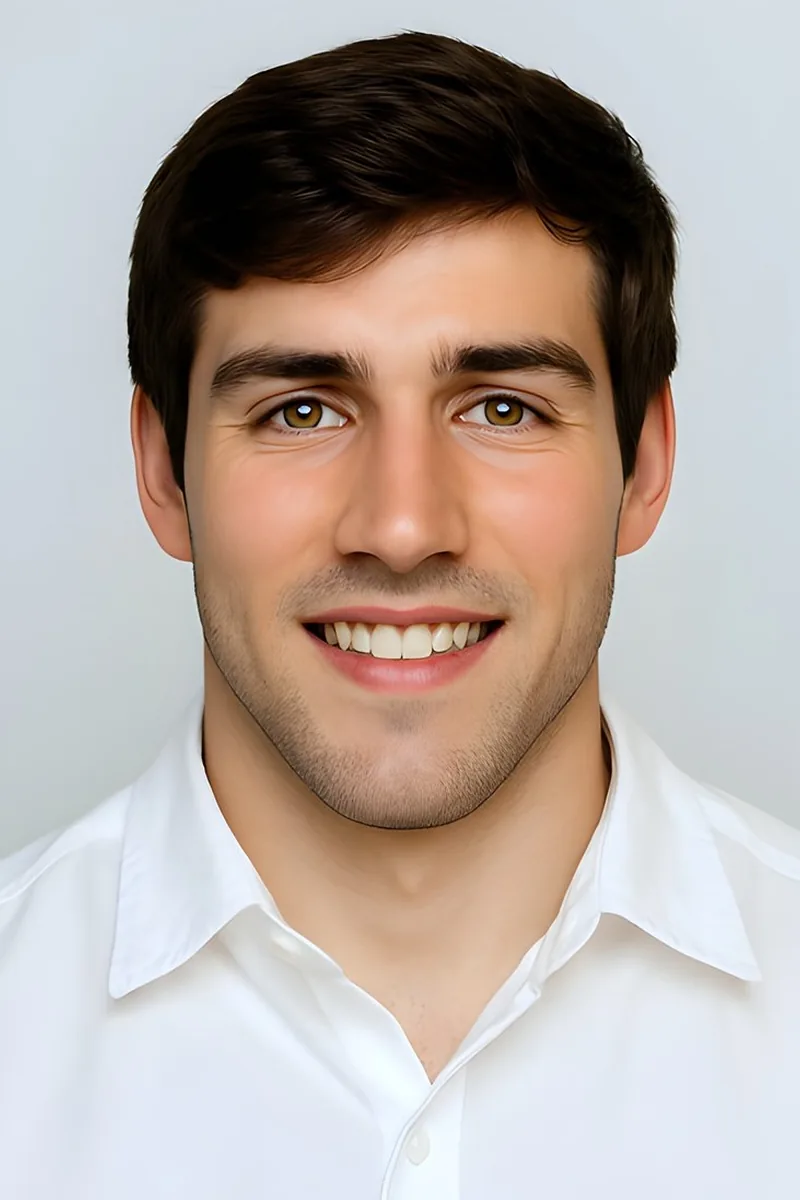
Heading to Columbia Medical School after completing his chemistry degree at Harvard, James brings a molecular-level understanding to life sciences topics like cell biology, genetics, and metabolic pathways. He's especially effective at connecting biochemical mechanisms to bigger biological concepts, making it easier to see how individual reactions drive processes like cellular respiration or DNA replication.
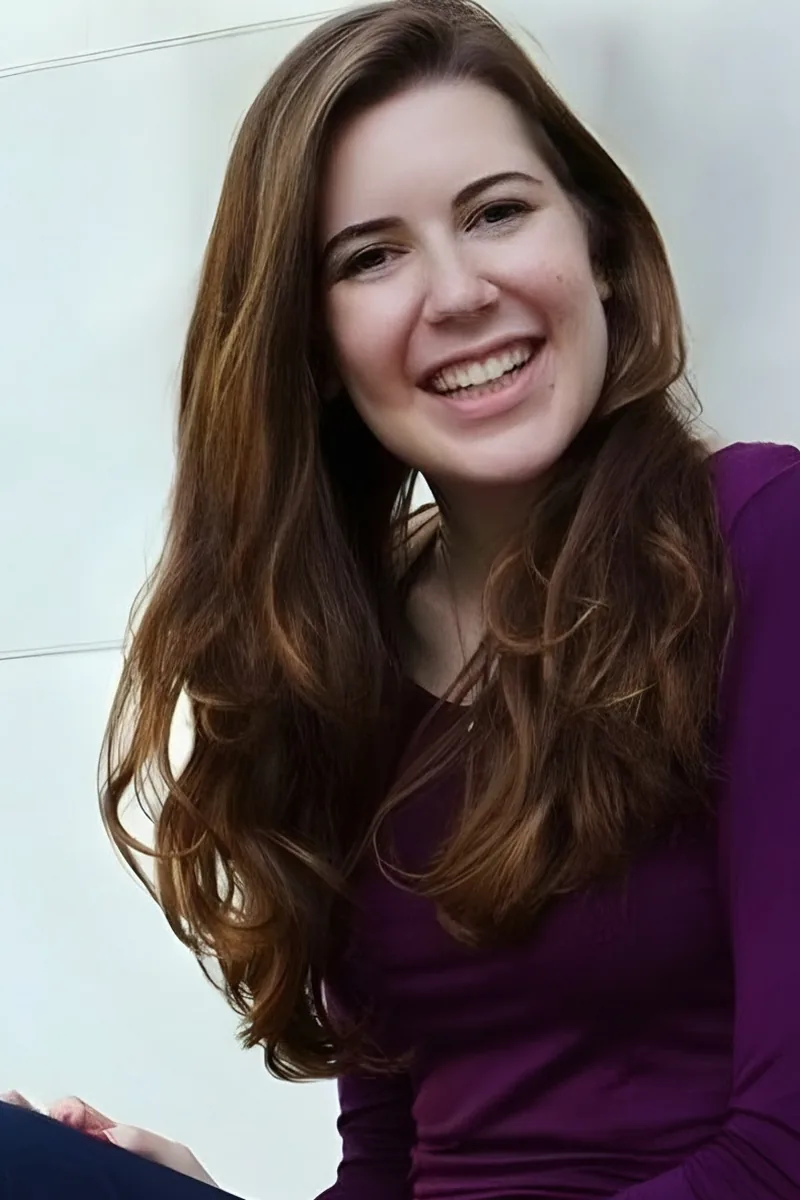
Between her molecular biology degree and her epidemiology graduate work, Emily has spent years immersed in life sciences at every scale — from DNA replication and protein synthesis up to ecology and population dynamics. She teaches students to trace cause-and-effect chains through biological systems, which turns a subject that can feel like pure memorization into something that actually makes sense.
Studying biology at Penn and now pursuing pre-health graduate work, Shayan has taken the full sweep of life sciences coursework — but his real strength is teaching through concrete examples, turning something like a hormone signaling cascade into a step-by-step story students can actually follow. His background in physiology, anatomy, and biochemistry means he can move fluidly between the cellular and systems levels depending on what a student's course demands. Holds a 5.0 rating.
Three years running a Cell Biology lab course at Notre Dame meant Connor didn't just learn life sciences content — he learned where students get stuck when they're trying to connect what happens under a microscope to the broader biological concepts driving an experiment. His master's work in biomedical sciences at Loyola Chicago deepened that range, adding layers of physiology and disease biology to his already strong cellular foundation. Holds a 5.0 rating.
From cellular respiration to population ecology, life sciences covers an enormous range of living systems — and Joseph's biology training at UCLA gave him deep fluency across all of it. His current public health work at Yale keeps him actively applying concepts like epidemiology, genetics, and organismal biology, so he teaches them as interconnected ideas rather than isolated chapters.
Biomedical engineering at Brown requires Phillip to treat biological systems as engineering problems — modeling how forces act on tissues, how signals propagate through nerves, and how chemical gradients drive cellular transport. That quantitative, systems-design perspective gives him a distinctive way of explaining life sciences concepts like homeostasis and organ system integration, where understanding the underlying mechanics makes the biology click. Rated 5.0 by students.
Josef's biology degree from Cornell centered on applying life science research to health outcomes, giving him a cross-disciplinary lens on everything from ecology and evolution to human physiology. He breaks down complex systems — nutrient cycling, population dynamics, cellular respiration — by connecting them to real-world applications rather than treating them as isolated textbook chapters.
Running a middle school science classroom in Philadelphia — and chairing the science curriculum — meant John had to make topics like ecosystems, heredity, and human body systems land for students who were encountering them for the first time. That experience teaching life sciences at the foundational level, backed by a Penn master's in Education, makes him especially effective at building clarity around the vocabulary-heavy, diagram-dense material that overwhelms students before they ever get to the deeper concepts. Rated 5.0 by students.
Kristin's path from a University of Chicago biology degree through nursing school means she's learned life sciences content twice — once as pure science and once as applied clinical knowledge. That dual exposure is especially useful for topics like human physiology and homeostasis, where she can explain not just how feedback loops or cellular transport mechanisms work, but what actually happens when they fail. Rated 5.0 by students.
From ecology and evolution to cell biology and physiology, life sciences courses demand comfort across a wide range of biological thinking. Vinay's UCLA molecular biology degree and current medical training mean he can connect microscopic processes — enzyme kinetics, membrane transport — to the organism-level and population-level questions that tie a life sciences curriculum together.
Medical school builds on every corner of life sciences — Annie spent her undergrad at UCLA studying physiological sciences, then deepened her molecular and cellular knowledge through research before starting her MD. That trajectory means she can trace a concept like membrane transport from the protein level up through organ systems and explain why it matters at each scale. Rated 5.0 by students.
Biochemistry and biophysics training means Zachary learned biology at the molecular level first — protein folding, enzyme kinetics, membrane dynamics — before scaling up to how those processes drive cell function and organism-level physiology. That bottom-up perspective is particularly useful when students need to understand why a metabolic pathway works, not just memorize its steps. Rated 5.0 by students.
Studying bioinformatics and stem cell science at Stanford meant Matthew had to trace biological questions across scales — from gene expression data and computational models down to how stem cells actually differentiate into specialized tissues. That cross-disciplinary training makes him especially effective at connecting the informatics and data-interpretation side of life sciences to the wet-lab biology students are expected to understand. Rated 4.9 by students.
Studying Environmental Science at Harvard means Alyssa lives in the life sciences — ecology, cell biology, genetics, and the interconnected systems that drive living organisms. She unpacks dense topics like cellular respiration and natural selection by tying them to real-world environmental case studies, which makes the material stick far better than rote memorization.
Studying neurobiology and behavior at Penn means Emily learned life sciences through the lens of how nervous systems drive everything from cellular signaling to complex animal behavior — a perspective that naturally bridges the molecular, physiological, and ecological levels most courses test. She's especially sharp at explaining topics like neural communication, homeostasis, and sensory processing by grounding them in real biological examples rather than abstract diagrams. Rated 5.0 by students.
From enzyme kinetics to population ecology to the central dogma of molecular biology, life sciences covers enormous ground. Eileen's neuroscience coursework at Vanderbilt keeps her fluent across these domains, and she's especially strong at showing how cellular-level processes scale up to explain whole-organism and ecosystem-level phenomena.
From cellular organization to ecosystem dynamics, life sciences asks students to think across scales — and that's where many get overwhelmed. Todd's undergraduate biology training at UIUC gave him a framework for connecting micro-level processes like osmosis and enzyme kinetics to the bigger picture of how organisms interact with their environments.
From cell division to organ systems to ecology, life sciences demand that students see biology at multiple scales simultaneously. Li's doctoral medical training and her undergraduate work in speech and hearing science mean she can walk through topics like homeostasis, genetics, and human physiology with the depth of someone who has studied living systems from the molecular level up.
A Master's in Biomedical Sciences and a biology undergraduate degree give Sarah deep fluency in everything from cell structure and genetics to ecology and human physiology. She unpacks dense life science material by tying abstract processes — like the electron transport chain or gene expression — to concrete, memorable examples that make exam answers come naturally.
Cancer research at Memorial Sloan-Kettering meant Kelly spent years watching cell biology play out in real time — tracking how cells divide, signal, migrate, and go wrong — which gives her an unusually concrete grip on the cellular and physiological processes that anchor life sciences coursework. Her PhD work and dual engineering degrees also trained her to think across scales, connecting molecular events like gene expression or protein interactions to tissue-level and organism-level outcomes. Rated 5.0 by students.
Brown's Health and Human Biology concentration means Nova is actively studying how molecular and cellular processes scale up to whole-organism function — exactly the kind of cross-level thinking life sciences courses demand. Her biology foundation is strong enough to earn a 5.0 tutoring rating, and she's particularly effective at connecting concepts like metabolism or gene expression to the health and physiological contexts that make them click.
Erica's Harvard degree in the History and Philosophy of Science taught her something most biology majors don't get — how to trace the reasoning behind scientific ideas, from early classification systems to modern genetics, and explain why each conceptual shift actually mattered. That skill translates directly when students need to understand not just what happens in a biological process like natural selection or cellular differentiation, but the logic connecting observation to explanation. Rated 4.9 by students.
Hawaiian monk seal research at Duke gave Emma firsthand experience with organismal biology, population pressures, and marine ecology — the kind of fieldwork where life sciences concepts like energy budgets and species conservation stop being abstract. Her biology degree covers the cellular and genetic fundamentals too, so she can connect a topic like DNA replication all the way up to why a seal population is declining in the wild. Rated 4.9 by students.
Cell biology, genetics, and ecology each demand a different kind of thinking — memorization for organelle functions, logic for Punnett squares, systems thinking for food webs. Simon's Environmental Studies background gives him particular strength in the ecological and organismal side of life sciences, and he connects molecular-level processes to the larger biological patterns students can actually observe.
Eric's degree in Ecology & Evolutionary Biology means he studied life sciences the way they actually play out — tracking how natural selection shapes populations, how species interactions structure communities, and how ecosystems respond to environmental change over time. That evolutionary lens is especially useful for students who need to understand not just what biological processes do, but why they exist in the first place.
A molecular biology degree gives Andrew deep fluency in the core life sciences — ecology, genetics, cellular respiration, and the interconnected systems that keep organisms functioning. He breaks down complex processes like photosynthesis or DNA replication into clear, logical steps so students can trace cause and effect rather than relying on rote memorization. Rated 4.8 by students.
Nima's physics training at Duke gives him an unusual angle on life sciences — he's wired to think about biological systems in terms of energy transfer, forces, and quantitative reasoning, which is exactly what clicks for students who struggle with purely memorization-heavy approaches. His AP Biology and AP Environmental Science teaching experience means he can connect physical principles to topics like cellular energetics, gas exchange, and ecosystem dynamics in ways that make the underlying logic visible.
Public policy might seem distant from biology, but Noel's University of Chicago coursework in policy analysis required dissecting scientific evidence — reading studies on public health, evaluating claims about environmental systems, and understanding how biological processes inform real-world decisions. That analytical training translates well when breaking down life sciences topics like ecosystems, human body systems, or genetics for students who need to understand the reasoning behind the facts, not just the vocabulary.
A PhD in neuroscience means Elliot has spent years tracing biological processes across scales — from ion channels and synaptic signaling up through neural circuits and behavior — which is exactly the kind of multi-level thinking life sciences courses demand. He's especially sharp at teaching how cellular mechanisms like membrane transport and signal transduction produce the system-level outcomes students are expected to explain on exams. Holds a 5.0 rating.
Jhonatan's neuroscience specialization means he spent years tracing how biological processes at the molecular and cellular level — ion channels, synaptic signaling, neural circuit formation — produce the complex behaviors and physiological responses that life sciences courses ask students to explain. That training makes him especially effective at teaching the nervous and endocrine system chapters where students often struggle to connect chemistry to biology. Rated 5.0 by students.
Computational neuroscience sits at the intersection of biology, math, and data — and Gabriel's undergraduate research in electrophysiology at NYU's Center for Neural Science means he can unpack topics like cellular signaling, neural circuitry, and systems-level physiology from firsthand lab experience. He also teaches biostatistics at the college level, so students tackling experimental design or data interpretation in life sciences courses get someone who connects the quantitative side to the biological concepts.
From ecology and evolution to human physiology, life sciences courses cover enormous ground, and Katherine's background ties many of those threads together. Her Harvard neurobiology degree and 96th-percentile MCAT performance mean she can walk through everything from population dynamics to cellular metabolism with real precision. Students working with her consistently rate her 5.0.
From molecular biology to ecology, life sciences covers an enormous range, and Lenique's Duke biology training gave her depth across the full spectrum. She's particularly skilled at unpacking how cellular processes — membrane transport, enzyme regulation, DNA transcription — scale up to explain what happens at the organism and ecosystem level.
Cornell's Human Biology program trained Sharon to see living systems through a health lens — understanding how genetics, cell biology, and physiology converge in real human outcomes like disease, development, and reproduction. Now in her final year of medical school with an Ob/Gyn focus, she teaches life sciences concepts by grounding them in clinical examples that make topics like hormonal regulation and embryonic development tangible rather than abstract. Rated 5.0 by students.
Ecology, cell biology, genetics, physiology — life sciences covers enormous ground, and Sarah's biology coursework at WashU, paired with her Global Health and Environment concentration, ties these threads together. She's particularly strong at connecting molecular-level processes to organism- and population-level outcomes, which is exactly the kind of thinking life sciences courses demand.
Studying tiger ecology and population dynamics for her doctorate, Karann applies life sciences concepts — energy flow, ecosystem interactions, organismal physiology — as working tools, not just exam material. She breaks down topics like nutrient cycling or community ecology by grounding them in real field research examples.
Public health graduate work at George Washington University taught Nicki to think about biology through an epidemiological lens — how cellular and physiological processes scale up to affect entire populations, and why understanding mechanisms like immune response or disease transmission matters beyond the textbook. That population-level perspective gives her a practical angle on life sciences topics that resonates with students who want to know why any of this matters in the real world. Holds a 5.0 rating.
A neuroscience major at Penn, Daniel tackles life sciences from the molecular level up — enzyme kinetics, cell division, ecological systems, and everything in between. He connects concepts across biological scales so students see how a mutation in a single gene can ripple through tissues, organisms, and populations.
Rashida's PhD in Cellular and Molecular Biology means she's spent years teaching the exact topics that anchor life sciences courses — Mendelian genetics, cell biology, and biochemistry — through leading discussion sections and building practice materials that zero in on where students actually get stuck. Her plant genetics background adds a less common angle: she can illustrate concepts like gene expression, inheritance patterns, and cellular differentiation using real examples from organismal biology that make textbook diagrams feel grounded. Rated 5.0 by students.
Before becoming a tutor, Rebecca taught high school biology in Detroit, where she built lessons around the ecological and organismal concepts — food webs, nutrient cycling, interdependence between species — that form the backbone of most life sciences curricula. Her certification in secondary biology and her architecture background give her an unusual knack for teaching students to visualize biological structures and systems spatially, turning flat textbook diagrams into something that actually makes sense.
Testimonials
Because the right Life Sciences tutor makes all the difference.
Average Session Rating – Based on 3.4M Learner Ratings
Top 20 Science Subjects


Top 20 Subjects
Frequently Asked Questions
Students often find cellular and molecular biology challenging—particularly understanding how DNA replication, protein synthesis, and cellular respiration work at a mechanistic level rather than just memorizing steps. Ecology concepts like energy flow through ecosystems, population dynamics, and evolutionary mechanisms also require strong systems thinking that doesn't come naturally to everyone. Additionally, anatomy and physiology demand both memorization of structures and understanding of how those structures enable function, which is a different cognitive skill than most students develop on their own.
The key is connecting structures to functions and mechanisms—rather than memorizing that mitochondria produce ATP, you should understand *why* the inner membrane's cristae structure enables efficient electron transport. Tutors help by asking probing questions that force you to explain the 'why' behind processes, using diagrams and models to visualize what's happening at the cellular level, and applying concepts to real scenarios (like how altitude affects oxygen availability and cellular respiration). This approach builds genuine understanding that transfers to new problems instead of rote recall that fails on application questions.
Tutors can help you understand the scientific reasoning behind lab procedures—not just follow steps, but grasp why you're using specific techniques, what controls and variables matter, and how to interpret unexpected results. They can also strengthen your ability to design your own experiments by teaching you to identify testable hypotheses, predict outcomes based on biological principles, and troubleshoot when results don't match expectations. This builds the experimental thinking skills that are just as important as content knowledge in Life Sciences.
Many Life Sciences concepts are invisible to the naked eye—protein folding, enzyme-substrate interactions, or how action potentials propagate along neurons. Tutors use multiple strategies to make these concrete: drawing detailed diagrams, using physical or digital models, breaking down processes into step-by-step animations, and relating abstract mechanisms to observable phenomena you can connect to. For example, understanding that hemoglobin's shape change enables oxygen binding becomes clearer when you see the actual conformational shift rather than just reading about it.
Strong Life Sciences tutors need deep subject knowledge—ideally a background in biology, biochemistry, or a related field—so they can explain not just what happens but why at a mechanistic level. They should also be skilled at translating complex processes into clear explanations, using visuals and analogies effectively, and asking questions that push students toward understanding rather than memorization. Experience with lab work or research is valuable because it means they understand the experimental side of Life Sciences, not just the textbook concepts.
Introductory courses (like general biology) focus on building foundational understanding of core systems—cells, genetics, evolution, ecology—and establishing strong study habits and conceptual frameworks. Advanced courses (like biochemistry, molecular biology, or physiology) assume that foundation and dive deeper into mechanisms and quantitative problem-solving, so tutoring emphasizes connecting concepts across units, working through complex multi-step problems, and developing the analytical thinking required for research or professional work. The tutor's role shifts from building basics to refining mastery and helping you think like a scientist.
Effective preparation requires two types of practice: first, making sure you can explain mechanisms and processes in your own words (not just recognize them), and second, applying those concepts to novel scenarios you haven't seen before. Tutors help by creating practice questions that mirror exam difficulty, identifying gaps in your understanding before the exam, and teaching you to break down complex questions into manageable parts. They also help you distinguish between questions testing recall versus reasoning, so you develop strategies for each type.
Understanding photosynthesis or immune response becomes more meaningful when you see how those processes relate to agriculture, disease, medicine, or environmental challenges. Tutors can ground abstract concepts in real examples—like explaining natural selection through antibiotic resistance in bacteria, or enzyme kinetics through how your body metabolizes drugs—which both deepens understanding and shows why these concepts matter beyond the exam. This approach also helps you retain information longer because it's connected to meaningful context rather than isolated facts.
Let’s find your perfect tutor
Answer a few quick questions. We’ll recommend the right plan and match you with a top 5% tutor.