Award-Winning Japanese Tutors
serving Seattle, WA
Japanese
Tutors in Seattle
Private 1-on-1 tutoring, weekly live classes for academic support, test prep & enrichment, practice tests and diagnostics, and more to elevate grades and test scores.
Based on 3.4M Learner Ratings
UniversitiesSchools & Universities
DeliveredHours Delivered
ProficiencyGrowth in Proficiency
Who needs tutoring?
No obligation. Takes ~1 minute.
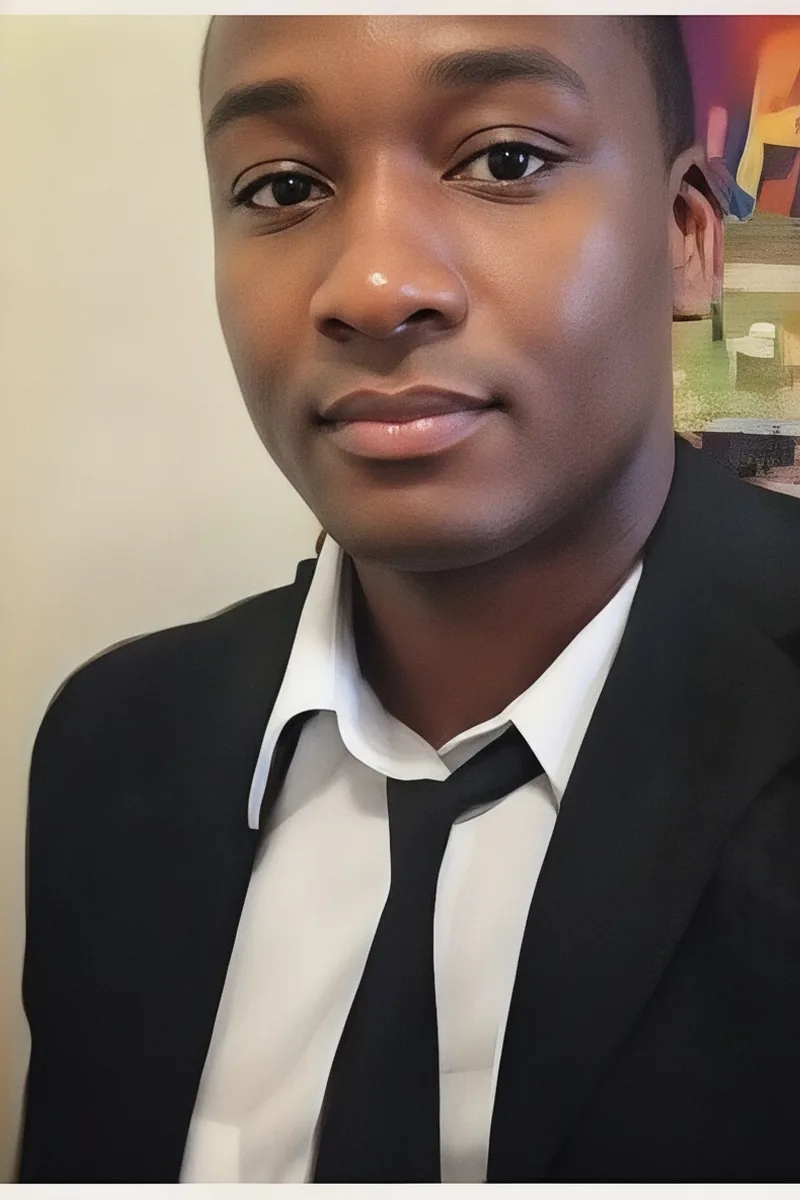
Damien studied Asian studies at Cornell, where Japanese language and culture were central to his coursework. He approaches the language by grounding grammar patterns — particles like は versus が, verb conjugation groups, and sentence-ending forms — in real context so they stick. Rated 5.0 by students, he makes the jump from textbook exercises to actual comprehension feel manageable.
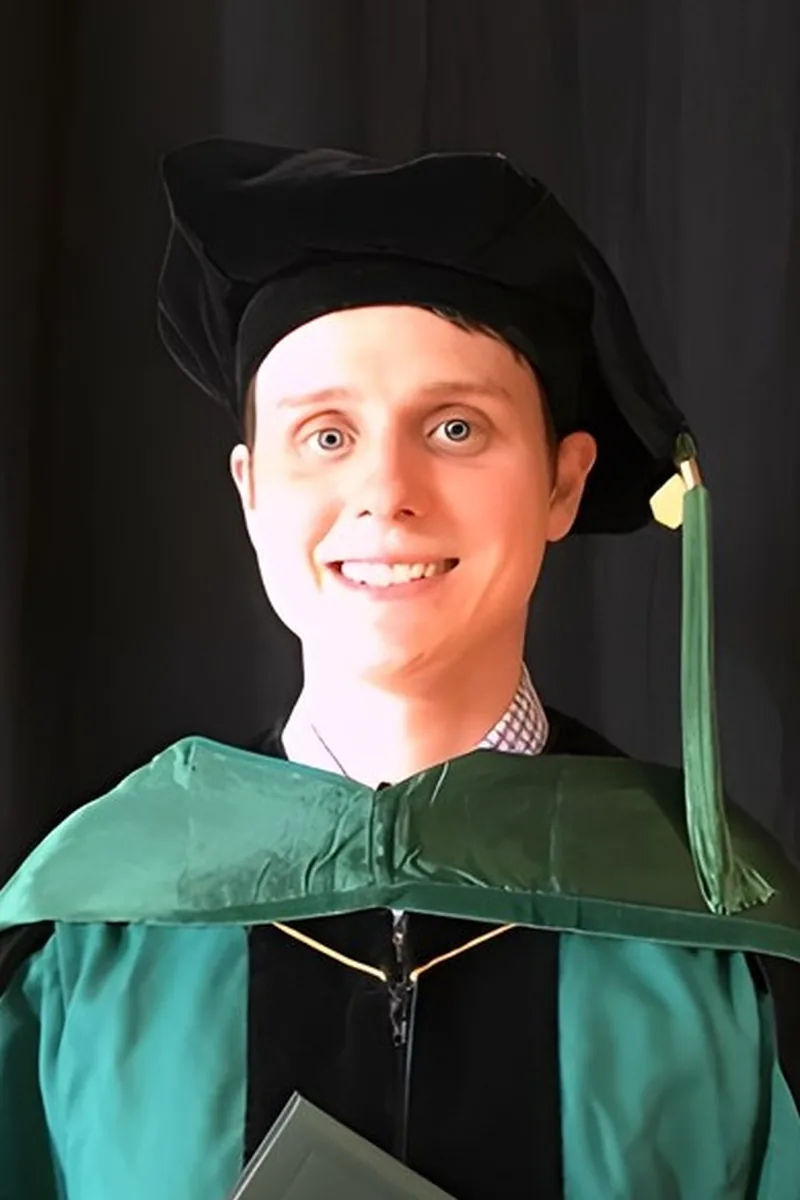
Having majored in Japanese at SUNY Albany, James doesn't just know the language — he understands the grammar architecturally, from particle usage and verb conjugation tiers to the nuances of honorific speech. He teaches reading and writing through cultural context, connecting kanji compounds to their historical roots so students retain them long-term rather than cramming and forgetting. Rated 4.9 by students.
Earning a full bachelor's degree in Japanese — not just a minor or a few semesters — means Jina can teach well beyond survival phrases into kanji readings, grammar particles like は vs. が, and the nuances of keigo (formal speech). She brings the same analytical rigor from her science training to breaking down sentence structure and verb conjugation patterns.
Learning Japanese means juggling three writing systems, a grammar structure that's the reverse of English, and cultural nuances that change how you speak depending on who you're talking to. Natasha taught Japanese at the high school level and lived in Japan teaching in elementary schools, giving her the kind of practical fluency that makes hiragana drills, particle usage, and conversational practice feel grounded in real life. She's 5.0-rated and works with beginners through advanced learners.
Having completed an Asian Languages minor at UCLA, Abrahim brings formal training in Japanese grammar, kanji acquisition, and reading comprehension to his tutoring. He approaches the language methodically — building from particle usage and verb conjugation patterns up to reading authentic texts — which works especially well for students who want structure rather than immersion-only learning.
Sho teaches Japanese with attention to the details that trip up English speakers most — particle usage, verb conjugation groups, and the shift between casual and polite registers. Whether a student is learning hiragana for the first time or working through intermediate kanji and grammar patterns, he brings structured practice to a language that rewards consistency.
Learning Japanese means juggling three writing systems, unfamiliar sentence structures, and layers of politeness that don't exist in English. Aki breaks down hiragana, katakana, and basic kanji recognition alongside grammar patterns like particle usage and verb conjugation, building reading and conversational skills in parallel.
I am currently finishing my thesis. For the past two years I was an adjunct instructor at The City College of New York, teaching statistics and introductory neuroscience, where I learned the importance of communicating complicated concepts clearly at an individualized level. All of my classes performed above average, and I discovered how satisfying it is to help people understand difficult ideas. I've found that by creating a good rapport with my students I am able to more effectively impart difficult concepts to them while causing them less stress. My passion is people, which first led me to study psychology, leading to my work in statistics, and later into teaching.
Having prepared for and taken the SAT Subject Test in Japanese with Listening, Dylan brings practical fluency in grammar structures like particle usage, verb conjugation groups, and honorific registers. He tackles reading comprehension by teaching students to decode kanji compounds in context rather than relying purely on rote memorization. Rated 5.0 by students.
As a native Japanese speaker with over fifty years of fluency in reading, writing, and conversation, Hatsuki teaches the language the way it's actually used — from particle usage and keigo (honorific speech) to the nuances between hiragana, katakana, and kanji in everyday contexts. She currently lives in the U.S. with her family, giving her a natural understanding of where English speakers stumble with Japanese grammar and pronunciation.
Hi! It's Wataru. I am originally from Japan and have been living in New York since 2000. I had a career as an industrial newspaper pressman/editor in Tokyo so that I know newspaper level strict grammar and manner of business speech. I watch anime and I can talk about Japanese subculture with you if you like. I have been teaching Japanese language in person and online. I have taught from beginners to JLPT N3 certificate prep students. I've taught American, Canadian, English, Indian, German, Australian, Mexican, and so on. Teaching is one of my way to feel the joy of supporting people. I'll help you master the language and dive into Japanese culture and subculture. Once you start to think in Japanese, you will notice that your way of communication changes. English is good for business, law, and science while Japanese is more about sharing feelings. The waiters in Japan may be reluctant to serve your table, but my students prepare well to make them feel at ease and they have fantastic travel in Japan.
Most students stall in Japanese once they move past hiragana and katakana into kanji recognition and grammatical particles like は versus が. Wahala minors in Japanese at Indiana University Bloomington and treats the language as a system to decode — connecting sentence structure, verb conjugation patterns, and cultural context so that reading and conversation reinforce each other.
Testimonials
Because the right Japanese tutor makes all the difference.
Average Session Rating – Based on 3.4M Learner Ratings
Other Seattle Tutors
Related Languages Tutors in Seattle
Frequently Asked Questions
Your first session is focused on understanding your current level, goals, and learning style. A tutor will assess your speaking, listening, reading, and writing skills, then discuss whether you're preparing for a specific exam, aiming for conversational fluency, or working through a school curriculum. This helps create a personalized learning plan tailored to your needs.
In a classroom setting, students often get limited speaking time. With personalized 1-on-1 instruction, you have consistent, uninterrupted practice speaking with an expert tutor who can provide real-time feedback on pronunciation, grammar, and natural phrasing. This focused speaking practice accelerates fluency development and builds confidence in real conversations.
Japanese verbs change based on tense, politeness level, and context—making conjugation one of the most difficult aspects for learners. A tutor can break down these patterns systematically, show you how they're used in real situations, and provide targeted practice so conjugation becomes intuitive rather than something you memorize. This approach helps you move from rule-following to natural usage.
Effective vocabulary retention relies on spaced repetition, contextual usage, and active recall—techniques that are difficult to implement alone. A tutor can introduce new words in meaningful contexts, quiz you strategically over time, and connect kanji to their component meanings and real-world usage. This personalized approach helps you build a lasting vocabulary foundation faster than studying alone.
Language and culture are deeply connected. Understanding Japanese honorifics, social hierarchy reflected in speech levels, and cultural references helps you communicate authentically and avoid unintended offense. Expert tutors weave cultural insights into lessons, helping you understand not just what to say, but when and how to say it appropriately in different contexts.
Absolutely. Whether you're in a Seattle public school or private institution, a tutor can reinforce what you're learning in class, clarify challenging grammar concepts, provide extra speaking practice, and help you prepare for tests and presentations. Many students benefit from personalized instruction that complements their classroom learning and fills gaps in their understanding.
Pronunciation requires consistent feedback from a native or near-native speaker—something that's hard to get on your own. A tutor can identify your specific pronunciation challenges, model correct intonation and accent patterns, and give you immediate corrections during conversation practice. Over time, this targeted feedback helps you develop more natural-sounding Japanese.
The Foreign Service Institute estimates that English speakers need approximately 2,200 hours of study to reach professional proficiency in Japanese. However, your timeline depends on your starting level, study frequency, and immersion opportunities. With consistent personalized tutoring combined with self-study, many students achieve conversational ability within 6-12 months of regular practice.
Let’s find your perfect tutor
Answer a few quick questions. We’ll recommend the right plan and match you with a top 5% tutor.