Award-Winning Elementary School Reading Tutors
serving Seattle, WA
Elementary School Reading
Tutors in Seattle
Private 1-on-1 tutoring, weekly live classes for academic support, test prep & enrichment, practice tests and diagnostics, and more to elevate grades and test scores.
Based on 3.4M Learner Ratings
UniversitiesSchools & Universities
DeliveredHours Delivered
ProficiencyGrowth in Proficiency
Who needs tutoring?
No obligation. Takes ~1 minute.
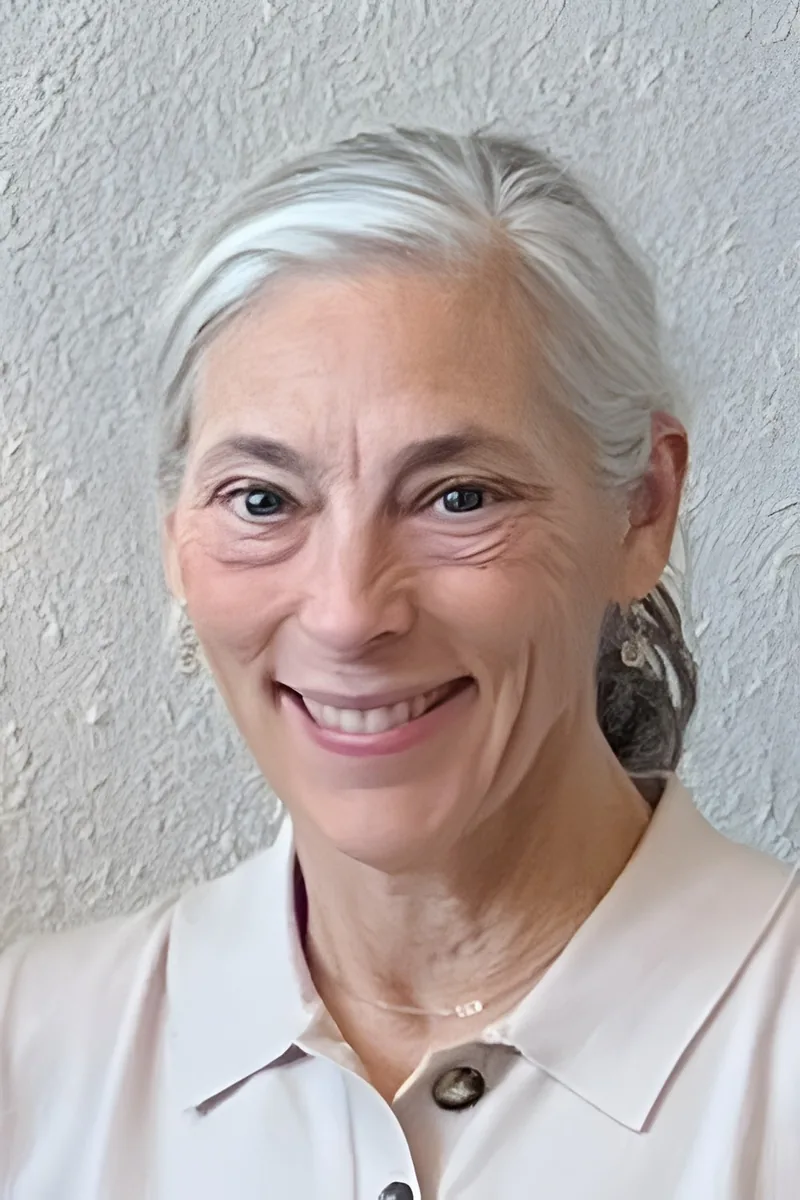
I am a native Seattleite, who graduated from Seattle Pacific University with a bachelor's degree in psychology and Elementary Education (K-8). I later received my master's degree in social work from the University of Washington. I taught grades 1-3 in Boston, Massachusetts (private school) and in Monroe, Washington (public school). I am passionate about helping children navigate through life both educationally and emotionally and found great satisfaction in working in Social Services for 11 years in a non-profit that provided mentors for children from single parent homes. While I was raising my children, I began tutoring Reading part time in public schools and found that I absolutely love working with emerging readers in small groups or one to one. It is extremely satisfying helping a child become a strong reader as it influences their success in every subject area. I try to instill a love for books in my students, while using humor and positive encouragement. I strongly believe that children need support at home, both by being read to and reading to their family members. I am enjoying working with students to provide phonics-based early reading education
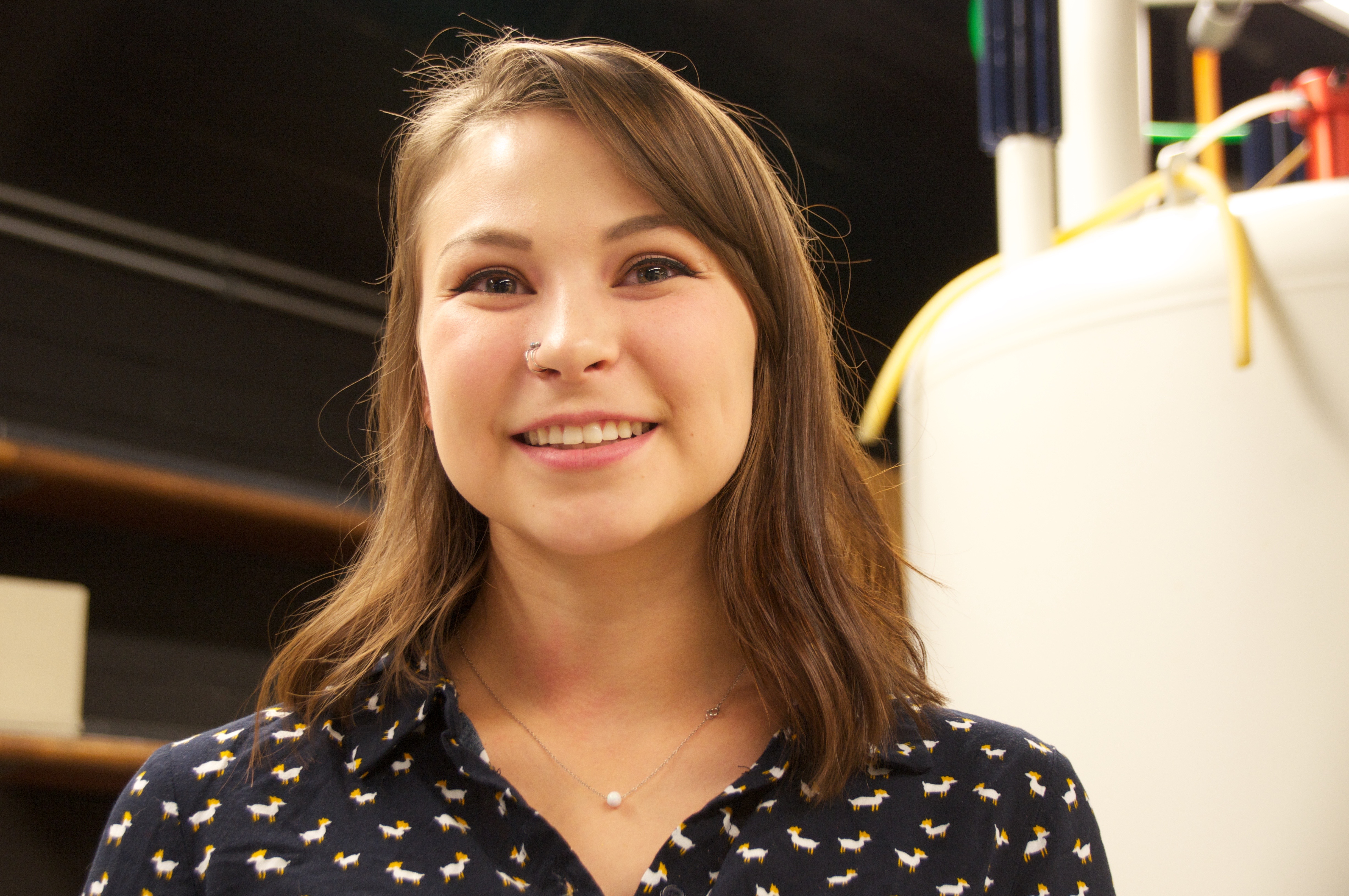
Currently, I am a Research Technician at New Mexico State University in Las Cruces, NM. I have tutored as an undergraduate student, and I have been the lead TA for General Chemistry courses at UC Berkeley. Chemistry is one of my passions, and I would love to share my experience!
I am a graduate of the University of Pennsylvania with a Masters degree in Education and have been an Elementary and Middle School educator for over thirty years. I have worked with students in the inner city, suburbs, Appalachia, and Deep South. I love teaching and children, and have discovered my passion in tutoring students who are struggling in Reading and Math. I have taught children with learning disabilities to read, and coached students with dyscalculia in math and reading. I worked as a principal for the past eight years, so was working with students from Pre-K to 8th grade, coaching teachers, analyzing data, and tutoring individual students in math and reading. I have worked as a national park ranger in the past, so social studies and history are areas of strength. Students that I teach respond well to my teaching style and enjoy working with me. I believe that education is extremely important for children's futures and do everything that I can to help them be successful.
Early reading clicks when a child starts connecting sounds to letters and letters to meaning — and that progression needs to feel like discovery, not drill. Helen teaches phonics, sight word recognition, and basic comprehension strategies by weaving them into stories kids actually want to read. Her science background also means she's great at introducing nonfiction texts about animals, weather, and the human body to spark curiosity.
Getting an early reader to move from decoding words to actually understanding a story is a specific skill, and Marie's English background gives her a deep toolkit for it. She breaks down reading into manageable pieces — phonics patterns, context clues, making predictions — so that kids build real confidence with every book they pick up.
Before a child can analyze what they read, they need to feel comfortable with the basics: decoding unfamiliar words, retelling what happened, and connecting a story to their own experience. Tsering's tutoring experience across elementary grade levels means she knows how to match reading strategies to where a student actually is in that progression.
Early reading confidence comes from cracking the code — phonics, sight words, and fluency — but it sticks when a kid actually enjoys the story. Angela pairs foundational decoding skills with read-aloud strategies and comprehension questions that keep young readers curious about what happens next. Her experience working with K-12 students means she adjusts pacing and difficulty on the fly.
Update: I completed a two-month full-time guest teacher assignment teaching World Languages Spanish to high school students (9th-12th) Spanish 1/2/3. By utilizing a student-centered learning approach, cultural competence, and equitable teaching, I support students with pedagogy rooted in inquiry, hypothesis, information gathering, problem-solving, and action. I encourage all students to adopt an open-minded approach, and provide support to gifted students, students with disabilities, English Language Learners, and Multilanguage Learners with equity. "Not everything that is faced can be changed, but nothing can be changed until it is faced." James Baldwin I am in my second year of grad school, pursuing a dual master's degree in K-8 Elementary Education and K-12 Special Education (Mild to Moderate Disabilities). With my education grad studies and BFA from the Rhode Island School of Design (RISD), I synthesize creativity and best practices in education to find creative ways of supporting learners. My pursuit and purpose is to guide with compassion and enthusiasm. I encourage students to take ownership of their learning. By promoting student agency, students empower themselves to achieve in academic, social, emotional, and behavioral development. As an ADHD adult, I enjoy working with ADHD students and adults experiencing anxiety + depression. What is effortful for our neurodivergent brains is also our superpower! In my career, I have lived and worked in NYC as an editorial photographer, actor, and dancer. I lived in Berlin and pursued performance art + music while honing my communications skills in digital art + copywriting in Marketing. In Los Angeles, I succeeded as a commercial and theatrical actor. My skill set is suited for collaboration with all students to support and develop their passion for learning, exploration, and critical thinking. I live in southeastern Washington State and teach in northeastern Oregon and southeastern Washington State public school districts. I support students in the following subjects: Elementary School Reading Elementary School Math AP English High School English Middle School English Middle School Math Digital Media & Graphic Design Fine Arts & Filmmaking Creative Writing Study Skills & Organization German 1/2 Spanish 1/2/3 Spanish Language Arts English Language Learners English Language Development Algebra 1/2 Special Education (all subjects) High School Math "We all have ability. The difference is how we use it." Stevie Wonder Thank you for reading! Ms. Anna C.
Sherry is pursuing a master's in speech-language pathology at Columbia's Teachers College, which means she understands the cognitive mechanics behind how young readers decode words, build fluency, and develop comprehension. She teaches phonics patterns, sight-word recognition, and read-aloud strategies tailored to each child's reading level. Her 5.0 rating speaks to how well she connects with elementary-age learners.
Reading intervention has been a core part of Molly's classroom work across 2nd, 3rd, and 4th grade, so she's fluent in phonics-based decoding, sight word fluency, and comprehension strategies like predicting and retelling. She pulls from multiple curricula to match the approach that clicks for each reader rather than defaulting to one program.
Learning to read at the elementary level involves juggling phonics, sight words, fluency, and comprehension all at once — and each child's mix of strengths looks different. Yan identifies which piece needs the most attention and builds targeted practice around it, whether that's decoding multisyllabic words or retelling a story's key events in order. Her four years teaching in elementary classrooms gave her a deep toolkit for making reading click.
Teaching a young reader to decode words is only half the job — the other half is making reading feel rewarding. Kevin pairs phonics and fluency practice with age-appropriate stories that spark curiosity, so students build speed and comprehension at the same time. His experience creating a summer tutoring program for younger students gave him a practical toolkit for keeping elementary readers motivated.
Three years of elementary classroom teaching taught Arielle exactly where young readers stall — whether it's fluency, vocabulary, or comprehension of what they just read. She connects decoding skills to meaning-making so students aren't just pronouncing words but actually understanding stories and informational texts. Her Child Development training from Yale informs how she adapts strategies for each reader's developmental stage.
Andrew's own wide-ranging reading habits — from Mandarin texts to AP-level political analysis — give him a genuine curiosity about language that younger readers pick up on quickly. He teaches elementary students to tackle unfamiliar words by breaking them into smaller parts and to check their own understanding by pausing to summarize what just happened on the page. Rated 4.9 by families he's worked with.
Object-based learning — examining a picture, artifact, or illustration before diving into text — is one of the most effective ways to build reading skills in younger students. Mimi developed this technique through years of museum education work and refined it during her master's program at Harvard. She applies it to phonics, vocabulary, and comprehension so that early readers connect words to meaning, not just sound.
Early reading skills like phonics, fluency, and basic comprehension set the trajectory for everything that comes after in school. Sugi's cognitive science degree from Rice included extensive study of how the brain acquires language, giving her practical insight into why some students struggle with decoding or retention — and what specific techniques actually move them forward.
Through her nonprofit work educating families in Ecuador, Vanessa has seen firsthand how foundational early reading skills shape everything that comes after. She builds young readers' confidence by connecting phonics, vocabulary, and comprehension to stories that genuinely interest them — turning reading from a chore into something a child wants to do on their own.
Phonics, sight words, fluency, comprehension — early reading involves a lot of moving parts, and every child hits different sticking points. Mackenzie identifies where a young reader is getting tripped up and tailors each session around that specific skill, whether it's decoding multisyllable words or retelling a story in sequence.
Before a student can analyze a novel, they need to decode vocabulary in context, make predictions, and distinguish main ideas from supporting details. Erinrose's years teaching English across grade levels — from Philadelphia public schools to a Connecticut prep school — mean she knows how to match reading strategies to a child's current skill level and push just beyond it.
Building real reading confidence at the elementary level means more than just decoding words — it means learning to make predictions, ask questions about characters, and connect stories to personal experience. Vivian teaches these comprehension strategies explicitly, giving young readers tools they can use every time they pick up a book.
Testimonials
Because the right Elementary School Reading tutor makes all the difference.
Average Session Rating – Based on 3.4M Learner Ratings
Other Seattle Tutors
Related English Tutors in Seattle
Frequently Asked Questions
Many elementary readers struggle with phonics and decoding in the early grades, while older elementary students often hit a wall with comprehension and fluency as texts become more complex. Other common challenges include difficulty with sight words, trouble understanding main ideas versus details, and anxiety around reading aloud in class. Personalized 1-on-1 instruction can target each student's specific gaps, whether that's building foundational skills or developing deeper comprehension strategies.
The first session focuses on understanding your child's current reading level, learning style, and specific challenges. A tutor will assess areas like decoding ability, fluency, comprehension, and confidence to create a personalized plan. This diagnostic approach ensures that subsequent sessions build on the right foundation rather than using a one-size-fits-all method.
Tutors teach evidence-based comprehension strategies like previewing texts, asking questions while reading, visualizing scenes, and summarizing key ideas. They also provide guided practice with texts at your child's level, offering immediate feedback and discussion to deepen understanding. Regular practice with these strategies, combined with personalized guidance, helps students move from decoding words to truly understanding what they read.
Fluency is the ability to read smoothly and with appropriate speed and expression, while comprehension is understanding what you've read. Both are essential—struggling readers often focus so hard on sounding out words that they miss meaning. Tutors address both skills together, using techniques like repeated reading, modeling fluent reading, and building automaticity with sight words so students can focus mental energy on understanding rather than decoding.
Seattle's nine school districts follow similar foundational reading frameworks based on research-backed approaches to literacy instruction. Tutors who work with Seattle students understand these frameworks and can reinforce what's being taught in class while filling individual gaps. Whether your child attends a school in the Seattle Public Schools district or another local district, personalized tutoring complements classroom instruction and helps students keep pace with grade-level expectations.
Yes. Students reading below grade level often benefit most from personalized 1-on-1 instruction because tutors can slow down, break skills into smaller steps, and build confidence alongside competence. Rather than keeping pace with a class of 15+ students, your child gets targeted practice on foundational skills—phonemic awareness, phonics, sight words—at their own speed. Many students catch up and regain confidence when they receive consistent, individualized support.
Your child's teacher can provide insight through classroom assessments, reading level benchmarks, and report cards. Tutors also conduct their own assessments during the first session to understand decoding ability, fluency, and comprehension. These assessments help identify whether your child is on track, needs acceleration, or requires additional support—and they guide the tutoring plan going forward.
Varsity Tutors connects you with tutors who have expertise in elementary reading instruction and understand the needs of students in Seattle. After you share information about your child's reading level and goals, you'll be matched with a tutor who can provide personalized instruction tailored to your child's learning style. From there, you can schedule sessions that fit your family's schedule and begin building stronger reading skills.
Let’s find your perfect tutor
Answer a few quick questions. We’ll recommend the right plan and match you with a top 5% tutor.