Award-Winning AP Spanish Literature and Culture Tutors
serving Seattle, WA
AP Spanish Literature and Culture
Tutors in Seattle
Private 1-on-1 tutoring, weekly live classes for academic support, test prep & enrichment, practice tests and diagnostics, and more to elevate grades and test scores.
Based on 3.4M Learner Ratings
UniversitiesSchools & Universities
DeliveredHours Delivered
ProficiencyGrowth in Proficiency
Who needs tutoring?
No obligation. Takes ~1 minute.
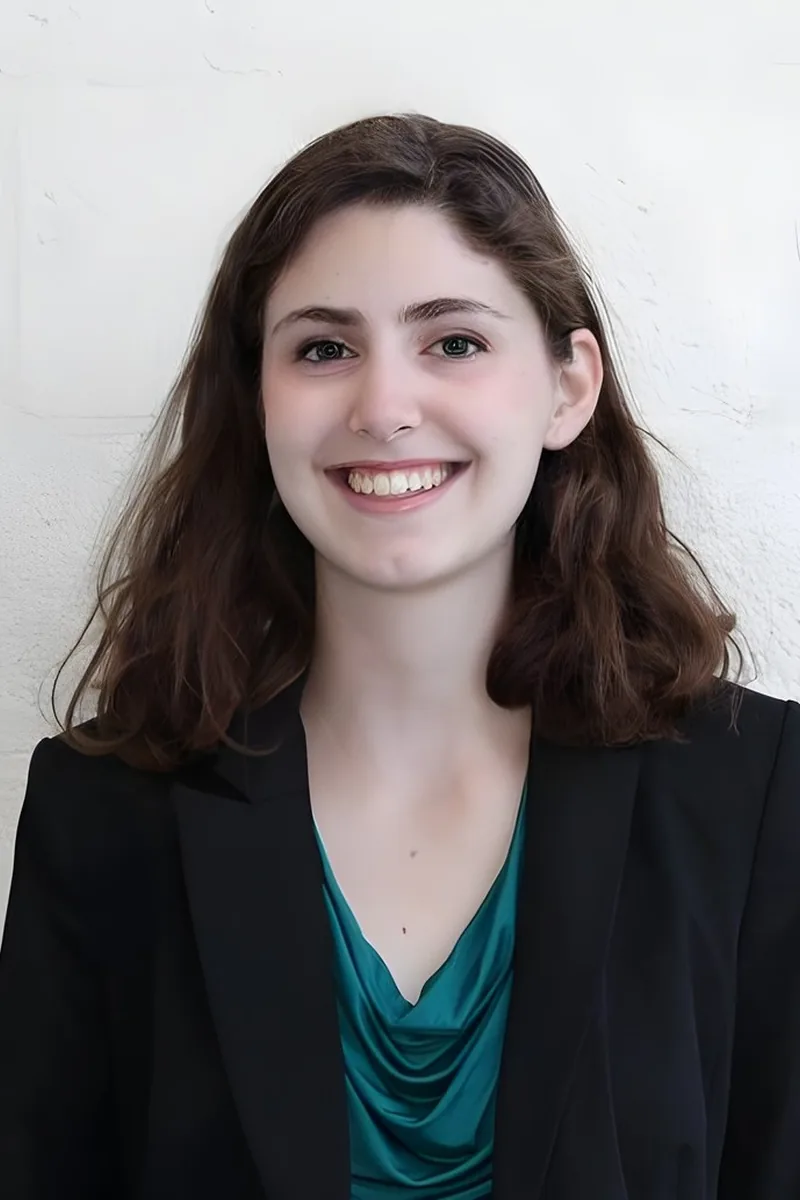
Studying psychology alongside Spanish through AP-level coursework gives Marissa a particular angle on the reading list's most character-driven texts — she's sharp at teaching students how to articulate a character's internal conflict or a poet's emotional logic in timed analytical essays written entirely in Spanish. Her 35 ACT reflects the kind of disciplined, evidence-based reasoning she brings to constructing thesis statements and weaving in textual support under exam pressure.
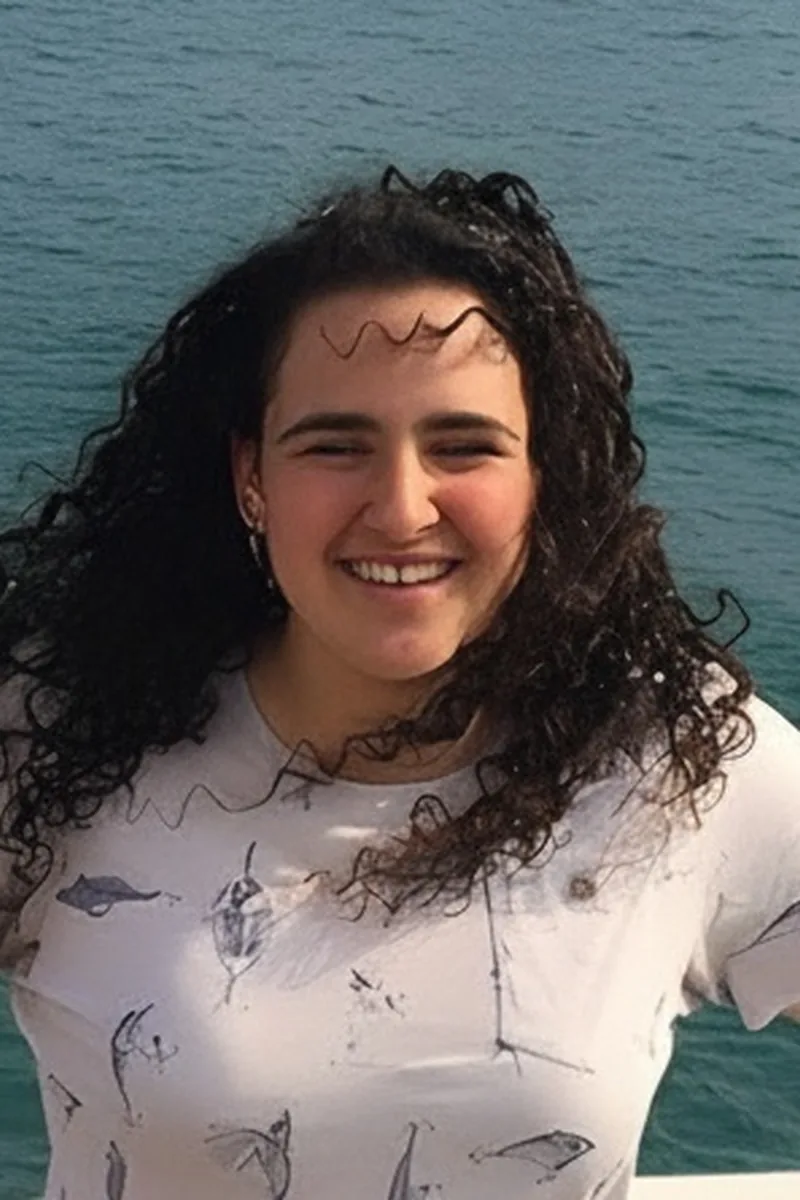
Iris's University of Chicago training in History and Philosophy of Science taught her to trace how ideas move across cultures and time periods — a skill that translates directly to the AP exam's thematic units, where students must connect a Borges story or a Sor Juana poem to broader cultural movements like "las sociedades en contacto" or "el tiempo y el espacio." Her anthropology background adds a layer most Spanish lit tutors lack: she reads texts for the cultural systems embedded in them, which strengthens the kind of contextualized argumentation the free-response essays demand.
Studying four languages — including Armenian, which she's currently acquiring — gives Araxie a firsthand understanding of how grammar, idiom, and cultural context interact in ways that matter for close reading of AP reading list texts in Spanish. Her Linguistics major at the University of Chicago sharpens that instinct: she can teach students to notice how a poet's syntax or verb mood carries meaning, then build that observation into a structured analytical essay entirely in Spanish.
English and journalism training at UChicago sharpened Isabella's ability to dissect how authors construct arguments and layer meaning — skills that transfer directly to analyzing AP reading list texts, even though Spanish literature isn't her primary lane. For students who already have strong Spanish fluency but struggle with the essay side of the exam (building a thesis, structuring evidence-based paragraphs under time pressure), her 5.0 rating and deep experience coaching college-level writing make her a practical fit.
A certified former middle-school teacher with a Spanish degree and a 1590 SAT, Meagan brings strong analytical reading and writing chops to a subject that demands both — constructing literary arguments in Spanish under timed conditions. Her education policy Master's and years teaching ESL sharpen her ability to break down how language proficiency and essay structure intersect, coaching students on building thesis-driven responses to reading list texts. Rated 4.9 by students.
Margaret's psychology training gives her a specific angle on AP reading list texts — she teaches students to analyze how authors construct identity, trauma, and power dynamics in works by Burgos, Quiroga, and others, building the kind of psychologically grounded arguments that stand out in timed free-response essays. Her Spanish coursework through AP-level and her 1550 SAT sharpen the analytical reading and structured writing skills the exam demands, even if literature isn't her primary lane.
Growing up as a native Spanish speaker and completing AP Spanish Literature coursework through the IB program, Solange reads and analyzes texts by authors like Cervantes and Borges in their original language without defaulting to English translation as a bridge. She teaches students to move between close reading of poetic form and constructing timed analytical essays — the exact skill set the exam's free-response section rewards. Rated 5.0 by students.
James's finance and marketing degrees aren't the obvious path to AP Spanish Literature — but his coursework through AP Spanish Literature and Culture plus Spanish 4 and his experience teaching across every level of the language mean he knows the reading list and can coach essay construction in Spanish. Where he adds unexpected value is in the argumentative structure side: building a persuasive, evidence-driven thesis under time pressure is something his business training reinforced from a different angle, and that discipline transfers directly to the AP free-response section.
Phyllis earned her BA in Spanish and teaches across every level of the language, from Spanish 1 through AP — so she knows exactly where the gap widens between conversational fluency and the literary analysis this exam requires. Her creative background as a musician and visual artist sharpens how she teaches students to read poetry and prose for rhythm, imagery, and formal structure, then translate those observations into thesis-driven essays in Spanish. Rated 5.0 by students.
Having double-majored in Spanish at Washington University, Megan brings deep literary fluency to AP Spanish Literature and Culture — from close reading of García Márquez's magical realism to analyzing the cultural context behind Sor Juana's poetry. She walks students through the essay and presentational speaking rubrics so they know exactly what earns top scores on exam day.
A cellular and molecular biology major might seem like an unlikely fit for this exam, but Isaac's 35 ACT and his coursework in AP Spanish give him the analytical reading skills and structured argumentation that the free-response essays demand — thesis construction, evidence selection, and writing under time pressure. For students who already have strong Spanish fluency and need someone to sharpen the mechanics of timed literary analysis, his science-trained precision translates surprisingly well.
I'm a native Spanish and English speaker. I graduated with Honors in Art History and Philosophy from the University of Chicago. As a trilingual, I easily understand the difficulties and processes involved in learning a new language! I have been teaching Spanish and English to students worldwide for years. I am passionate about teaching languages as I have been blessed by life-changing opportunities by speaking fluidly with people from other cultures.
Testimonials
Because the right AP Spanish Literature and Culture tutor makes all the difference.
Average Session Rating – Based on 3.4M Learner Ratings
Other Seattle Tutors
Related Languages Tutors in Seattle
Frequently Asked Questions
The AP Spanish Literature and Culture exam tests your ability to read, analyze, and discuss Spanish-language literary texts across different time periods and genres. You'll encounter poetry, prose, drama, and essays from Spain and Latin America, and the exam assesses your comprehension, analytical skills, and ability to write literary analysis in Spanish. The test includes multiple-choice questions on reading passages and free-response sections where you'll write essays analyzing texts and discussing cultural contexts.
Varsity Tutors connects you with expert tutors who specialize in AP Spanish Literature and Culture and understand the specific demands of this exam. After you reach out, we'll match you with a tutor whose teaching style fits your learning needs, and your first session will focus on assessing your current level, identifying your strengths and areas for improvement, and creating a personalized study plan. Most students find it helpful to start tutoring 2-3 months before the exam to build analytical skills and test-taking confidence.
Many students struggle with the density and complexity of literary texts—understanding archaic language, identifying literary devices, and grasping cultural nuances all require careful reading and analysis. Time management is another common challenge; the exam requires you to read passages closely and write analytical essays under pressure, which can feel overwhelming without a solid strategy. Additionally, students often find it difficult to write sophisticated literary analysis in Spanish while maintaining grammatical accuracy, especially when discussing abstract literary concepts.
Successful readers approach passages strategically: first, read the questions before diving into the text so you know what to focus on; then, annotate as you read to mark key themes, tone shifts, and literary devices. Practice identifying the author's purpose and perspective rather than just understanding surface-level meaning—AP questions often test deeper comprehension. Working with a tutor on timed practice passages helps you develop speed without sacrificing accuracy, and reviewing incorrect answers reveals patterns in the question types that challenge you most.
Strong AP Spanish essays require both literary analysis skills and fluent Spanish writing. Focus on developing a clear thesis, supporting it with specific textual evidence, and using sophisticated vocabulary and sentence structures. Regular practice writing timed essays helps you organize your thoughts quickly and maintain accuracy under pressure. A tutor can provide detailed feedback on your analysis, help you expand your literary vocabulary, and teach you how to structure arguments that demonstrate deep understanding of the texts and their cultural significance.
Most students benefit from taking 4-6 full-length practice tests spread throughout their study period, starting about 8-10 weeks before exam day. The first practice test establishes your baseline and helps identify which sections and question types need the most work. After each practice test, review your errors carefully—don't just note what you got wrong, but understand why you missed it and what strategy would have helped. Spacing practice tests out allows time to work on weak areas between attempts, and your final practice test should happen about 1-2 weeks before the actual exam to build confidence.
Score improvement depends on your starting point and how consistently you engage with tutoring and practice. Students who start with solid Spanish skills and work with a tutor 1-2 times per week often see meaningful gains—typically 2-4 points on the 5-point AP scale—within 8-12 weeks. The biggest improvements come from developing a systematic approach to literary analysis, learning test-specific strategies, and building confidence through repeated practice with feedback. Your tutor will help you set realistic goals based on your current performance and create a focused study plan to reach them.
Look for tutors with strong Spanish fluency (ideally native or near-native proficiency), proven experience teaching or tutoring AP Spanish, and deep knowledge of Spanish and Latin American literature. Tutors should be able to explain literary concepts clearly in English while helping you develop the vocabulary to discuss them in Spanish. When you connect with a tutor through Varsity Tutors, we ensure they have relevant expertise and teaching experience, and you can discuss their background during your first session to make sure they're the right fit for your learning style.
Let’s find your perfect tutor
Answer a few quick questions. We’ll recommend the right plan and match you with a top 5% tutor.