Award-Winning AP Chinese Language and Culture Tutors
serving Seattle, WA
AP Chinese Language and Culture
Tutors in Seattle
Private 1-on-1 tutoring, weekly live classes for academic support, test prep & enrichment, practice tests and diagnostics, and more to elevate grades and test scores.
Based on 3.4M Learner Ratings
UniversitiesSchools & Universities
DeliveredHours Delivered
ProficiencyGrowth in Proficiency
Who needs tutoring?
No obligation. Takes ~1 minute.
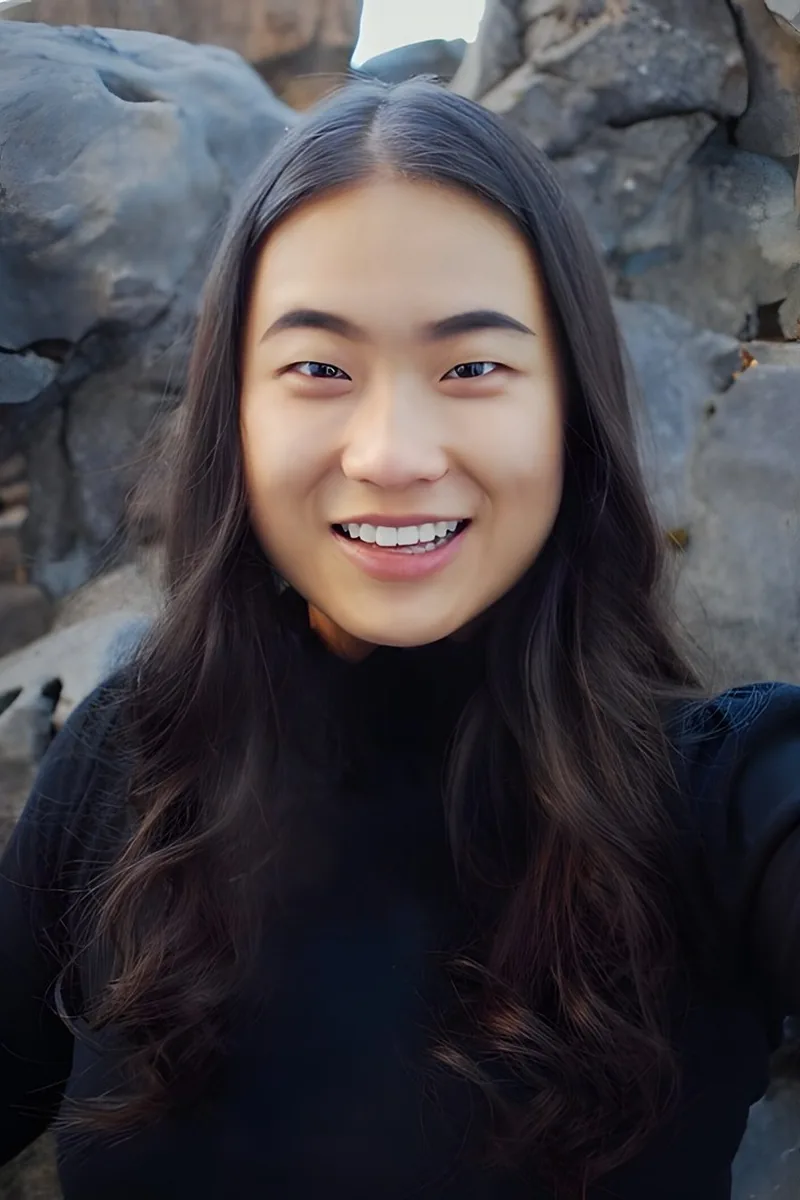
Xiansheng's cellular and molecular biology degree might seem like an odd fit here, but he teaches across five levels of Mandarin Chinese and scored 1450 on the SAT — the analytical rigor carries over directly to coaching the AP exam's interpretive reading section, where students must parse dense, formal Mandarin and extract meaning under strict time limits. He's especially useful for students whose conversational Mandarin is solid but who stumble on the written exam components that demand precise character recognition and grammatical accuracy. Rated 4.7 by students.
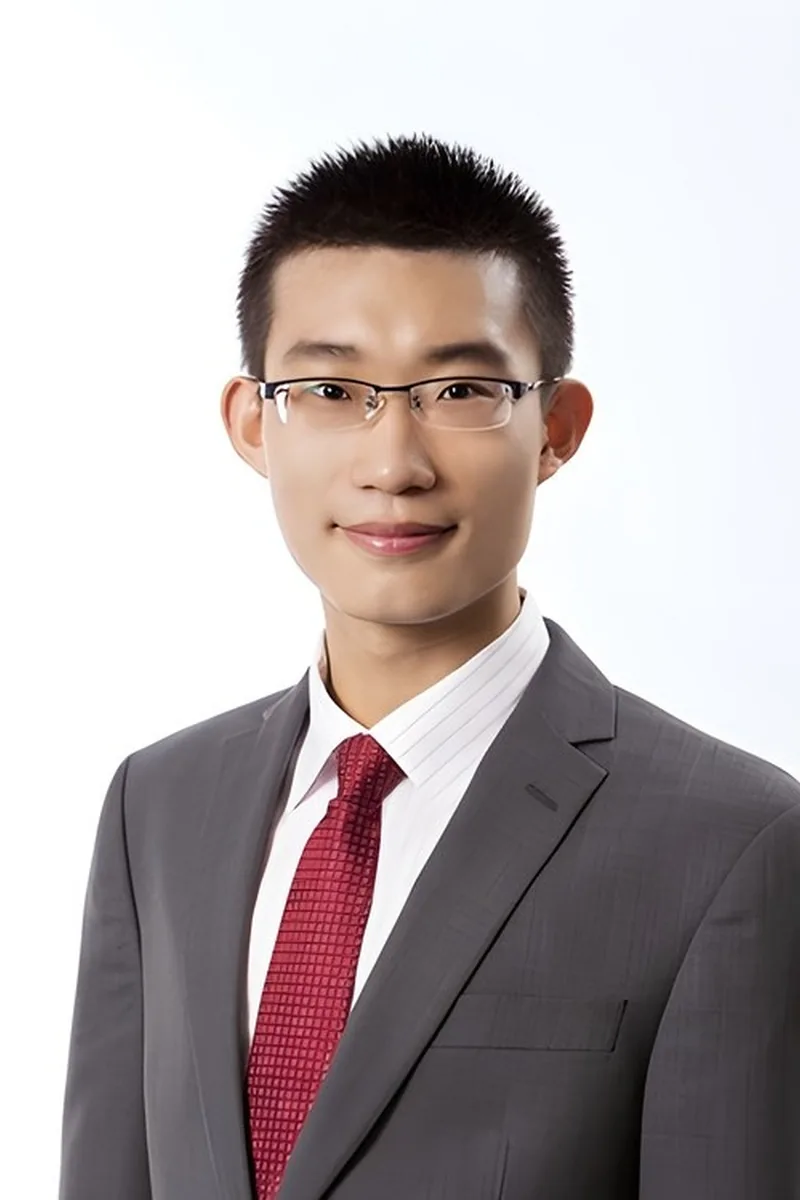
A native Mandarin speaker with undergraduate roots at Wuhan University — one of China's top ten — Albert brings an insider's grasp of the idiomatic phrasing, formal registers, and cultural references that the AP Chinese exam's interpersonal speaking and listening sections demand. His dual MBA training at UCLA and London Business School also means he can coach the presentational writing tasks with the kind of structured argumentation that earns top rubric scores.
Beyond typical classroom exposure, Cynthia pursued Chinese seriously enough to earn a university minor in the language, which means she's comfortable with the reading comprehension, listening, and cultural knowledge components the AP exam tests. She walks students through strategies for the interpersonal and presentational speaking tasks, where scoring well depends on fluid responses and appropriate use of idiomatic expressions.
The AP Chinese Language and Culture exam tests more than vocabulary — it demands cultural literacy, formal writing conventions, and the ability to switch between interpersonal and presentational communication on the spot. May is a native speaker who has taught Mandarin at multiple levels and understands how to bridge the gap between conversational fluency and the precise, structured responses the exam rewards.
With an economics degree and fluency across four levels of Mandarin Chinese, Alexander brings a practical, content-rich angle to AP Chinese prep — particularly the interpretive listening passages, where students need to process real-world topics like trade, policy, and social trends discussed in rapid, formal Mandarin. He also tackles the exam's cultural comparison essays by drawing on his cross-cultural academic background to teach students how to move beyond surface-level observations and anchor their responses in specific, substantive examples.
Paul is one of those rare tutors who operates at an advanced level in both Mandarin Chinese and a second foreign language, giving him unusual insight into how tonal languages, character-based writing systems, and cultural frameworks interact on the AP exam. He zeroes in on the interpersonal and presentational communication tasks, coaching students through the real-time speaking and writing prompts that carry the most weight.
The AP Chinese Language and Culture exam tests far more than vocabulary — it demands cultural literacy and the ability to switch between interpersonal, interpretive, and presentational communication modes. As a fluent Mandarin speaker with a science-trained discipline for systematic preparation, Jing tackles each section's unique format so students know exactly what the exam expects.
The AP Chinese Language and Culture exam tests more than vocabulary — it requires students to compare cultural practices, narrate stories in real time, and write structured responses under pressure. Yiyu, educated in Beijing before earning her M.S. in Education, unpacks the cultural knowledge embedded in each task type and drills the specific speaking and writing patterns that earn top scores.
Barry grew up in China, took the AP Chinese Language and Culture exam himself, and spent years tutoring Chinese 4 students in high school. He knows exactly where the exam tests cultural nuance — from interpreting idiomatic expressions to navigating the presentational writing and speaking prompts — and prepares students for those specific demands.
After a decade teaching middle schoolers in a Chinese immersion school in California, Ruth knows exactly where students' spoken Mandarin starts to buckle under the pressure of timed AP tasks — especially the presentational speaking prompts that demand formal structure and clear tonal precision on the fly. She also taught History and Theater entirely in Chinese, which means her students get exposure to the kind of cross-disciplinary cultural vocabulary that the exam's reading and listening passages actually test. Rated 5.0 by students.
Fluent in Mandarin and experienced with the AP Chinese exam format, JF tackles the presentational writing and interpersonal speaking components that trip up even heritage speakers. He digs into the cultural comparison prompts specifically, showing students how to structure responses that hit every rubric criterion.
The AP Chinese Language and Culture exam uniquely blends language proficiency with cultural comparison, asking students to present on practices and perspectives across Chinese-speaking communities. Christina's Mandarin instruction spans beginner through advanced levels, giving her a clear sense of where students' gaps tend to hide — whether it's measure words, aspect markers, or the formal tone the exam's interpersonal writing section expects. She builds targeted practice around the exam's six themes so students aren't just fluent but exam-ready.
Eight years of teaching Chinese language and culture across elementary, middle, and high school levels — plus directing a K-12 language enrichment program — makes Amanda one of the rare tutors who understands the full arc of the AP Chinese exam. She tackles the interpersonal and presentational speaking tasks head-on, coaching students to respond with cultural nuance and grammatical precision under timed conditions. Rated 5.0 by students.
Testimonials
Because the right AP Chinese Language and Culture tutor makes all the difference.
Average Session Rating – Based on 3.4M Learner Ratings
Other Seattle Tutors
Related Languages Tutors in Seattle
Frequently Asked Questions
The AP Chinese Language and Culture exam tests proficiency across three modes of communication: interpretive (reading and listening), interpersonal (speaking and writing conversations), and presentational (speaking and writing for an audience). The exam includes multiple-choice sections for reading and listening comprehension, free-response sections for email writing, conversation simulations, cultural comparisons, and oral presentations. Success requires not just language skills but also understanding of Chinese culture, geography, history, and contemporary society.
Score improvement depends on your starting level and commitment, but personalized 1-on-1 instruction typically helps students identify and close specific gaps—whether that's tones, character recognition, listening comprehension, or cultural knowledge. Many students see meaningful gains by working with a tutor to build a focused study plan, practice high-yield content areas, and refine test-taking strategies. The key is consistent practice between sessions combined with expert guidance on where to concentrate your effort.
Students often struggle most with the listening section, where native-speed audio and unfamiliar accents can make comprehension difficult, and the speaking portions, which require real-time fluency and cultural awareness. The written expression section also challenges many test-takers because it demands not just correct grammar but appropriate tone and cultural context. Additionally, students may underestimate the cultural component—the exam expects knowledge of Chinese holidays, geography, historical events, and contemporary issues beyond just language mechanics.
Most students benefit from 3-6 months of focused preparation, though this varies based on your current proficiency level and how frequently you study. If you're starting from a lower level, beginning preparation earlier in the school year gives you time to build foundational skills before tackling full practice tests. Consistent weekly tutoring sessions combined with daily independent practice—even 30 minutes—typically yields better results than cramming, as language learning relies on spaced repetition and sustained exposure.
Your first session focuses on assessment and goal-setting. A tutor will evaluate your current proficiency across speaking, listening, reading, and writing to identify your strengths and areas needing the most work. You'll discuss your target score, timeline, and specific challenges—whether that's tones, listening comprehension, or cultural knowledge—so the tutor can build a personalized study plan tailored to your needs and test date.
Practice tests are essential because they help you understand the exam format, build stamina for the full 2.5-hour test, and identify which sections need the most work. Taking full-length practice tests under timed conditions reveals whether your challenges are with speed, comprehension, or specific question types. A tutor can review your practice test results with you, pinpoint patterns in your mistakes, and adjust your study strategy accordingly—making practice tests a diagnostic tool, not just a confidence check.
The speaking sections require both fluency and cultural awareness, which improve through repeated practice with feedback. Working with a tutor gives you a native or near-native speaker to practice conversation simulations, receive real-time corrections on pronunciation and tone, and build confidence speaking under timed pressure. Regular speaking practice—ideally multiple times per week—combined with recording yourself and reviewing your errors helps you internalize corrections and develop more natural pacing and intonation.
Varsity Tutors connects you with expert tutors in the Seattle area who specialize in AP Chinese Language and Culture. When you reach out, you'll be matched with a tutor based on your specific needs, schedule, and learning style—whether you need intensive test prep, help with speaking fluency, or cultural context building. You can start with a single session to see if the fit is right, and adjust your tutoring frequency based on your progress toward your target score.
Let’s find your perfect tutor
Answer a few quick questions. We’ll recommend the right plan and match you with a top 5% tutor.