Award-Winning Writing Tutors
serving Manhattan, NY
Writing
Tutors in Manhattan
Private 1-on-1 tutoring, weekly live classes for academic support, test prep & enrichment, practice tests and diagnostics, and more to elevate grades and test scores.
Based on 3.4M Learner Ratings
UniversitiesSchools & Universities
DeliveredHours Delivered
ProficiencyGrowth in Proficiency
Who needs tutoring?
No obligation. Takes ~1 minute.
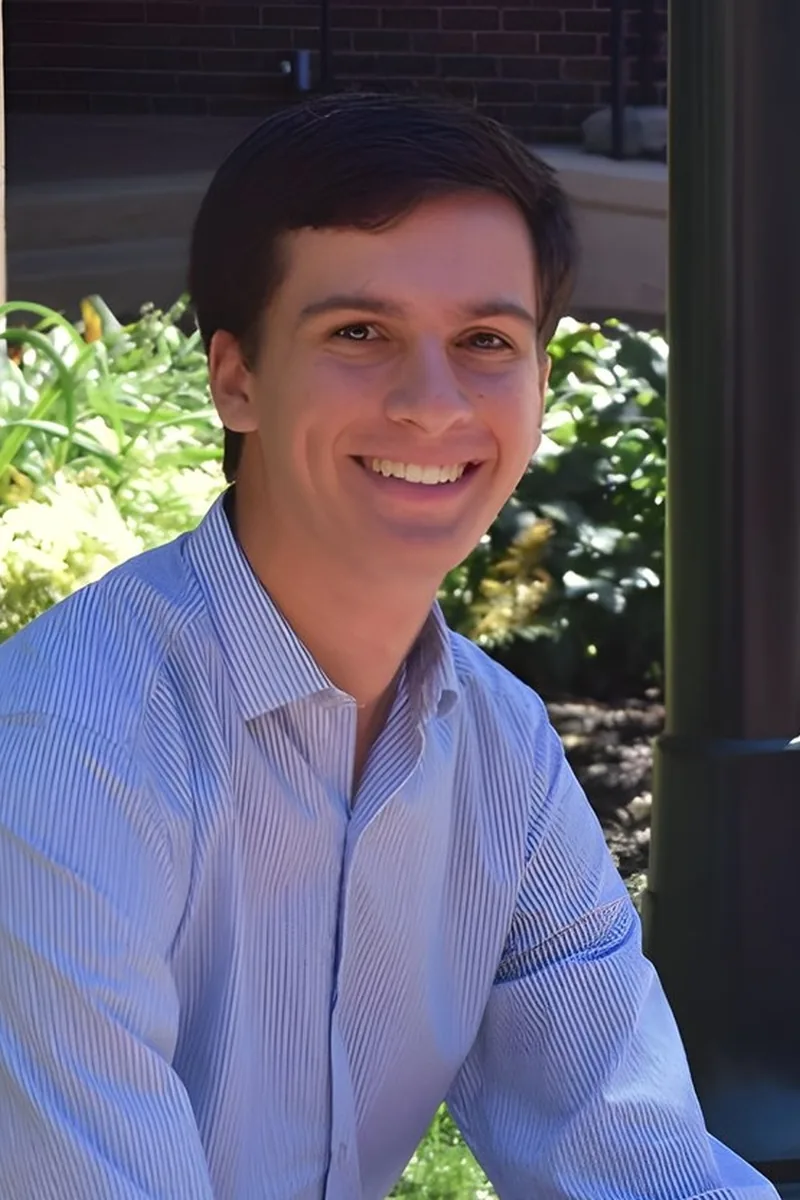
Strong writing starts with a clear claim and a sense of audience, two things that sound simple but trip up students at every level. Noah teaches the mechanics behind persuasive and analytical writing — topic sentence architecture, evidence integration, transitions that actually connect ideas. His 5.0 rating speaks to how quickly students see their drafts improve.
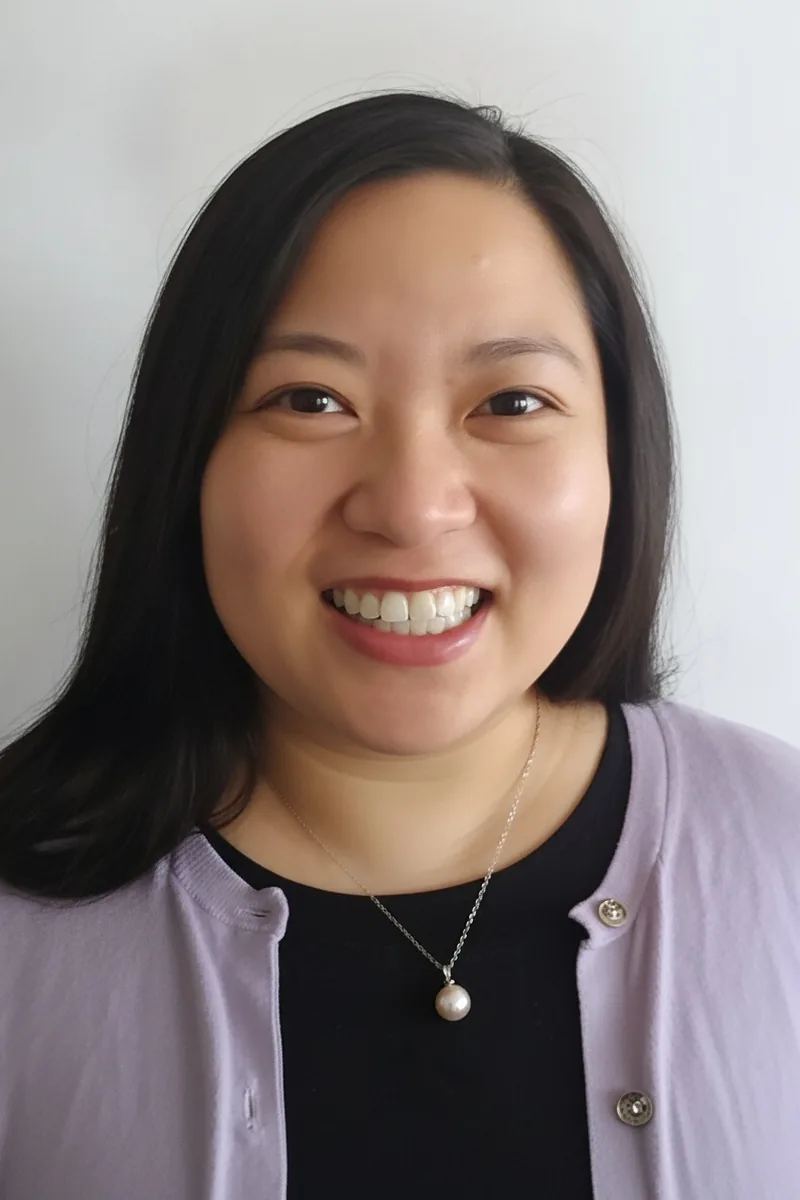
Getting ideas onto the page is one challenge; organizing them into a coherent argument is another entirely. Sandy breaks the writing process into concrete steps — outlining a claim, selecting evidence, drafting body paragraphs that each do one job — so students walk away with a repeatable method, not just a finished assignment. She's particularly effective at teaching students how to revise their own work critically.
Philipp treats writing as a craft built on deliberate choices — sentence structure, argument flow, word economy. As a Columbia East Asian Studies student who lists writing among his core hobbies, he digs into everything from thesis development to paragraph-level revision, teaching students to see their own drafts with an editor's eye.
I am a current undergraduate student at Columbia University in New York City, pursuing a Bachelors of Arts in History and Economics. These are two of the subjects that I enjoy tutoring the most, but I also have a penchant for tutoring and learning about math and literature. I am passionate about tutoring because I benefited from the personalized guidance of great tutors in my past and I really enjoy seeing students push themselves and develop an appreciation for subject areas or even the mental exercise of test-taking thanks to tutoring. I also believe that tutoring a subject area is the greatest way to maintain and develop understanding of its material for both the student and the tutor. I was an active tutor in high school in mathematics and history and as I take more classes in college, I look forward to tutoring students in those in which I understood the material really well. In my spare time, I enjoy reading about history, camping, biking, and traveling when I can (or exploring the incredible city of New York)!
I am looking forward to this opportunity to advance my teaching practice. I am available to tutor any elementary school students in all subjects, or any age level in Spanish. I look forward to working with you!
Strong writing starts with having something specific to say — and Mimi's inquiry-based approach means she spends real time on the thinking stage before a student ever drafts. From thesis development to paragraph architecture to revision strategy, she walks through each phase of the writing process so students internalize it for the next assignment, not just the current one.
The gap between having an idea and expressing it clearly on the page is where most students get stuck. Reid tackles that gap by teaching concrete techniques — thesis construction, paragraph transitions, evidence integration — rather than vague advice like "be more specific." His sociology and education background means he's equally comfortable coaching a persuasive essay or a research paper.
Getting words on the page is one problem; organizing them into a clear, purposeful piece is another. Liz breaks the writing process into concrete stages — claim development, outlining with topic sentences, drafting body paragraphs around evidence — so students stop staring at a blank screen and start building arguments. Her experience teaching and directing tutors at a Boston charter school means she's refined these methods across hundreds of student writers at different skill levels.
Every writing problem is really a thinking problem — a muddled thesis usually means the idea isn't clear yet. Solange walks students through the full arc from brainstorming to polished draft, teaching them to outline arguments, vary sentence structure, and revise with purpose. Her sociology training at Harvard made her especially sharp at building evidence-based written arguments.
Turning a vague idea into a structured, compelling piece of writing is a skill most students never get explicitly taught — they're just told to "write a five-paragraph essay" and figure it out. Sabira breaks the process into concrete steps: narrowing a topic, building an outline with real claims, drafting body paragraphs around evidence, and revising for clarity. Her 5.0 rating speaks to how well that structured approach works.
Sherry's dual background in linguistics and psychology — both from the University of Chicago — gives her an unusual lens on writing: she understands how sentences work structurally and how readers process them cognitively. She teaches students to sharpen thesis statements, tighten paragraph transitions, and revise with purpose, whether they're drafting a personal essay or an academic research paper. Rated 5.0 by students.
A philosophy major at Princeton spends most of her time writing: constructing arguments, anticipating counterpoints, and making every sentence earn its place. Julie applies that training to teach students how to build clear thesis statements, organize evidence logically, and develop a voice that carries authority without sounding stiff.
Getting ideas out of your head and onto the page in a coherent, compelling way is a learnable craft, not an innate talent. Maya treats writing as a process — brainstorming, outlining, drafting, revising — and teaches specific techniques for each stage, from building a thesis that actually argues something to cutting filler that weakens a paragraph. She's a working writer herself, which keeps her feedback practical and current.
Zosia treats writing as a thinking tool: if the logic is muddled, the sentences will be too, no matter how polished the grammar. She walks students through outlining arguments, tightening paragraph structure, and revising for precision — skills she sharpened writing research papers across the sciences and humanities at Yale.
Joyce Carol Oates selected Sash as one of two advisees at Princeton, where he wrote his first novel under her mentorship — an experience that drilled home how revision, not inspiration, is what turns rough drafts into finished work. His ongoing career as a playwright and theater director keeps him immersed in the craft of shaping language for specific audiences and purposes. He teaches students to treat each draft as raw material, breaking it down structurally before refining voice, argument, and clarity.
Jennifer teaches writing as a process of thinking — outlining an argument before drafting, interrogating each paragraph's purpose during revision, and tightening language in the final pass. Currently completing her MAT in Secondary English at NYU, she brings classroom-tested strategies for everything from thesis construction to integrating evidence without letting quotes do all the work.
Strong writing is really rewriting — and Meghan learned that through two journalism degrees at Northwestern and daily practice at a New York magazine. She teaches students to draft with a clear argument, revise for structure and evidence, and edit for voice, moving a piece from rough idea to polished final draft without losing what made it theirs.
Clear writing starts with clear thinking, and Garrett treats every writing session as an exercise in organizing ideas before polishing prose. Whether a student is drafting a persuasive essay or a research paper, he teaches them to build an argument with a specific claim, logical evidence, and deliberate transitions — skills that transfer to every class. His own love of writing and reading keeps his feedback grounded in what actually makes sentences compelling.
Every writing assignment is really an exercise in thinking clearly, and Vivian approaches it that way — she starts by untangling what a student actually wants to say before tackling how to say it. From constructing a thesis and organizing supporting paragraphs to refining tone and word choice, she builds each session around the specific piece a student is working on. Her background spans persuasive essays, creative writing, and research papers.
Strong writing starts with a clear claim and evidence that actually supports it — skills Richard hones daily as a Government concentrator at Harvard. He breaks down the writing process into manageable steps, from outlining an argument to refining sentence-level style, so students learn to produce polished drafts independently rather than relying on vague inspiration.
As a published author, MaryAnn knows that strong writing starts with a clear argument and a willingness to revise — not with a perfect first draft. She teaches the mechanics of thesis development, paragraph transitions, and evidence integration, whether the assignment is a five-paragraph essay or a research paper.
Clear writing starts with clear thinking, and Vansh tackles both at once. He walks students through the process of building an argument from a working thesis outward, teaching them how to structure body paragraphs around specific evidence rather than vague claims. His finance background adds a practical edge — he values precision and economy in every sentence.
Most students learn the five-paragraph essay and then struggle when college-level writing demands something more flexible. Noah teaches writing as argument construction: how to build a claim that's worth defending, organize evidence so it does real work, and revise with purpose. His philosophy background means every session emphasizes clarity of thought before polish of prose.
Medical school applications, anthropological research papers, and interdisciplinary essays at Stanford forced Mica to become the kind of writer who can shift register on demand — clinical precision in one draft, narrative persuasion in the next. That versatility is exactly what she brings to writing sessions, whether a student is wrestling with a five-paragraph essay or trying to find their voice in a personal piece. Rated 5.0 by students.
Good writing isn't about following a formula — it's about learning to think on the page and then revise until the thinking is clear. Michelle's Columbia MA in American Studies required constant analytical writing across disciplines, and she breaks down the drafting process into manageable stages: brainstorming, outlining, drafting for ideas first, then polishing for style and mechanics.
Getting ideas onto the page is one challenge; organizing them into a compelling argument is another entirely. Michelle breaks the writing process into concrete, repeatable steps — from brainstorming and outlining to crafting topic sentences that actually drive paragraphs forward. Her triple-major arts background means she's tackled research papers, personal essays, and analytical writing across multiple disciplines.
Strong writing starts with having something specific to say, and Emma's first move is usually getting students to articulate their argument out loud before they ever open a laptop. From there she teaches concrete structural techniques — topic sentences that do real work, evidence integration that doesn't just drop in quotes, and conclusions that push an idea forward instead of restating the introduction. She holds a 5.0 rating across her tutoring subjects.
Strong writing starts with having something specific to say and then organizing it so a reader can follow without effort. Rachel's history and political science training at the college level was essentially an education in argumentative writing — constructing thesis-driven essays backed by evidence and structured around clear transitions. She tackles everything from five-paragraph essays to research papers, teaching students to outline before they draft and revise with purpose.
Most writing struggles aren't about grammar — they're about not knowing what you're trying to say until the third paragraph. Moon teaches students to identify their core argument early, build each section around a single clear point, and revise with purpose. His philosophy background means he's particularly effective at turning muddled thinking into sharp prose.
Clear writing starts with clear thinking, which is something Ian's Yale physics training reinforced in every lab report and research paper. He teaches students to outline arguments before drafting, vary sentence structure deliberately, and revise with purpose — skills that transfer from a five-paragraph essay to a research paper. His emphasis on logical flow makes even reluctant writers more confident in organizing their ideas.
Christopher's background spans research papers in the history of science, public health policy briefs, and personal essays, so he understands that strong writing shifts depending on audience and purpose. He teaches students to build arguments from the outline stage, showing how to move from a rough claim to a polished piece with clear transitions and purposeful evidence.
At Columbia's Narrative Medicine program, Camille studies how writing shapes understanding — how the act of putting ideas into words clarifies thinking itself. That perspective makes her especially effective at teaching the messy early stages: brainstorming, outlining, and getting a rough draft down before the inner critic takes over. She also constructed curriculum for a middle school writing program, so she adapts her approach to wherever a student is in their development.
Learning to write well means learning to revise — to see your own sentences critically and understand why one version of a paragraph is clearer than another. Ayako tackles everything from thesis construction and paragraph transitions to tone and word choice, drawing on her English coursework at Trinity College Dublin. She's 5.0-rated and treats each student's voice as something to sharpen, not replace.
Two years editing opinions columns at Stuyvesant High School taught Brian how to sharpen an argument — cutting filler, strengthening thesis statements, and making every paragraph earn its place. Now at UChicago, where writing-intensive coursework is the norm, he brings that editorial eye to everything from persuasive essays to research papers.
Evan treats writing as a craft with learnable moves: controlling paragraph rhythm, choosing active over passive voice for emphasis, building an argument that anticipates counterpoints. His Northwestern research experience — writing a full independent paper and then teaching the material to peers — taught him how to break the writing process into concrete, repeatable steps. He's especially effective at getting students past the blank-page paralysis of early drafts.
The hardest part of writing is usually the gap between having ideas and getting them onto the page in an organized way. Natalie tackles that gap by teaching concrete pre-writing strategies — outlining arguments, building topic sentences that do real work, and revising for precision rather than just length.
Getting ideas onto the page is one problem; organizing them into something a reader can follow is a completely different one. Dana tackles both by teaching students to outline with a thesis-first approach — nail down the argument, then build each paragraph around a single piece of evidence. Her public policy training made structured, persuasive writing second nature, and she applies those same principles whether the assignment is a five-paragraph essay or a research paper.
Years of writing across disciplines — government policy briefs, philosophy papers, business case analyses — taught Gerard that clear writing starts with clear thinking. He breaks the drafting process into manageable stages: claim, evidence, structure, then style, so students stop staring at blank pages and start building arguments they can defend.
Strong writing is really structured thinking on paper, and that's where Bina's PPE background becomes an advantage — she spent years learning to build precise, evidence-driven arguments across three disciplines. She teaches students to outline before they draft, choose specific evidence over vague claims, and revise with an eye toward whether each sentence actually advances their point. Rated 5.0 by students.
Three years studying philosophy taught Lucas that clear writing is really clear thinking put on paper. He tackles everything from thesis development to paragraph-level organization, showing students how to pin down a vague idea, commit to a specific claim, and support it with evidence that actually does the work.
Testimonials
Because the right Writing tutor makes all the difference.
Average Session Rating – Based on 3.4M Learner Ratings
Other Manhattan Tutors
Related English Tutors in Manhattan
Frequently Asked Questions
During your first session, a tutor will assess your current writing level by reviewing a sample of your work—whether that's an essay, short story, or assignment you're working on. They'll ask about your specific goals, whether you're preparing for standardized tests, working on college applications, or improving your skills in a particular genre. From there, they'll create a personalized plan focused on your biggest challenges, whether that's organization, thesis development, grammar, or finding your voice as a writer.
Many students struggle with turning ideas into a logical structure. Tutors can teach you frameworks for organizing your thoughts—from outlining techniques to building strong thesis statements that guide your entire essay. They'll help you understand how to develop each paragraph with supporting evidence, create smooth transitions, and ensure your conclusion reinforces your main argument. With personalized feedback on your actual drafts, you'll learn to spot organizational issues before you submit.
Effective revision involves multiple passes with different focuses. First, look at big-picture issues like organization and argument strength. Then refine your paragraphs and sentences for clarity and flow. Finally, polish grammar and style. A tutor can guide you through this process and teach you revision strategies like reading your work aloud, getting feedback from different perspectives, and using checklists to catch common mistakes. This structured approach helps you move beyond surface-level edits to meaningful improvements.
Your writing voice emerges from understanding your audience, purpose, and personal perspective. Tutors help you recognize the difference between formal academic writing, creative expression, and persuasive arguments—and how to adjust your tone accordingly. By analyzing writing you admire and experimenting with different sentence structures and word choices, you'll discover what feels authentic to you. Regular feedback on your drafts helps you strengthen your unique voice while maintaining clarity and impact.
Yes. Many students find citation styles confusing, but they're learnable with clear guidance. Tutors can teach you MLA, APA, Chicago, and other formats—explaining not just the rules but the reasoning behind them. They'll help you properly cite sources in your essays, create bibliographies, and avoid plagiarism. Once you understand the system, you'll be able to apply it consistently across all your writing assignments.
Literary analysis requires both strong reading comprehension and clear argumentation. Tutors help you move beyond plot summary to develop meaningful interpretations supported by textual evidence. They teach you how to identify literary devices, analyze their purpose, and connect them to your thesis. You'll learn to construct arguments about theme, character, symbolism, and style—and express those ideas persuasively in your essays.
Writer's block often stems from perfectionism, unclear ideas, or not knowing where to start. Tutors can help you overcome this by using strategies like freewriting, brainstorming, mind-mapping, or discussing your ideas out loud before you write. Breaking your project into smaller, manageable steps makes starting less intimidating. With personalized guidance, you'll develop techniques that work for your thinking style and learn to push through the initial resistance to get words on the page.
Varsity Tutors connects you with expert tutors who understand the specific writing challenges you're facing. You'll share your goals and current level, and you'll be matched with someone experienced in your particular needs—whether that's SAT essay prep, college application essays, creative writing, or academic writing for your classes. The process is straightforward, and you can start personalized instruction on your schedule.
Let’s find your perfect tutor
Answer a few quick questions. We’ll recommend the right plan and match you with a top 5% tutor.