Award-Winning AP US History Tutors
serving Milwaukee, WI
AP US History
Tutors in Milwaukee
Private 1-on-1 tutoring, weekly live classes for academic support, test prep & enrichment, practice tests and diagnostics, and more to elevate grades and test scores.
Based on 3.4M Learner Ratings
UniversitiesSchools & Universities
DeliveredHours Delivered
ProficiencyGrowth in Proficiency
Who needs tutoring?
No obligation. Takes ~1 minute.

Kelly holds both a BA and an MA in History, which means she spent graduate-level seminars doing exactly what APUSH expects of high schoolers — wrestling with competing primary sources and defending interpretive claims about periods like the early republic or the civil rights era. Her English literature training doubles as essay coaching, since she can sharpen a student's DBQ thesis and their prose mechanics in the same session.
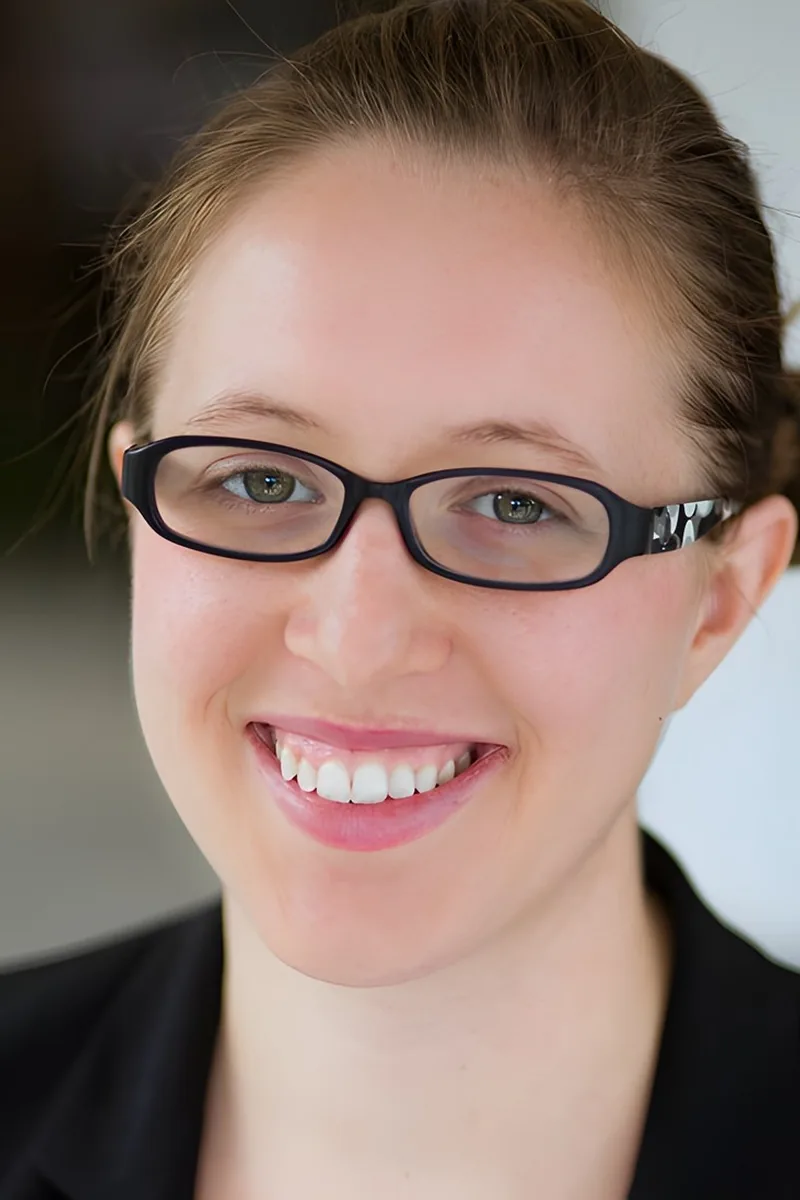
Theater training builds a surprisingly useful APUSH skill — Amber knows how to read a text for subtext, audience, and intent, which is exactly what document-based questions ask students to do with political speeches, editorials, and propaganda. Her 1570 SAT and 35 ACT reflect the kind of timed analytical performance the exam rewards, and her casting background means she's practiced at quickly sizing up what someone is really trying to communicate. Rated 5.0 by students.
As a first-generation college student who graduated cum laude from UCLA with a biology degree and Asian Languages minor, Abrahim brings an outsider's analytical eye to American history — he learned to question assumptions rather than take narratives at face value. That mindset translates well to APUSH's emphasis on sourcing and contextualization, where students need to interrogate *why* a document was created, not just what it says. Rated 5.0 by students, he approaches each historical period as a puzzle to decode rather than a list to memorize.
Mark's economics and international relations coursework at Tufts covered the same policy debates and institutional power struggles that dominate APUSH — tariff fights, trade realignments, the economic logic behind everything from Hamilton's Report on Manufactures to Reagan-era deregulation. That background makes him especially sharp on the causation and continuity-and-change reasoning the exam's essays demand, since he can show students why economic forces drove political decisions across periods rather than treating each era as isolated. Rated 4.9 by students.
APUSH rewards students who can construct arguments from evidence, not just recall dates — and Julia's history degree means she teaches the DBQ and LEQ as exercises in persuasion, not fill-in-the-blank summaries. She connects each period's themes (from mercantilism through the New Deal) to the kind of causation and continuity reasoning that earns top scores on the exam.
An electrical engineering degree from UIUC doesn't scream APUSH — but Wei's training in systematic problem-solving gives him a structured approach to the exam's essay components, breaking DBQ and LEQ prompts into clear claims, evidence, and reasoning chains the way he'd break down a circuit. His engineering career also means he can make industrial-era topics like technological innovation, labor shifts, and economic transformation concrete rather than abstract. Rated 5.0 by students.
Political science majors spend years dissecting the constitutional tensions, legislative battles, and power dynamics that make up the core of the APUSH curriculum — Julian studied exactly the material the exam tests most heavily. His 1430 SAT signals strong timed reading and writing performance, which matters for an exam where the DBQ and LEQ live or die on how quickly a student can build a sourced, thesis-driven argument under pressure.
AP US History's Document-Based Questions are really argumentation exercises disguised as history prompts, and Jean's legal background makes her a natural fit for teaching them. She earned her BA in History from Duke and unpacks how to synthesize primary sources into a coherent, evidence-driven essay under time pressure. Her approach to periodization and causation gives students the analytical vocabulary the exam rewards.
Studying political science and government means Sarah spends her coursework inside the same constitutional debates, legislative battles, and shifts in federal power that APUSH tests most heavily — she's not reviewing this material secondhand but actively working through it in her current classes. That real-time fluency with American political development gives her a sharp handle on periodization and causation questions, especially from the founding era through twentieth-century policy reform. Rated 5.0 by students.
AP US History's exam doesn't just test what happened — it tests whether a student can construct an argument using documents they've never seen before. Jon's Asian American Studies background at UCLA gave him deep experience analyzing primary sources through the lens of race, immigration, and social movements, which maps directly onto the DBQ and LEQ skills the exam demands.
The AP US History exam rewards students who can build an argument fast — synthesizing documents, identifying historical context, and writing a coherent DBQ under tight time constraints. Kenan's own success on the SAT US History subject test and his economics-oriented understanding of policy debates give him a useful lens for connecting political, social, and economic themes across periods.
Kirstie's liberal arts training and Master's in Education come together most visibly in APUSH's essay sections, where students need to do two things at once — read primary sources with a literary eye and marshal them into a historically grounded argument. She leans heavily on her AP English skills when teaching document analysis, showing students how to identify an author's purpose and audience before they ever start writing their thesis. Rated 5.0 by students.
A statistics and machine learning certificate at Princeton means Julie spends her coursework building arguments from data — the same evidentiary reasoning APUSH demands when students must synthesize unfamiliar documents into a coherent thesis under time pressure. Her philosophy training adds a layer most history tutors skip: she teaches students to identify the logical structure of an argument before writing one, which is exactly what separates strong DBQs from ones that just summarize sources. Rated 4.9 by students.
Studying both biology and philosophy at Boston College means Andrew spends his days toggling between empirical evidence and argumentative reasoning — the exact combination APUSH essays demand when students must marshal specific historical evidence into a persuasive thesis. He's particularly strong on causation and contextualization questions, where his philosophy training kicks in to untangle why events unfolded as they did rather than just when. Rated 5.0 by students.
Studying health policy at Stanford means Jake spends his coursework tracing how government decisions — from Progressive-era public health campaigns to the ACA — reshape American life, which is exactly the kind of policy-to-impact reasoning APUSH essays reward. His 34 ACT and dual background in SAT US History and Spanish give him both the timed analytical speed and the multicultural lens that strengthen document analysis on topics like immigration, expansion, and reform. Rated 5.0 by students.
Studying government at Harvard means Priscilla lives inside the institutional frameworks — federalism, separation of powers, constitutional interpretation — that APUSH tests as recurring themes from the founding through the modern era. She's also currently teaching a civics course to younger students, which sharpened her ability to break down complex political developments into clear cause-and-effect narratives, exactly the kind of reasoning the DBQ and LEQ reward. Her 1540 SAT reflects the timed reading and analytical writing chops the exam demands.
Document-Based Questions are where most AP US History students lose points — not because they lack knowledge, but because they don't know how to contextualize a source and weave it into an argument. Hannah holds a bachelor's degree in History and an MFA in Creative Writing, which means she tackles both the content (from colonial mercantilism through the Civil Rights era) and the writing skills the exam actually rewards.
A European history major at Johns Hopkins who also tutored AP US and World History for years, Alexander knows exactly where the overlap between these curricula pays off — students who can trace how Enlightenment thought shaped the Declaration of Independence or how WWI's aftermath drove American isolationism earn the cross-period connections APUSH essays reward. He zeroes in on the causation and contextualization skills that turn a content-dump essay into one that actually scores well on the DBQ and LEQ. Rated 4.7 by students.
Testimonials
Because the right AP US History tutor makes all the difference.
Average Session Rating – Based on 3.4M Learner Ratings
Practice AP US History
Free practice tests, flashcards, and AI tutoring for AP US History
Nearby AP US History Tutors
Other Milwaukee Tutors
Related Social Studies Tutors in Milwaukee
Frequently Asked Questions
AP US History spans from pre-Columbian America through the present day, organized into nine thematic units. The course emphasizes historical thinking skills—like analyzing primary sources, understanding causation, and evaluating competing perspectives—rather than pure memorization. Students explore major themes including American identity, politics and power, work and exchange, migration and settlement, and conflict and cooperation. A tutor can help you master both the content and the analytical skills the AP exam requires.
The AP US History exam consists of two sections: a multiple-choice and short-answer section (95 minutes) and a free-response section (100 minutes) that includes document-based questions and long essays. The multiple-choice section tests your ability to identify historical concepts and analyze sources quickly, while the free-response section requires you to construct arguments supported by historical evidence. Many students struggle with pacing across both sections—a tutor can help you develop strategies to manage your time effectively and strengthen your analytical writing.
Students often struggle with three key areas: managing the sheer volume of content across 400+ years of history, developing strong document analysis skills for the DBQ, and crafting concise, evidence-based arguments under time pressure. Many also find it difficult to distinguish between memorizing facts and understanding historical causation and change over time. Personalized tutoring helps you identify which content areas need reinforcement, practice analyzing documents efficiently, and build confidence in your essay-writing approach.
Score improvement depends on your starting point and effort level, but students typically see meaningful gains when they work with a tutor to identify weak content areas, practice timed essays, and refine their document analysis skills. Some students jump from a 2 or 3 to a 4 or 5 by focusing on exam strategy and targeted content review, while others strengthen their already-solid foundation. Your first session will help a tutor understand your current level and create a realistic plan based on your goals and timeline.
Practice tests are most effective when used strategically: take full-length timed exams to identify your weak spots, then focus your study time on those specific content areas and question types. After each practice test, review not just the questions you missed, but also the ones you guessed on correctly—understanding why you got them right builds real confidence. A tutor can help you interpret your practice test results, create a targeted study schedule, and practice the free-response sections repeatedly to build speed and clarity in your writing.
Strong DBQ performance requires two skills: quickly analyzing primary sources to extract relevant evidence and constructing a thesis-driven argument that incorporates that evidence. Many students spend too much time reading documents or struggle to connect evidence to their argument. A tutor can teach you a systematic approach to analyzing documents under time pressure, help you practice organizing your thoughts before writing, and give you feedback on multiple practice DBQs so you develop confidence and speed.
Look for a tutor with strong subject knowledge of US history and, ideally, experience teaching or tutoring AP-level students. They should understand the specific demands of the AP exam—not just content mastery, but also the analytical and writing skills the test emphasizes. Varsity Tutors connects you with expert tutors in Milwaukee who know the AP US History curriculum and can tailor their approach to your learning style, whether you need content review, essay practice, or test-taking strategy.
Your first session is an opportunity for you and your tutor to get to know each other and identify your specific needs. Your tutor will likely assess your current understanding of key content areas, discuss your AP exam goals and timeline, and ask about the topics or question types that challenge you most. From there, they'll create a personalized plan—whether that's building foundational content knowledge, practicing essays, or refining test-taking strategy—so your tutoring time is focused and productive.
Let’s find your perfect tutor
Answer a few quick questions. We’ll recommend the right plan and match you with a top 5% tutor.