Award-Winning Elementary School Reading Tutors
serving Milwaukee, WI
Elementary School Reading
Tutors in Milwaukee
Private 1-on-1 tutoring, weekly live classes for academic support, test prep & enrichment, practice tests and diagnostics, and more to elevate grades and test scores.
Based on 3.4M Learner Ratings
UniversitiesSchools & Universities
DeliveredHours Delivered
ProficiencyGrowth in Proficiency
Who needs tutoring?
No obligation. Takes ~1 minute.
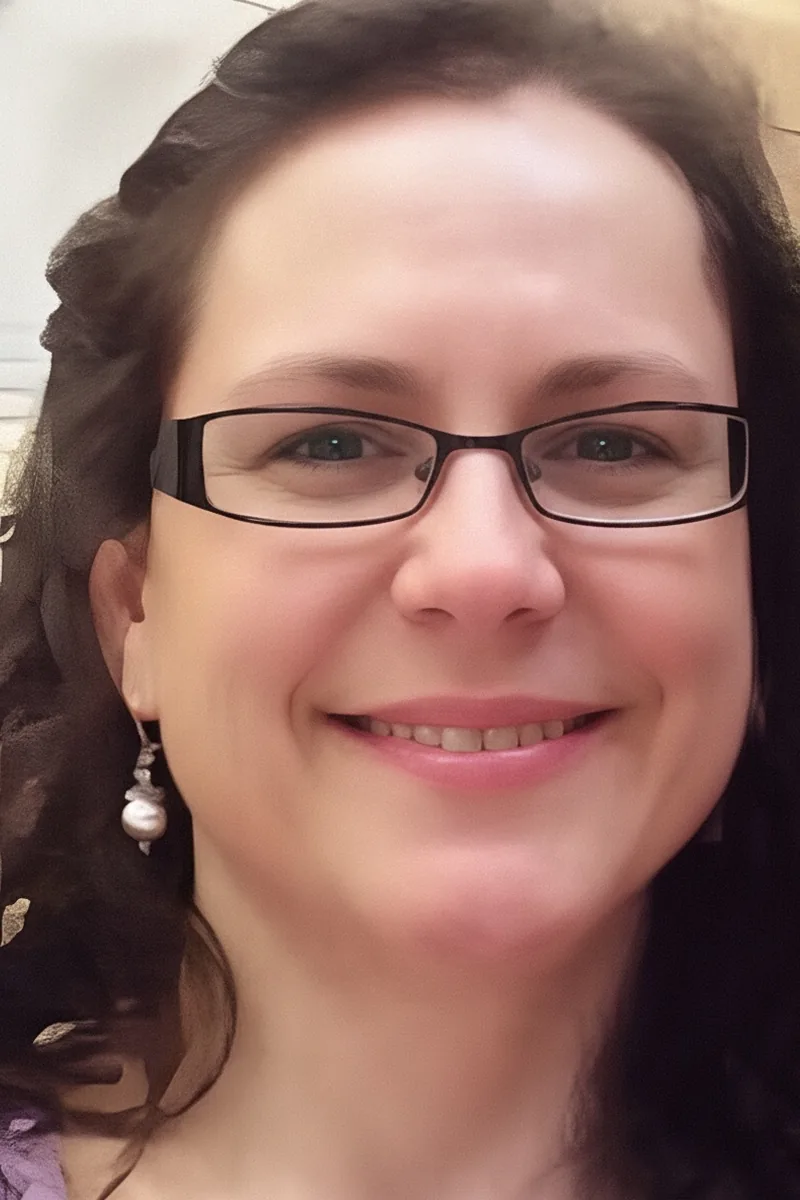
Phonics, sight words, fluency, and that tricky leap from decoding individual words to understanding whole sentences — Elise knows each stage of early reading and what it takes to move through them. Her special education certificate means she's trained to spot processing gaps that often get overlooked in a busy classroom. She holds a 5.0 rating from the families she's worked with.
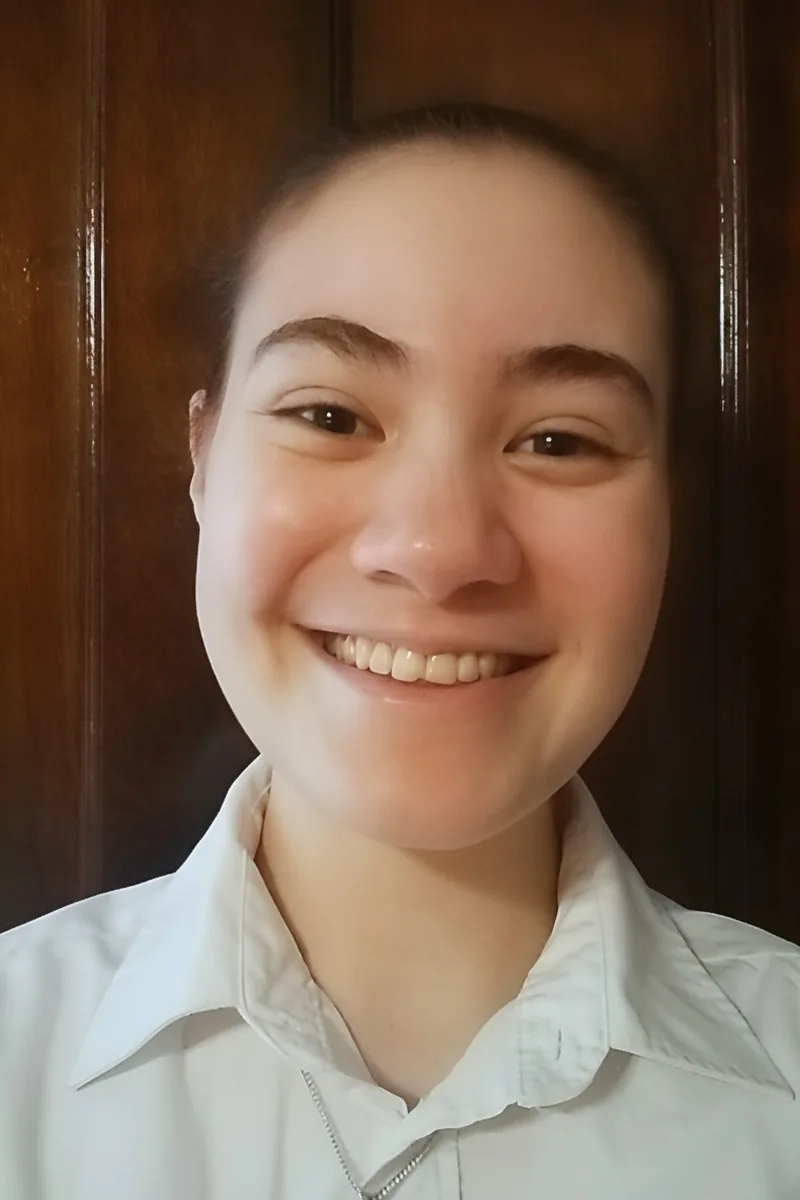
Phonics, sight words, and reading fluency each require a different kind of practice, and Monica tailors her approach based on where a child is in that progression. Her daily work as an Educational Assistant with first and second graders means she's constantly adapting reading strategies for young learners who are just starting to decode text on their own.
Early reading is where phonics, fluency, and comprehension all need to click together — and when one piece lags, the others stall. Joseph's master's in special education sharpened his ability to diagnose which foundational skill needs attention, whether a child is struggling to decode words or losing meaning mid-sentence.
Joseph approaches early reading by connecting phonics patterns and sight words to stories kids actually want to read. His experience across elementary subjects means he can spot when a student is struggling with decoding versus comprehension and adjust accordingly — rated 4.9 by families he's worked with.
Learning to read is really learning to think — connecting letters to sounds, sounds to words, and words to meaning. Alia brings decades of classroom experience and a PhD in Education to that process, breaking down phonics, fluency, and early comprehension into steps that click for young readers. Rated 5.0 by families she's worked with.
Early readers need someone who can turn decoding into discovery — matching phonics patterns to stories that actually spark curiosity. Sarah's experience teaching pre-K at a Reggio Emilia-inspired school trained her to follow a child's interests and build reading skills around what excites them, from picture books to early chapter books.
An avid reader herself, Nupur brings that energy to early reading sessions where kids are building phonics skills, learning sight words, and starting to decode longer sentences. She connects stories to things children already care about, which turns reluctant readers into curious ones who actually want to find out what happens next.
Madeline turns reading into a detective game, teaching kids to look for clues in the text — context clues for tricky vocabulary, cause-and-effect patterns in stories, and how to retell what happened in their own words. As a PhD student who reads dense material every day, she knows how to break comprehension strategies into steps that young readers can actually use.
Early reading is where lifelong habits form, and George knows that pushing too hard too fast can backfire. He walks younger students through phonics patterns, sight words, and basic comprehension questions at a pace that builds real confidence rather than anxiety. His easygoing style keeps sessions feeling more like a conversation about a story than a quiz.
Early reading clicks when a child sees themselves in the story. Julia picks texts that connect to each student's interests and then builds skills like decoding, predicting, and retelling around material that actually holds their attention. Her experience tutoring elementary-age students means she balances patience with steady progress through phonics, fluency, and comprehension milestones.
Connor's applied math background might seem unrelated to elementary reading, but the analytical thinking behind it — breaking problems into steps, finding patterns, asking 'what comes next?' — maps directly onto comprehension skills like sequencing and prediction. He brings a structured, patient style to reading sessions that gives younger learners a clear sense of progress. Rated 5.0 by students.
Phonics, sight words, fluency, and early comprehension each require a different kind of attention, and Breanna knows how to spot which piece is holding a young reader back. Her counseling background also means she's tuned in to the frustration and confidence issues that can quietly derail a child's progress with reading. She keeps sessions structured but warm, building skills through repetition that doesn't feel repetitive.
Early reading confidence comes from mastering foundational skills like phonics patterns, sight word recognition, and basic comprehension questions — who, what, where, and why. Maya breaks these skills into small, repeatable steps so young learners build momentum with each session. Her patience with younger kids comes naturally from years of reading with her four younger siblings.
There's a specific thrill in watching a young reader graduate from picture books to chapter books, and Ellie has seen that transition up close through her elementary reading tutoring experience. She teaches phonics, sight words, and reading comprehension strategies tailored to each child's current level, building confidence alongside skill. Her genuine enthusiasm for books is contagious — kids pick up on it.
Jeffry's biology background might seem unrelated to elementary reading, but scientific thinking — observing, asking questions, making predictions — maps perfectly onto how kids learn to comprehend stories. He uses that framework during read-alouds, prompting young readers to predict what happens next and explain their reasoning, which builds comprehension muscles naturally. Rated 4.9 by families.
Early reading confidence comes down to a handful of foundational skills — phonics, sight-word recognition, and the ability to retell what just happened in a story. India builds each of these through interactive, repetition-based exercises that keep young learners engaged. She adjusts pacing based on what each child needs most, whether that's decoding multisyllable words or strengthening comprehension.
I currently work for an afterschool enrichment program (Best Brains) tutoring elementary English and math, and I have 4+ years of experience as a private ESL tutor for both children and adults. I am working toward my Masters of Science in Secondary English Education and ESL at the University of Wisconsin- Madison. I graduated from the University of Oregon with a Bachelor of Arts in Comparative World Literature and Japanese, and from the University of Wisconsin-Madison with a Master of Arts in Japanese Language and Literature. I began tutoring while I was in high school, assisting with algebra homework. In college, I volunteered as a kindergarten reading assistant through a program called Start Making a Reader Today. I later volunteered while in graduate school at a local high school tutoring students in beginner Japanese. I have also been employed by the University of Wisconsin as a Teaching Assistant, and taught in Religious Studies and East Asian Studies. In all cases, it has been a pleasure watching students progress in their academics and to see them grow as young scholars. I especially enjoy teaching language arts because of the feeling of connection that language can bring. My favorite part of teaching is seeing the smiling face of someone the moment that they finally "get" something they've been struggling with and watching their confidence boost. In my free time, I host a small book club, pen pal with friends around the world, and try my hand at new recipes.
For younger readers still building fluency, every new book can feel like a mountain. Amalia pairs phonics skills with sight-word recognition and context clues so students have multiple tools for tackling unfamiliar words. She picks texts that match each child's interests, which turns reading practice into something they actually want to do.
Early reading skills like phonics, sight-word recognition, and basic comprehension questions form the foundation Montana tackles with younger learners. She keeps sessions interactive and low-pressure, using age-appropriate texts to build fluency and teach students how to make predictions, ask questions, and retell what they've read in their own words.
Early reading clicks when phonics, vocabulary, and comprehension work together instead of feeling like separate worksheets. Charles connects decoding skills to meaning-making from the start, so students aren't just sounding out words — they're understanding stories. He keeps sessions engaging enough that kids forget they're practicing.
Learning to read at the elementary level involves juggling phonics, sight words, fluency, and comprehension all at once — and each child's mix of strengths looks different. Yan identifies which piece needs the most attention and builds targeted practice around it, whether that's decoding multisyllabic words or retelling a story's key events in order. Her four years teaching in elementary classrooms gave her a deep toolkit for making reading click.
Young readers build confidence when someone sits with them through the tricky parts — decoding unfamiliar words, making predictions about what happens next, and connecting a story's events to their own experiences. Alice's background as a K-12 math center instructor taught her how to match explanations to a child's level, and she brings that same patience and adaptability to reading comprehension and fluency.
Phonics patterns, sight words, and reading fluency each require a different kind of practice, and Ingrid tailors her approach depending on where a young reader is gaining confidence. Her patience and structured teaching style — honed through leading hands-on workshops for undergraduates at Northwestern — translate well to working with elementary-age learners building early literacy skills.
Learning to read confidently at a young age changes everything that comes after — from following a story's plot to sounding out unfamiliar words. Eliza breaks down phonics patterns, sight words, and basic comprehension strategies in ways that keep younger learners engaged and moving forward. Rated 5.0 by students and families.
Early reading is all about building momentum: phonics, sight words, and fluency need to click before comprehension can take off. Esther's 5.0 rating speaks to her warmth and patience, two qualities that make a real difference when a young reader is sounding out unfamiliar words or tackling their first chapter book.
Building reading confidence early changes a student's entire academic trajectory. Nima works on phonics, sight words, and reading fluency with younger students, then gradually introduces comprehension questions that teach them to think about what they've just read. His warm, encouraging style — shaped by tutoring across dozens of subjects and grade levels — keeps reluctant readers engaged rather than frustrated.
Sabira pairs her genuine enthusiasm for books with patient, structured phonics and fluency practice to build confident young readers. She zeroes in on the specific skill each child needs next — whether that's decoding multisyllable words, building vocabulary through context clues, or retelling a story in sequence — so sessions always feel productive. She holds a 5.0 client rating.
I am a graduate of the University of Pennsylvania with a Masters degree in Education and have been an Elementary and Middle School educator for over thirty years. I have worked with students in the inner city, suburbs, Appalachia, and Deep South. I love teaching and children, and have discovered my passion in tutoring students who are struggling in Reading and Math. I have taught children with learning disabilities to read, and coached students with dyscalculia in math and reading. I worked as a principal for the past eight years, so was working with students from Pre-K to 8th grade, coaching teachers, analyzing data, and tutoring individual students in math and reading. I have worked as a national park ranger in the past, so social studies and history are areas of strength. Students that I teach respond well to my teaching style and enjoy working with me. I believe that education is extremely important for children's futures and do everything that I can to help them be successful.
Building fluency at the elementary level is about more than sounding out words — it's connecting phonics to comprehension so kids actually understand what they're reading. Corrina brings patience and structure to each session, working on skills like predicting, summarizing, and making inferences through stories that keep young readers engaged.
Early reading clicks when a child connects decoding skills to actual meaning — sounding out words matters, but so does understanding what a sentence is saying. Julia's mentoring work with elementary students gave her practice making that bridge, using context clues, picture cues, and guided questions to build both fluency and comprehension at the same time. She's patient and adaptive, adjusting her approach based on what each reader needs.
Years of volunteering in elementary classrooms taught Gloria that reading clicks when kids connect stories to their own curiosity — whether that means predicting what happens next, sounding out tricky vowel combinations, or retelling a chapter in their own words. Her neuroscience background also gives her insight into how young brains process phonics and comprehension differently at each developmental stage. Rated 5.0 by students and families.
Testimonials
Because the right Elementary School Reading tutor makes all the difference.
Average Session Rating – Based on 3.4M Learner Ratings
Nearby Elementary School Reading Tutors
Other Milwaukee Tutors
Related English Tutors in Milwaukee
Frequently Asked Questions
Elementary readers often struggle with phonics foundations, fluency, and comprehension—especially as texts become more complex in upper grades. Many students also find it difficult to move from decoding words to understanding meaning, or they rush through reading without retaining key details. Personalized 1-on-1 instruction helps identify exactly where a student is getting stuck and builds confidence through targeted practice tailored to their learning style.
The first session focuses on assessment and building rapport. A tutor will typically discuss your student's reading history, observe their reading skills in action, and identify specific areas for growth—whether that's decoding, fluency, comprehension, or confidence. This information shapes a personalized plan so every session after that targets exactly what your student needs to improve.
Strong readers need both speed and understanding. Tutors use strategies like guided reading, repeated reading practice, and discussion-based comprehension work to build both skills together. Rather than drilling isolated skills, personalized instruction weaves fluency and comprehension practice into meaningful reading experiences so students develop into confident, thoughtful readers.
Yes. Students reading below grade level often benefit most from personalized 1-on-1 instruction because tutors can slow down, reteach foundational skills, and celebrate small wins that build momentum. With Milwaukee's average student-teacher ratio of 20.5:1 in classrooms, struggling readers especially benefit from the focused attention and customized pacing that tutoring provides.
Absolutely. As students progress through elementary school, reading shifts from decoding to understanding themes, characters, and plot. Tutors teach strategies like asking questions while reading, making predictions, identifying main ideas, and connecting stories to real life. These comprehension skills prepare students for the analytical reading they'll need in middle school and beyond.
Varsity Tutors connects you with expert tutors who specialize in elementary reading for students in Milwaukee. You can share your student's specific challenges—whether that's phonics, fluency, confidence, or comprehension—and get matched with a tutor experienced in addressing those needs. The process is straightforward, and tutors work with your schedule and your student's learning style.
Many students show noticeable improvement in confidence and engagement within a few weeks of consistent tutoring. Measurable progress in fluency and comprehension typically follows as foundational skills strengthen. The timeline depends on your student's starting point and frequency of sessions, but personalized instruction accelerates growth because every lesson is designed specifically for your child's needs.
Parent involvement significantly strengthens reading development. Tutors often suggest at-home reading practices, book recommendations matched to your student's level, and strategies you can use during everyday reading moments. Regular communication between tutor and parent ensures everyone is reinforcing the same skills, making progress faster and more sustainable.
Let’s find your perfect tutor
Answer a few quick questions. We’ll recommend the right plan and match you with a top 5% tutor.