Award-Winning AP US History Tutors
serving Green Bay, WI
AP US History
Tutors in Green Bay
Private 1-on-1 tutoring, weekly live classes for academic support, test prep & enrichment, practice tests and diagnostics, and more to elevate grades and test scores.
Based on 3.4M Learner Ratings
UniversitiesSchools & Universities
DeliveredHours Delivered
ProficiencyGrowth in Proficiency
Who needs tutoring?
No obligation. Takes ~1 minute.
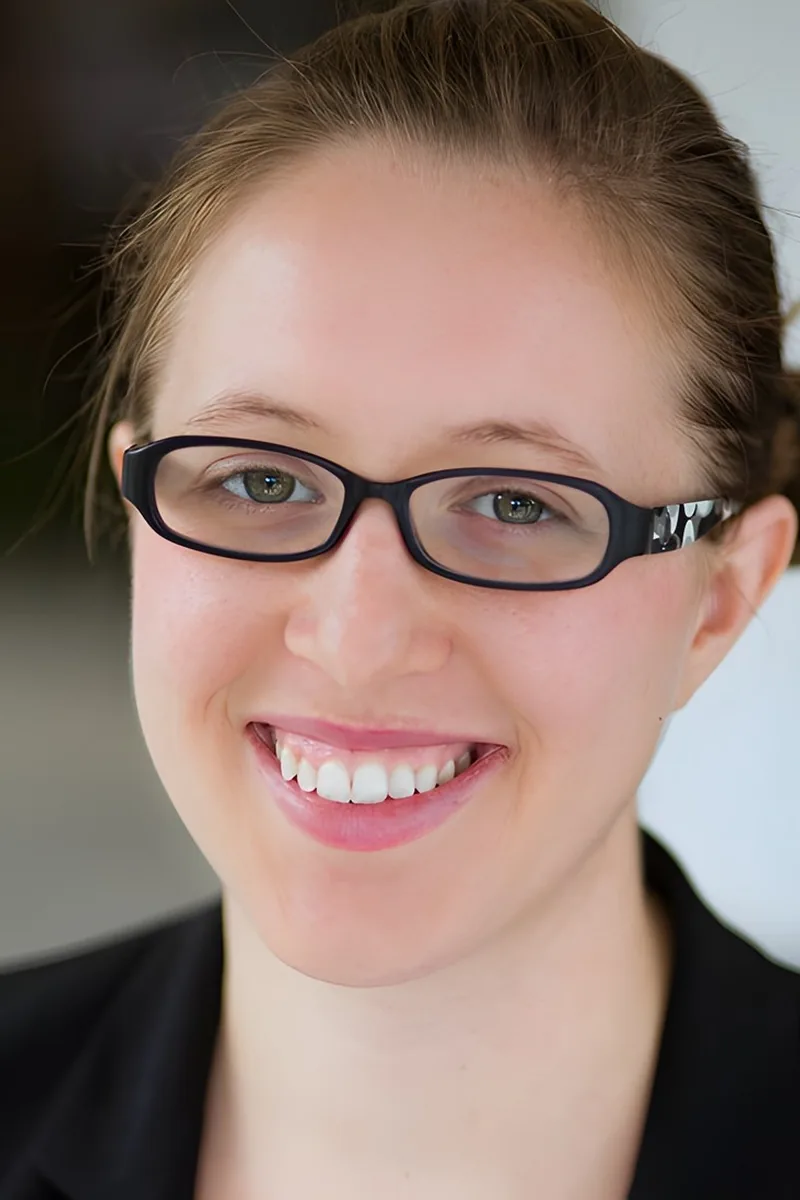
Theater training builds a surprisingly useful APUSH skill — Amber knows how to read a text for subtext, audience, and intent, which is exactly what document-based questions ask students to do with political speeches, editorials, and propaganda. Her 1570 SAT and 35 ACT reflect the kind of timed analytical performance the exam rewards, and her casting background means she's practiced at quickly sizing up what someone is really trying to communicate. Rated 5.0 by students.
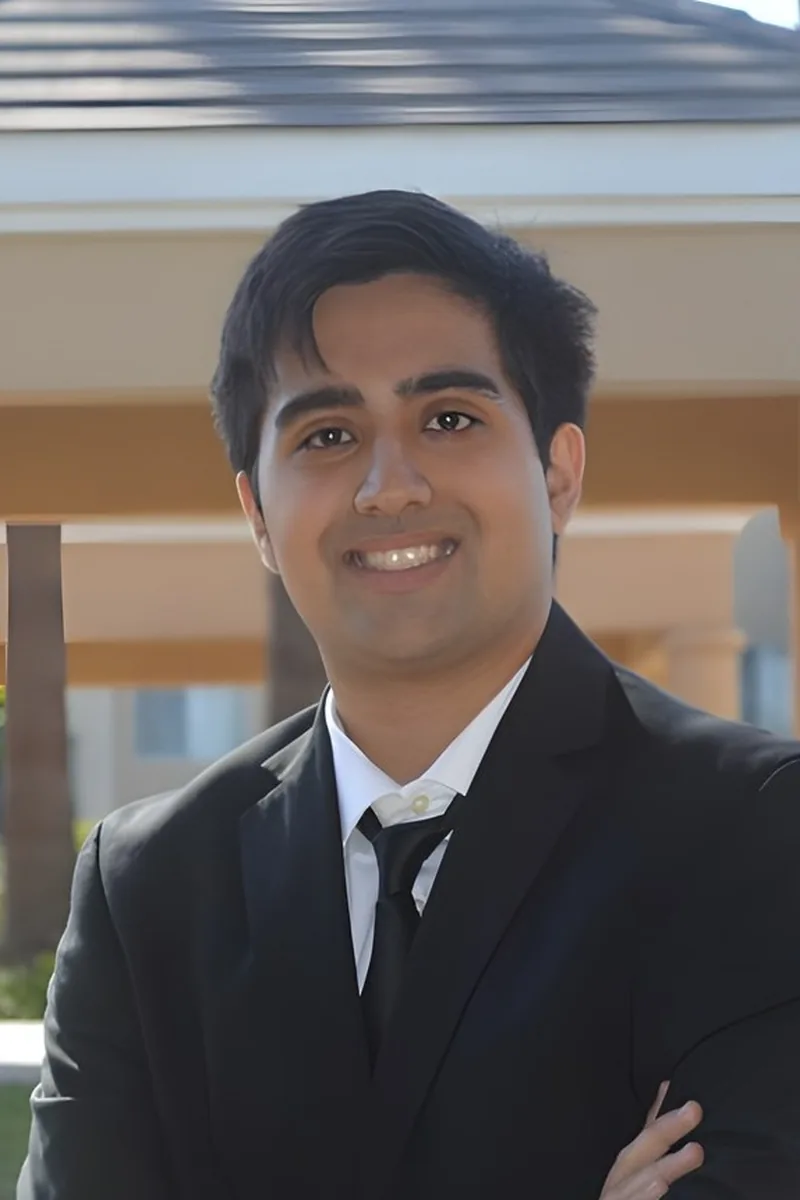
As a first-generation college student who graduated cum laude from UCLA with a biology degree and Asian Languages minor, Abrahim brings an outsider's analytical eye to American history — he learned to question assumptions rather than take narratives at face value. That mindset translates well to APUSH's emphasis on sourcing and contextualization, where students need to interrogate *why* a document was created, not just what it says. Rated 5.0 by students, he approaches each historical period as a puzzle to decode rather than a list to memorize.
Mark's economics and international relations coursework at Tufts covered the same policy debates and institutional power struggles that dominate APUSH — tariff fights, trade realignments, the economic logic behind everything from Hamilton's Report on Manufactures to Reagan-era deregulation. That background makes him especially sharp on the causation and continuity-and-change reasoning the exam's essays demand, since he can show students why economic forces drove political decisions across periods rather than treating each era as isolated. Rated 4.9 by students.
APUSH rewards students who can construct arguments from evidence, not just recall dates — and Julia's history degree means she teaches the DBQ and LEQ as exercises in persuasion, not fill-in-the-blank summaries. She connects each period's themes (from mercantilism through the New Deal) to the kind of causation and continuity reasoning that earns top scores on the exam.
An electrical engineering degree from UIUC doesn't scream APUSH — but Wei's training in systematic problem-solving gives him a structured approach to the exam's essay components, breaking DBQ and LEQ prompts into clear claims, evidence, and reasoning chains the way he'd break down a circuit. His engineering career also means he can make industrial-era topics like technological innovation, labor shifts, and economic transformation concrete rather than abstract. Rated 5.0 by students.
Kelly holds both a BA and an MA in History, which means she spent graduate-level seminars doing exactly what APUSH expects of high schoolers — wrestling with competing primary sources and defending interpretive claims about periods like the early republic or the civil rights era. Her English literature training doubles as essay coaching, since she can sharpen a student's DBQ thesis and their prose mechanics in the same session.
School psychology training is built around understanding how people think, learn, and respond to pressure — which comes in handy when students need to unpack the motivations behind everything from Jacksonian populism to Cold War containment policy. Alyssa applies that behavioral framework to APUSH's document analysis, teaching students to read primary sources not just for what they say but for the human calculations behind them. Her 1550 SAT and 5.0 rating speak to the kind of sharp, timed analytical thinking the exam rewards.
An interdisciplinary degree blending economics and political science at Yale means Allen spent four years studying the exact forces — trade policy, constitutional interpretation, factional politics — that drive APUSH's most heavily tested periods from the Early Republic through the New Deal. He teaches students to build LEQ and DBQ arguments around economic and political causation rather than just narrating events, a skill his 1570 SAT confirms he can execute under timed pressure. Rated 5.0 by students.
Teaching history at a community college while also working as a certified ESL teacher gave Christie a unusual double skill set — she knows how to make dense American political and economic developments accessible to students who can't rely on assumed cultural context. That translates directly to APUSH's document-based questions, where she zeroes in on sourcing and contextualization, training students to read a 1790s Federalist pamphlet or a 1960s protest letter for audience and purpose before building an argument around it. Rated 5.0 by students.
Architecture school at Columbia trains you to research how buildings, cities, and spaces reflect the political and economic forces of their time — a habit of thinking that maps surprisingly well onto APUSH's emphasis on causation and contextualization across periods. Andrew brings that design-history lens to document analysis, teaching students to read sources for intent and audience the way an architect reads a site for constraints and possibilities. His 4.9 rating speaks to how well that cross-disciplinary approach clicks.
The AP US History exam rewards students who can connect themes across periods — not just recall what happened, but explain why the Compromise of 1850 matters for understanding Reconstruction or how Jacksonian democracy reshaped federal power. Christopher's history degree from UCLA gives him the depth to teach both the content and the document-based essay skills the exam demands.
The AP US History exam rewards students who can construct a defensible thesis under time pressure — not just recall facts but deploy them as evidence in a DBQ or LEQ. Aaron unpacks primary documents with students, teaching them to identify point of view, purpose, and historical context before writing a single sentence. His interdisciplinary background in geology and biochemistry also brings an unusual lens to topics like industrialization and environmental policy.
AP U.S. History isn't Eileen's core subject area, but the exam's document-based and long-essay questions are fundamentally writing challenges — constructing an argument, weighing evidence, and managing time under pressure. Her 36 ACT (including the writing section) and deep experience with essay structure make her a strong fit for students who understand the history but struggle to put it on paper effectively.
Economics majors spend their time tracing how incentive structures, trade policy, and financial systems reshape societies — which means Ryan already thinks in the cause-and-effect chains that APUSH essays reward, especially for periods like the Market Revolution, Gilded Age industrialization, and New Deal economic reform. His 1590 SAT signals serious reading and analytical chops, the kind that make timed document analysis feel manageable rather than frantic. Rated 5.0 by students.
The AP US History exam rewards students who can do more than recall events — they need to analyze documents, identify historical causation, and write a convincing DBQ under time pressure. Jeff earned his MA in history from UC Berkeley, where he taught undergraduates how to build arguments from primary sources. He applies that same document-analysis approach to APUSH prep, breaking down rubric expectations so students know exactly what earns top scores.
Studying political science at Stanford means Margaret spends her coursework inside the same institutional frameworks — constitutional design, federalism, party realignment — that APUSH tests most heavily across every period. That gives her a structural vocabulary for explaining why events like the Nullification Crisis or the New Deal reshape governance, which is exactly the causal reasoning the DBQ and LEQ score for. Her 1550 SAT also signals the timed reading and analytical writing stamina the exam demands.
Before medical school, Jessica earned her history degree at Penn — meaning she studied American political and constitutional development at a university where those debates literally happened, steps from Independence Hall and the National Constitution Center. That immersion in primary-source-rich coursework carries over to APUSH's document-based questions, where she teaches students to read for authorial intent and historical context before building their thesis. Rated 4.8 by students.
The AP US History exam rewards students who can build an argument fast — synthesizing documents, identifying historical context, and writing a coherent DBQ under tight time constraints. Kenan's own success on the SAT US History subject test and his economics-oriented understanding of policy debates give him a useful lens for connecting political, social, and economic themes across periods.
Testimonials
Because the right AP US History tutor makes all the difference.
Average Session Rating – Based on 3.4M Learner Ratings
Practice AP US History
Free practice tests, flashcards, and AI tutoring for AP US History
Nearby AP US History Tutors
Other Green Bay Tutors
Related Social Studies Tutors in Green Bay
Frequently Asked Questions
Varsity Tutors matches Green Bay students with expert AP US History tutors for 1-on-1 instruction. We pair each student with a tutor based on their specific needs, learning style, and goals.
Whether you need homework help, exam prep, or want to get ahead, our AP US History tutors are ready to help.
Common challenges include gaps from earlier material, difficulty with specific concepts, and trouble applying learning to new problems. These issues can snowball quickly in AP US History.
A tutor identifies where you're stuck, fills in gaps, and provides targeted practice. The 1-on-1 format means you get help exactly where you need it.
Tutors work with your student's actual coursework—homework assignments, class notes, and upcoming tests. This keeps tutoring directly relevant to what's happening in the classroom.
When you share information about your student's school and curriculum, we can match you with a tutor who has relevant experience.
All tutors complete background checks, credential verification, and teaching evaluation. Many of our AP US History tutors hold advanced degrees or have years of teaching experience.
You can review tutor profiles to find someone with the right background for your student's level and needs.
Many students see improved grades within a few weeks, along with better understanding of AP US History concepts and more confidence tackling challenging material.
Tutors track progress and adjust their approach to ensure continued improvement.
Most students benefit from 1-2 sessions per week. More frequent sessions help if your student is significantly behind or has an important exam coming up.
Your tutor can recommend a schedule based on your student's specific situation and goals.
Tutoring is purchased in packages of hours, with rates varying by tutor experience. Varsity Tutors offers several options to fit different budgets and needs.
You can discuss pricing during your consultation to find what works best.
Your tutor will assess where your student is, discuss goals, and start working on priority areas. Most students bring current homework or upcoming test material to focus on.
By the end, you'll have a clear sense of how the tutor can help and a plan for moving forward.
Let’s find your perfect tutor
Answer a few quick questions. We’ll recommend the right plan and match you with a top 5% tutor.