Award-Winning AP Art History Tutors
serving Milwaukee, WI
AP Art History
Tutors in Milwaukee
Private 1-on-1 tutoring, weekly live classes for academic support, test prep & enrichment, practice tests and diagnostics, and more to elevate grades and test scores.
Based on 3.4M Learner Ratings
UniversitiesSchools & Universities
DeliveredHours Delivered
ProficiencyGrowth in Proficiency
Who needs tutoring?
No obligation. Takes ~1 minute.
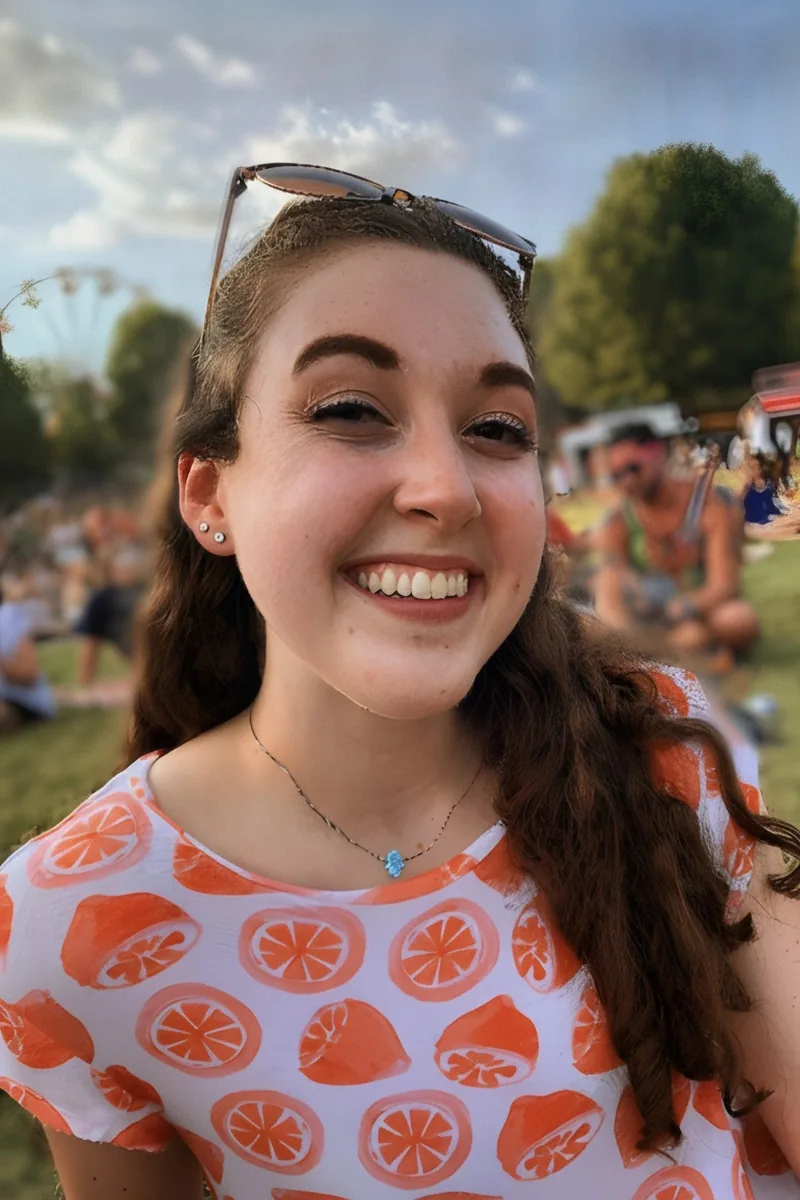
Studying art history at Vanderbilt means Elena doesn't just recognize a Bernini sculpture or a Mughal miniature — she can explain the cultural, religious, and political contexts that produced them. AP Art History covers 250 required works spanning global traditions, and Elena teaches students to analyze visual evidence using formal vocabulary like contrapposto, chiaroscuro, and iconography. She turns what feels like overwhelming memorization into a set of analytical patterns.
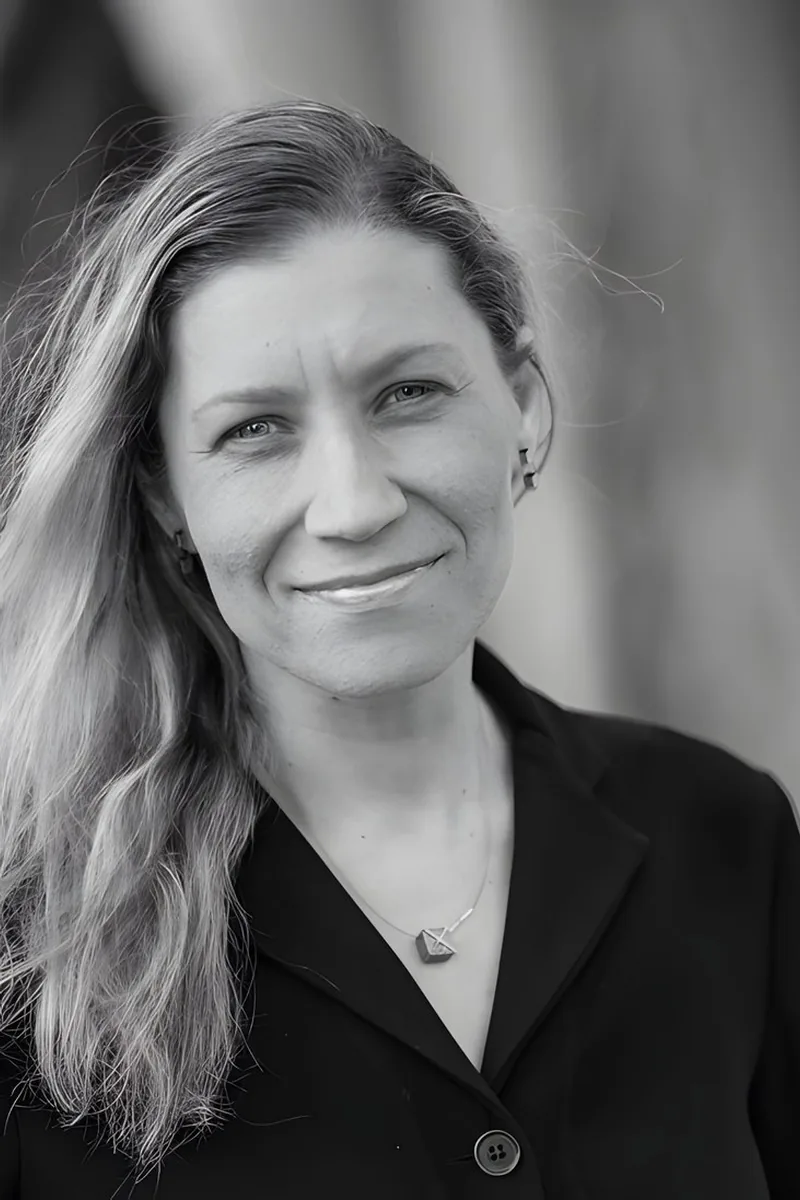
Christianna holds a master's in architecture, which means she doesn't just teach AP Art History's required works — she can explain the structural innovations behind the Pantheon's dome, the flying buttresses at Chartres, or Le Corbusier's use of reinforced concrete. That firsthand design knowledge turns memorization of periods and styles into genuine understanding of how and why art was made.
Volunteering at an ancient art museum, Sophie designed classes and presentations that taught visitors to read objects in their historical and cultural context — exactly the skill AP Art History's free-response questions test. Her Yale Humanities curriculum immerses her in the cross-disciplinary thinking the exam demands, from philosophical frameworks to political systems that shaped artistic patronage and production. Rated 5.0 by students.
Studying ancient Mediterranean civilizations at Carleton means Emma lives in the material AP Art History covers — Greek temple architecture, Roman sculptural programs, Near Eastern reliefs. She connects visual analysis to the historical and cultural contexts that the AP exam rewards, teaching students to write comparative essays that go beyond surface-level description.
A practicing photographer with an MFA from SCAD, Emily brings real fluency in visual analysis to AP Art History — she teaches students to move past surface description and articulate how form, context, and function intersect in works from the Global Prehistory image set through contemporary installations. Her background in both studio art and academic writing makes the comparison essay feel far less intimidating.
Traveling extensively across cultures gave Mat a firsthand sense of how art functions differently depending on its social and historical setting — the kind of cross-cultural thinking that drives AP Art History's contextual analysis questions. His history minor at NYU's Stern School of Business sharpened his ability to connect artistic production to broader economic and political forces, especially around patronage and trade. He teaches students to build arguments that link formal details to these larger narratives, which is where the exam's free-response points actually live.
MiMi is currently pursuing the same degree the AP Art History exam was built around — Art History, Criticism, and Conservation — at Stanford, which means she's actively studying the critical methodologies and conservation debates that underpin the course's approach to the 250-image set. Her coursework in modern languages also strengthens her ability to teach students how non-Western and cross-cultural works communicate meaning through form and context. A 34 ACT reflects the kind of sharp analytical reading that translates directly to the exam's timed essays.
Art history isn't just about identifying works — it's about explaining why a Gothic cathedral communicates power differently than a Mughal miniature. Jorge's anthropology background gives him a sharp eye for how art functions within its cultural context, from ritual objects in pre-Columbian societies to propaganda in twentieth-century regimes. He teaches students to build the kind of contextual analysis that earns top marks on the AP exam's essays.
Teaching high school history daily means Ben already walks students through the political upheavals, religious shifts, and colonial encounters that AP Art History's contextual questions demand — he just adds the visual layer on top of a narrative framework students already trust. His creative writing training also sharpens the free-response side, where building a clear analytical argument about a work's function or meaning matters as much as recognizing the image. Rated 5.0 by students.
Varun's Government and Film and Media Studies degrees give him two angles that converge neatly in AP Art History — he understands how political power and visual storytelling shape the production and reception of art across cultures. He teaches students to analyze works from the 250-image set through the lens of propaganda, patronage, and media, turning the contextual essay prompts into something that feels more like building an argument than recalling facts. Rated 4.8 by students.
Most students walk into AP Art History expecting a slide-memorization marathon and quickly discover the exam actually tests contextual analysis — explaining how a Benin bronze reflects trade networks or why Baroque architecture served Counter-Reformation goals. Sarah's interdisciplinary background in political science and her love of art give her a natural framework for connecting visual works to the power structures and cultural movements behind them. She teaches students to build the kind of comparative arguments the free-response questions demand.
Working as a museum educator at the Hudson River Museum, Vivian does daily what the AP Art History exam asks students to do on paper — she walks people through artworks and teaches them to see how historical context, religious function, and patronage shaped what ended up on the wall. Her Fordham training in theology, philosophy, and Medieval Studies gives her particular depth with the sacred and medieval works in the 250-image set, where understanding iconography and liturgical purpose is the difference between describing a work and actually analyzing it. Rated 5.0 by students.
Testimonials
Because the right AP Art History tutor makes all the difference.
Average Session Rating – Based on 3.4M Learner Ratings
Practice AP Art History
Free practice tests, flashcards, and AI tutoring for AP Art History
Nearby AP Art History Tutors
Other Milwaukee Tutors
Related Social Studies Tutors in Milwaukee
Frequently Asked Questions
The AP Art History exam covers global art and architecture from prehistory through the present day, organized into four time periods and multiple geographic regions including Africa, the Americas, Asia, Europe, and the Middle East. You'll need to identify artworks, understand their historical context, analyze artistic techniques, and make connections across cultures and time periods. The exam includes 250 multiple-choice questions and a free-response section where you'll analyze images and write about art in context.
The exam is 3 hours and 15 minutes total, split into two sections. Section I includes 250 multiple-choice questions (2 hours), and Section II includes four free-response questions (1 hour 15 minutes). The multiple-choice section tests your ability to identify artworks and understand historical context quickly, while the free-response section requires you to write analytical essays about images you haven't seen before. Pacing is critical—you'll have roughly 30 seconds per multiple-choice question, so practice under timed conditions is essential.
Students often struggle with memorizing 250+ artworks and their details, distinguishing between similar styles or periods, and writing analytical essays about unfamiliar images under time pressure. Many also find it challenging to balance breadth of knowledge (covering so many cultures and time periods) with depth of understanding. The free-response section particularly trips up students who haven't practiced analyzing images they've never studied before, which requires applying broader concepts rather than relying on memorization.
Start by organizing your study around the four time periods and geographic regions rather than trying to memorize randomly. Create visual flashcards with images, dates, and key context for each artwork. Take full-length practice tests regularly to build speed and accuracy on the multiple-choice section, and practice writing timed essays analyzing unfamiliar artworks. Spaced repetition—reviewing material over weeks rather than cramming—helps cement the massive amount of content. Many students benefit from studying in thematic groups (e.g., all Renaissance paintings together) to spot patterns and connections.
The free-response section tests your ability to analyze images you've never seen and connect them to broader historical and artistic concepts. Start by spending 30-60 seconds carefully observing the image—note the medium, style, composition, and any visible details. Then spend the bulk of your time explaining how the artwork reflects its historical context, cultural values, or artistic movements you've studied. Avoid simply describing what you see; instead, analyze why the artist made certain choices and what those choices reveal about the time period. Practice this skill repeatedly with unfamiliar artworks so you're comfortable thinking on your feet during the exam.
Score improvement depends on where you're starting and how much you practice, but students typically see meaningful gains by addressing specific weaknesses—whether that's faster image identification, stronger analytical writing, or better time management. Many students jump from a 2 or 3 to a 4 or 5 by working with a tutor to organize their study strategy, learn efficient memorization techniques, and practice timed essays with personalized feedback. Consistent practice with full-length tests is key; students who take practice tests weekly and review their mistakes typically see the most improvement.
Varsity Tutors connects you with expert tutors for students in Milwaukee who specialize in AP Art History and understand the exam's unique demands. You can get matched with a tutor who fits your schedule and learning style, whether you need help organizing your study plan, mastering difficult art periods, or practicing timed essays. Tutors can provide personalized feedback on your free-response writing and help you identify which artworks and concepts need more focus based on your practice test results.
Your first session is typically a chance to assess where you're starting from and what you need most help with. A tutor might ask about your current score, which time periods or regions feel strongest and weakest, and whether you're struggling more with the multiple-choice or free-response section. From there, you'll develop a personalized study plan focused on your specific gaps—whether that's building your image identification speed, strengthening your analytical writing, or learning better organization strategies for all that content. Most students find it helpful to have a tutor guide their overall study approach rather than just reviewing random topics.
Let’s find your perfect tutor
Answer a few quick questions. We’ll recommend the right plan and match you with a top 5% tutor.