Award-Winning Japanese Tutors
serving Milwaukee, WI
Japanese
Tutors in Milwaukee
Private 1-on-1 tutoring, weekly live classes for academic support, test prep & enrichment, practice tests and diagnostics, and more to elevate grades and test scores.
Based on 3.4M Learner Ratings
UniversitiesSchools & Universities
DeliveredHours Delivered
ProficiencyGrowth in Proficiency
Who needs tutoring?
No obligation. Takes ~1 minute.
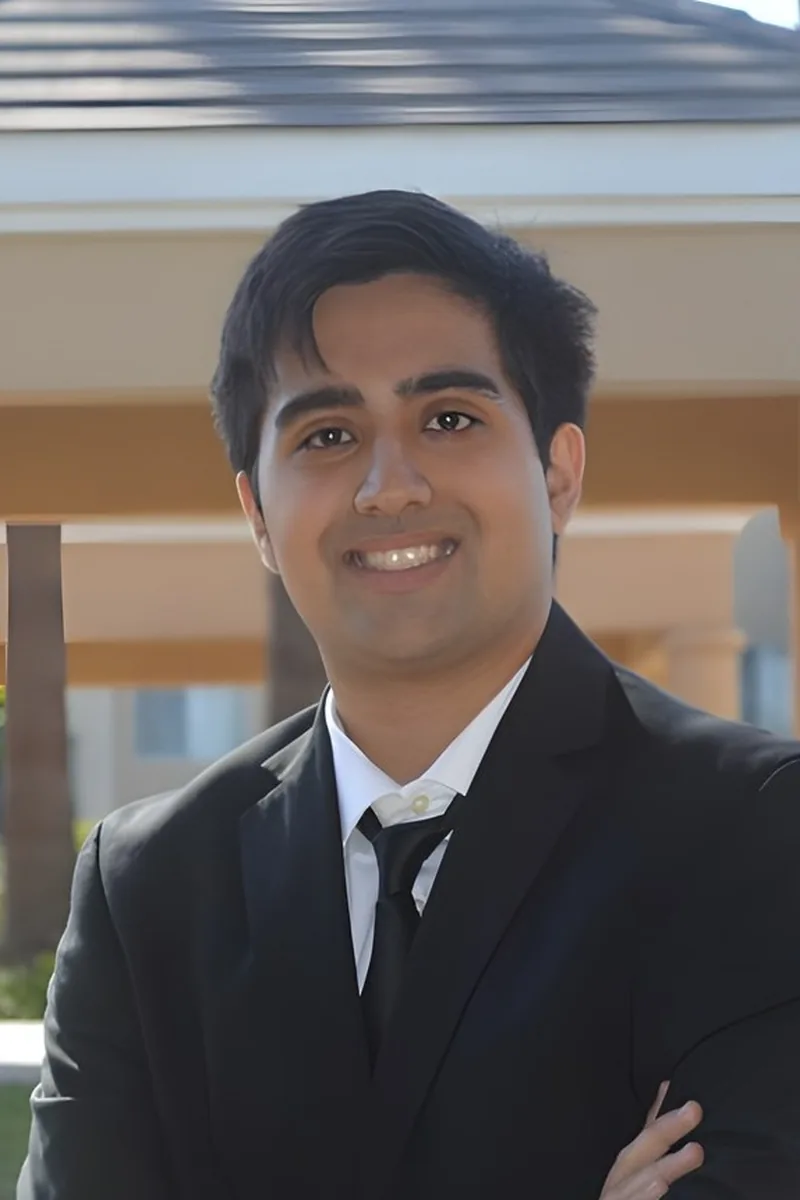
Having completed an Asian Languages minor at UCLA, Abrahim brings formal training in Japanese grammar, kanji acquisition, and reading comprehension to his tutoring. He approaches the language methodically — building from particle usage and verb conjugation patterns up to reading authentic texts — which works especially well for students who want structure rather than immersion-only learning.
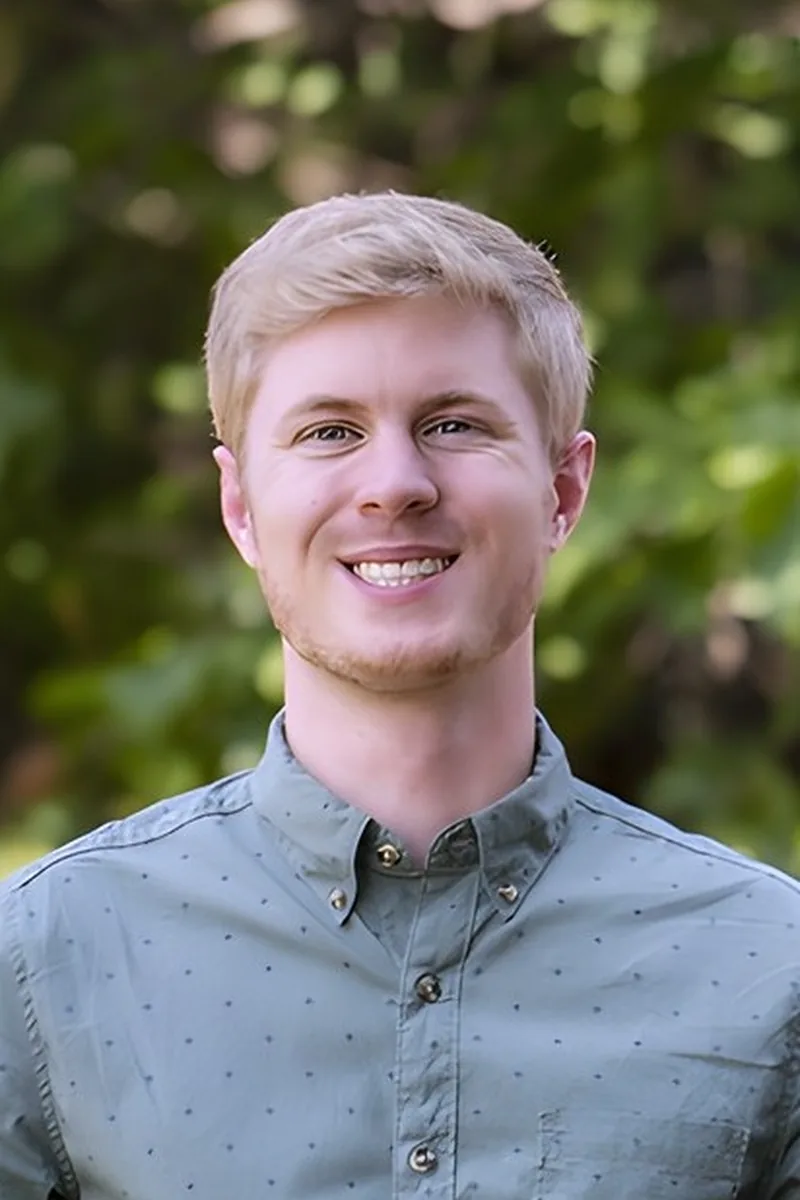
Holding a degree in Japanese Studies, Andrew brings deep familiarity with not just hiragana, katakana, and kanji but also the cultural context that shapes how the language actually works — keigo politeness levels, sentence-ending particles, and the logic behind counter words. He connects grammar patterns to real conversation so students internalize structures instead of just drilling flashcards.
Shona's semester abroad in Seville proved that immersion reshapes how you learn any language — a lesson she carries into teaching Japanese, where she emphasizes building comfort with sentence patterns and particles through active use rather than translation drills. Her AP Japanese Language and Culture tutoring draws on both her structured math-trained thinking and her own experience navigating a second language in real-world settings. Rated 4.9 by students.
I currently work for an afterschool enrichment program (Best Brains) tutoring elementary English and math, and I have 4+ years of experience as a private ESL tutor for both children and adults. I am working toward my Masters of Science in Secondary English Education and ESL at the University of Wisconsin- Madison. I graduated from the University of Oregon with a Bachelor of Arts in Comparative World Literature and Japanese, and from the University of Wisconsin-Madison with a Master of Arts in Japanese Language and Literature. I began tutoring while I was in high school, assisting with algebra homework. In college, I volunteered as a kindergarten reading assistant through a program called Start Making a Reader Today. I later volunteered while in graduate school at a local high school tutoring students in beginner Japanese. I have also been employed by the University of Wisconsin as a Teaching Assistant, and taught in Religious Studies and East Asian Studies. In all cases, it has been a pleasure watching students progress in their academics and to see them grow as young scholars. I especially enjoy teaching language arts because of the feeling of connection that language can bring. My favorite part of teaching is seeing the smiling face of someone the moment that they finally "get" something they've been struggling with and watching their confidence boost. In my free time, I host a small book club, pen pal with friends around the world, and try my hand at new recipes.
Learning Japanese means juggling three writing systems, unfamiliar sentence structures, and layers of politeness that don't exist in English. Aki breaks down hiragana, katakana, and basic kanji recognition alongside grammar patterns like particle usage and verb conjugation, building reading and conversational skills in parallel.
Learning Japanese means juggling three writing systems, a grammar structure that's the reverse of English, and cultural nuances that change how you speak depending on who you're talking to. Natasha taught Japanese at the high school level and lived in Japan teaching in elementary schools, giving her the kind of practical fluency that makes hiragana drills, particle usage, and conversational practice feel grounded in real life. She's 5.0-rated and works with beginners through advanced learners.
Most students stall in Japanese once they move past hiragana and katakana into kanji recognition and grammatical particles like は versus が. Wahala minors in Japanese at Indiana University Bloomington and treats the language as a system to decode — connecting sentence structure, verb conjugation patterns, and cultural context so that reading and conversation reinforce each other.
Having prepared for and taken the SAT Subject Test in Japanese with Listening, Dylan brings practical fluency in grammar structures like particle usage, verb conjugation groups, and honorific registers. He tackles reading comprehension by teaching students to decode kanji compounds in context rather than relying purely on rote memorization. Rated 5.0 by students.
I am motivated in addressing the disparities in educational equity here in the Twin Cities, particularly for students of color and students of differing socio-economic backgrounds. I work to build strong relationships with students to determine the strengths and knowledge they bring to the table.
I am a great tutor because not only are my fundamental verbal and quantitative skills strong, but I am able to communicate my reasoning and problem solving skills quickly and clearly.
I am particularly passionate about math as well as standardized test prep. I studied math on a double-accelerated track throughout middle school and high school, covering math from algebra to multivariable calculus. Aside from teaching academic subjects, I am also trained in playing the piano and violin, having taken lessons for piano from the ages of 4 to 18 and playing violin in my school orchestra from 5th to 12th grade. I love working with students to improve their skills in an area of study, and my favorite part is getting to see them gain confidence in themselves and their own abilities!
Briana minored in Japanese at Michigan State, giving her a grounded understanding of the language's grammar patterns, particle usage, and writing systems — hiragana, katakana, and introductory kanji. She approaches Japanese as someone who learned it systematically in an academic setting, which means she can explain the "why" behind structures that often confuse English speakers.
I am studying Chemical Biology in UC Berkeley. One of my passions is Organic Chemistry, which I used to loath but now enjoys after taking a year of it. Also, because I like helping others, I enjoys tutoring/teaching students who are struggling. During high school, I have tutored other high students after school on various subjects such as Math, Physics, Chemistry, and Latin. During college, I have held informal review sessions for General Chemistry and Organic Chemistry for my underclassmen. I tutored my roommate and one of my underclassmen in Organic Chemistry. Finally, with a Graduate Student TA, I co-taught a Organic Chemistry Lab class section , where I answer questions regarding lab material and demonstrate lab techniques. Currently, I am interested in tutoring Organic Chemistry, General Chemistry, Biochemistry, Physics, and Calculus
Crystal minored in Japanese Language and Culture at Northern Kentucky University, so she brings both formal study and genuine cultural curiosity to teaching everything from kana writing to grammar fundamentals. Her day job as a K-12 reading and ESL instructor means she's trained to break down unfamiliar language structures for learners at any level — a skill that pays off when explaining Japanese concepts like sentence-final particles or basic verb tenses that have no English equivalent. Rated 5.0 by students.
During his final summer at NYU, William traveled to Japan to study the language alongside traditional music and wartime film, grounding his Japanese in real cultural context. That immersive experience means he connects vocabulary and grammar to the situations where they're actually used — from reading signs and menus to discussing historical texts. He's especially strong at bridging the gap between textbook Japanese and how the language sounds in practice.
As an Asian Studies major at Duke, Caitlin engages with Japanese language in an academic context that goes beyond textbook dialogues — she understands how kanji, hiragana, and katakana each function within the writing system and why particles like は and が trip up English speakers. She walks through sentence structure and honorific levels with cultural context that makes the grammar patterns memorable.
Testimonials
Because the right Japanese tutor makes all the difference.
Average Session Rating – Based on 3.4M Learner Ratings
Nearby Japanese Tutors
Other Milwaukee Tutors
Related Languages Tutors in Milwaukee
Frequently Asked Questions
Your first session is an opportunity to connect with a tutor and discuss your goals—whether you're preparing for AP Japanese, building conversational skills, or starting from scratch. The tutor will assess your current level across reading, writing, speaking, and listening, then create a personalized plan that fits your pace and learning style. This initial conversation helps ensure you're matched with someone who understands what you want to achieve.
In most classroom settings, students get limited time to actually speak Japanese aloud. With personalized 1-on-1 instruction, you have dedicated time to practice conversation, receive immediate feedback on pronunciation and accent, and build confidence speaking in real-time. Tutors can tailor dialogue practice to your interests—whether that's ordering food, discussing current events, or preparing for a specific exam—making speaking practice feel natural rather than scripted.
Japanese grammar works very differently from English—verb conjugations, particles, and sentence structure can feel overwhelming at first. A tutor can break down complex concepts like verb tenses, particles (は, を, に), and keigo (polite language) into digestible pieces, then give you targeted practice until they stick. Rather than memorizing rules in isolation, personalized instruction helps you see how grammar functions in real conversation, making it easier to internalize and apply.
Vocabulary sticks when you encounter it repeatedly in context and use it actively in conversation. Tutors can use spaced repetition strategies—reviewing words at increasing intervals—combined with speaking practice so you're not just memorizing lists but actually using new words in dialogue. This approach helps move vocabulary from short-term memory into long-term retention, especially for kanji and specialized terms.
Language and culture are deeply connected—understanding cultural context helps you use Japanese appropriately and appreciate nuance in what you're learning. Tutors often weave cultural insights into lessons: why certain honorific forms matter, how seasonal references appear in everyday speech, or the significance of different writing systems. This cultural immersion makes learning richer and helps you communicate with authenticity, not just accuracy.
Kanji mastery comes from seeing characters in context repeatedly—reading short texts, noticing patterns in radicals, and connecting characters to words you actually use. A tutor can guide you through strategic kanji study that focuses on the characters most relevant to your goals, whether that's JLPT preparation or reading manga and news. Combined with writing practice in real sentences, this approach is far more efficient than isolated flashcard drilling.
Reaching conversational fluency typically requires 600-750 hours of active study and practice—the timeline depends on your starting point, how frequently you study, and how much you speak. With consistent personalized tutoring combined with your own practice, many students reach basic conversational ability (JLPT N4 level) within 6-12 months. Fluency is a journey, not a destination, and a tutor can help you set realistic milestones and track progress along the way.
Look for tutors with native or near-native fluency, teaching experience, and ideally familiarity with Japanese proficiency standards like JLPT or AP Japanese exam requirements. Whether a tutor has lived in Japan, studied linguistics, or has formal teaching credentials matters less than their ability to explain concepts clearly and adapt to your learning style. Varsity Tutors connects you with experienced Japanese tutors in Milwaukee who can speak to their background and teaching approach during your first session.
Let’s find your perfect tutor
Answer a few quick questions. We’ll recommend the right plan and match you with a top 5% tutor.