Award-Winning AP US History Tutors
serving Madison, WI
AP US History
Tutors in Madison
Private 1-on-1 tutoring, weekly live classes for academic support, test prep & enrichment, practice tests and diagnostics, and more to elevate grades and test scores.
Based on 3.4M Learner Ratings
UniversitiesSchools & Universities
DeliveredHours Delivered
ProficiencyGrowth in Proficiency
Who needs tutoring?
No obligation. Takes ~1 minute.
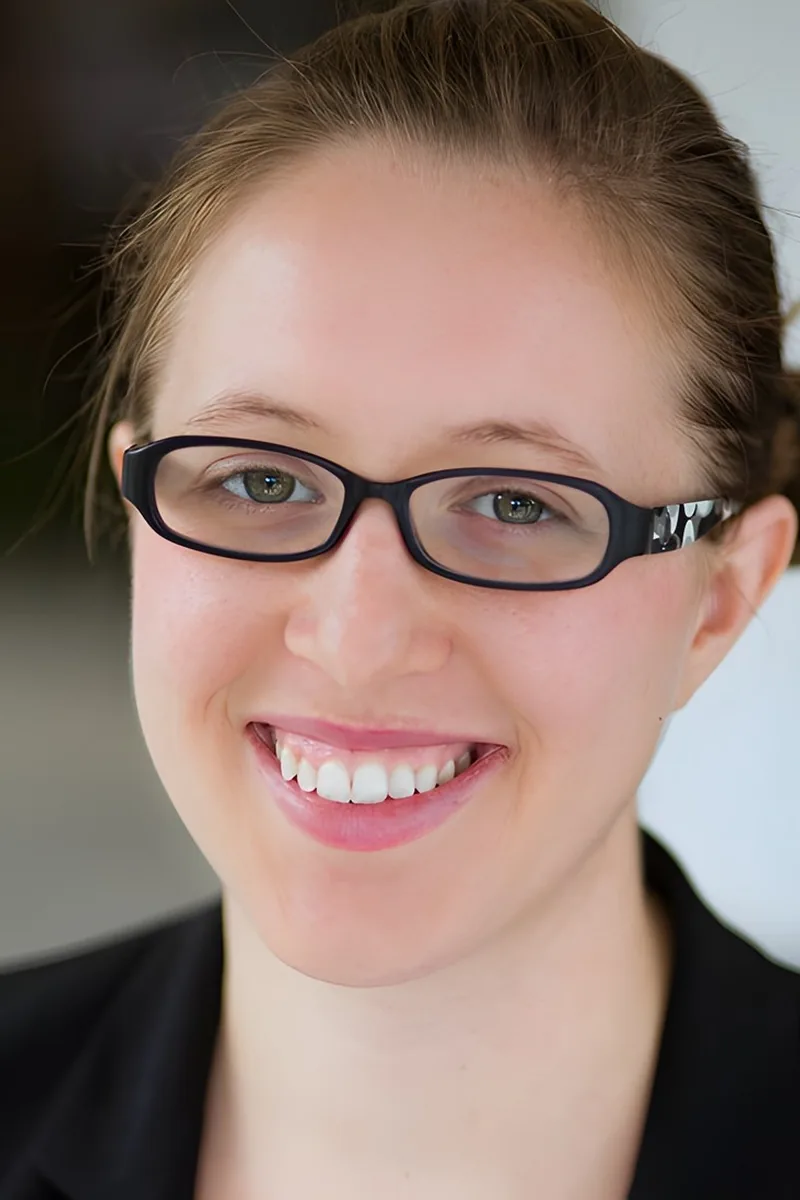
Theater training builds a surprisingly useful APUSH skill — Amber knows how to read a text for subtext, audience, and intent, which is exactly what document-based questions ask students to do with political speeches, editorials, and propaganda. Her 1570 SAT and 35 ACT reflect the kind of timed analytical performance the exam rewards, and her casting background means she's practiced at quickly sizing up what someone is really trying to communicate. Rated 5.0 by students.

APUSH rewards students who can construct arguments from evidence, not just recall dates — and Julia's history degree means she teaches the DBQ and LEQ as exercises in persuasion, not fill-in-the-blank summaries. She connects each period's themes (from mercantilism through the New Deal) to the kind of causation and continuity reasoning that earns top scores on the exam.
As a first-generation college student who graduated cum laude from UCLA with a biology degree and Asian Languages minor, Abrahim brings an outsider's analytical eye to American history — he learned to question assumptions rather than take narratives at face value. That mindset translates well to APUSH's emphasis on sourcing and contextualization, where students need to interrogate *why* a document was created, not just what it says. Rated 5.0 by students, he approaches each historical period as a puzzle to decode rather than a list to memorize.
Mark's economics and international relations coursework at Tufts covered the same policy debates and institutional power struggles that dominate APUSH — tariff fights, trade realignments, the economic logic behind everything from Hamilton's Report on Manufactures to Reagan-era deregulation. That background makes him especially sharp on the causation and continuity-and-change reasoning the exam's essays demand, since he can show students why economic forces drove political decisions across periods rather than treating each era as isolated. Rated 4.9 by students.
An electrical engineering degree from UIUC doesn't scream APUSH — but Wei's training in systematic problem-solving gives him a structured approach to the exam's essay components, breaking DBQ and LEQ prompts into clear claims, evidence, and reasoning chains the way he'd break down a circuit. His engineering career also means he can make industrial-era topics like technological innovation, labor shifts, and economic transformation concrete rather than abstract. Rated 5.0 by students.
Kelly holds both a BA and an MA in History, which means she spent graduate-level seminars doing exactly what APUSH expects of high schoolers — wrestling with competing primary sources and defending interpretive claims about periods like the early republic or the civil rights era. Her English literature training doubles as essay coaching, since she can sharpen a student's DBQ thesis and their prose mechanics in the same session.
A psychology and communication studies background gives Paula a dual lens that's particularly useful for APUSH's trickiest essay prompts — the ones asking students to analyze how rhetoric, propaganda, and public persuasion shaped movements from the Revolution through the Cold War. She teaches document analysis as an exercise in reading audience and intent, skills her communication training made second nature. Rated 4.8 by students.
The AP US History exam rewards students who can do two things fast: identify historical causation and write a thesis-driven essay under time pressure. Scott tackles both by teaching students to read documents like an anthropologist — pulling out perspective, audience, and purpose before jumping to conclusions. His deep background in social studies and essay writing makes the DBQ and LEQ feel far less intimidating.
AP US History's exam doesn't just test what happened — it tests whether a student can construct an argument using documents they've never seen before. Jon's Asian American Studies background at UCLA gave him deep experience analyzing primary sources through the lens of race, immigration, and social movements, which maps directly onto the DBQ and LEQ skills the exam demands.
The AP US History exam rewards students who can construct a defensible thesis under time pressure — not just recall facts but deploy them as evidence in a DBQ or LEQ. Aaron unpacks primary documents with students, teaching them to identify point of view, purpose, and historical context before writing a single sentence. His interdisciplinary background in geology and biochemistry also brings an unusual lens to topics like industrialization and environmental policy.
A senior thesis on the Byzantine Basilica of San Vitale taught Elena to read historical sources the way APUSH expects — analyzing context, audience, and purpose rather than just summarizing what happened. Her double background in Art History and History from Washington University in St. Louis means she's practiced at connecting cultural evidence to broader political and social narratives, which is exactly the skill that separates strong DBQ and LEQ essays from mediocre ones.
A Master of Public Policy degree means Erika spent graduate school analyzing how American institutions evolved and why specific policy decisions — from the New Deal to the Great Society — reshaped the country. That lens gives her a natural edge when teaching APUSH's thematic threads around government power, reform movements, and political realignment. Rated 5.0 by students, she connects policy context to the kind of argumentation the exam actually scores.
AP US History's document-based questions reward a specific skill: synthesizing multiple sources into a coherent argument under time pressure. Maggie teaches students to quickly categorize documents by perspective and purpose, then build a thesis that doesn't just describe events but explains why they mattered. Her perfect SAT score reflects the same analytical rigor she brings to historical reasoning.
A European history major at Johns Hopkins who also tutored AP US and World History for years, Alexander knows exactly where the overlap between these curricula pays off — students who can trace how Enlightenment thought shaped the Declaration of Independence or how WWI's aftermath drove American isolationism earn the cross-period connections APUSH essays reward. He zeroes in on the causation and contextualization skills that turn a content-dump essay into one that actually scores well on the DBQ and LEQ. Rated 4.7 by students.
Before medical school, Jessica earned her history degree at Penn — meaning she studied American political and constitutional development at a university where those debates literally happened, steps from Independence Hall and the National Constitution Center. That immersion in primary-source-rich coursework carries over to APUSH's document-based questions, where she teaches students to read for authorial intent and historical context before building their thesis. Rated 4.8 by students.
I am currently a senior at Northwestern University and I will be receiving a Bachelor of Arts in Political Science and Legal Studies this spring. In the fall, I will begin attending law school at Northwestern Law. For many years, I tutored a wide range of students in Spanish, English literature, and writing. I have also continued to help many high school seniors with college application essays. While I tutor a variety of subjects, I am very passionate about helping students improve their reading and writing skills, and I really enjoy helping students with Critical Reading and Writing portions of Standardized Tests. I love working with students and helping them realize their full academic potential. In my spare time, I enjoy traveling, exploring Chicago, reading, and cooking.
AP US History's Document-Based Questions are essentially legal briefs in miniature — you evaluate evidence, identify bias, and construct an argument under time pressure. John holds a history degree and a PhD in law, which means he can teach students to dissect primary sources and write thesis-driven essays that score well on the DBQ, LEQ, and SAQ formats.
Kirstie's liberal arts training and Master's in Education come together most visibly in APUSH's essay sections, where students need to do two things at once — read primary sources with a literary eye and marshal them into a historically grounded argument. She leans heavily on her AP English skills when teaching document analysis, showing students how to identify an author's purpose and audience before they ever start writing their thesis. Rated 5.0 by students.
Testimonials
Because the right AP US History tutor makes all the difference.
Average Session Rating – Based on 3.4M Learner Ratings
Practice AP US History
Free practice tests, flashcards, and AI tutoring for AP US History
Nearby AP US History Tutors
Other Madison Tutors
Related Social Studies Tutors in Madison
Frequently Asked Questions
Score improvement depends on your starting point and commitment level, but students typically see meaningful gains within 8-12 weeks of consistent preparation. Many students jump from a 2 or 3 to a 4 or 5 by focusing on the exam's specific format—the Document-Based Question (DBQ), Long Essay Question (LEQ), and multiple-choice sections each require different skills. A tutor can identify which sections are holding you back and build targeted strategies to strengthen those areas.
The DBQ and LEQ are worth 40% of your AP US History score, so mastering them is critical. Expert tutors focus on teaching you the College Board's rubric—thesis clarity, evidence integration, and historical reasoning—rather than just general essay writing. With practice and feedback on your actual essays, you'll learn to analyze documents strategically, develop arguments quickly under time pressure, and avoid common pitfalls like simply summarizing sources instead of analyzing them.
The 3-hour exam can feel rushed if you haven't practiced with realistic time constraints. Tutors help you develop a strategic approach: spending 15 minutes on the DBQ reading/planning, 40 minutes writing, 50 minutes on the LEQ, and 45 minutes on multiple-choice. Through timed practice tests, you'll build the stamina and rhythm needed to work efficiently without sacrificing quality, and you'll learn which questions to tackle first based on your strengths.
AP US History isn't about memorizing dates and facts—it's about understanding historical themes, causes, and consequences. The exam tests your ability to analyze primary sources, make connections across time periods, and construct arguments using evidence. A tutor helps you focus on the major themes and turning points that appear repeatedly on the exam, so you develop conceptual understanding rather than rote memorization, which actually leads to better retention and higher scores.
Most students find certain eras (like Reconstruction or the Cold War) or themes (like social movements or economic systems) more challenging than others. Varsity Tutors connects you with tutors who can focus on your weak spots, breaking down complex topics into manageable pieces and showing you how they connect to the broader narrative. They'll also help you see how these periods appear in different question formats, so you're prepared no matter how the exam tests your knowledge.
The multiple-choice section rewards both content knowledge and test-taking strategy. Many students lose points by misreading questions, falling for trap answers, or second-guessing themselves. Tutors teach you to identify question types, eliminate wrong answers systematically, and recognize common AP US History themes that appear in wrong answer choices. With practice, you'll develop confidence in your reasoning and avoid careless mistakes that cost points.
Test anxiety often stems from feeling unprepared or uncertain about what to expect. Regular practice with full-length exams under timed conditions builds confidence and familiarity, which naturally reduces anxiety. Tutors also help you develop a pre-exam routine and mental strategies—like breaking the exam into manageable chunks and reminding yourself that you don't need a perfect score to earn a 5. When you know you've practiced thoroughly, the actual test feels less intimidating.
Varsity Tutors connects Madison students with expert tutors who specialize in AP US History and understand the exam's unique demands. When you get matched with a tutor, you'll work together to assess your current level, identify your biggest challenges, and create a personalized study plan tailored to your timeline and goals. Most students start tutoring 8-12 weeks before the exam, though earlier preparation gives you more time to build deep understanding.
Let’s find your perfect tutor
Answer a few quick questions. We’ll recommend the right plan and match you with a top 5% tutor.