Award-Winning Organic Chemistry Tutors
serving Milwaukee, WI
Organic Chemistry
Tutors in Milwaukee
Private 1-on-1 tutoring, weekly live classes for academic support, test prep & enrichment, practice tests and diagnostics, and more to elevate grades and test scores.
Based on 3.4M Learner Ratings
UniversitiesSchools & Universities
DeliveredHours Delivered
ProficiencyGrowth in Proficiency
Who needs tutoring?
No obligation. Takes ~1 minute.
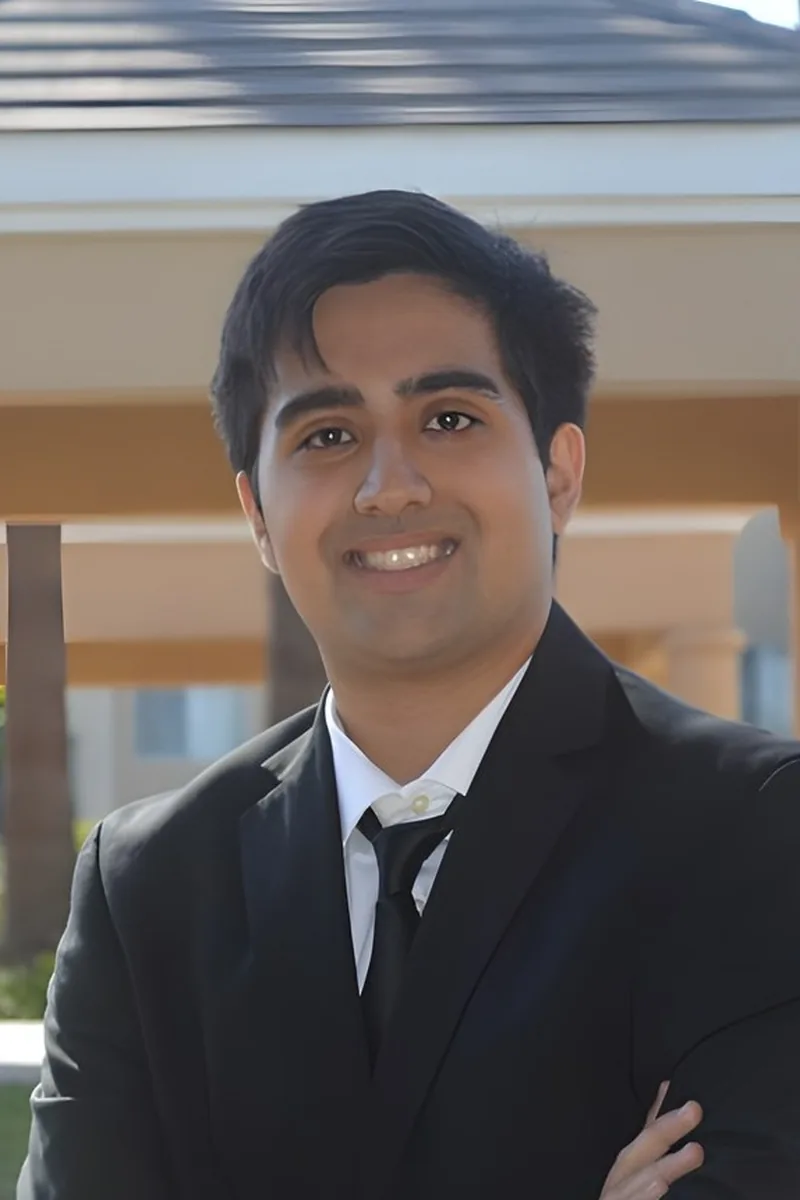
Reaction mechanisms are the language of organic chemistry, and most students struggle because they try to memorize arrows instead of understanding electron flow. Abrahim unpacks each mechanism — SN1 vs. SN2, E1 vs. E2, electrophilic aromatic substitution — by starting with nucleophilicity, sterics, and leaving-group ability so the logic drives the arrow-pushing rather than the other way around. His 5.0 rating speaks to how well that approach clicks.
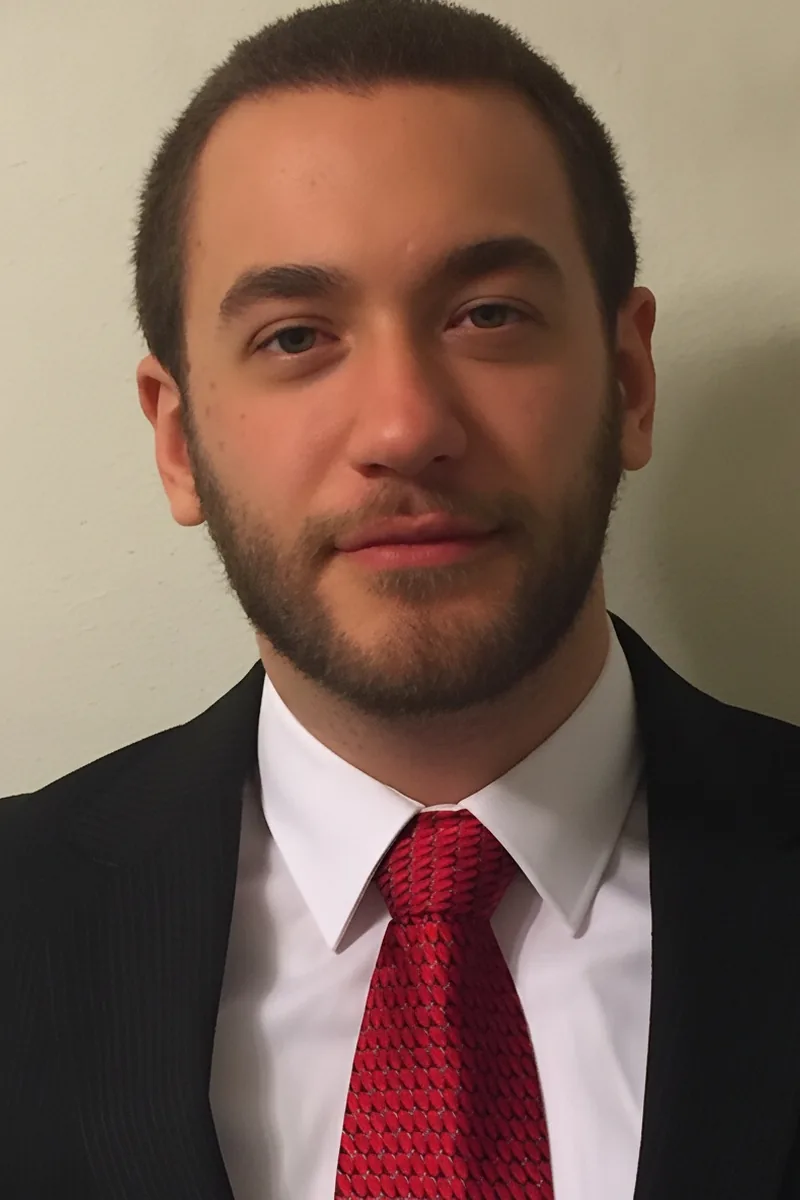
A zoology degree means Eitan encountered organic chemistry where it matters most — understanding how biomolecules behave, how enzymes catalyze specific transformations, and why functional groups dictate a molecule's biological fate. He uses that life-science context to teach concepts like stereochemistry and carbonyl reactivity in ways that feel grounded rather than abstract. Rated 5.0 by students.
Chemical engineering at Cornell meant Rahul didn't just pass organic chemistry — he applied it daily in reactor design, synthesis planning, and thermodynamic analysis of reaction pathways. That engineering lens gives him a distinctive angle on topics like carbonyl chemistry and stereoselectivity, where he ties mechanism logic back to energy landscapes and kinetic versus thermodynamic control. Rated 4.9 by students.
I am a freshman at Vanderbilt University studying biochemistry and involved in analytical chemistry research. Despite my studies being very science oriented, I also enjoy studying English and the humanities. I'd be happy to tutor you in any of these areas!
Reaction mechanisms are the language of organic chemistry, and Casey reads them fluently after years of bioengineering coursework that demanded constant fluency in electron-pushing, stereochemistry, and functional group transformations. She teaches students to recognize patterns across reaction types — why nucleophilic additions behave the way they do, how leaving groups dictate substitution vs. elimination — so each new chapter feels like a variation on something familiar rather than a fresh nightmare.
Studying chemistry at Harvard while preparing for Columbia Medical School means James has worked through organic chemistry from both the academic and pre-med sides — understanding mechanisms deeply enough to satisfy a chemistry major, and efficiently enough to apply them in biochemistry and pharmacology contexts. He's particularly strong at teaching students how to predict reaction outcomes by analyzing charge stability and leaving group trends rather than treating each transformation as a new thing to memorize. Rated 4.9 by students.
Reaction mechanisms are the language of organic chemistry, and Troy spent two semesters teaching that language as an organic chemistry TA. He walks students through arrow-pushing, stereochemical outcomes, and retrosynthetic analysis by emphasizing the handful of recurring electronic patterns that make hundreds of reactions predictable rather than random.
Most organic chemistry struggles come down to not recognizing patterns — why a nucleophile attacks here and not there, or how electron-pushing arrows predict a product. Eric's graduate training in chemistry means he teaches reaction mechanisms as a connected framework of electronic and steric principles rather than a list of isolated reactions. Students rated him 5.0.
Studying biochemistry and molecular biology means Raj encountered organic chemistry not as a single course but as the language underlying everything from enzyme kinetics to metabolic pathways — so he teaches functional group reactivity and stereochemistry with that bigger picture always in view. His 5.0 rating and a perfect 36 ACT reflect someone who thinks systematically, which translates directly into how he walks students through multi-step synthesis problems: identify the transformation, trace the electron flow, then confirm the regiochemistry.
Max spent much of high school independently pursuing organic chemistry through coursework and projects well beyond what was required — the kind of deep, self-driven study that builds real fluency with reaction types and synthesis logic. His chemistry degree from MIT and mathematical instincts mean he approaches problems like retrosynthetic analysis and multi-step mechanism design as structured puzzles, breaking each one into clear decision points. Rated 5.0 by students.
Reaction mechanisms are the language of organic chemistry — if you can't follow electron movement through a nucleophilic substitution or an elimination, every new reaction feels like something to memorize from scratch. Cassandra teaches students to recognize the patterns that repeat across seemingly different reactions: leaving group quality, steric effects, acid-base behavior. That pattern-recognition approach, sharpened by her biology and biochemistry background, turns a notoriously overwhelming course into something students can actually reason through.
Reaction mechanisms are essentially stories told with curved arrows, and the trick is learning to read them rather than memorize hundreds individually. Mark approaches organic chemistry by teaching students to recognize patterns — nucleophilic attacks, leaving group stability, steric effects — so they can predict products on reactions they've never seen before. His chemistry coursework at Notre Dame keeps these concepts fresh and grounded in real molecular behavior.
Studying physics with a concentration in chemical principles at Penn means Max encounters organic chemistry from the physical side first — thermodynamics of reaction pathways, orbital interactions driving nucleophilic attacks, and the energy landscapes that determine whether a substitution or elimination wins out. That perspective lets him teach mechanisms by grounding arrow-pushing in the physics of why electrons move, not just where they go.
Four years of tutoring organic chemistry at Yale — while simultaneously doing pre-med coursework — gave Marcus a sharp sense of where students get stuck, particularly with carbonyl reactivity and multi-step synthesis planning. His current research at the Hospital for Special Surgery keeps him actively applying these concepts, so he teaches functional group transformations as interconnected tools rather than an isolated reaction catalog.
Testimonials
Because the right Organic Chemistry tutor makes all the difference.
Average Session Rating – Based on 3.4M Learner Ratings
Practice Organic Chemistry
Free practice tests, flashcards, and AI tutoring for Organic Chemistry
Nearby Organic Chemistry Tutors
Other Milwaukee Tutors
Related Science Tutors in Milwaukee
Frequently Asked Questions
Organic Chemistry requires mastering both abstract concepts—like resonance structures and reaction mechanisms—and spatial visualization of 3D molecular structures. Many students struggle with the sheer volume of reactions to learn, but the real challenge is understanding *why* reactions occur rather than memorizing them. Personalized tutoring helps students build a conceptual foundation so they can predict reaction outcomes instead of relying on rote memorization.
Your first session is about understanding your specific challenges—whether that's drawing mechanisms, predicting products, or grasping reaction theory. A tutor will assess your current level, identify knowledge gaps, and create a personalized plan focused on your course goals. You'll leave with clarity on where to focus your efforts and concrete strategies for tackling difficult concepts.
Reaction mechanisms are the heart of Organic Chemistry, and many students find them intimidating because they require visualizing electron movement and predicting molecular behavior. Expert tutors break mechanisms into manageable steps, use drawing techniques to clarify electron flow, and connect mechanisms to real-world applications like drug synthesis or polymer formation. This deeper understanding makes it easier to predict reactions you've never seen before.
Absolutely. Many students struggle to see how lab experiments relate to classroom theory, which makes both harder to understand. Tutoring bridges this gap by explaining the *why* behind lab procedures and helping you interpret experimental results through the lens of reaction mechanisms and molecular theory. This connection strengthens both your conceptual understanding and your ability to perform well on exams and in the lab.
Ideally, starting 4-6 weeks before an exam gives you time to build understanding rather than just cramming. However, even a few weeks of focused tutoring can help you target weak areas and practice problem-solving strategies. If you're already struggling partway through the course, starting sooner helps prevent gaps from compounding as new material builds on previous concepts.
Look for tutors with strong chemistry backgrounds—ideally a degree in chemistry or biochemistry and experience teaching Organic Chemistry at the college level. They should be able to explain concepts clearly, help you visualize molecular structures, and guide you through problem-solving rather than just giving you answers. Varsity Tutors connects you with expert tutors in Milwaukee who understand the specific curriculum and challenges students face.
Visualization improves with practice and the right tools. Tutors often use molecular models, drawing techniques, and software to help you build spatial intuition for how atoms bond and rotate in 3D space. Regular practice with different representation methods—ball-and-stick models, wedge-dash drawings, Newman projections—trains your brain to switch between 2D and 3D thinking, making mechanisms and stereochemistry much clearer.
Tutoring rates vary based on the tutor's experience and expertise, but Varsity Tutors helps you find options that fit your budget. You can discuss pricing and frequency with a tutor directly—many students find that consistent sessions (even weekly) are more effective than sporadic intensive cram sessions. Contact Varsity Tutors to explore options for students in Milwaukee.
Let’s find your perfect tutor
Answer a few quick questions. We’ll recommend the right plan and match you with a top 5% tutor.