Award-Winning Spanish Tutors
serving Columbia, SC
Spanish
Tutors in Columbia
Private 1-on-1 tutoring, weekly live classes for academic support, test prep & enrichment, practice tests and diagnostics, and more to elevate grades and test scores.
Based on 3.4M Learner Ratings
UniversitiesSchools & Universities
DeliveredHours Delivered
ProficiencyGrowth in Proficiency
Who needs tutoring?
No obligation. Takes ~1 minute.
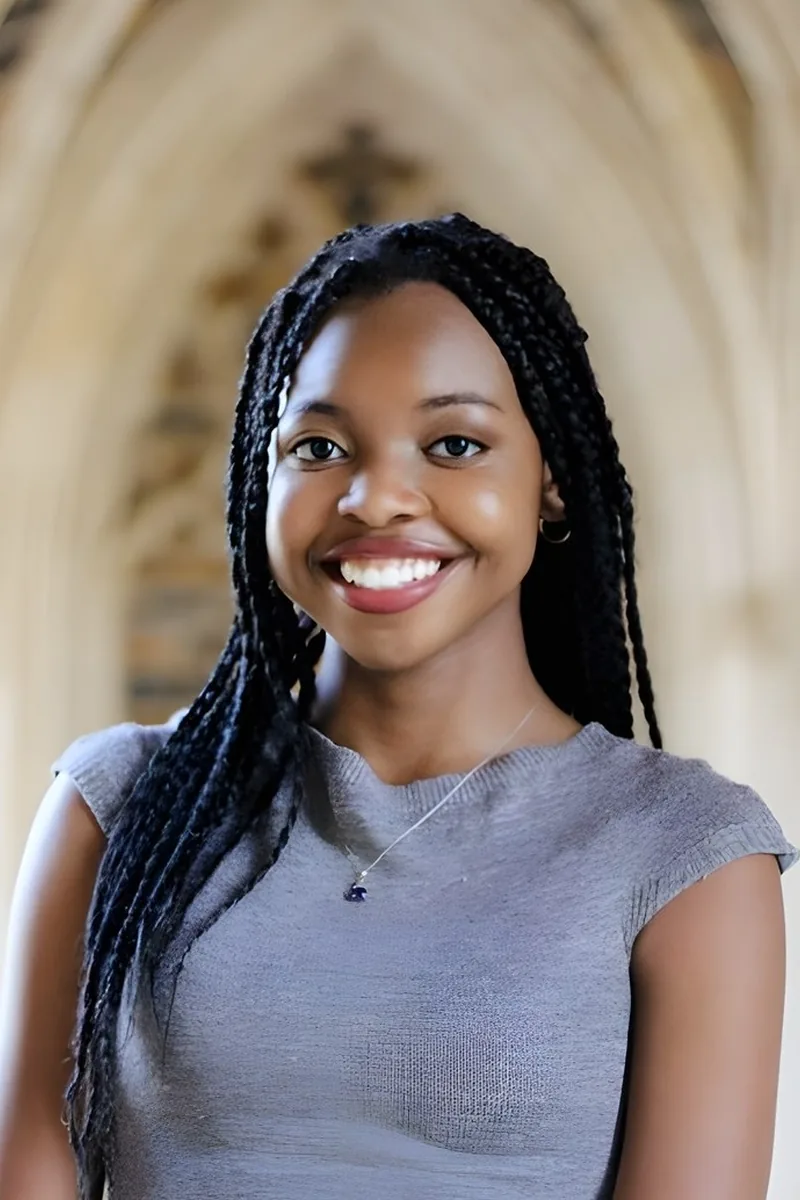
Beginner Spanish — verb conjugations, gendered nouns, building basic conversational sentences — is where Lenique thrives in this subject. Growing up in a large Caribbean family gave her genuine cultural context for the language, which she uses to make vocabulary and grammar practice feel connected to real life rather than abstract drills.

Katheryn minored in Spanish at the University of Georgia, giving her a depth that goes well beyond introductory vocabulary and verb conjugations. She tackles tricky grammar concepts like the subjunctive mood, ser versus estar, and preterite-versus-imperfect distinctions by connecting them to how native speakers actually think about time and certainty. Students working through Spanish 1, 2, or 3 get someone who can explain the why behind the rules.
I am currently pursuing a degree in Chemical Engineering and Spanish at Virginia Tech. I have a strong academic record in my fields. I enjoy sharing knowledge and helping others overcome learning challenges. Through previous tutoring, I have developed excellent communication, organization, and problem-solving skills. I am comfortable using online learning technologies and am committed to providing engaging, supportive lessons that help students reach their full potential.
Matt minored in Spanish during his undergraduate studies and has carried the language through multiple levels of coursework, from foundational grammar to advanced composition. He tackles tricky areas like subjunctive mood, ser versus estar distinctions, and preterite-imperfect contrasts by linking each rule to real usage patterns rather than rote conjugation charts. Rated 5.0 by students.
Having studied Spanish formally at Columbia University and earned a degree in the subject, Molly approaches the language through both grammar mechanics and real-world usage. Whether a student is working through verb conjugation patterns, navigating subjunctive mood, or building reading comprehension skills, she connects each concept to practical communication so the rules actually stick.
Emily pairs structured grammar instruction — verb conjugations, pronoun usage, subjunctive triggers — with reading and listening practice that reinforces vocabulary in context. Her analytical mindset from the sciences translates well to language learning, where pattern recognition in tense structures and sentence construction can accelerate progress quickly.
Heather's Spanish teacher trusted her enough to ask her to tutor a classmate — which says more about her command of the language than any credential list. She breaks down verb conjugations, sentence structure, and vocabulary acquisition in ways that stick, whether a student is just starting with present tense or wrestling with the subjunctive mood.
Hannah has tutored Spanish at the high school level and studied it through advanced coursework, giving her a clear sense of where students typically get stuck — verb conjugation patterns, subjunctive mood triggers, and the differences between ser and estar that textbooks explain poorly. She teaches grammar rules in context so the logic behind them actually clicks.
Foundational vocabulary and verb conjugations matter, but Dylan pushes students to actually use Spanish before they feel fully ready — because that productive discomfort is where fluency grows. He's lived and traveled extensively in Spanish-speaking communities, which means he teaches not just textbook grammar but the idiomatic expressions and cultural context that make the language real.
Diana's TESOL training gave her deep expertise in how languages are structured and acquired, which she applies directly to Spanish instruction. She breaks down verb conjugation patterns, pronoun placement, and sentence-building in ways that make the grammar feel logical rather than arbitrary. Students in Spanish 1 or 2 especially benefit from her ability to explain why the language works the way it does.
Studying both German and Spanish at Carleton while majoring in psychology gives Amanda a multilingual perspective that sharpens how she teaches language — she understands firsthand where English speakers get tripped up by gendered nouns or unfamiliar verb forms because she's wrestling with those same structures across two foreign languages simultaneously. Her conversational Spanish background means sessions stay practical, connecting grammar concepts like ser versus estar to real dialogue instead of isolated worksheets.
Samantha teaches Spanish across multiple levels, from foundational verb conjugations and noun-adjective agreement through advanced grammar like the subjunctive mood and complex sentence structures. Her analytical approach — honed through a Duke science education — treats language acquisition as a system to decode rather than a list to memorize.
Four months living in Spain plus an ongoing stay in Costa Rica mean Nicolette's Spanish grammar is something she's tested daily in real conversations, not just classroom exercises. She unpacks verb conjugations, subjunctive triggers, and pronoun placement with a level of fluency that comes from actually needing the language to navigate daily life.
Isaiah teaches Spanish with an emphasis on building real comprehension, not just conjugation drills. Whether a student is wrestling with the subjunctive mood or struggling to keep preterite and imperfect straight, he connects grammar rules to how Spanish is actually spoken and written. He covers Spanish 1 through 3 and scored high enough on the SAT Subject Test in Spanish with Listening to tutor it.
Richard has studied Spanish through the SAT Subject Tests — including the Listening exam — and tutored high school students in the language before college. He tackles grammar structures like the subjunctive and preterite-vs-imperfect distinctions by connecting them to patterns rather than rote conjugation charts, making the rules easier to internalize.
Testimonials
Because the right Spanish tutor makes all the difference.
Average Session Rating – Based on 3.4M Learner Ratings
Nearby Spanish Tutors
Other Columbia Tutors
Related Languages Tutors in Columbia
Frequently Asked Questions
Speaking practice is one of the biggest challenges in traditional classrooms, especially with Columbia's average student-teacher ratio of 12.9:1. Personalized 1-on-1 instruction gives you dedicated time to speak, make mistakes, and receive immediate feedback in a low-pressure environment. Tutors can tailor conversations to your interests and proficiency level, helping you build confidence and fluency through real dialogue rather than textbook exercises.
Verb conjugation is one of the most common pain points for Spanish learners because English verbs are much simpler—we don't change them nearly as much. The key to mastering conjugation is understanding the patterns (regular vs. irregular verbs) and then practicing them repeatedly in context. A tutor can break down these patterns systematically and help you apply them through conversation and writing, moving beyond memorization to genuine understanding.
Vocabulary sticks when you encounter it multiple times in meaningful contexts, not through isolated flashcard drilling. Tutors use spaced repetition and retrieval practice—bringing words back up in conversations, writing exercises, and real scenarios—so they move from short-term memory into long-term retention. This approach is far more effective than cramming and helps you actually use the words you're learning.
Pronunciation improves through listening and mimicking native speakers, then getting corrective feedback from someone who knows what to listen for. In a 1-on-1 setting, a tutor can identify your specific pronunciation challenges—whether it's rolling your r's, the Spanish 'th' sound, or stress patterns—and work with you on those areas directly. Regular practice with immediate feedback is far more effective than trying to self-correct by listening to recordings alone.
The best approach combines both: understanding grammar rules gives you a framework, but natural usage through conversation and listening helps you internalize how Spanish actually works. Tutors can explain why native speakers say something a certain way, then have you practice it in real conversation. This balanced method prevents you from getting stuck in either pure grammar memorization or picking up bad habits from unguided conversation.
Cultural context is crucial because language is inseparable from culture—idioms, slang, social norms, and even pronunciation vary significantly across Spanish-speaking countries. Learning about different cultures helps you understand why people speak the way they do and makes the language more meaningful and memorable. Tutors can incorporate cultural elements into lessons, whether that's discussing current events, literature, music, or regional differences, making your learning richer and more engaging.
All four skills reinforce each other, so a well-rounded approach develops them together rather than in isolation. Personalized instruction lets tutors focus on whichever skills need the most attention for your goals—whether that's acing AP Spanish exams, preparing for a trip, or building professional fluency. They can integrate reading, writing, speaking, and listening into each session so you're making progress across all areas simultaneously.
Your first session is about getting to know each other and understanding your goals, current level, and learning style. The tutor will assess where you stand—whether you're a complete beginner, working through high school Spanish, or preparing for an advanced exam—and ask about what matters most to you (conversation, test prep, specific grammar topics). From there, you'll build a personalized plan that targets your priorities and learning pace.
Let’s find your perfect tutor
Answer a few quick questions. We’ll recommend the right plan and match you with a top 5% tutor.