Award-Winning AP Chinese Language and Culture Tutors
serving Columbia, SC
AP Chinese Language and Culture
Tutors in Columbia
Private 1-on-1 tutoring, weekly live classes for academic support, test prep & enrichment, practice tests and diagnostics, and more to elevate grades and test scores.
Based on 3.4M Learner Ratings
UniversitiesSchools & Universities
DeliveredHours Delivered
ProficiencyGrowth in Proficiency
Who needs tutoring?
No obligation. Takes ~1 minute.

Few AP Chinese tutors can match Chang's combination: he's a native-level Mandarin speaker who has taught the language professionally to Pentagon and State Department employees, university professors, and traditional students alike. He drills the presentational and interpersonal communication tasks the exam requires — story narration, cultural comparison essays, and conversation responses — with attention to the tonal precision and idiomatic phrasing that separate a 4 from a 5. His deep knowledge of Chinese culture also strengthens students' performance on the cultural awareness components.
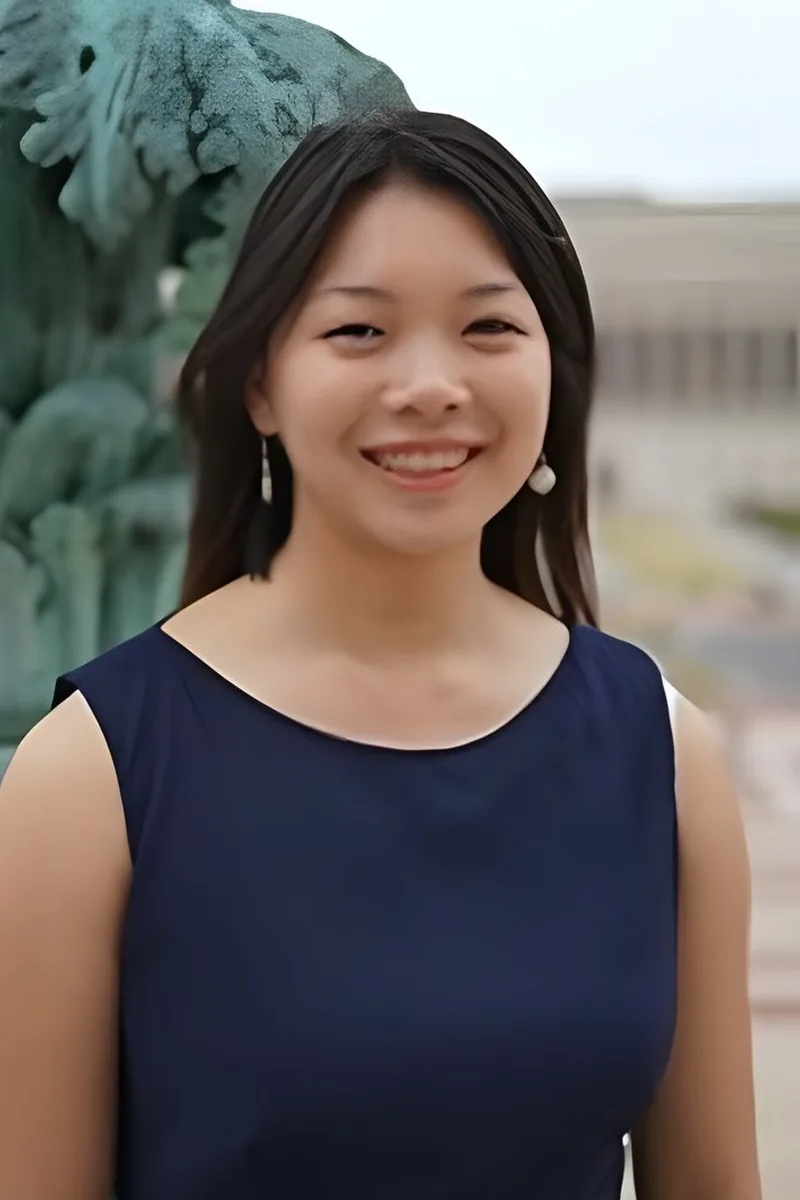
A literature degree paired with fluency in both Mandarin and Cantonese gives Bronwen an unusual edge on the AP Chinese exam's interpretive reading section, where students encounter texts that demand literary analysis skills — not just language ability. She teaches across all four Mandarin levels and scored 1530 on the SAT, reflecting the kind of close-reading discipline she brings to coaching students through the exam's densest written passages. Rated 5.0 by students.
The AP Chinese Language and Culture exam rewards students who can think culturally, not just linguistically — comparing traditions, explaining customs, and narrating personal experiences in natural Mandarin. Lauren lived in Nanjing and studied at Nanjing University, so she brings real-world cultural fluency to the interpersonal and presentational tasks that trip up even strong speakers. Her linguistics degree also means she can explain tricky grammar patterns with unusual clarity.
Scoring well on AP Chinese Language and Culture means navigating presentational writing, interpersonal speaking prompts, and cultural comparison essays — all in Mandarin. Alex is fluent in Mandarin Chinese and understands the tonal pitfalls and character-recognition challenges that trip up American students. He connects language drills to real cultural contexts so the exam's thematic units feel less like abstract categories and more like actual conversations.
Scoring well on the AP Chinese exam means toggling between reading comprehension, cultural knowledge, and spontaneous speaking — all in one test. Nicole is fluent in both Mandarin and Cantonese and teaches students to navigate the interpersonal and presentational communication tasks the exam demands. She puts particular emphasis on the cultural comparison essay, where strong structure makes all the difference.
The cultural presentation component of AP Chinese Language and Culture catches many students off guard because it requires genuine knowledge of Chinese traditions, geography, and social customs — not just language proficiency. Christine grew up in Shanghai and brings firsthand cultural context to topics like festival traditions, family structures, and regional differences that students need for both the exam and the interpersonal tasks. Her native fluency means she can coach pronunciation and tonal accuracy in real time.
The cultural component of AP Chinese Language and Culture trips up students who only study vocabulary lists — the exam expects nuanced comparisons between Chinese and American cultural practices, from family structures to educational values. Li connects language instruction to these cultural contexts, drawing on her own bicultural academic experience across speech science and medicine.
The AP Chinese Language and Culture exam tests listening, reading, speaking, and writing in a single sitting, which means students need more than vocabulary drills — they need fluency under pressure. Nova's real-world Mandarin teaching experience and her SAT Subject Test preparation in Chinese with Listening give her a sharp sense of where American-educated students typically lose points. She zeroes in on the story narration and cultural comparison sections that carry heavy weight on exam day.
Minoring in Chinese at Northeastern while pursuing a pharmacy degree, Amy uses the language daily in academic contexts — reading research, discussing coursework — which builds the kind of formal register fluency the AP Chinese exam's interpretive reading and presentational writing sections actually test. Her 4.9 rating from students reflects a knack for breaking complex characters and grammatical structures into manageable patterns, and she draws on her own experience as a heritage learner to bridge gaps between conversational Mandarin and the academic-level precision the exam demands.
Eric teaches across three levels of Mandarin Chinese and coaches AP Chinese Language and Culture with a particular edge on the interpersonal speaking tasks, where his conversational fluency and 36 ACT verbal instincts help students think on their feet during timed prompts. His biomedical engineering coursework at Duke also means he can introduce technical and academic vocabulary that gives cultural comparison essays unexpected depth — discussing China's healthcare system, STEM education culture, or scientific collaboration norms rather than recycling the same festival examples every other student writes about.
The AP Chinese Language and Culture exam uniquely blends language proficiency with cultural comparison, asking students to present on practices and perspectives across Chinese-speaking communities. Christina's Mandarin instruction spans beginner through advanced levels, giving her a clear sense of where students' gaps tend to hide — whether it's measure words, aspect markers, or the formal tone the exam's interpersonal writing section expects. She builds targeted practice around the exam's six themes so students aren't just fluent but exam-ready.
Charles speaks both Cantonese and Mandarin and teaches across all four Mandarin Chinese levels, which means he can pinpoint exactly where a student's tonal accuracy or grammatical structure needs tightening before exam day. His strongest contribution to AP Chinese prep is the interpersonal response tasks — he runs rapid-fire conversational drills that build the kind of spontaneous, register-appropriate Mandarin the exam scores highest.
Testimonials
Because the right AP Chinese Language and Culture tutor makes all the difference.
Average Session Rating – Based on 3.4M Learner Ratings
Nearby AP Chinese Language and Culture Tutors
Other Columbia Tutors
Related Languages Tutors in Columbia
Frequently Asked Questions
The AP Chinese Language and Culture exam tests proficiency across listening, reading, writing, and speaking in Mandarin Chinese. The exam includes a multiple-choice section (listening and reading comprehension), free-response sections (writing and speaking), and requires students to demonstrate cultural knowledge alongside language skills. The test is scored on a scale of 1-5, with a score of 3 or higher typically considered passing and eligible for college credit.
Getting started is straightforward—you'll connect with Varsity Tutors, describe your AP Chinese goals and current proficiency level, and get matched with a tutor experienced in AP Chinese Language and Culture preparation. Your tutor will assess your strengths and weaknesses across the four skill areas (listening, reading, writing, speaking) and create a personalized study plan leading up to the exam. The first session typically focuses on understanding your baseline level and establishing clear, measurable goals.
Many students struggle most with the speaking section, which requires spontaneous responses with proper pronunciation and grammar under time pressure. The listening section also poses challenges because students must understand rapid, natural speech with various accents and cultural references. Additionally, the writing section demands not just accurate Chinese characters and grammar, but also appropriate tone and cultural context—something that requires both language skill and cultural knowledge.
Most students benefit from 4-6 months of focused preparation, though this varies based on starting proficiency level. Students who begin with intermediate Chinese skills typically need more intensive study than those with advanced conversational ability. A structured tutoring plan with consistent practice—including regular speaking practice, timed writing exercises, and listening comprehension drills—helps maximize progress within your available timeframe.
Speaking practice is essential—the speaking section accounts for a significant portion of your overall score, and it's often the most anxiety-inducing part for students. Regular 1-on-1 speaking practice with a tutor allows you to build confidence, refine pronunciation, and learn to think quickly in Chinese without the pressure of a formal exam setting. Tutors can also teach you strategies for handling difficult questions and recovering from mistakes, which are valuable test-day skills.
The AP Chinese exam recognizes that language and culture are inseparable—you can't fully understand Chinese without knowing the cultural context behind idioms, social customs, historical references, and contemporary issues. The exam tests your awareness of Chinese-speaking communities, traditions, and current events to ensure you can communicate authentically and understand nuanced conversations. A good tutor will weave cultural learning throughout your preparation, not treat it as a separate topic.
Yes—taking full-length, timed practice tests is crucial for AP Chinese preparation. Practice tests help you understand the exam format, identify which sections need the most work, and build stamina for the full exam experience. Your tutor can use practice test results to pinpoint specific weaknesses (like listening comprehension speed or writing accuracy) and adjust your study plan accordingly. Taking multiple practice tests over several weeks also reduces test anxiety by making the format feel familiar.
Score improvement depends on your starting level and consistency with practice. Students who begin at a 2-3 level often see jumps to 4-5 with focused tutoring and regular practice, while those already at a 4 may need more targeted work on specific sections to reach a 5. The key is consistent effort—tutors can guide your study strategy and provide expert feedback, but ultimately your improvement comes from regular practice in all four skill areas. Most students see meaningful progress within 3-4 months of dedicated preparation.
Let’s find your perfect tutor
Answer a few quick questions. We’ll recommend the right plan and match you with a top 5% tutor.