Award-Winning AP French Tutors
serving Columbia, SC
AP French
Tutors in Columbia
Private 1-on-1 tutoring, weekly live classes for academic support, test prep & enrichment, practice tests and diagnostics, and more to elevate grades and test scores.
Based on 3.4M Learner Ratings
UniversitiesSchools & Universities
DeliveredHours Delivered
ProficiencyGrowth in Proficiency
Who needs tutoring?
No obligation. Takes ~1 minute.
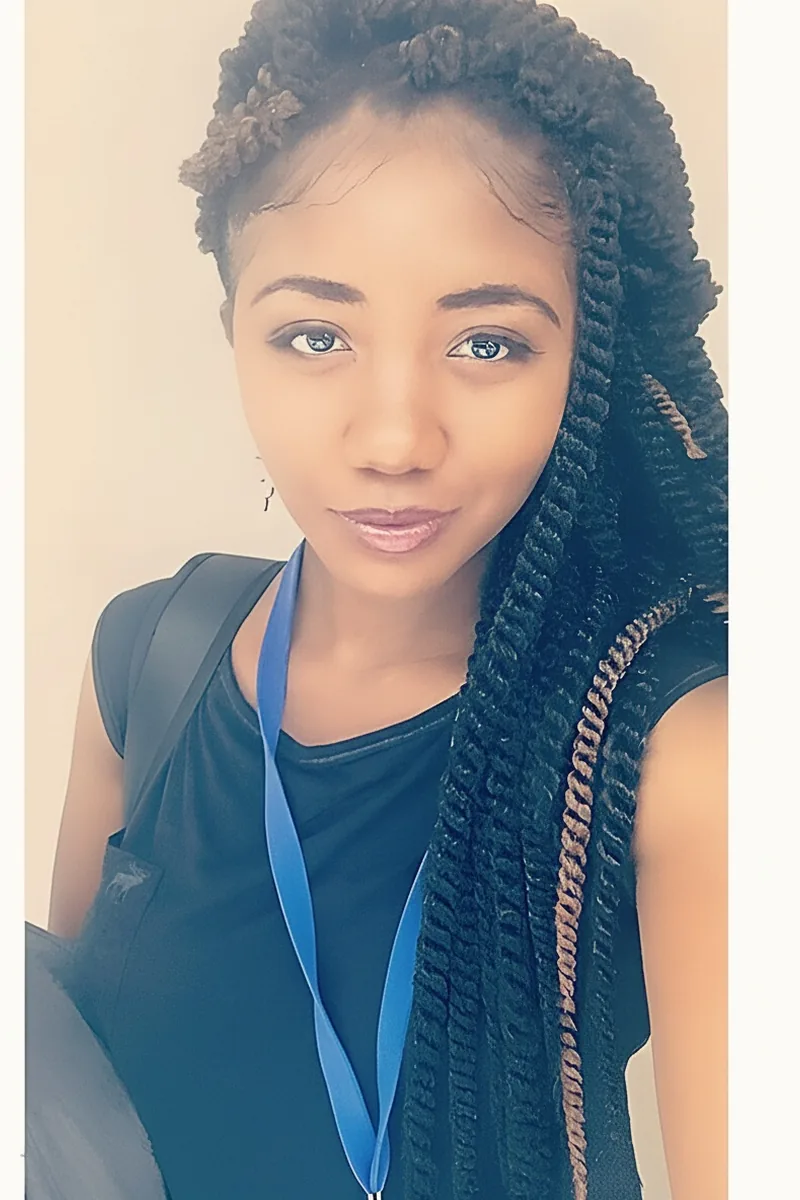
Dartmouth's rigorous liberal arts curriculum gave Arianna deep exposure to French language and culture, and she brings that academic foundation to AP exam preparation. She walks students through the interpretive, interpersonal, and presentational communication modes the exam tests, with particular attention to the cultural comparison essay and audio-source synthesis that trip up most test-takers.
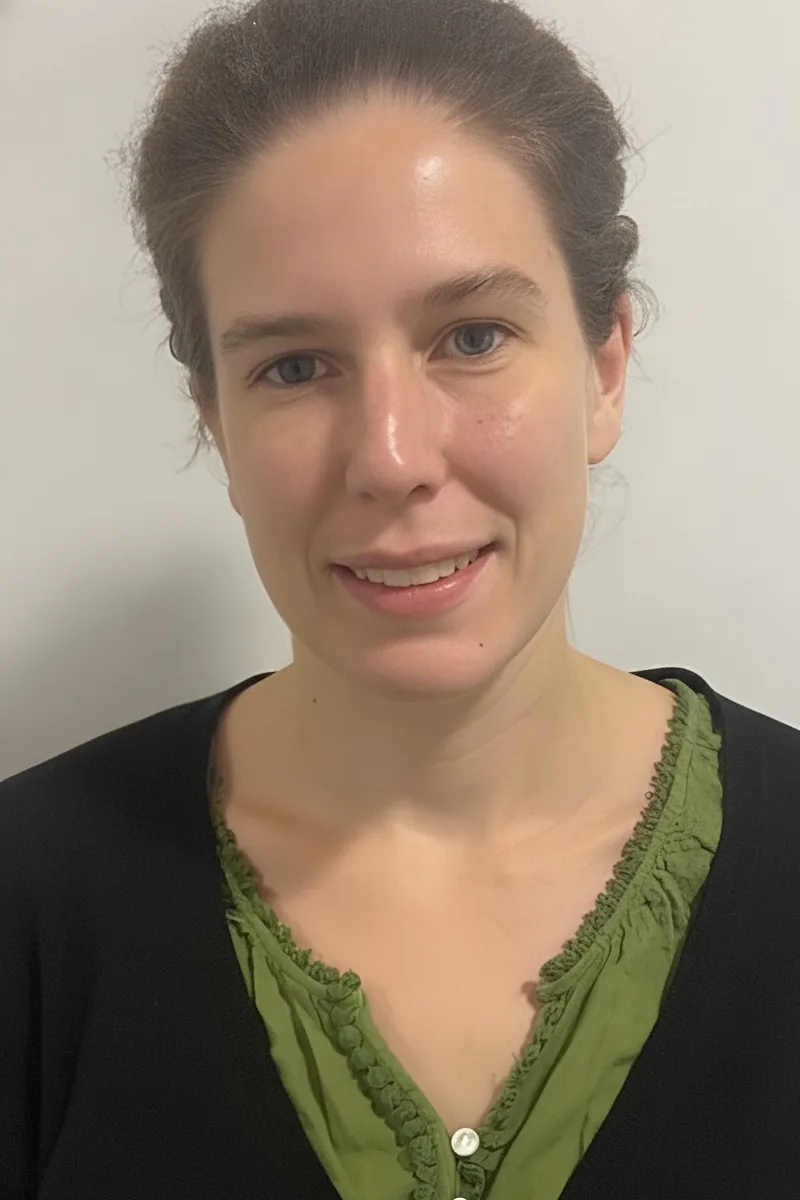
Conducting PhD research on West African music at Harvard, Sarah uses French as a working language for fieldwork, academic reading, and professional communication. She brings that real-world fluency to AP French prep, drilling students on the interpretive listening passages and persuasive essay prompts that carry the most weight on exam day.
I'm eager to help you in whatever way I can! I'm a graduate of Harvard (BA, Social Anthropology) and Columbia (MA, Human Rights) and have spent years tutoring students in a variety of subjects. I'm a firm believer that effective tutoring stems from developing a program that is tailored and highly customized to individual students. I look forward to working with you!
With certifications to teach French from PreK through 12th grade, experience teaching AP French, and a master's degree specifically in Teaching French as a Second or Foreign Language, Ariana knows the pedagogical side of this exam as well as the linguistic side. She tackles the gap between students who can conjugate correctly on a worksheet and students who can deploy those same structures fluidly in a timed persuasive essay or spontaneous conversation task — the shift that separates 3s from 5s.
I am a recent graduate of Bowdoin College with a BA in Biology, English, and Theater. I have been tutoring pretty steadily in one form or another since middle school and am quite comfortable tackling diverse subjects in both the arts and sciences. As a native Spanish speaker, reader, and writer I have years of experience tutoring students at all proficiency levels in the language. My bilingual background has also given me the opportunity to work with native Spanish speakers in other academic subjects. I bring a compassionate and collaborative approach to teaching. I strongly believe that a tutor must treat his or her student as a teammate and not as someone who merely needs instruction. The goal of any tutoring session should be to bring out and foster a student's own capacity to understand and excel in a given field, which begins with respect. I am currently pursuing a graduate study in biology- where my interests primarily lie in evolution and bioanthropology.
I am capable of teaching French comprehension and structure with confidence and a great deal of experience.
Columbia's course catalog doesn't list AP French prep, but Adam's path through AP French Language & Culture and continued study across multiple levels of French gives him a clear read on where students lose points — particularly on the timed interpersonal tasks where hesitation and anglicisms creep in. His 34 ACT signals the kind of disciplined test-taking instinct that pairs well with drilling exam-specific strategies for the cultural comparison and presentational writing sections.
Georgetown's School of Foreign Service requires serious language chops, and Emma chose French as one of her core languages — studying it through advanced coursework (French 4 and AP-level) alongside Latin, which sharpened her instinct for grammatical structure in ways that transfer directly to mastering French syntax. She's the kind of tutor who'll have students watch a French film clip to internalize register and tone, then circle back to the formal essay techniques the AP exam actually scores.
Scoring well on AP French requires toggling between interpretive listening, persuasive writing, and spontaneous speaking — often about cultural topics that demand real familiarity with the Francophone world. Meredith lived and studied for a year in Lausanne, Switzerland, immersed in French daily, and she uses that experience to prepare students for the exam's presentational and interpersonal communication tasks. She zeroes in on the cultural comparisons and argumentative essays that tend to separate 4s from 5s.
I am a recent graduate of the University of Pennsylvania where I majored in International Studies and Business. I have a strong background in math, critical reading, writing, and french. I have spent several years living abroad and am a native French speaker.
Michael's Spanish degree and Teach For America training give him a language-teaching framework that translates directly to AP French — particularly the interpersonal communication tasks where students must think on their feet and respond spontaneously. He also tutors CLEP French, so he's familiar with the grammar structures and reading comprehension skills that overlap between the two exams.
A semester-long language-immersion program in Toulouse gave Laura the kind of fluency that AP French graders actually reward — natural register, idiomatic phrasing, and the ability to argue a position without mentally translating from English first. French is one of her two majors at Washington University in St. Louis, and she channels that deep study into the cultural comparison and persuasive essay tasks where students need to go beyond correct grammar and demonstrate real command of the language. Rated 5.0 by students.
Testimonials
Because the right AP French tutor makes all the difference.
Average Session Rating – Based on 3.4M Learner Ratings
Practice AP French
Free practice tests, flashcards, and AI tutoring for AP French
Nearby AP French Tutors
Other Columbia Tutors
Related Languages Tutors in Columbia
Frequently Asked Questions
AP French focuses on developing proficiency across three modes of communication: interpersonal (conversations and discussions), interpretive (reading and listening comprehension), and presentational (speaking and writing). The exam tests your ability to understand authentic French materials, analyze cultural perspectives, and communicate effectively in French across all skill areas. Most students spend a full academic year preparing, covering themes like personal identity, communities, beauty and aesthetics, science and technology, and global challenges.
The AP French exam is scored on a scale of 1-5, with most colleges granting credit for scores of 3 or higher. The exam includes multiple-choice sections (listening and reading comprehension) and free-response sections (speaking and writing). You'll have about 3 hours total, with time allocated for listening to authentic audio, reading passages, recording spoken responses, and writing essays. Understanding the timing and format of each section is crucial for managing test day effectively.
Many students struggle with the listening comprehension section, where native speakers use natural speech patterns and idiomatic expressions. The free-response speaking portion also creates anxiety for those less confident in real-time oral production. Additionally, students often find it challenging to move beyond textbook French and understand cultural nuances that appear throughout the exam. Targeted practice with authentic materials and regular speaking practice are key to overcoming these obstacles.
Varsity Tutors connects you with expert tutors who can identify your specific weak areas—whether that's listening comprehension, essay writing, or conversational fluency—and create a focused study plan. Tutors provide practice with authentic exam materials, give feedback on your speaking and writing, and teach test-taking strategies specific to each section. With personalized 1-on-1 instruction, you can work at your own pace and address gaps before test day rather than relying solely on classroom instruction.
Most students benefit from consistent preparation throughout the academic year, but if you're starting closer to the exam date, aim for at least 5-7 hours per week of focused study. This should include daily vocabulary and grammar review, regular listening practice with authentic materials, weekly writing practice, and monthly full-length practice tests. A tutor can help you create a realistic timeline based on your current proficiency level and target score.
Score improvement depends on your starting point and commitment level. Students who work consistently with a tutor and complete assigned practice typically see improvements of 1-2 points on the 1-5 scale, though some see larger gains if they're starting from a lower baseline. The key is identifying weak areas early and dedicating focused time to those sections—whether that's intensive listening practice, essay revision, or speaking confidence building.
Your first session is an assessment and planning meeting. The tutor will evaluate your current proficiency level across all skill areas—listening, reading, speaking, and writing—and discuss your target score and timeline. Based on this assessment, you'll work together to identify your biggest challenges and create a personalized study plan. This foundation ensures that all subsequent sessions are focused on the areas where you need the most support.
Anxiety often stems from feeling unprepared for specific sections or unfamiliar with the exam format. Regular practice with full-length exams under timed conditions helps build confidence and reduces surprises on test day. A tutor can also teach you relaxation techniques, help you develop a pre-exam routine, and provide encouragement as you progress. Knowing that you've practiced thoroughly with expert guidance is one of the most effective ways to calm exam-day nerves.
Let’s find your perfect tutor
Answer a few quick questions. We’ll recommend the right plan and match you with a top 5% tutor.