Award-Winning Spanish Tutors
serving Charleston, SC
Spanish
Tutors in Charleston
Private 1-on-1 tutoring, weekly live classes for academic support, test prep & enrichment, practice tests and diagnostics, and more to elevate grades and test scores.
Based on 3.4M Learner Ratings
UniversitiesSchools & Universities
DeliveredHours Delivered
ProficiencyGrowth in Proficiency
Who needs tutoring?
No obligation. Takes ~1 minute.
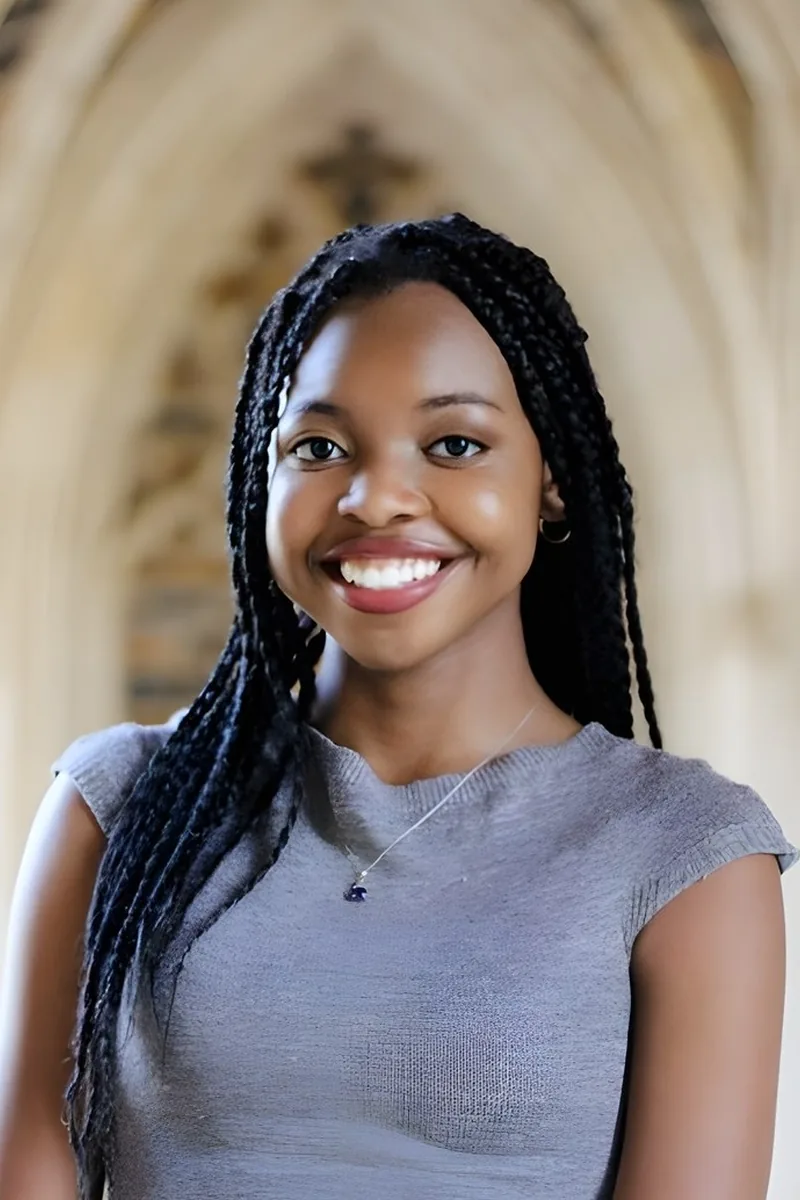
Beginner Spanish — verb conjugations, gendered nouns, building basic conversational sentences — is where Lenique thrives in this subject. Growing up in a large Caribbean family gave her genuine cultural context for the language, which she uses to make vocabulary and grammar practice feel connected to real life rather than abstract drills.

Katheryn minored in Spanish at the University of Georgia, giving her a depth that goes well beyond introductory vocabulary and verb conjugations. She tackles tricky grammar concepts like the subjunctive mood, ser versus estar, and preterite-versus-imperfect distinctions by connecting them to how native speakers actually think about time and certainty. Students working through Spanish 1, 2, or 3 get someone who can explain the why behind the rules.
I am currently pursuing a degree in Chemical Engineering and Spanish at Virginia Tech. I have a strong academic record in my fields. I enjoy sharing knowledge and helping others overcome learning challenges. Through previous tutoring, I have developed excellent communication, organization, and problem-solving skills. I am comfortable using online learning technologies and am committed to providing engaging, supportive lessons that help students reach their full potential.
Studying at the Horace Mann School in New York City meant Ethan took Spanish alongside a rigorous academic curriculum, and his current economics and public policy coursework at UChicago keeps him reading and analyzing across disciplines — skills that transfer directly to parsing Spanish texts and constructing grammatically sound written responses. He's particularly sharp at breaking down the logic behind ser versus estar or preterite versus imperfect, treating tricky distinctions as puzzles with clear rules rather than exceptions to memorize.
Studying both German and Spanish at Carleton while majoring in psychology gives Amanda a multilingual perspective that sharpens how she teaches language — she understands firsthand where English speakers get tripped up by gendered nouns or unfamiliar verb forms because she's wrestling with those same structures across two foreign languages simultaneously. Her conversational Spanish background means sessions stay practical, connecting grammar concepts like ser versus estar to real dialogue instead of isolated worksheets.
Years of living and working in Mexico and the Dominican Republic gave Julie the kind of Spanish fluency that textbooks alone can't provide — she knows the grammar rules and when native speakers bend them. She tackles everything from verb conjugation patterns to reading comprehension, weaving in regional vocabulary and real-world usage that make the language feel less like a school subject and more like a tool.
Having studied Spanish as part of her undergraduate degree, Elena brings both academic grammar knowledge and real conversational fluency to lessons. She digs into tricky areas like subjunctive mood triggers, ser versus estar distinctions, and preterite-imperfect contrasts — the concepts that separate intermediate learners from truly proficient speakers.
Simon teaches Spanish across four levels, from foundational conjugation patterns in the present tense to navigating subjunctive mood and complex reading passages at the advanced level. His approach treats grammar as a logical system — once a student sees why irregular preterite verbs follow certain patterns, retention improves dramatically.
Teaching across Spanish 1 through Spanish 3, Sarah knows exactly where each level's stumbling blocks are — from mastering ser versus estar early on to navigating subjunctive mood in more advanced coursework. Her Vanderbilt coursework and conversational practice give her a feel for how the language actually sounds, not just how it looks on a conjugation chart.
Richard has studied Spanish through the SAT Subject Tests — including the Listening exam — and tutored high school students in the language before college. He tackles grammar structures like the subjunctive and preterite-vs-imperfect distinctions by connecting them to patterns rather than rote conjugation charts, making the rules easier to internalize.
Tackling both Spanish and conversational Spanish means Sam doesn't just drill grammar charts — he pushes students toward actually producing the language in real time, connecting conjugation patterns and vocabulary to spoken practice. His 35 ACT reflects sharp analytical chops that translate well into breaking down tricky structures like ser versus estar or subjunctive triggers. Rated 5.0 by students.
Heather's Spanish teacher trusted her enough to ask her to tutor a classmate — which says more about her command of the language than any credential list. She breaks down verb conjugations, sentence structure, and vocabulary acquisition in ways that stick, whether a student is just starting with present tense or wrestling with the subjunctive mood.
Learning Spanish clicks faster when grammar rules connect to real usage — why the subjunctive shows up in certain emotional expressions, or how reflexive verbs change meaning in everyday conversation. Rebecca teaches across four levels of Spanish and uses that range to meet each student at their current stage, building verb conjugation and sentence structure into contexts that actually stick.
Cassandra teaches Spanish at the introductory and intermediate levels, covering verb conjugation, pronoun usage, and sentence construction. Her background in comparative literature and Latin gives her a structural understanding of how Romance languages work, which makes explaining concepts like the subjunctive or ser-versus-estar distinctions more intuitive for students.
Learning new languages is one of Maedeh's ongoing pursuits, and she teaches Spanish at multiple levels from introductory vocabulary through advanced grammar and conversation. She approaches verb conjugations and sentence structure analytically, connecting patterns across tenses so that irregular forms and subjunctive usage start to feel logical rather than arbitrary.
Testimonials
Because the right Spanish tutor makes all the difference.
Average Session Rating – Based on 3.4M Learner Ratings
Nearby Spanish Tutors
Other Charleston Tutors
Related Languages Tutors in Charleston
Frequently Asked Questions
Classroom settings often limit speaking time, especially in larger classes like those at Charleston's 56 schools. Personalized 1-on-1 instruction gives you dedicated conversation practice with expert tutors who can correct pronunciation, model natural speech patterns, and help you build confidence speaking in real-time. Regular tutoring sessions create a safe space to practice without the pressure of classroom performance.
Verb conjugation requires understanding multiple patterns across tenses and moods—present, past, future, subjunctive—which can feel overwhelming in a traditional classroom. Expert tutors break conjugation into manageable chunks, use spaced repetition to reinforce patterns, and connect rules to real conversation so you understand *why* conjugations matter, not just memorize them. This approach helps patterns stick long-term rather than fade after a test.
Memorizing word lists doesn't stick—vocabulary retention improves when words are learned in context and used repeatedly in conversation. Tutors introduce vocabulary through themes relevant to your interests and goals, then weave those words into speaking practice so you use them naturally. Spacing out review sessions over weeks and months (rather than cramming) strengthens memory and helps you recall words when you need them.
Pronunciation challenges often go unaddressed in larger classroom settings, but personalized instruction focuses directly on your specific sounds—rolling r's, the Spanish 'th' sound, stress patterns, and intonation. Tutors model correct pronunciation, listen to your speech, and give immediate feedback so you can adjust in real-time. Consistent practice with expert guidance helps you sound more natural and builds confidence in spoken Spanish.
Research suggests reaching professional-level fluency typically requires around 600 hours of study and practice. With personalized tutoring, you progress faster because instruction is tailored to your level and goals—whether that's basic conversation, academic Spanish, or business communication. Most students see meaningful improvement in speaking confidence and comprehension within a few months of consistent 1-on-1 practice.
Both matter, but the balance shifts as you progress. Beginning students benefit from understanding core grammar structures, while intermediate and advanced learners need to move beyond rules and absorb how native speakers actually use Spanish—including idioms, colloquialisms, and regional variations. Expert tutors teach grammar as a foundation, then emphasize natural usage through conversation and authentic materials so you develop intuition for what sounds right.
Language and culture are intertwined—understanding cultural references, customs, and perspectives helps you communicate more authentically and avoid misunderstandings. Tutors incorporate cultural elements into lessons through authentic texts, current events, and discussions about Spanish-speaking regions worldwide. This immersion-style approach makes learning more engaging and prepares you to interact meaningfully with Spanish speakers, not just translate words.
Expert Spanish tutors typically have native or near-native fluency, teaching experience, and expertise in the specific skills you need—whether that's conversational Spanish, test preparation, or academic writing. Varsity Tutors connects you with tutors who understand Charleston's curriculum standards and can tailor instruction to your goals. The right tutor matches your learning style and creates a supportive environment where you feel comfortable taking risks with the language.
Let’s find your perfect tutor
Answer a few quick questions. We’ll recommend the right plan and match you with a top 5% tutor.