Award-Winning AP Spanish Language & Culture Tutors
serving Columbia, SC
AP Spanish Language & Culture
Tutors in Columbia
Private 1-on-1 tutoring, weekly live classes for academic support, test prep & enrichment, practice tests and diagnostics, and more to elevate grades and test scores.
Based on 3.4M Learner Ratings
UniversitiesSchools & Universities
DeliveredHours Delivered
ProficiencyGrowth in Proficiency
Who needs tutoring?
No obligation. Takes ~1 minute.
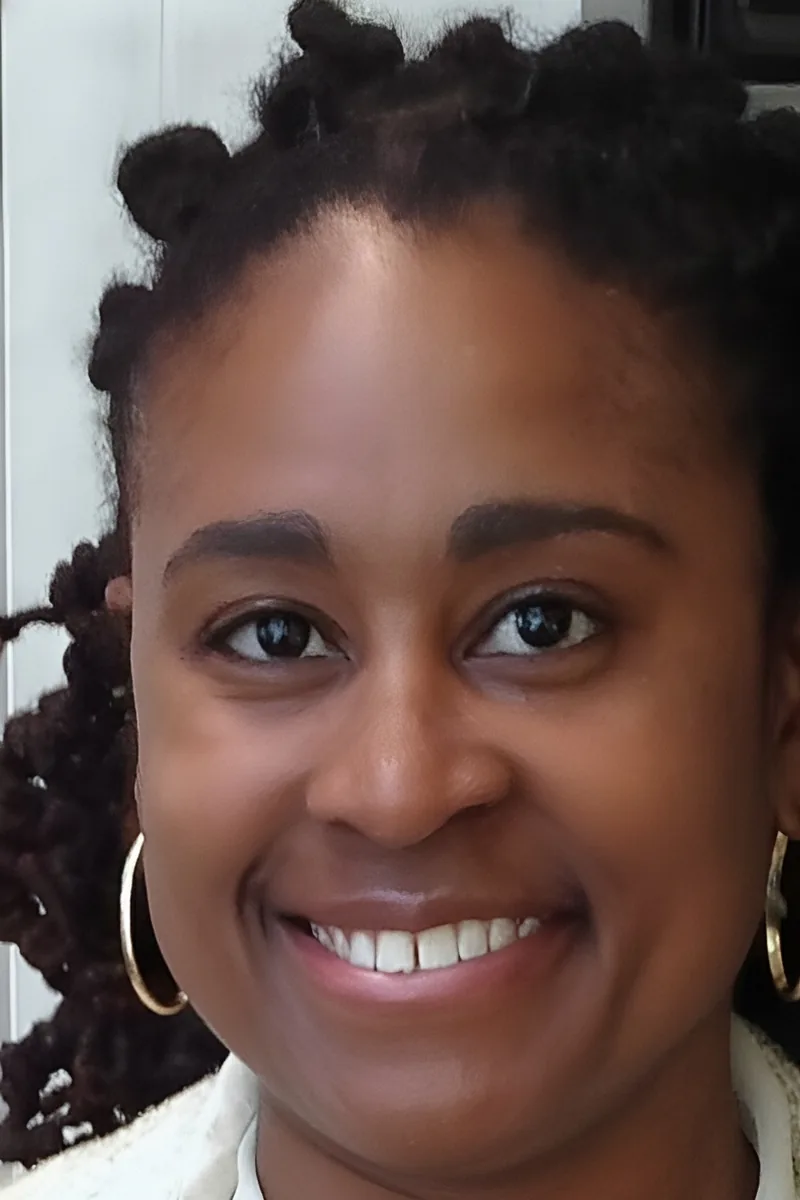
Fluent in Spanish after living in a Spanish-speaking country, Lisanne brings real-world command of the language to AP Spanish prep — not just textbook knowledge. She tackles the exam's trickiest components, like the persuasive essay and cultural comparison, by teaching students to think and organize ideas directly in Spanish. Her experience tutoring every level from Spanish 1 through AP means she quickly identifies the grammar gaps holding a student back from a top score.
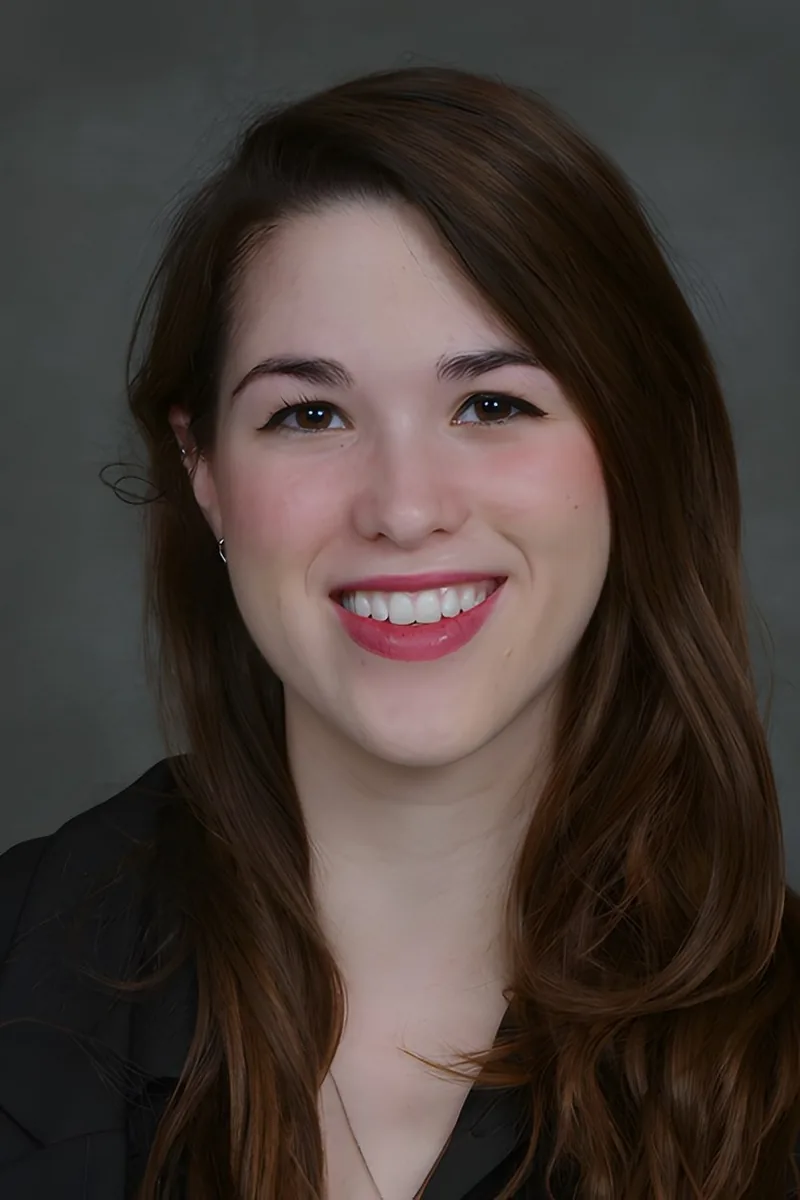
Growing up bilingual with dual US-Chilean citizenship, Camilla didn't just learn Spanish at home — she pursued it academically through advanced language and literature coursework. For AP Spanish Language & Culture, she tackles the presentational writing and interpersonal speaking tasks by grounding students in the cultural contexts that make their responses authentic and nuanced.
Having earned a BA in Spanish and studied the language at an advanced academic level, Steven knows exactly where the AP Spanish Language & Culture exam tries to trip students up — from interpreting audio sources in the interpersonal speaking task to weaving cultural comparisons into the presentational essay. He teaches students to think in Spanish rather than mentally translating from English, which is the single biggest factor in scoring well on timed prompts.
Being Colombian and fully bilingual, Esteban doesn't just teach Spanish — he thinks, writes, and jokes in it daily. For AP Spanish Language & Culture, that native fluency matters: he coaches students through the interpersonal speaking tasks, persuasive essays, and audio-source questions using authentic cultural contexts from across the Spanish-speaking world. His 4.9 rating speaks to how effectively he prepares students for both the language mechanics and the cultural comparisons the exam demands.
Nicole's linguistics degree means she understands how languages work as systems — the morphology, syntax, and pragmatics underneath Spanish that most tutors teach purely by repetition. She applies that structural knowledge to the AP exam's trickiest moments, like shifting between informal and formal register mid-task or decoding rapid authentic audio in the interpretive listening section. Her Italian heritage and fluency in multiple Romance languages sharpen her ear for the cognate traps and dialectal variations the exam loves to test.
While Spanish isn't Vivian's primary teaching area, her extensive experience with standardized test prep and essay writing transfers directly to the AP Spanish Language exam's presentational writing and interpersonal communication tasks. She brings a structured, strategy-first approach to tackling the exam's source-comparison essays and audio-response prompts.
Fluent in Spanish since childhood, Adriana treats AP Spanish Language & Culture as more than vocabulary drills — she digs into the interpretive and presentational communication tasks that drive the exam, from synthesizing audio sources to crafting persuasive essays in Spanish. Her Rice University background in both sciences and humanities means she can coach students through the cultural comparison and argumentative writing sections with real analytical depth. Rated 5.0 by students.
Medical school in Chicago keeps Caroline juggling multiple languages daily — she double-majored in Chinese at Notre Dame while also building fluency in Spanish through her coursework up to Spanish 3. That multilingual wiring means she approaches AP Spanish prep by connecting how languages share structural logic, breaking down things like conditional chains and register shifts through cross-linguistic patterns rather than rote drilling. Rated 5.0 by students.
Gabriel's PhD work in Comparative Human Development at the University of Chicago means he approaches the AP Spanish exam's cultural comparison task through an academic lens most tutors can't offer — he's trained to analyze how cultural practices differ across communities, which is exactly what that free-response prompt asks students to do. He teaches Spanish 2 through 4, so he knows which grammar foundations need tightening before students can write a persuasive essay in formal register under timed conditions. Rated 5.0 by students.
Native fluency gives Solange an ear for the idiomatic phrasing and natural register that score well on AP Spanish Language's interpersonal and presentational tasks. She digs into the cultural comparison essays and audio-response prompts that trip up even advanced students, coaching them to move beyond translated English and into authentic Spanish expression. Rated 5.0 by her students.
The AP Spanish Language & Culture exam demands more than vocabulary — it requires constructing persuasive arguments in Spanish and interpreting authentic audio sources on the fly. Isabelle's multilingual background and experience as a private language tutor abroad give her practical fluency in coaching students through the interpersonal speaking tasks and cultural comparison essays that determine exam scores.
Alex's chemical engineering and anthropology degrees from Washington and Lee make an unexpectedly useful pairing for AP Spanish — the engineering side builds systematic thinking about grammar structures like subjunctive triggers and pronoun placement, while the anthropology training sharpens the cultural analysis the exam's free-response prompts demand. He teaches Spanish 3 and 4, so he's already comfortable working at the level of complexity the AP exam expects in timed persuasive essays and spoken responses. Rated 4.8 by students.
Testimonials
Because the right AP Spanish Language & Culture tutor makes all the difference.
Average Session Rating – Based on 3.4M Learner Ratings
Nearby AP Spanish Language & Culture Tutors
Other Columbia Tutors
Related Languages Tutors in Columbia
Frequently Asked Questions
The AP Spanish Language & Culture exam tests your ability to communicate in Spanish across three modes: interpersonal (conversations), interpretive (reading and listening comprehension), and presentational (speaking and writing). The exam includes multiple-choice sections on reading and listening, plus free-response sections where you'll write emails, essays, and record spoken responses. Success requires both strong language skills and cultural knowledge, so tutoring often focuses on building confidence across all five communication areas.
Varsity Tutors connects you with expert tutors who have deep experience teaching AP Spanish Language & Culture and understand the specific exam format and scoring rubrics. When you get matched with a tutor, you can discuss your current level, which exam sections need the most work, and your target score. Many tutors in the Columbia area have helped students improve significantly, so you'll want someone who knows both the language curriculum and effective test-prep strategies.
Many students struggle with the listening comprehension section because it moves quickly and requires understanding native-speed Spanish on the first listen. The free-response writing and speaking sections also challenge students who haven't practiced formal register or cultural references. Time management is another common issue—balancing speed with accuracy across multiple sections. A tutor can help you tackle these specific pain points through targeted practice and strategies tailored to your weaknesses.
Score improvement depends on your starting point and how consistently you practice, but many students see meaningful gains—often 1-2 points on the 1-5 scale—when they work with a tutor for several months. The key is identifying exactly which sections need work (reading, listening, writing, or speaking) and then building targeted skills through practice tests and feedback. Tutors help you understand the grading rubrics so you know exactly what exam readers are looking for in your responses.
Practice tests are most valuable when you treat them like the real exam—taking full, timed sections to build stamina and identify pacing issues. After completing a practice test, review every question you missed or found tricky, not just the ones you got wrong, to understand why certain answer choices work. A tutor can help you analyze your practice test results to spot patterns (like consistently missing listening questions about specific topics) and adjust your study plan accordingly. Most students benefit from taking 3-4 full practice tests in the weeks leading up to exam day.
The exam isn't just about language proficiency—it explicitly tests your understanding of Spanish-speaking cultures through reading passages, listening clips, and conversation prompts that reference cultural practices, history, and current events. You might encounter questions about Latin American literature, Spanish traditions, or contemporary issues in Spanish-speaking countries. Tutors often weave cultural content into lessons so you're building language skills and cultural literacy simultaneously, which strengthens both your comprehension and your ability to discuss topics authentically.
The speaking sections—where you record responses to prompts and participate in simulated conversations—make many students nervous because they feel less natural than written work. Regular practice with a tutor helps you get comfortable thinking and speaking in Spanish under time pressure, which builds confidence naturally. Tutors can record practice conversations with you, give feedback on pronunciation and fluency, and help you develop strategies for staying calm when you don't know a word. The more you practice speaking in a low-stakes environment, the more automatic it becomes on test day.
Most students benefit from 3-6 months of focused preparation, though the ideal timeline depends on your current Spanish level and target score. If you're aiming for a 4 or 5, starting 4-6 months out gives you time to build both language skills and test-taking strategies without cramming. A tutor can assess your starting point in your first session and create a personalized study plan with specific milestones. Even students who start closer to exam day can make progress with intensive, targeted work on their weakest areas.
Let’s find your perfect tutor
Answer a few quick questions. We’ll recommend the right plan and match you with a top 5% tutor.