Award-Winning Biology Tutors
serving Oklahoma City, OK
Biology
Tutors in Oklahoma City
Private 1-on-1 tutoring, weekly live classes for academic support, test prep & enrichment, practice tests and diagnostics, and more to elevate grades and test scores.
Based on 3.4M Learner Ratings
UniversitiesSchools & Universities
DeliveredHours Delivered
ProficiencyGrowth in Proficiency
Who needs tutoring?
No obligation. Takes ~1 minute.

Studying neuroscience means Daniyal lives inside biology every day — from cellular respiration and membrane transport to genetics and human physiology. He unpacks dense topics like signal transduction or DNA replication by connecting molecular details to the larger systems they support, which makes the material far easier to retain.
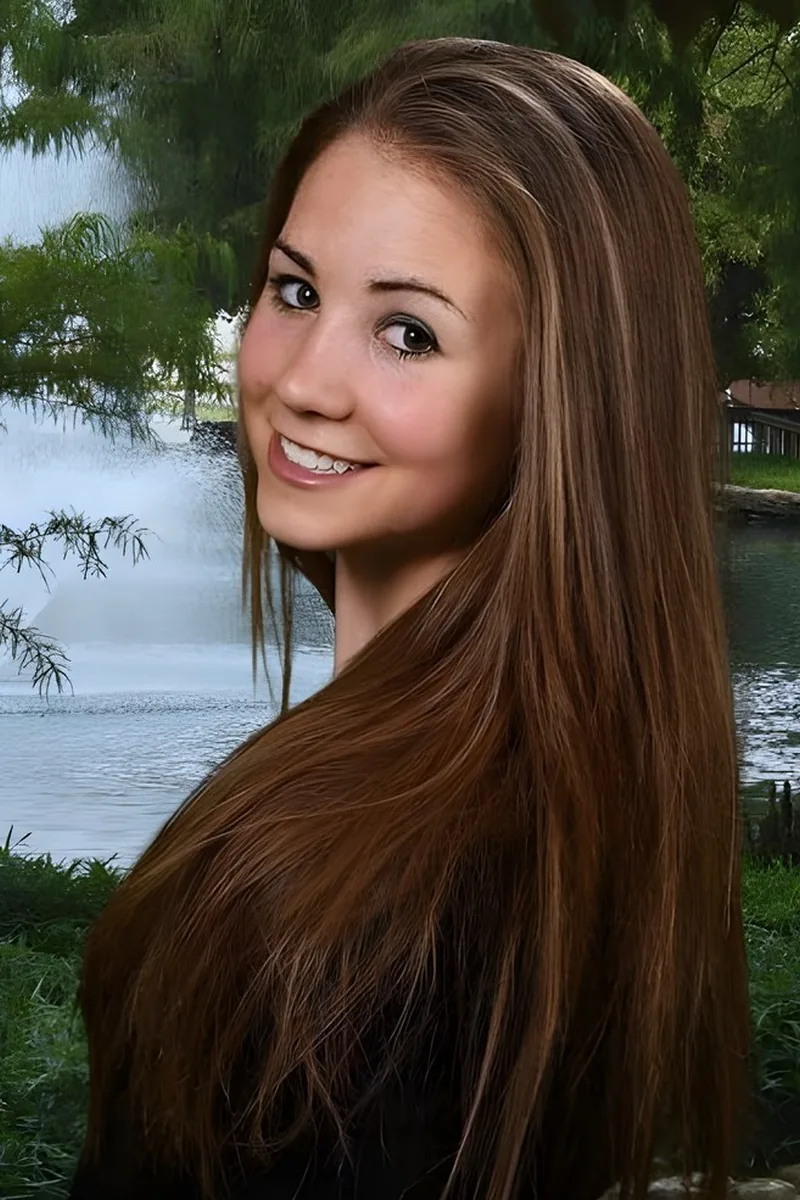
A biochemistry and molecular biology degree gave Blake a molecular-level understanding of life sciences that most biology tutors simply don't have. He digs into everything from cell signaling and gene expression to ecology and evolution, always connecting microscopic mechanisms to the large-scale phenomena students observe.
Though Robert's primary training is in mathematics, he teaches Biology with the analytical rigor that subject increasingly demands — interpreting data from genetics crosses, understanding enzyme kinetics graphs, and reasoning through ecological models. His quantitative lens is especially useful for students who struggle with the data-analysis side of biology coursework.
Studying cellular and molecular biology on a pre-med track at the University of Oklahoma means Nathaniel doesn't just cover topics like gene expression, cell signaling, and metabolic regulation in one course — he's applying them across biochemistry, chemistry, and zoology simultaneously, which builds the kind of cross-subject fluency that makes individual concepts easier to teach. He's especially good at grounding abstract molecular processes in their larger physiological context, so a student wrestling with, say, how transcription factors work can see exactly why that matters two chapters later during development or immunology. Rated 5.0 by students.
I am a graduate of the University of Oklahoma. I received by Bachelor of Science in Chemical Engineering. I have mostly tutored privately on my own time in one on one sessions. I mostly enjoy helping others with math and science related problems. Education is necessary to improve life and I want others to realize this. In my spare time I enjoy thought provoking literature.
Susan's biochemistry degree means she built her understanding of biology at the molecular level first — learning how protein structure dictates function, how metabolic pathways regulate energy flow, and how genetic information actually becomes a working cell. That bottom-up perspective is especially useful for students who can handle the vocabulary but struggle to connect isolated facts about, say, mitosis or respiration into a coherent biochemical story.
Engineering coursework at the University of Oklahoma means Lily has taken biology from the applied side — understanding how biological systems behave, how energy flows through organisms, and how living processes can be modeled and measured. She's especially strong at making topics like ecology, photosynthesis, and cellular respiration click for students who think in terms of inputs, outputs, and systems rather than pure memorization.
I am a senior at the University of Oklahoma currently applying to medical school for entrance into the fall class of 2017! Because I am only four classes away from earning my Bachelor's of Science in Biology at OU, I will only be taking two classes this fall, and finishing up with two classes in the spring. This gives me a lot of extra time time to tutor in academic areas that I enjoy! I also have extensive childcare experience and love tutoring elementary age students, as well.
Paula's psychology background gives her a useful entry point into biology — she understands behavioral and cognitive systems well enough to trace them back to their biological roots, from neurotransmitter activity to hormonal feedback loops. That perspective makes her especially effective at teaching the life science topics where behavior meets physiology, like the nervous system, endocrine signaling, and basic genetics. Rated 4.8 by students.
Genetics, genomics, and development were Alec's concentration at Cornell, which means he learned biology by zooming in on how organisms are built from their DNA up — and then spent semesters as a TA helping other students make that same journey through general chemistry and genetics coursework. He teaches topics like gene expression, inheritance patterns, and molecular genetics by tying each mechanism back to its developmental consequences, so the details carry meaning instead of just filling flashcards. Rated 4.8 by students.
Currently pursuing graduate studies in health sciences while applying to medical school, Mosab lives and breathes biology daily. He unpacks topics like cellular respiration, DNA replication, and ecological interactions by tying them to real physiological scenarios — turning what often feels like rote memorization into a connected story about how living systems actually work.
Stanford's biology program has Helen tackling everything from molecular genetics to ecology in real time, which means she's teaching the same material she's actively being tested on — a perspective that keeps her explanations current and exam-aware. She's particularly strong at breaking down processes like photosynthesis and gene expression into logical sequences that stick, drawing on four years of peer tutoring and TA experience in STEM courses. Rated 5.0 by students.
Whether it's Mendelian genetics, cellular energetics, or ecological interactions, Emily approaches biology as a story with logic rather than a list of vocabulary words to memorize. She graduated Summa Cum Laude from Duke with a biology degree and is currently earning her MD at Columbia, so she's taught and re-learned this material at progressively deeper levels. That layered understanding lets her explain the same concept multiple ways until it lands.
Students who find biology's vocabulary overwhelming often do better when someone shows them the logic underneath the terms. Dennis approaches topics like cell respiration, DNA replication, and membrane transport by connecting each process to the energy and chemistry driving it — a perspective that comes naturally from his physics background and makes the material easier to retain.
Three science bachelor's degrees plus medical school means Sydny has taken biology exams at nearly every level the subject offers — from introductory ecology and genetics through the histology and pathophysiology of clinical training. What stuck with her from that journey is how to think through a biological problem rather than just recall an answer, and she teaches that same reasoning process when tackling topics like inheritance patterns, cellular energy, or organ-system integration.
Between conducting autism research at Yale's School of Medicine and pursuing a pre-med track in biomedical engineering, Ellie lives and breathes biology at both the classroom and laboratory level. She digs into topics like cell signaling, genetics, and organ system physiology with the kind of detail that turns rote memorization into real understanding. Her 5.0 rating speaks to how well that depth translates when she's teaching one-on-one.
Li's medical doctoral training and undergraduate work in speech and hearing gave her a deep understanding of biological systems — from cellular respiration and DNA replication to the physiology of complex organ systems. She breaks down dense topics like gene expression and enzyme kinetics into clear, logical steps that stick.
Studying molecular, cellular, and developmental biology in college — and now pursuing an MD at Stanford — Maggie knows biology at a level of detail that lets her explain not just what happens in a cell but why. She digs into topics like gene expression, membrane transport, and ecological relationships with the kind of mechanistic thinking that turns memorization into understanding. Her MCAT preparation experience also means she knows which biological concepts get tested hardest and how.
A Rice biology graduate heading to medical school, Perry knows the subject from the molecular scale up — DNA replication, enzyme kinetics, ecological modeling. He unpacks complex processes by mapping out each step visually, which is especially useful for topics like cellular respiration and signal transduction where details pile up fast.
Vinay's dual UCLA degrees — one in Molecular, Cell, & Developmental Biology, one in Mathematics-Economics — mean he learned biology with a quantitative rigor that most life science majors skip, which pays off when students hit topics like population genetics, enzyme kinetics, or any concept where the math and the biology have to click at the same time. Now a medical student, he traces those foundational ideas forward into human physiology, giving students a clear line from textbook mechanisms to how they actually play out in living systems. Rated 5.0 by students.
Testimonials
Because the right Biology tutor makes all the difference.
Average Session Rating – Based on 3.4M Learner Ratings
Practice Biology
Free practice tests, flashcards, and AI tutoring for Biology
Nearby Biology Tutors
Other Oklahoma City Tutors
Related Science Tutors in Oklahoma City
Frequently Asked Questions
Your first session is all about understanding where you are right now. A tutor will assess your current understanding of biology concepts, identify specific areas where you're struggling—whether that's cell structure, genetics, or ecology—and learn about your learning style. Together, you'll create a personalized plan focused on your goals, whether you're preparing for an exam, improving your grade, or building a stronger foundation in the subject.
Effective biology tutoring focuses on understanding concepts rather than pure memorization. Tutors help you see how different systems connect—how photosynthesis relates to cellular respiration, or how genetics applies to evolution—so information sticks naturally. By learning the "why" behind biological processes, you'll remember details more easily and be able to apply knowledge to new problems on tests and in class.
Yes. Tutors can help you understand the scientific method, interpret lab results, and connect experiments to the concepts you're learning in class. Whether you're struggling with how to write a lab report, understand what your data means, or grasp why an experiment was designed a certain way, personalized instruction helps you see the bigger picture of scientific reasoning, not just follow steps.
Biology involves many abstract concepts—from molecular structures to ecosystem interactions—that are difficult to picture. Tutors use diagrams, models, animations, and real-world examples to make these invisible processes visible and concrete. Breaking down complex systems into smaller, understandable pieces helps you build mental models that make both learning and retention easier.
Students often struggle with connecting abstract concepts to real systems, balancing chemical equations in biochemistry, and understanding how different biological processes interact. Many also find it challenging to move beyond memorizing facts to truly understanding mechanisms—like how photosynthesis and respiration relate, or how evolution works at a molecular level. Personalized tutoring addresses these gaps by building understanding from the ground up.
Varsity Tutors connects you with tutors who have strong backgrounds in biology, whether through advanced degrees, teaching experience, or subject expertise. Each tutor is matched based on your specific needs and learning style, ensuring you get instruction from someone who not only knows the material but can explain it in a way that makes sense to you.
Absolutely. Tutors can help you review key concepts, practice problem-solving, work through past exam questions, and develop test-taking strategies specific to biology. Whether you're preparing for a unit test, final exam, or AP Biology (which requires both deep conceptual understanding and the ability to apply knowledge to new scenarios), personalized instruction helps you identify weak areas and build confidence before test day.
Pricing is flexible and depends on factors like tutor experience, session length, and frequency. When you connect with Varsity Tutors, you'll discuss your budget and needs to find an option that works for your family. Getting started is simple—just reach out to describe what you're looking for, and we'll match you with a tutor who fits your goals and schedule.
Let’s find your perfect tutor
Answer a few quick questions. We’ll recommend the right plan and match you with a top 5% tutor.