Award-Winning Executive Functioning Tutors
serving Oklahoma City, OK
Executive Functioning
Tutors in Oklahoma City
Private 1-on-1 tutoring, weekly live classes for academic support, test prep & enrichment, practice tests and diagnostics, and more to elevate grades and test scores.
Based on 3.4M Learner Ratings
UniversitiesSchools & Universities
DeliveredHours Delivered
ProficiencyGrowth in Proficiency
Who needs tutoring?
No obligation. Takes ~1 minute.
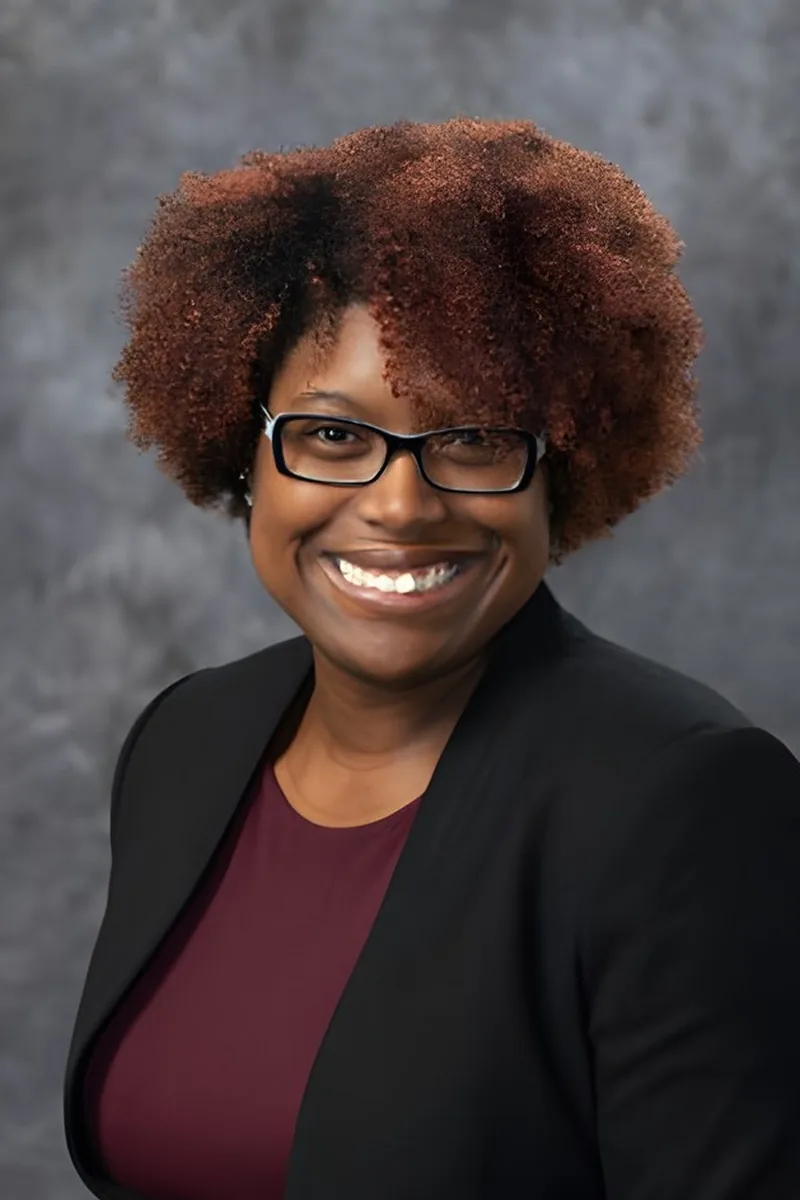
Jennifer's M.Ed. in Curriculum and Instruction trained her to design structured learning sequences — a skill she now applies to teaching students how to plan multi-step projects, estimate time for assignments, and organize materials across classes. Her experience spanning elementary through college-level work means she calibrates these systems to each student's actual academic demands, building routines around real homework and deadlines rather than abstract exercises. Rated 5.0 by clients.

Over two decades working with students on IEPs and 504 plans taught Dolmecia exactly where the hidden breakdowns happen — the kid who understands the math but can't start the problem set, or the one whose binder is a black hole of lost worksheets. Her special education certification and finance training give her both the behavioral framework and the structured, systems-oriented mindset to build concrete routines around task initiation, material tracking, and assignment planning tied to a student's actual schoolwork.
Breaking large assignments into sequenced steps, building weekly planning routines, managing deadlines across multiple classes — Manuel tackles the organizational side of academics that often goes untaught. His structured approach to executive functioning gives students concrete systems they actually use, not just advice to "stay organized." Rated 5.0 by students.
Medical school demands serious executive functioning — juggling anatomy, biochemistry, and clinical rotations means Kaitlyn has battle-tested systems for time management, task prioritization, and breaking large projects into manageable steps. She teaches students how to build their own planning routines, from using calendars effectively to chunking study sessions so material actually sticks. Rated 4.8 by students and families.
As a dedicated tutor with a Master's degree in Forensic Psychology from George Washington University and a Bachelor's in Psychology with a Minor in Special Education from James Madison University, I am passionate about fostering a supportive learning environment for my students. With over 2 years of experience in special education, I utilize a personalized approach that focuses on each student's unique strengths and challenges. My teaching philosophy centers on creating engaging and interactive lessons that promote critical thinking and confidence. I am motivated by the opportunity to help students achieve their academic goals and develop a love for learning. I have a passion for the language arts and love reading and writing while also valuing math and science. In my free time, I enjoy playing and watching sports, traveling, and spending time with family and friends.
Graduate training in school counseling means Katherine spends her days learning exactly how students get stuck — not on content, but on the invisible skills like task initiation, planning, and self-regulation that determine whether homework actually gets done. She connects those counseling frameworks to the real academic work students bring in, whether it's a stalled college essay or a psychology reading they keep putting off. Her background across subjects like writing, human development, and AP psychology gives her concrete material to anchor organizational strategies to.
Five years working specifically with students with learning differences taught Sydney where the real sticking points are — the student who knows what the assignment says but can't figure out where to start, or the one who chronically underestimates how long a reading response will take. She ties executive functioning strategies like task breakdown and self-monitoring directly to the English and Spanish coursework she also tutors, so students practice these skills on actual assignments rather than in isolation. Rated 4.9 by clients.
Planning, prioritizing, starting tasks, managing time — executive functioning skills don't come naturally to every student, and they're rarely taught explicitly in school. Hannah's Special Education program at Purdue trained her in scaffolding these skills through structured routines, visual organizers, and self-regulation strategies. She builds systems that students internalize gradually rather than depend on forever.
Running a natural sciences department at a bilingual elementary school in Ecuador meant Joy wasn't just teaching content — she was building systems for planning, prioritization, and task completion across two languages and multiple grade levels. She applies that same structured approach to executive functioning skills like time management, organization, and breaking long-term assignments into manageable steps.
Planning a multi-step project or breaking a semester's worth of material into a weekly study schedule requires the same structured thinking Andrew used throughout his engineering and MBA programs. He teaches students concrete systems for prioritizing tasks, managing time, and organizing materials so that deadlines stop feeling like emergencies. Rated 4.8 by students and families.
Planning, prioritizing, managing time, and shifting between tasks — these executive functioning skills underpin academic success but rarely get taught explicitly. Derek tackles them as teachable skills, building concrete systems like task checklists, color-coded planners, and structured routines that students internalize over time. His doctorate focused on how curriculum design shapes learning behavior, which gives him a research-grounded toolkit for strengthening these cognitive habits.
Candice's Fulbright teaching experience in Taiwan and her years as a classroom aide and afterschool mentor gave her constant practice recognizing when a student's real obstacle isn't the content but the inability to start, sequence, or sustain a task independently. She weaves executive functioning strategies — like breaking a writing assignment into discrete stages or building a nightly homework launch routine — directly into the English and literacy work she already does with students. That integrated approach means kids practice planning and self-monitoring on real schoolwork, not hypothetical scenarios.
Testimonials
Because the right Executive Functioning tutor makes all the difference.
Average Session Rating – Based on 3.4M Learner Ratings
Nearby Executive Functioning Tutors
Other Oklahoma City Tutors
Related Learning Differences Tutors in Oklahoma City
Frequently Asked Questions
Executive functioning refers to the mental processes that help us plan, organize, manage time, and stay focused on tasks—essentially the skills that turn intentions into action. For students in Oklahoma City, strong executive functioning is critical for academic success, from managing multiple assignments to breaking down complex projects into manageable steps. When these skills are underdeveloped, students often struggle with procrastination, disorganization, and difficulty following multi-step instructions, even if they understand the actual subject matter.
Students often struggle with time management (underestimating how long tasks take), working memory (holding and manipulating information), organization (losing papers, forgetting assignments), and task initiation (getting started on work). Many also have difficulty with planning and prioritization, especially when juggling multiple classes and extracurriculars. These challenges can appear as missing deadlines, incomplete work, or difficulty transitioning between tasks—and they're not signs of laziness or low ability, but rather skills that can be strengthened with targeted support.
In a classroom of 16-20+ students, teachers have limited time to work one-on-one on organizational systems or study strategies tailored to each student's specific challenges. Personalized instruction allows tutors to assess exactly where a student struggles—whether it's planning essays, organizing notes, or managing deadlines—and build customized strategies that fit their learning style and daily routine. This focused approach helps students develop habits and systems they actually use, rather than generic tips that don't stick.
During the initial session, a tutor will work to understand the student's specific challenges: How do they currently approach assignments? Where do they lose track of deadlines? What organizational systems have they tried? The tutor will also observe how the student tackles a task to identify where the breakdown happens—planning, organizing, executing, or monitoring progress. This assessment forms the foundation for building a personalized action plan focused on the skills that will have the biggest impact on their academic performance.
With consistent personalized support, students typically see improvements in assignment completion rates, grade consistency, and reduced late submissions within 4-6 weeks. Over time, they develop sustainable organizational systems, better time estimation skills, and increased independence in managing their workload. The goal is building lasting habits—students should feel more in control of their responsibilities and less stressed about managing schoolwork.
Executive functioning becomes increasingly important as students progress through school. Middle school students often struggle when transitioning from a single teacher to multiple classes and teachers. High school students face heavier workloads and more complex projects requiring planning and sustained effort. College-bound students benefit from developing these skills before the dramatic jump in independence. That said, students at any level can strengthen executive functioning skills with targeted practice.
Absolutely—in fact, they often work well together. A student might receive math tutoring while also working on executive functioning skills like breaking down multi-step problems and checking work systematically. Tutors can coordinate to reinforce the same organizational strategies across subjects, making the support more cohesive. This combination helps students not just understand content, but also manage their learning process more effectively.
Varsity Tutors connects you with tutors who have expertise in building executive functioning skills and understand the specific challenges students face. You'll share details about your student's biggest struggles—time management, organization, planning, focus, or task initiation—and we'll match you with someone experienced in addressing those areas. The tutor will develop a personalized plan from the first session, so you'll see a focused, strategic approach from day one.
Let’s find your perfect tutor
Answer a few quick questions. We’ll recommend the right plan and match you with a top 5% tutor.