Award-Winning Microbiology Tutors
serving Oklahoma City, OK
Microbiology
Tutors in Oklahoma City
Private 1-on-1 tutoring, weekly live classes for academic support, test prep & enrichment, practice tests and diagnostics, and more to elevate grades and test scores.
Based on 3.4M Learner Ratings
UniversitiesSchools & Universities
DeliveredHours Delivered
ProficiencyGrowth in Proficiency
Who needs tutoring?
No obligation. Takes ~1 minute.

Studying microbiology at the college level means juggling bacterial genetics, metabolic pathways, and immune response mechanisms all at once. Susan's biochemistry background gives her a molecular-level understanding of how microorganisms function — from gram staining and culture techniques to the biochemistry of virulence factors and antibiotic resistance.
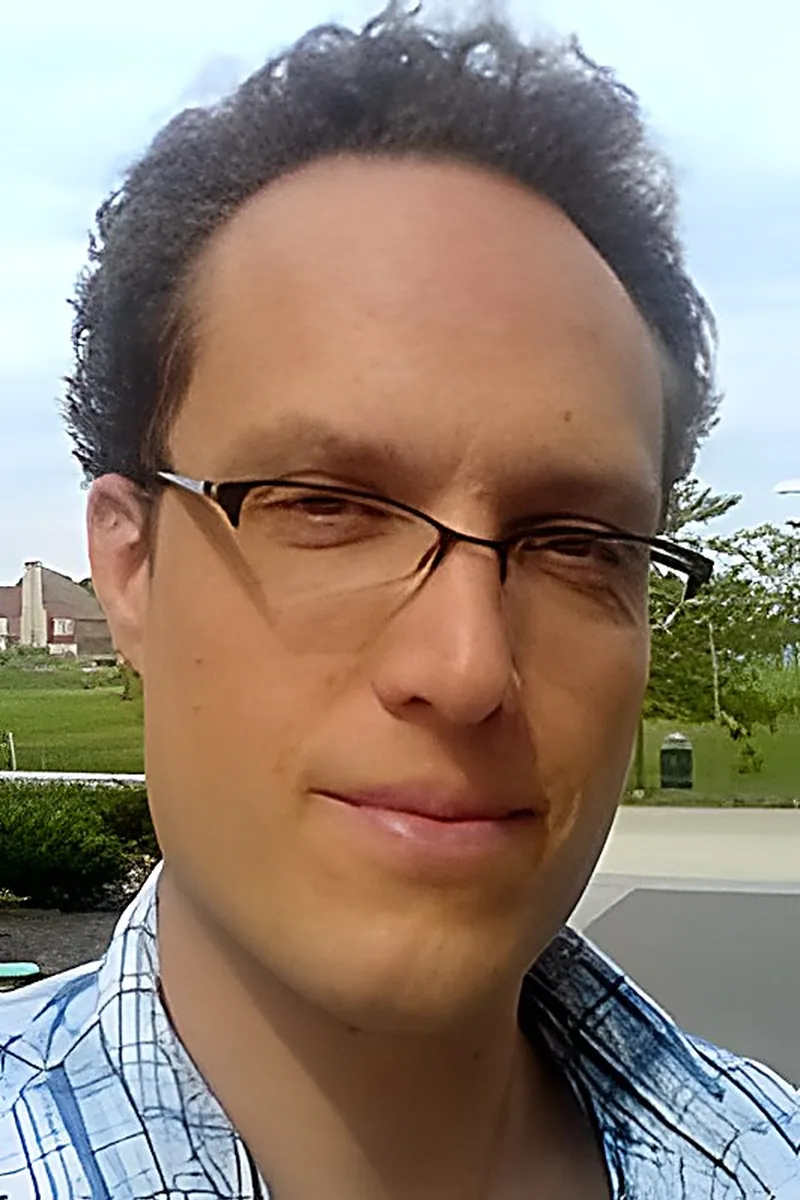
This is Brian's home turf. As a PhD microbiologist and associate professor of the subject at Collin County Community College, he unpacks everything from bacterial gene expression and metabolic pathways to virology and immunological responses with the specificity that upper-level coursework demands. Students get someone who reads the primary literature daily and can translate it into clear, testable understanding.
Keeping bacterial classification, virulence factors, and immune evasion strategies straight requires a system, not just flashcards. As a medical student at the Medical College of Wisconsin, Abrahim deals with microbiology in a clinical context daily — he teaches students to organize pathogens by mechanism of action and host response, which makes exam recall far more reliable.
Rashida's PhD in Cellular and Molecular Biology means she teaches microbiology from the inside out — starting at the level of gene regulation, membrane transport, and molecular signaling before zooming out to how microorganisms behave in populations. Her doctoral research and experience leading discussions in cell biology and Mendelian genetics give her a particular knack for explaining how bacteria acquire and express resistance genes, or how horizontal gene transfer reshapes microbial communities. Rated 5.0 by students.
From bacterial gene regulation to viral replication strategies, microbiology demands comfort with both molecular detail and big-picture ecology. Zachary's graduate work in molecular biology gave him hands-on familiarity with the techniques and concepts — Gram staining, quorum sensing, antibiotic resistance mechanisms — that form the backbone of most microbiology courses.
Richard's PhD research at Northwestern is in microbiology, which means he's not teaching this subject from a textbook — he's living it. He digs into topics like bacterial pathogenesis, microbial genetics, and host-immune interactions with the kind of detail that comes from years at the bench. Students preparing for exams or struggling with lab reports get someone who can connect microscopic mechanisms to the bigger public health picture.
Studying both Biology and Political Science at the college level, Andrea is immersed in microbiology coursework — from bacterial cell structure and metabolic pathways to viral replication cycles. She unpacks dense material by tying molecular-level processes to bigger-picture concepts like immune response and antibiotic resistance, which makes the details easier to retain.
Medical school builds microbiology into nearly every clinical rotation — Robin's training means she's traced how specific pathogens cause disease, how immune responses escalate, and why certain antibiotics target one organism but not another. That clinical context turns dense material like Gram classifications and virulence mechanisms into something students can reason through, because each organism connects to a real disease process. Rated 5.0 by students.
Environmental science and public policy might seem distant from microbiology, but Ethan's coursework in biology, chemistry, and ecology covered the microbial ecology and nutrient cycling that underpin environmental systems — how soil bacteria drive nitrogen fixation, how waterborne pathogens behave in different conditions, and why microbial communities matter for public health policy. That environmental angle gives him a unique way of explaining concepts like bacterial metabolism and population dynamics, grounding abstract processes in real-world ecological contexts. Holds a 5.0 rating.
Understanding bacterial metabolism, viral replication cycles, and immune response pathways requires more than memorizing diagrams — it requires seeing how microorganisms interact with living systems. Li's training in both speech-and-hearing science and medicine gives her a clinical lens that makes microbiology concepts feel relevant and interconnected.
Medical school demands a granular understanding of pathogens — bacterial cell wall differences, viral replication cycles, antibiotic resistance mechanisms. Daniel earned his M.D. and brings that clinical lens to microbiology, connecting each organism's structure and behavior to the disease processes students are expected to know for exams.
A Stanford-trained biologist, Abhinav digs into microbiology topics like bacterial cell structure, metabolic pathways, and host-pathogen interactions with the detail they demand. He connects concepts across scales — linking molecular mechanisms like quorum sensing to broader outcomes like biofilm formation — so students see microbiology as a story rather than a catalog of organisms.
Ryan's master's work in cellular and molecular biology at Stanford, combined with hands-on synthetic biology research at NASA Ames, gave him deep fluency in microbial genetics, metabolic pathways, and laboratory techniques like PCR and gene cloning. He unpacks topics like bacterial pathogenesis and antimicrobial resistance by connecting them to the molecular mechanisms driving each process. Rated 5.0 by students.
Testimonials
Because the right Microbiology tutor makes all the difference.
Average Session Rating – Based on 3.4M Learner Ratings
Nearby Microbiology Tutors
Other Oklahoma City Tutors
Related Science Tutors in Oklahoma City
Frequently Asked Questions
High school microbiology usually covers cell structure and function, prokaryotic and eukaryotic organisms, bacterial growth and reproduction, viral structure and replication, and basic immunology. Students also learn about microorganisms' roles in disease, fermentation, and biotechnology. Many courses include lab work where students culture bacteria, prepare slides, and observe microscopic structures—hands-on experience that deepens understanding of how microorganisms actually behave.
Many students struggle to visualize microscopic structures and processes that can't be seen with the naked eye, making concepts like bacterial conjugation or viral replication feel abstract. Balancing chemical equations for metabolic pathways and understanding how microorganisms interact with their environment also trip up learners. Additionally, microbiology requires both memorization of terminology and deep conceptual understanding—knowing the difference between memorizing "gram-positive" and truly understanding why cell wall composition matters for antibiotic resistance.
Tutors can help you understand the scientific reasoning behind lab procedures before you perform them, making hands-on work more meaningful and helping you troubleshoot when results don't match expectations. They can also help you interpret microscope observations, understand how to properly culture and stain bacteria, and connect lab findings back to course concepts. This bridges the gap between following steps and truly understanding what you're observing and why.
Microbiology is everywhere—from food safety and water treatment to antibiotic resistance, vaccine development, and biotechnology. Understanding how bacteria cause disease helps explain why handwashing prevents infection; studying fermentation connects to how yogurt and bread are made. Tutors can help you see these real-world connections, which makes abstract concepts stick better and shows why microbiology matters beyond the classroom.
Your first session is about understanding your specific challenges and learning style. A tutor will likely ask what topics confuse you most, review recent assignments or exams, and assess whether you need help with foundational concepts or more advanced material. From there, they'll create a personalized plan—whether that's breaking down difficult concepts, strengthening lab skills, or building test-taking strategies for microbiology exams.
Look for tutors with a background in microbiology, biology, or related life sciences—ideally with experience teaching or tutoring high school students. They should understand both the technical content and how to explain microscopic processes in ways that make sense. Experience with lab work is valuable, as is the ability to use analogies and visuals to help you grasp abstract concepts like bacterial metabolism or immune system responses.
Tutors can help you identify which concepts are most likely to appear on your exam, create study guides that organize information logically, and use practice problems and past exams to build confidence. They'll also help you develop strategies for tackling different question types—from identifying organisms under a microscope to explaining why certain antibiotics work against specific bacteria. Regular review sessions with a tutor ensure concepts stick rather than fade after cramming.
Absolutely. Strong microbiology fundamentals make college-level biology, biochemistry, and microbiology courses much more manageable. Developing solid understanding of cell structure, metabolism, and microbial genetics now prevents gaps that become problematic in more advanced coursework. Tutors can also help you build scientific reasoning skills and lab proficiency that give you a head start in college science programs.
Let’s find your perfect tutor
Answer a few quick questions. We’ll recommend the right plan and match you with a top 5% tutor.