Award-Winning Biochemistry Tutors
serving Oklahoma City, OK
Biochemistry
Tutors in Oklahoma City
Private 1-on-1 tutoring, weekly live classes for academic support, test prep & enrichment, practice tests and diagnostics, and more to elevate grades and test scores.
Based on 3.4M Learner Ratings
UniversitiesSchools & Universities
DeliveredHours Delivered
ProficiencyGrowth in Proficiency
Who needs tutoring?
No obligation. Takes ~1 minute.
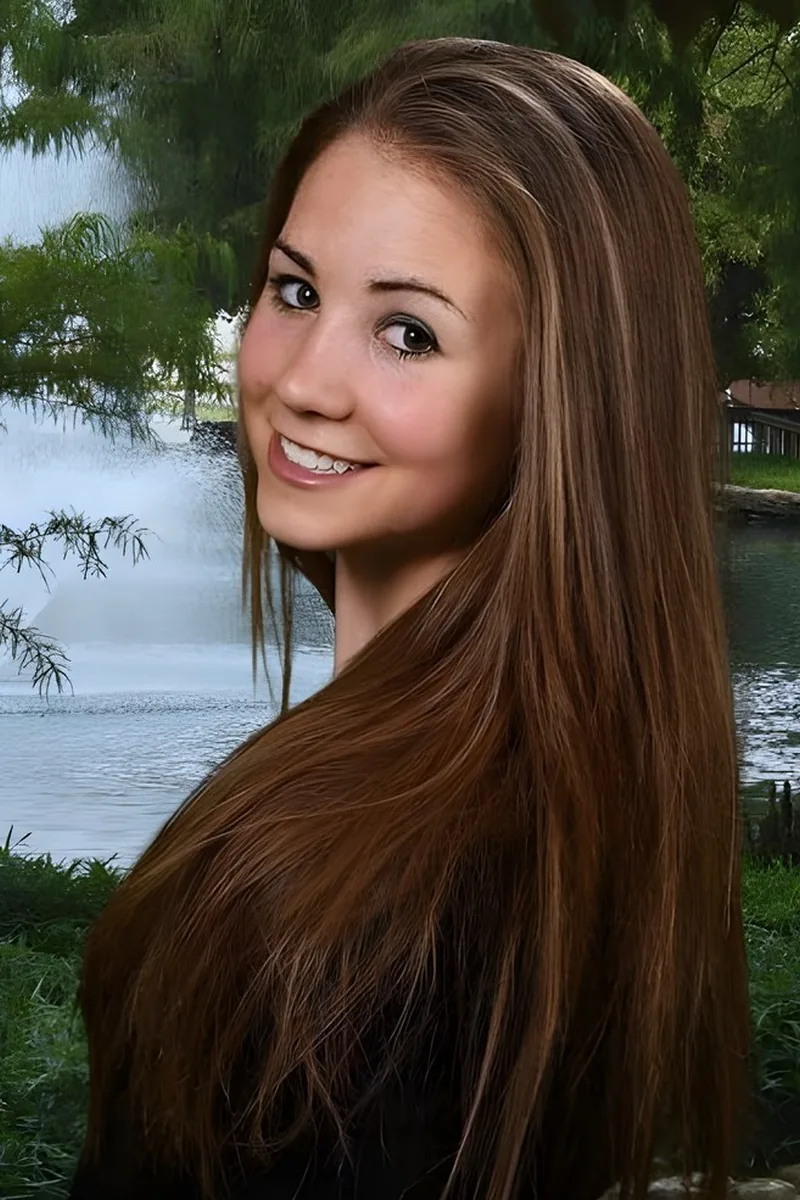
Earning a B.S. in Biochemistry and Molecular Biology means Blake has spent years inside the material — from amino acid structures and enzyme mechanisms to metabolic pathways like glycolysis and the citric acid cycle. He unpacks complex topics like protein folding and signal transduction by tying molecular details to the bigger biological question they answer.
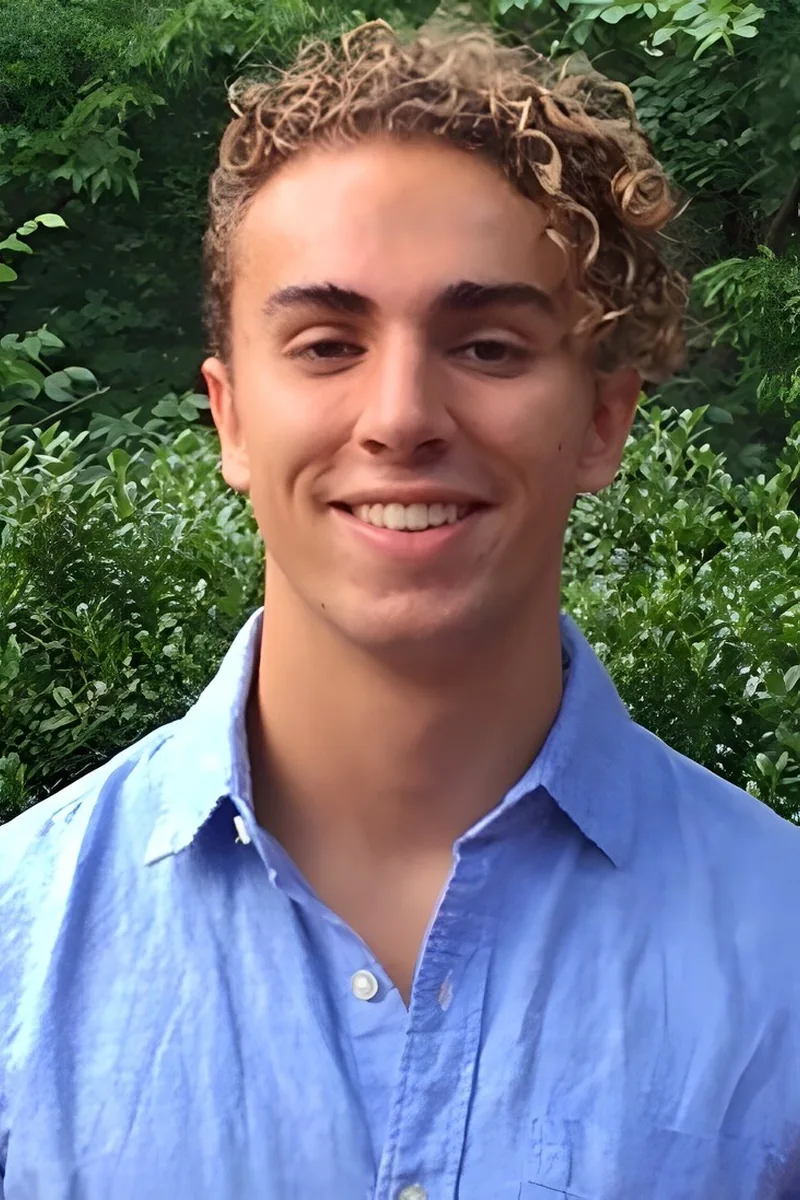
Pursuing a cellular and molecular biology degree on a pre-med track at Oklahoma means Nathaniel is actively immersed in the biochemistry he teaches — from glycolysis and the citric acid cycle to the protein structure principles that tie organic chemistry to cell function. He breaks down dense pathway material by zeroing in on the chemical logic of each step, so students can trace why a reaction happens instead of just memorizing where the arrows point. Holds a 5.0 rating.
Finishing a biology degree while preparing for medical school admissions means Bailey has worked through biochemistry from both the academic and the MCAT-prep angle — amino acid properties, metabolic pathway integration, and enzyme kinetics all had to click twice. She breaks down dense topics like glycolysis or the citric acid cycle by tying each step back to the organic chemistry and cell biology concepts students already know, which makes the logic of each reaction easier to retain. Rated 4.8 by students.
As an audiologist with a Doctorate in Audiology from the University of Oklahoma Health Sciences Center, I am dedicated to helping students understand complex scientific concepts, particularly for the audiology praxis, biochemistry, and college biology. My approach focuses on fostering a supportive learning environment where students feel comfortable asking questions and exploring challenging material. I have enjoyed mentoring peers during my time at the Cleft Palate Clinic, which deepened my commitment to teaching. I believe that every student has unique needs, and I strive to meet them where they are, empowering them to achieve academic success. I am in the process of applying for medical school, and aim to use my skills obtained for this goal to assist and empower any prospective student.
As a biology and economics graduate now working as a research associate before medical school, Sunny lives in the world of biochemistry daily — from enzyme kinetics and metabolic pathways to protein structure and nucleic acid chemistry. He unpacks dense topics like the citric acid cycle or amino acid properties by connecting molecular details to the bigger physiological picture, which is especially useful for students preparing for upper-level coursework or the MCAT.
As a biochemistry major at Stony Brook who also serves as a chemistry peer tutor and head teaching assistant for college biology, Natalie lives in the overlap between organic chemistry and cellular function that defines this subject. She breaks down topics like enzyme mechanisms and metabolic pathway logic by building from the reaction chemistry first, then layering in the biological context — so students can reason through an unfamiliar pathway instead of memorizing every intermediate. Rated 4.9 by students.
Recent MCAT preparation gave Eric a sharp, up-to-date command of the biochemistry topics that trip students up most: enzyme kinetics, metabolic pathway regulation, and the interplay between protein structure and function. His graduate work in chemistry provides the molecular-level intuition that makes memorizing pathways feel less like brute force and more like following a logical story.
Mitchell's neuroscience degree means he learned biochemistry through the brain's lens — tracing how neurotransmitter precursors feed into synthesis pathways, how ATP production keeps neurons firing, and how lipid biochemistry shapes every membrane in the nervous system. That background lets him teach topics like oxidative phosphorylation and amino acid metabolism by connecting each reaction to the cellular machinery that depends on it.
Zachary earned both his BS in Biology and a master's in Molecular Biology, which means he's traced biochemical pathways from two different altitudes — the broad cellular view and the granular molecular detail. That dual training comes through when he unpacks topics like lipid metabolism or allosteric enzyme regulation, building each concept from its chemical logic so the bigger metabolic map starts to make sense on its own.
Matt's graduate work in human nutrition required him to trace every major metabolic pathway from the molecular level up — how macronutrients get broken down, shuttled through the citric acid cycle, and ultimately converted to usable energy. That nutritional biochemistry lens means he teaches topics like lipid metabolism and amino acid catabolism with a constant eye on physiological context, making reaction sequences feel purposeful rather than arbitrary. Holds a 5.0 rating.
Rohan's economics training might seem distant from biochemistry, but econometrics and metabolic pathway analysis share a core skill — tracing how one variable's change cascades through an interconnected system. He applies that quantitative reasoning to topics like enzyme kinetics and metabolic regulation, breaking down rate equations and feedback loops with the same rigor he brings to economic models. Rated 4.9 by students.
Medical school with a focus on infectious diseases means Grant thinks about biochemistry in terms of host-pathogen interactions — how bacteria hijack metabolic machinery, why certain enzyme targets make effective drug sites, and what happens to energy metabolism during sepsis. His biochemistry degree and MD training let him teach topics like amino acid pathways and enzyme inhibition by connecting each mechanism to the microbiology that brings it to life.
Having served as an undergraduate teaching assistant for introductory biochemistry at Cornell, Josef knows exactly which concepts — cofactor roles, enzyme regulation, the interplay between metabolic pathways — trip students up for the first time. He teaches by showing how biochemistry synthesizes organic chemistry, cell biology, and thermodynamics into a single coherent story, so each pathway feels like a logical extension rather than a separate thing to memorize. Rated 5.0 by students.
Pre-med coursework at Northwestern means Manideep is actively working through the toughest parts of biochemistry right now — amino acid structures, membrane transport mechanisms, and the regulatory logic behind major metabolic pathways. That proximity to the material gives him a sharp sense of where students get stuck, especially when translating organic chemistry principles into biological contexts. Rated 5.0 by students.
Enzyme kinetics, metabolic pathways, protein structure — biochemistry sits at the intersection of biology and chemistry, and students often struggle because they try to learn each topic in isolation. Phoebe's Master's in Biomedical Sciences gave her deep fluency in exactly these systems, from amino acid chemistry to the regulation of glycolysis and the citric acid cycle. She unpacks each pathway by connecting molecular structure to biological function, which makes the logic stick.
Enzyme kinetics, amino acid structures, metabolic pathways — Biochemistry demands that students hold molecular details and big-picture biological function in their heads simultaneously. Ibi is actively studying these topics in her premedical post-bac program, so she explains concepts like Michaelis-Menten curves and lipid metabolism with the fluency of someone who just worked through them herself. That recency makes a real difference when a student is stuck at 11 p.m. before an exam.
Testimonials
Because the right Biochemistry tutor makes all the difference.
Average Session Rating – Based on 3.4M Learner Ratings
Practice Biochemistry
Free practice tests, flashcards, and AI tutoring for Biochemistry
Nearby Biochemistry Tutors
Other Oklahoma City Tutors
Related Science Tutors in Oklahoma City
Frequently Asked Questions
Your first session is focused on understanding your current level, learning goals, and specific challenges—whether that's metabolic pathways, enzyme kinetics, or protein structure. A tutor will assess what concepts are clicking and where you need support, then create a personalized plan that builds from your foundation. This initial conversation helps establish the right pace and approach for your learning style.
Biochemistry involves molecular structures and processes that are hard to picture—like enzyme-substrate interactions or electron transfer chains. Tutors use diagrams, models, and real-world examples to make these abstractions concrete, helping you move from memorizing structures to actually understanding how molecules interact. This visual and conceptual foundation makes problem-solving and exams much more manageable.
Biochemistry requires some foundational memorization—like key amino acids, cofactors, and major pathways—but the real skill is understanding how and why these pieces fit together. Expert tutors help you distinguish between what needs to be memorized versus what you should understand conceptually, so you're not drowning in facts but instead building a coherent mental model of how biochemical systems work.
Absolutely. Many biochemistry students struggle to link what they learn in lecture to what they're doing in the lab. Tutors can help you understand the principles behind experiments, interpret results, and see how theoretical concepts like pH effects on enzyme activity or protein purification actually play out in practice. This connection deepens both your lab skills and your conceptual understanding.
Whether you're at a local university or high school, students often struggle with balancing redox reactions, understanding metabolic regulation, and connecting individual biochemical reactions to larger cellular processes. Many also find it challenging to work with energy calculations and understand enzyme kinetics quantitatively. Personalized tutoring targets your specific weak spots rather than generic review.
Ideally, starting 4-6 weeks before an exam gives you time to build understanding gradually rather than cramming. However, even a few weeks of focused tutoring can make a significant difference if you're strategic about targeting the concepts that will appear on your test. Your tutor can help you prioritize topics based on your course syllabus and past exams.
Look for tutors with strong backgrounds in chemistry and biology—ideally someone who has taken biochemistry themselves and understands both the content and common student misconceptions. Experience explaining complex concepts clearly matters more than just knowing the material. Varsity Tutors connects you with tutors who can teach biochemistry in a way that builds your understanding, not just your test scores.
Yes, working with one tutor over time allows them to understand your learning patterns, track your progress, and adjust their approach as you tackle increasingly complex topics. This continuity is especially valuable in biochemistry, where each unit builds on previous concepts. Consistent support helps you develop strong foundations early so later material makes sense.
Let’s find your perfect tutor
Answer a few quick questions. We’ll recommend the right plan and match you with a top 5% tutor.