Award-Winning Japanese Tutors
serving Oklahoma City, OK
Japanese
Tutors in Oklahoma City
Private 1-on-1 tutoring, weekly live classes for academic support, test prep & enrichment, practice tests and diagnostics, and more to elevate grades and test scores.
Based on 3.4M Learner Ratings
UniversitiesSchools & Universities
DeliveredHours Delivered
ProficiencyGrowth in Proficiency
Who needs tutoring?
No obligation. Takes ~1 minute.

Having taught himself Japanese alongside his formal studies in public policy and education, James knows firsthand where English speakers get tripped up — especially with particles, basic verb conjugation, and the leap from hiragana to katakana. His education background means he's trained to spot where understanding breaks down and adjust his explanations on the fly, which is exactly what beginners need when nothing about Japanese grammar maps onto what they already know.
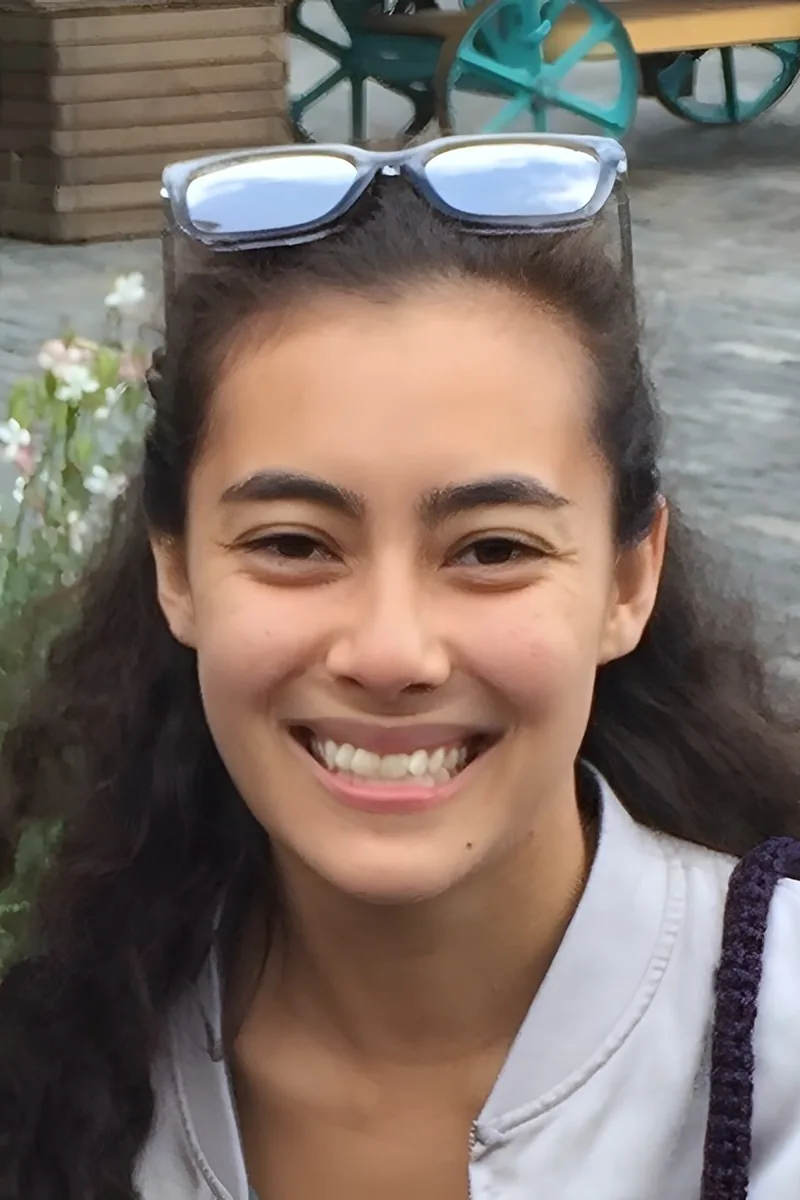
Shona's semester abroad in Seville proved that immersion reshapes how you learn any language — a lesson she carries into teaching Japanese, where she emphasizes building comfort with sentence patterns and particles through active use rather than translation drills. Her AP Japanese Language and Culture tutoring draws on both her structured math-trained thinking and her own experience navigating a second language in real-world settings. Rated 4.9 by students.
During his final summer at NYU, William traveled to Japan to study the language alongside traditional music and wartime film, grounding his Japanese in real cultural context. That immersive experience means he connects vocabulary and grammar to the situations where they're actually used — from reading signs and menus to discussing historical texts. He's especially strong at bridging the gap between textbook Japanese and how the language sounds in practice.
Emily minored in Japanese at Texas A&M and continues to engage with the language through media and self-study. She teaches hiragana, katakana, and foundational grammar patterns like particle usage with the same structured approach she applies to her other languages, making the writing systems feel systematic rather than overwhelming.
I am motivated in addressing the disparities in educational equity here in the Twin Cities, particularly for students of color and students of differing socio-economic backgrounds. I work to build strong relationships with students to determine the strengths and knowledge they bring to the table.
Having majored in Japanese at SUNY Albany, James doesn't just know the language — he understands the grammar architecturally, from particle usage and verb conjugation tiers to the nuances of honorific speech. He teaches reading and writing through cultural context, connecting kanji compounds to their historical roots so students retain them long-term rather than cramming and forgetting. Rated 4.9 by students.
As an Asian Studies major at Duke, Caitlin engages with Japanese language in an academic context that goes beyond textbook dialogues — she understands how kanji, hiragana, and katakana each function within the writing system and why particles like は and が trip up English speakers. She walks through sentence structure and honorific levels with cultural context that makes the grammar patterns memorable.
Cori is pursuing a Japanese minor at MIT, which means she's actively working through the grammar structures, kanji readings, and particle usage that trip up most learners. That proximity to the learning process gives her a practical sense of what sticks and what needs extra repetition.
Earning a full bachelor's degree in Japanese — not just a minor or a few semesters — means Jina can teach well beyond survival phrases into kanji readings, grammar particles like は vs. が, and the nuances of keigo (formal speech). She brings the same analytical rigor from her science training to breaking down sentence structure and verb conjugation patterns.
Sho teaches Japanese with attention to the details that trip up English speakers most — particle usage, verb conjugation groups, and the shift between casual and polite registers. Whether a student is learning hiragana for the first time or working through intermediate kanji and grammar patterns, he brings structured practice to a language that rewards consistency.
A PhD in linguistics means Lewis doesn't just know languages — he understands how they work structurally, which is exactly what you need when Japanese throws you grammar that has zero English parallels. He applies that analytical framework to breaking down sentence-final particles, SOV word order, and the logic behind verb conjugation so the patterns become predictable rather than random. His experience teaching ESL/ELL also means he's practiced at bridging the gap between how English and non-European languages organize meaning.
Mechanical engineering at the University of Dayton doesn't obviously connect to Japanese, but Nicholas's systematic problem-solving mindset lends itself well to breaking down kanji radicals, verb conjugation groups, and particle logic into repeatable patterns. He's also genuinely social and talkative — a trait that matters more than you'd think when practicing conversational Japanese, where comfort with speaking aloud is half the battle.
Testimonials
Because the right Japanese tutor makes all the difference.
Average Session Rating – Based on 3.4M Learner Ratings
Nearby Japanese Tutors
Other Oklahoma City Tutors
Related Languages Tutors in Oklahoma City
Frequently Asked Questions
Your first session is designed to assess your current level across all four language skills—reading, writing, speaking, and listening. The tutor will discuss your goals, whether that's conversational fluency, test preparation, or cultural understanding, and identify specific areas to focus on, such as verb conjugation or pronunciation. This personalized assessment helps create a learning plan tailored to your needs.
In a classroom setting, students in Oklahoma City often get limited opportunities to speak Japanese one-on-one. With personalized tutoring, you get consistent speaking practice in every session, allowing you to build confidence and develop natural pronunciation without the pressure of a group environment. Your tutor can also provide immediate feedback on accent and grammar in real-time conversation, accelerating your progress toward fluency.
The most effective approach combines both. Understanding grammar rules gives you a foundation for constructing sentences, while natural usage—learned through conversation and cultural immersion—helps you speak like a native speaker. A skilled tutor balances explicit grammar instruction with conversational practice, so you develop both technical accuracy and natural fluency.
Research on language learning shows that spaced repetition and retrieval practice—reviewing words at increasing intervals and using them in context—are far more effective than cramming. Your tutor can incorporate vocabulary into conversation, writing exercises, and cultural contexts, making words memorable and useful. Many students also benefit from learning vocabulary thematically (food, family, travel) rather than random lists, which helps with both retention and real-world application.
Japanese verb conjugation is complex because verbs change based on tense, formality level, and whether they're affirmative or negative—patterns that don't exist in English. A tutor can break this down systematically, starting with present tense basics and building toward more advanced forms, then reinforce each pattern through repeated practice in conversation. This structured approach transforms conjugation from overwhelming to manageable.
Language and culture are deeply connected. Understanding Japanese customs, etiquette, and social norms helps you use appropriate language registers and expressions in real situations. A tutor can weave cultural lessons into your sessions—discussing media, holidays, or social expectations—making your learning more engaging and ensuring you develop cultural competence alongside language skills.
According to the Foreign Service Institute, reaching professional-level proficiency in Japanese typically requires around 2,200 hours of study. Conversational fluency—where you can handle everyday interactions—is achievable much faster, often within 6-12 months of consistent study with a tutor, depending on your starting level and study frequency. Personalized tutoring accelerates progress because every session is focused on your specific needs rather than a one-size-fits-all curriculum.
Look for tutors who are either native Japanese speakers or have lived in Japan and achieved advanced proficiency. Ideally, they should have teaching experience and understand the specific challenges students in Oklahoma City face when learning Japanese. Varsity Tutors connects you with expert tutors who can demonstrate fluency across all four language skills and adapt their teaching to your learning style and goals.
Let’s find your perfect tutor
Answer a few quick questions. We’ll recommend the right plan and match you with a top 5% tutor.