Award-Winning Biochemistry Tutors
serving Tulsa, OK
Biochemistry
Tutors in Tulsa
Private 1-on-1 tutoring, weekly live classes for academic support, test prep & enrichment, practice tests and diagnostics, and more to elevate grades and test scores.
Based on 3.4M Learner Ratings
UniversitiesSchools & Universities
DeliveredHours Delivered
ProficiencyGrowth in Proficiency
Who needs tutoring?
No obligation. Takes ~1 minute.
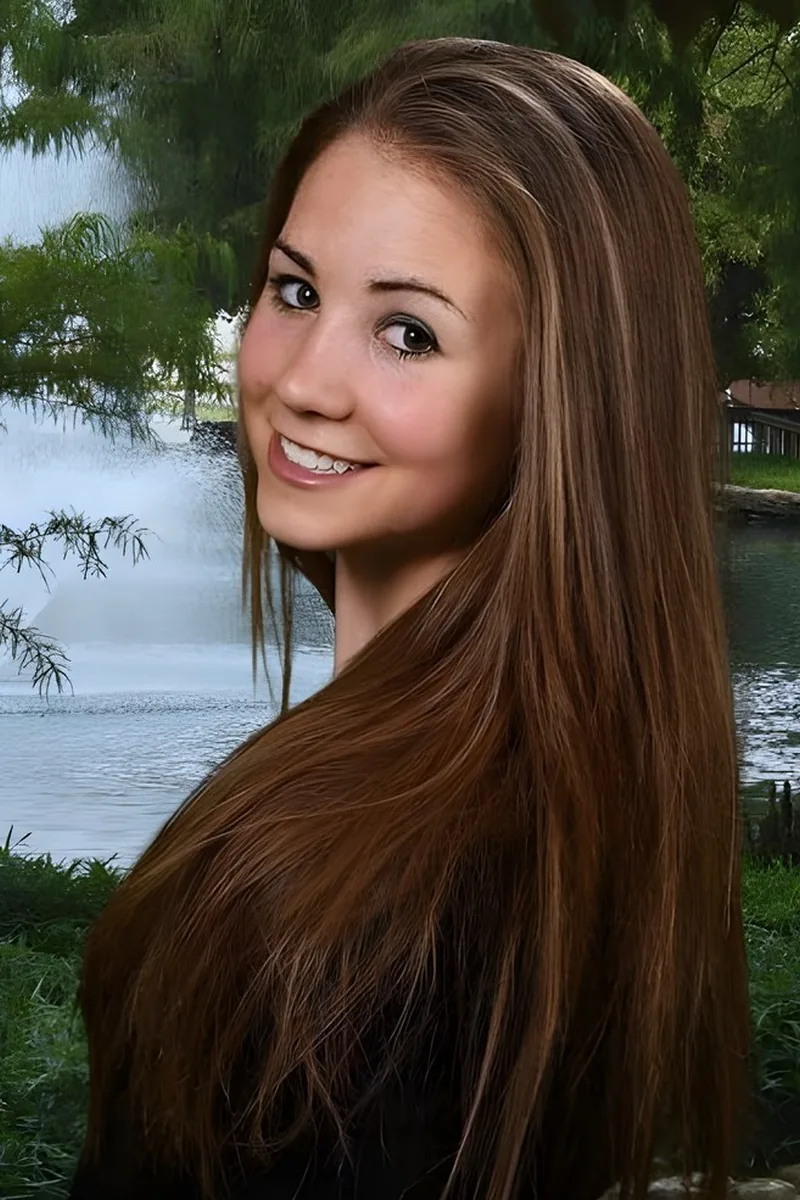
Earning a B.S. in Biochemistry and Molecular Biology means Blake has spent years inside the material — from amino acid structures and enzyme mechanisms to metabolic pathways like glycolysis and the citric acid cycle. He unpacks complex topics like protein folding and signal transduction by tying molecular details to the bigger biological question they answer.
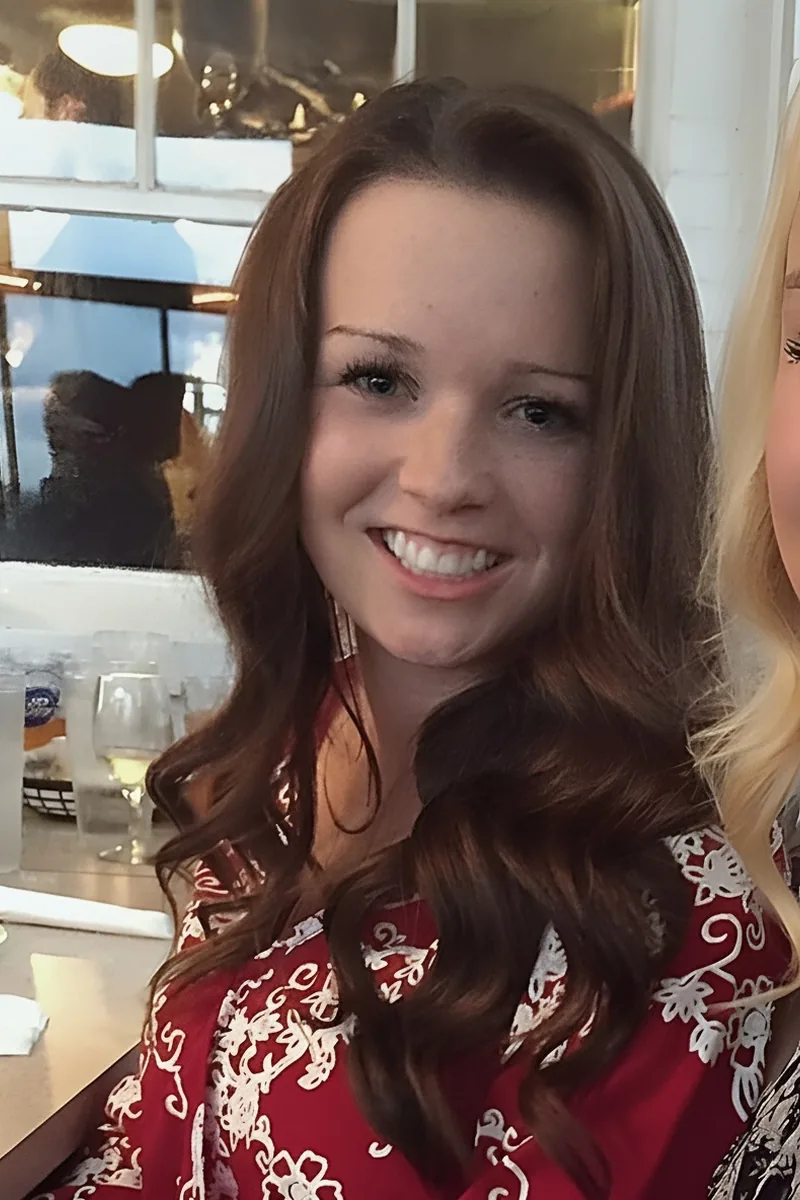
Finishing a biology degree while preparing for medical school admissions means Bailey has worked through biochemistry from both the academic and the MCAT-prep angle — amino acid properties, metabolic pathway integration, and enzyme kinetics all had to click twice. She breaks down dense topics like glycolysis or the citric acid cycle by tying each step back to the organic chemistry and cell biology concepts students already know, which makes the logic of each reaction easier to retain. Rated 4.8 by students.
Pursuing a cellular and molecular biology degree on a pre-med track at Oklahoma means Nathaniel is actively immersed in the biochemistry he teaches — from glycolysis and the citric acid cycle to the protein structure principles that tie organic chemistry to cell function. He breaks down dense pathway material by zeroing in on the chemical logic of each step, so students can trace why a reaction happens instead of just memorizing where the arrows point. Holds a 5.0 rating.
As an audiologist with a Doctorate in Audiology from the University of Oklahoma Health Sciences Center, I am dedicated to helping students understand complex scientific concepts, particularly for the audiology praxis, biochemistry, and college biology. My approach focuses on fostering a supportive learning environment where students feel comfortable asking questions and exploring challenging material. I have enjoyed mentoring peers during my time at the Cleft Palate Clinic, which deepened my commitment to teaching. I believe that every student has unique needs, and I strive to meet them where they are, empowering them to achieve academic success. I am in the process of applying for medical school, and aim to use my skills obtained for this goal to assist and empower any prospective student.
Enzyme kinetics, metabolic pathways, and protein structure all demand a kind of thinking that sits right at the intersection of biology and chemistry — exactly where Jhonatan's neuroscience training lives. He unpacks topics like Michaelis-Menten kinetics and amino acid chemistry by connecting molecular details to the larger biological question of why a cell needs this reaction in the first place. Rated 5.0 by students.
Having served as an undergraduate teaching assistant for introductory biochemistry at Cornell, Josef knows exactly which concepts — cofactor roles, enzyme regulation, the interplay between metabolic pathways — trip students up for the first time. He teaches by showing how biochemistry synthesizes organic chemistry, cell biology, and thermodynamics into a single coherent story, so each pathway feels like a logical extension rather than a separate thing to memorize. Rated 5.0 by students.
Over a year of tutoring organic chemistry through UT Austin's Engineering Student Services gave Felipe a deep fluency with the reaction mechanisms that underpin biochemistry — the nucleophilic attacks in metabolic intermediates, the carbonyl chemistry driving the citric acid cycle, and the functional group transformations that distinguish one pathway step from the next. As a biomedical engineering major on the pre-med track, he's currently synthesizing this material across his own coursework, which means he knows exactly which mechanistic details professors test and which shortcuts actually hold up under pressure.
Enzyme kinetics, metabolic pathways, amino acid chemistry — biochemistry sits right at the intersection of Alex's Bio-Organic Chemistry training. He teaches students to trace the logic of each pathway, connecting molecular structure to biological function so that something like the citric acid cycle becomes a series of predictable chemical transformations rather than an overwhelming diagram to memorize.
Studying biochemistry at Penn as part of a pre-health track, Shayan lives in the world of enzyme kinetics, metabolic pathways, and protein structure daily. He breaks down dense topics like the citric acid cycle or amino acid chemistry using visual analogies and step-by-step logic that make the connections between reactions stick long after the session ends.
As a biochemistry major at Stony Brook who also serves as a chemistry peer tutor and head teaching assistant for college biology, Natalie lives in the overlap between organic chemistry and cellular function that defines this subject. She breaks down topics like enzyme mechanisms and metabolic pathway logic by building from the reaction chemistry first, then layering in the biological context — so students can reason through an unfamiliar pathway instead of memorizing every intermediate. Rated 4.9 by students.
Enzyme kinetics, metabolic pathways, protein folding — Connor digs into biochemistry with the depth his biomedical sciences master's from Loyola Chicago demanded. He connects molecular-level details to physiological outcomes, so a student learning about Michaelis-Menten kinetics also understands what it means when a drug is a competitive inhibitor in a clinical context.
Teaching organic chemistry recitation at the University of Kentucky while simultaneously navigating medical school gives Jason an unusually current grasp of biochemistry — he's actively working through the same metabolic regulation, amino acid structures, and enzyme mechanisms his students encounter. His biology degree and MCAT preparation anchor the molecular details, while his med school training shows him how those details play out in living systems. Rated 5.0 by students.
Dental students live in biochemistry — enzyme kinetics, metabolic pathways, amino acid structures — and Josh is right in the middle of that curriculum at Penn. He unpacks topics like glycolysis and protein folding by tying each reaction to a biological consequence, which turns a wall of chemical structures into a story that's far easier to retain.
Enzyme kinetics, metabolic pathways, amino acid chemistry — biochemistry asks students to think like both a biologist and a chemist simultaneously. Ivan's background spanning cognitive science and the biological sciences, plus his MCAT teaching experience, means he can unpack reaction mechanisms and protein structure in ways that connect molecular detail to bigger physiological stories.
Marc earned his bachelor's in biochemistry before entering an MD/PhD program, so enzyme kinetics, metabolic pathways, and protein structure aren't abstract topics for him — they're daily tools. He breaks down dense material like the citric acid cycle or amino acid chemistry into logical sequences that stick without brute-force memorization.
Studying neuroscience at Vanderbilt means Avi lives in biochemistry — enzyme kinetics, metabolic pathways, and protein structure are part of his daily coursework. He unpacks topics like the citric acid cycle or amino acid chemistry by tracing the logic of each reaction rather than asking students to memorize arrows on a diagram.
Testimonials
Because the right Biochemistry tutor makes all the difference.
Average Session Rating – Based on 3.4M Learner Ratings
Practice Biochemistry
Free practice tests, flashcards, and AI tutoring for Biochemistry
Nearby Biochemistry Tutors
Other Tulsa Tutors
Related Science Tutors in Tulsa
Frequently Asked Questions
Biochemistry combines chemistry and biology at a molecular level, which means students often struggle with visualizing abstract structures like proteins and metabolic pathways. Many students also find it challenging to connect theoretical concepts—like enzyme kinetics or thermodynamics—to real-world biological processes. Additionally, balancing complex chemical equations and understanding how cellular processes work at the atomic scale requires both strong foundational chemistry knowledge and biological reasoning skills.
Personalized 1-on-1 instruction allows tutors to identify exactly where you're struggling—whether it's molecular structure visualization, metabolic pathway logic, or exam strategy—and tailor explanations to your learning style. Expert tutors can break down complex topics like protein folding or cellular respiration into manageable steps, help you build connections between chemistry and biology concepts, and work through practice problems that mirror what you'll see on exams. This focused approach helps you develop both content mastery and scientific reasoning skills.
During your first session, the tutor will assess your current understanding of key biochemistry concepts, identify specific areas where you need support, and learn about your learning style and goals. You'll discuss which topics are most urgent—whether that's enzyme mechanisms, metabolic cycles, or exam preparation—so the tutor can create a personalized plan. This foundation ensures that subsequent sessions are targeted and efficient, maximizing your progress.
While some foundational knowledge—like the genetic code or common amino acids—requires memorization, true biochemistry mastery is about understanding mechanisms and relationships rather than rote learning. The best approach is to understand why metabolic pathways work the way they do, how enzymes catalyze reactions, and how cellular processes are interconnected. Tutors help you build this conceptual framework so that details become memorable because they make logical sense, rather than requiring brute-force memorization.
Yes—tutors can help you understand the scientific principles behind your lab experiments, interpret results, and develop stronger scientific reasoning skills. Whether you're learning proper lab techniques, troubleshooting unexpected results, or writing lab reports that connect your observations to biochemical theory, personalized instruction helps you approach experiments with deeper understanding. This support strengthens both your hands-on skills and your ability to think like a scientist.
Look for tutors with strong backgrounds in both chemistry and biology, ideally with experience teaching or tutoring biochemistry specifically. They should be able to explain complex concepts clearly, help you visualize molecular structures and pathways, and connect theory to real-world applications. Varsity Tutors connects you with expert tutors who have the subject expertise and teaching skills to help you master biochemistry at whatever level you're studying.
A tutor can help you identify which topics are most heavily tested, work through practice problems and past exams, and develop strategies for tackling different question types—from mechanism problems to data interpretation. They'll help you recognize common exam patterns, practice explaining concepts clearly (crucial for essay questions), and build confidence in your problem-solving approach. Targeted exam prep ensures you're not just studying hard, but studying smart.
Varsity Tutors connects you with expert tutors who understand biochemistry and can personalize their instruction to your specific needs and schedule. Whether you need help with a single challenging concept, ongoing support throughout the semester, or intensive exam preparation, you can find a tutor who's the right fit for your goals. The matching process takes into account your learning style, availability, and specific biochemistry topics you need to master.
Let’s find your perfect tutor
Answer a few quick questions. We’ll recommend the right plan and match you with a top 5% tutor.