Award-Winning Microbiology Tutors
serving Baton Rouge, LA
Microbiology
Tutors in Baton Rouge
Private 1-on-1 tutoring, weekly live classes for academic support, test prep & enrichment, practice tests and diagnostics, and more to elevate grades and test scores.
Based on 3.4M Learner Ratings
UniversitiesSchools & Universities
DeliveredHours Delivered
ProficiencyGrowth in Proficiency
Who needs tutoring?
No obligation. Takes ~1 minute.
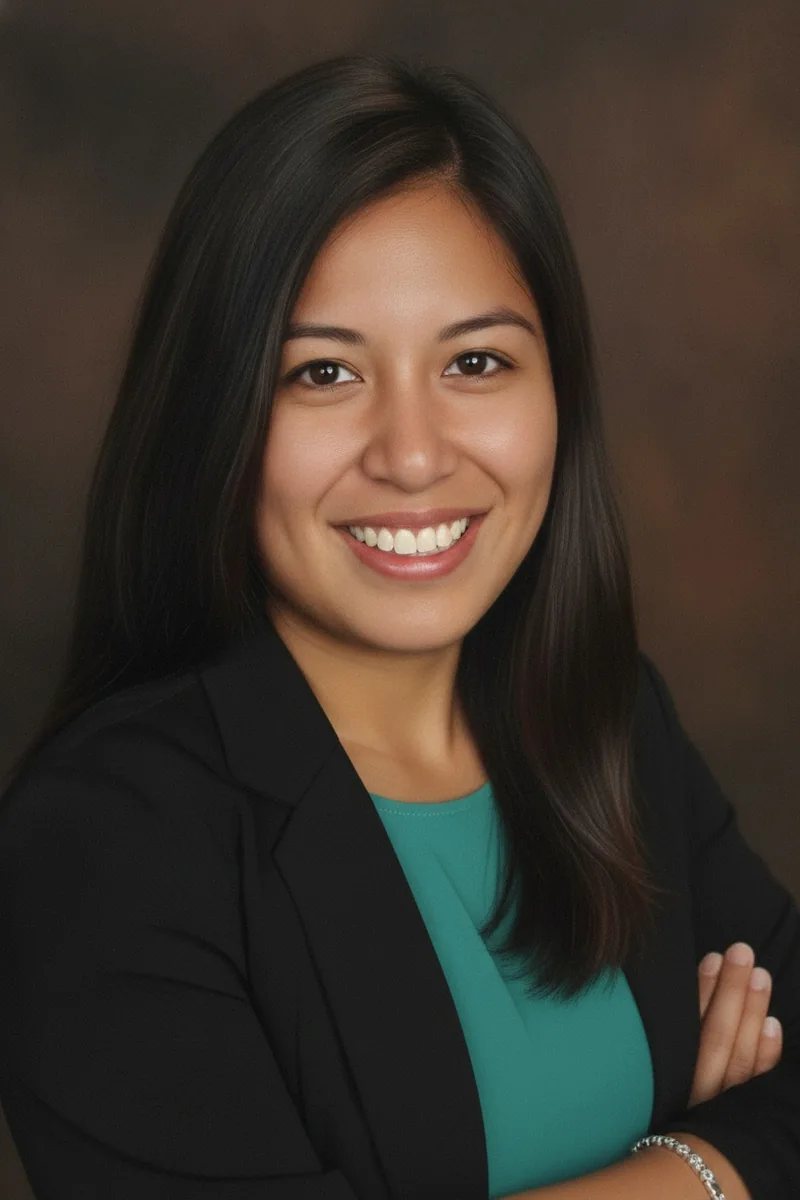
Medical school builds microbiology into nearly every clinical rotation — Robin's training means she's traced how specific pathogens cause disease, how immune responses escalate, and why certain antibiotics target one organism but not another. That clinical context turns dense material like Gram classifications and virulence mechanisms into something students can reason through, because each organism connects to a real disease process. Rated 5.0 by students.
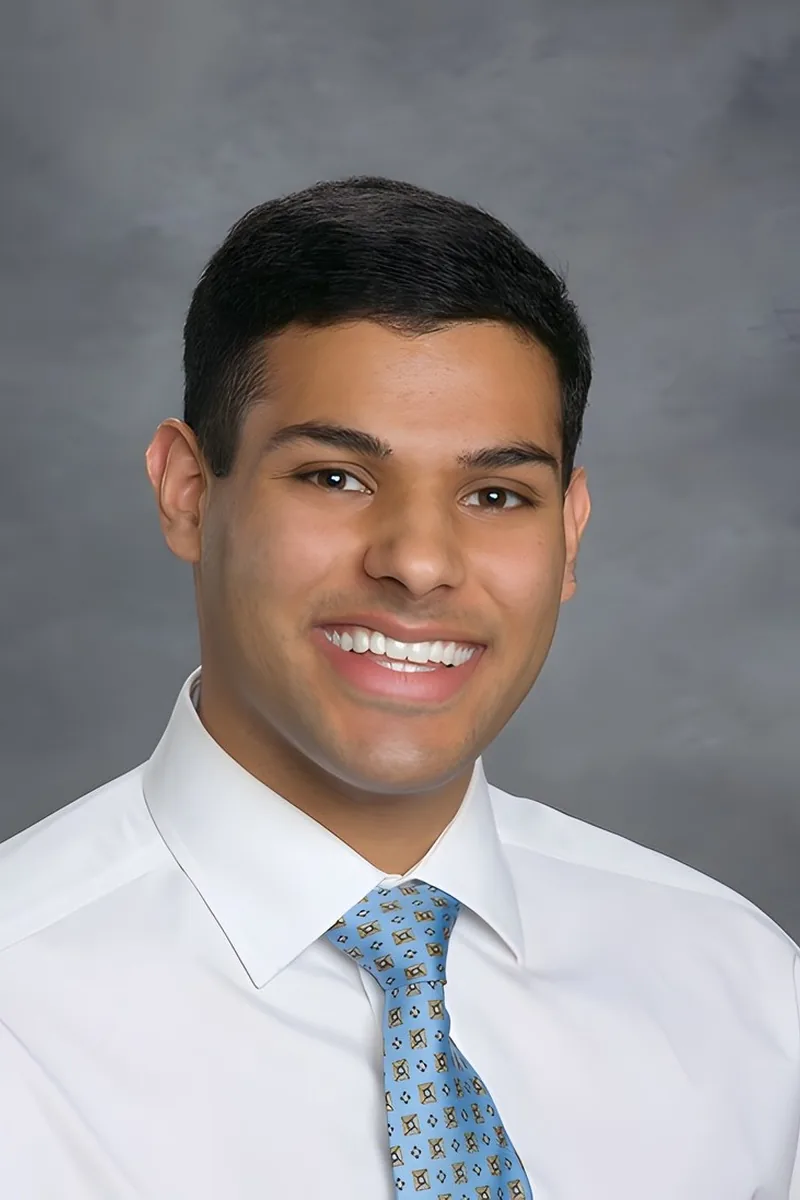
Between his biochemistry degree from Rice and his medical school training, Sanjay has spent years immersed in the microbial world — bacterial cell structure, pathogenic mechanisms, antimicrobial resistance, and the metabolic pathways that distinguish different organisms. He connects microbiology concepts to clinical scenarios, which makes memorizing genera, gram stain results, and virulence factors far more intuitive.
Medical school at Drexel meant Prateek had to master the clinically relevant microbiology — knowing which organisms cause what, how they evade the immune system, and why specific antibiotics work against specific bugs. His neuroscience background from Johns Hopkins adds depth when explaining topics like CNS infections and how pathogens interact with neural and immune tissue, turning what feels like rote memorization of bacterial families into a set of logical, mechanism-driven stories.
Monika's doctoral thesis was in microbiology, so she teaches bacterial physiology, metabolic pathways, and host-pathogen interactions from firsthand research experience. She unpacks dense topics like quorum sensing and biofilm formation by connecting them to the experimental techniques she actually used at the bench.
Studying cancer biology at the University of Chicago means Jessica spends time with microbial mechanisms at the cellular and molecular level — bacterial gene regulation, pathogenesis, and immune evasion strategies. She unpacks these dense topics by tying them to specific experimental techniques students encounter in their own coursework.
Garrett's biology degree paired with his coursework in physiology and anatomy means he understands microorganisms in the context of the systems they infect — not as isolated names on a flashcard. He walks through topics like microbial cell structure, pathogen life cycles, and immune evasion strategies by anchoring each organism to the tissue-level damage it actually causes, which turns a massive taxonomy into something students can reason through.
Neuroscience training at the undergraduate level means Jhonatan spent significant time with the microbial world — understanding how pathogens cross the blood-brain barrier, how CNS infections progress, and how the gut microbiome communicates with neural tissue. He teaches microbial physiology and host interactions by anchoring them to these neuroimmune connections, giving students a narrative thread through what can otherwise feel like an overwhelming catalog of organisms. Rated 5.0 by students.
Studying both Biology and Political Science at the college level, Andrea is immersed in microbiology coursework — from bacterial cell structure and metabolic pathways to viral replication cycles. She unpacks dense material by tying molecular-level processes to bigger-picture concepts like immune response and antibiotic resistance, which makes the details easier to retain.
Neuroscience at Brown doesn't let you skip the micro — Owen's coursework in biology and chemistry built a working understanding of how microorganisms operate at the cellular level, from membrane transport to metabolic regulation. He brings that mechanistic thinking to topics like bacterial growth curves and immune evasion, breaking down each process into the molecular steps that actually explain it.
Medical school demands a granular understanding of pathogens — bacterial cell wall differences, viral replication cycles, antibiotic resistance mechanisms. Daniel earned his M.D. and brings that clinical lens to microbiology, connecting each organism's structure and behavior to the disease processes students are expected to know for exams.
Between her molecular biology degree and her current biomedical science graduate program, Sierra has spent years working with bacterial physiology, microbial genetics, and host-pathogen interactions. She explains dense topics like gram staining protocols, metabolic pathways, and antimicrobial resistance mechanisms by tying them back to real clinical and research scenarios that make the material stick.
Between her biology degree and her public health graduate work at UT, Anna has spent years immersed in the microbial world — from bacterial cell structure and Gram staining to viral replication cycles and host-pathogen interactions. She unpacks dense microbiology material by tying pathogens and immune responses to real epidemiological case studies.
Sam's Yale degree in Molecular Biophysics and Biochemistry gave him deep exposure to the cellular and molecular mechanisms that microbiology courses demand — membrane transport, metabolic pathways, bacterial genetics, and immune response. He connects these topics to their biochemical underpinnings, which makes processes like quorum sensing or antibiotic resistance easier to understand at a mechanistic level rather than through rote memorization.
Testimonials
Because the right Microbiology tutor makes all the difference.
Average Session Rating – Based on 3.4M Learner Ratings
Nearby Microbiology Tutors
Other Baton Rouge Tutors
Related Science Tutors in Baton Rouge
Frequently Asked Questions
Microbiology requires understanding both microscopic structures you can't see with the naked eye and complex metabolic processes happening at the cellular level. Many students struggle with visualizing bacterial cell structures, grasping the logic behind staining techniques, and connecting theoretical concepts like osmosis or antibiotic resistance to real lab observations. Personalized tutoring helps bridge the gap between memorizing facts and truly understanding how microorganisms function and interact with their environment.
Expert tutors can help you understand the purpose behind each lab procedure, not just the steps to follow. They can explain why you're using specific staining methods, what you should expect to observe under the microscope, and how to interpret your results scientifically. This deeper understanding makes lab reports more meaningful and helps you develop stronger scientific reasoning skills that apply across all your coursework.
Understanding concepts is far more valuable than pure memorization in Microbiology. When you grasp why bacteria have cell walls or how the immune system recognizes pathogens, you can apply that knowledge to new situations and exam questions you've never seen before. Personalized instruction focuses on building conceptual understanding first, which actually makes retention easier and more long-lasting than cramming isolated facts.
Your first session is about understanding where you are and where you want to go. A tutor will assess your current grasp of Microbiology concepts, identify specific areas causing confusion, and learn about your learning style and goals—whether you're preparing for an exam, improving your grade, or building a stronger foundation. From there, you'll develop a personalized plan that targets your biggest challenges and builds on your strengths.
Varsity Tutors connects you with tutors who are experienced in helping students across Baton Rouge's 25 school districts succeed in Microbiology. Whether you're in a high school AP Biology course, a college introductory Microbiology class, or a specialized microbiology program, tutors understand the specific expectations and standards you're working with and can tailor their approach accordingly.
Tutors use multiple strategies to make invisible microscopic worlds tangible—drawing detailed diagrams of cell structures, using analogies to connect unfamiliar concepts to things you already understand, and walking through how structures relate to function. By combining visual explanations with real-world examples (like how antibiotic resistance develops or how fermentation works), you build mental models that stick with you long after the tutoring session ends.
Expert tutors help you move beyond surface-level studying by focusing on the concepts and reasoning patterns that exams actually test. They'll work through practice problems with you, help you recognize what different exam questions are really asking, and build your confidence in applying knowledge to novel scenarios. This targeted approach typically leads to stronger exam performance because you're developing the critical thinking skills the test is designed to measure.
Simply tell us about your Microbiology goals and what you're working on—whether it's a specific unit, exam prep, or overall grade improvement. Varsity Tutors will match you with a tutor experienced in helping Baton Rouge students master Microbiology. You'll have the flexibility to work at your own pace and focus on exactly what you need, with personalized 1-on-1 instruction designed around your learning style.
Let’s find your perfect tutor
Answer a few quick questions. We’ll recommend the right plan and match you with a top 5% tutor.