Award-Winning French Tutors
serving Hartford, CT
French
Tutors in Hartford
Private 1-on-1 tutoring, weekly live classes for academic support, test prep & enrichment, practice tests and diagnostics, and more to elevate grades and test scores.
Based on 3.4M Learner Ratings
UniversitiesSchools & Universities
DeliveredHours Delivered
ProficiencyGrowth in Proficiency
Who needs tutoring?
No obligation. Takes ~1 minute.
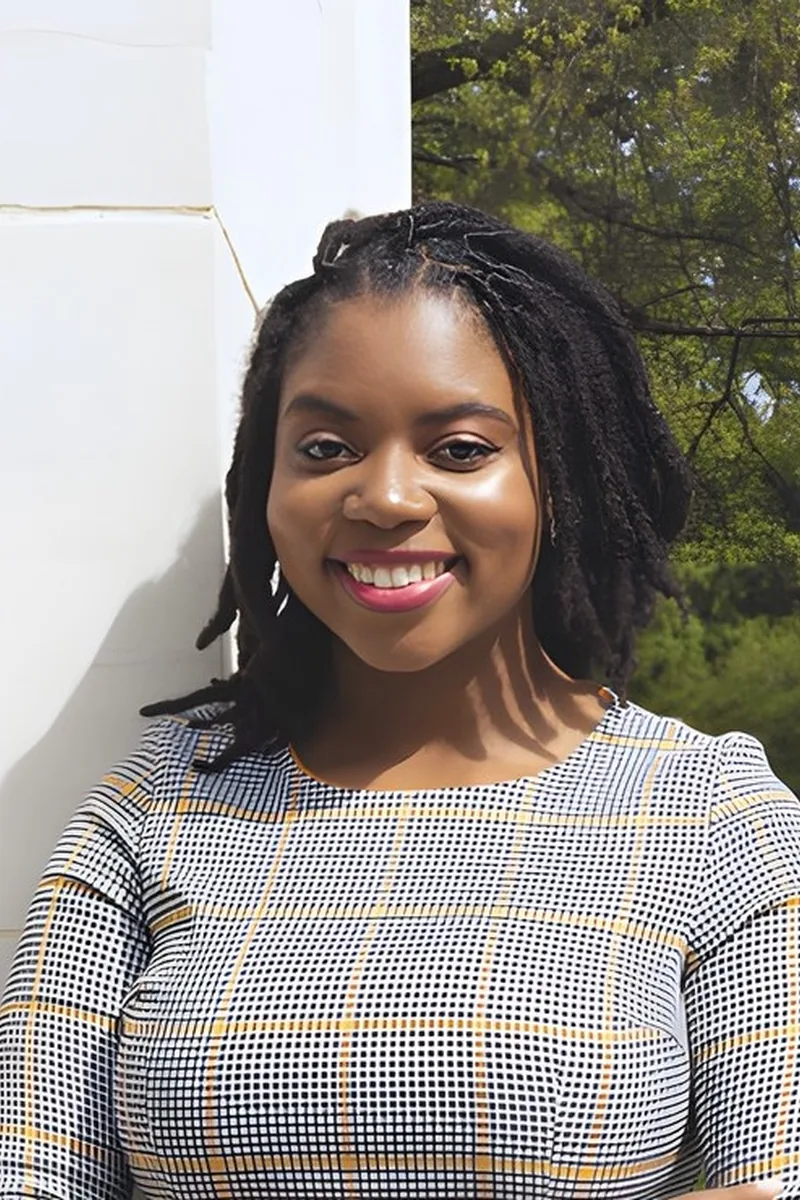
As a French major who studied the language through advanced literature and cultural analysis, Xaviera brings depth that goes well beyond conjugation drills. She connects grammar concepts like the subjunctive and passé composé to real usage — showing students how French actually sounds and functions in context. From beginning vocabulary to complex written expression, she adapts to each level.

Learning French grammar means internalizing patterns that feel alien to English speakers — gendered nouns, subjunctive triggers, pronoun placement that shifts with tense and formality. Diana teaches these structures systematically, connecting each rule to real usage so that conjugation tables translate into actual communication. Her background in both French and the broader humanities means she can weave in cultural context that makes the language stick.
Julia lived in Paris for several years, earned a master's from the Sorbonne, and holds a C2 — the highest level — on the TCF proficiency exam. Whether a student is working through passé composé versus imparfait or tackling the subjunctive for the first time, she teaches grammar in context using real French texts and conversation rather than isolated drills.
Pursuing a career in diplomacy at UNC Chapel Hill, Jess uses French daily across her public policy and defense studies — reading international policy documents, engaging with Francophone political frameworks, and building the kind of professional-grade fluency that goes well beyond classroom exercises. She teaches French 1 through French 4, covering everything from foundational verb tenses to the more nuanced subjunctive constructions and formal register shifts that trip up advancing students.
I am a freshman at Yale University, hailing originally from Seattle in the beautiful Pacific Northwest. I believe that education is one of the most fundamental aspects of a society's wellbeing, and that it is the duty of those of us who have been graced with the advantages of a good education to give back in some way; one of my motivations for tutoring is to do my part in that way.
I am a musician, educator, and philosopher based in New Haven, Connecticut. I studied at UCLA graduating Cum Laude with degrees in Music Performance, Education, and Philosophy. I have been tutoring private music lessons and academic subjects for over 5 years now, and I work as a substitute teacher across Connecticut. My favorite subjects to tutor are Music, English, and Reading/Writing Skills, but I am capable of tutoring various Historical subjects, Math, and Science as well.
Learning a second Romance language becomes much easier when someone can show you the patterns connecting it to one you already know. Geraldine, who is fluent in Spanish and studied French, draws on those shared Latin roots to demystify French grammar — explaining why subjunctive triggers or gendered nouns work the way they do. She emphasizes pronunciation and listening comprehension alongside written exercises.
Learning French through all four levels takes sustained momentum, and Ivanna keeps students progressing by linking new grammar — passé composé versus imparfait, relative pronouns, conditional constructions — back to patterns they already know. Her own experience as a multilingual learner gives her sharp instincts for where English speakers tend to stumble in French.
A French major at Northwestern, Emma doesn't just teach vocabulary lists and verb conjugations — she builds lessons around reading, listening, and conversation so that grammar concepts like the subjunctive or object pronoun placement click in context. Her dual background in French language and French literature gives her a depth that's especially useful for students moving past the intermediate plateau.
Learning French from a native speaker changes the experience entirely — pronunciation, liaison rules, and gendered agreement stop being abstract rules and start sounding like a real language. Aidan grew up speaking French and spent years living abroad, so he teaches grammar and vocabulary within the rhythms of actual conversation. Whether a student is conjugating passé composé for the first time or tackling the subjunctive, he explains the logic behind the patterns.
Born and raised near Paris, Sophie is a native French speaker who earned her degree at Brown — meaning she understands French from the inside and knows exactly where English speakers get tripped up. She digs into verb conjugation patterns, gendered agreement, and sentence structure with the kind of intuitive explanations only a true bilingual can offer.
Though her primary expertise runs through biology and medicine, Amanda's structured, analytical approach to learning transfers well to picking apart French grammar — she treats verb conjugation patterns and noun-gender rules like systems to decode rather than lists to memorize. Her experience preparing for the SAT Spanish with Listening exam also means she's familiar with the discipline of foreign language study, from building vocabulary systematically to training your ear for spoken comprehension.
Margot's French studies span grammar, reading comprehension, and cultural context — from mastering passé composé versus imparfait to navigating authentic French texts. She connects language rules to real usage patterns so that conjugation tables start making intuitive sense rather than feeling like rote memorization.
Eleven years of French study and time living abroad in a Francophone country turned Abby into a self-described French grammar geek — the kind of tutor who can explain the subjunctive mood or the nuances of passé composé vs. imparfait with genuine enthusiasm. She tackles everything from verb conjugation drills to advanced reading comprehension. Her deep comfort with the language means she can adapt quickly whether a student is struggling with basics or preparing for the SAT Subject Test.
Studying both linguistics and psychology at the University of Chicago gave Sherry an unusual edge for teaching French — she understands how language systems are structured and how the brain actually acquires new ones. She applies that dual perspective to everything from gendered noun patterns to the nuances of French phonology, making unfamiliar sounds and grammar feel more logical. Rated 5.0 by students.
Skyler's language-learning background extends beyond her Russian specialization — she has studied French formally and brings a linguist's eye to verb conjugation patterns, pronoun usage, and the grammatical structures that trip up English speakers. Her approach connects French grammar to the logic behind it, so rules like the subjunctive mood or passé composé vs. imparfait distinction actually make sense rather than feeling arbitrary.
Learning French grammar — verb conjugations, gendered nouns, the subjunctive — often feels like an exercise in rote memorization until someone explains the logic underneath. Max teaches French by revealing those patterns, building from foundational structures in French 1 through the more complex reading and composition demands of French 2. His psychology background also gives him a sharp sense of how language acquisition actually works in the brain.
I'm a student at Brown University with an eclectic set of interests. I am trilingual, analytical, and creative and look forward to tutoring you! :)
Testimonials
Because the right French tutor makes all the difference.
Average Session Rating – Based on 3.4M Learner Ratings
Nearby French Tutors
Other Hartford Tutors
Related Languages Tutors in Hartford
Frequently Asked Questions
In a typical Hartford classroom with a 14.3:1 student-teacher ratio, students get limited one-on-one speaking time. Personalized 1-on-1 French tutoring provides dedicated conversation practice where you're speaking for the entire session—something impossible in group settings. A tutor can focus on your pronunciation, help you think in French rather than translating, and adjust the difficulty in real time to keep you challenged without overwhelming you.
French verb conjugation is notoriously complex because verbs change based on subject, tense, and mood—with irregular verbs that don't follow predictable patterns. Rather than memorizing conjugation tables, an expert tutor teaches you the underlying patterns and gives you strategic practice with verbs you actually use in conversation. This approach builds real understanding instead of short-term memorization, making conjugation stick long-term.
Vocabulary retention improves dramatically with spaced repetition and using words in meaningful context rather than isolated lists. A tutor can introduce new vocabulary through conversation, reading, and real-world scenarios relevant to your interests, then strategically revisit words over multiple sessions. This method—combining context, repetition, and active use—helps new vocabulary move from short-term to long-term memory.
Language and culture are deeply connected. Understanding French cultural references, idioms, and communication styles makes the language feel less abstract and helps you use it more naturally. Many tutors weave cultural elements into lessons—discussing French films, literature, news, or customs—which not only makes learning more engaging but also helps you understand why French speakers say things the way they do.
A well-rounded French tutor develops all four skills, but the balance depends on your goals and current level. If you're strong in reading and writing but struggle with listening and speaking, your tutor focuses more on comprehension and conversation. If you're preparing for an AP French exam or proficiency test, your tutor ensures you're prepared across all skill areas with targeted practice in weaker areas.
Yes—this is one of the biggest advantages of 1-on-1 tutoring. A tutor can identify exactly which sounds you're mispronouncing (like the French 'r' or nasal vowels), explain how to position your mouth and tongue, and give you immediate feedback as you practice. Over time, consistent correction and modeling helps you develop an authentic accent and sound more natural when speaking.
Your first session is primarily about assessment and connection. The tutor will ask about your current French level, what you've already studied, your goals (conversational fluency, exam prep, academic support), and what's been challenging for you. They'll likely do some speaking and listening activities to gauge your skills, then create a personalized plan tailored to your needs and learning style.
Varsity Tutors connects you with expert French tutors in Hartford who match your specific goals and learning style. When you reach out, you'll share details about your level, what you're working toward, and your schedule. We handle the matching process so you get paired with a tutor who has expertise in your particular needs—whether that's conversational French, exam preparation, or grammar foundations.
Let’s find your perfect tutor
Answer a few quick questions. We’ll recommend the right plan and match you with a top 5% tutor.