Award-Winning Organic Chemistry Tutors
serving Hartford, CT
Organic Chemistry
Tutors in Hartford
Private 1-on-1 tutoring, weekly live classes for academic support, test prep & enrichment, practice tests and diagnostics, and more to elevate grades and test scores.
Based on 3.4M Learner Ratings
UniversitiesSchools & Universities
DeliveredHours Delivered
ProficiencyGrowth in Proficiency
Who needs tutoring?
No obligation. Takes ~1 minute.
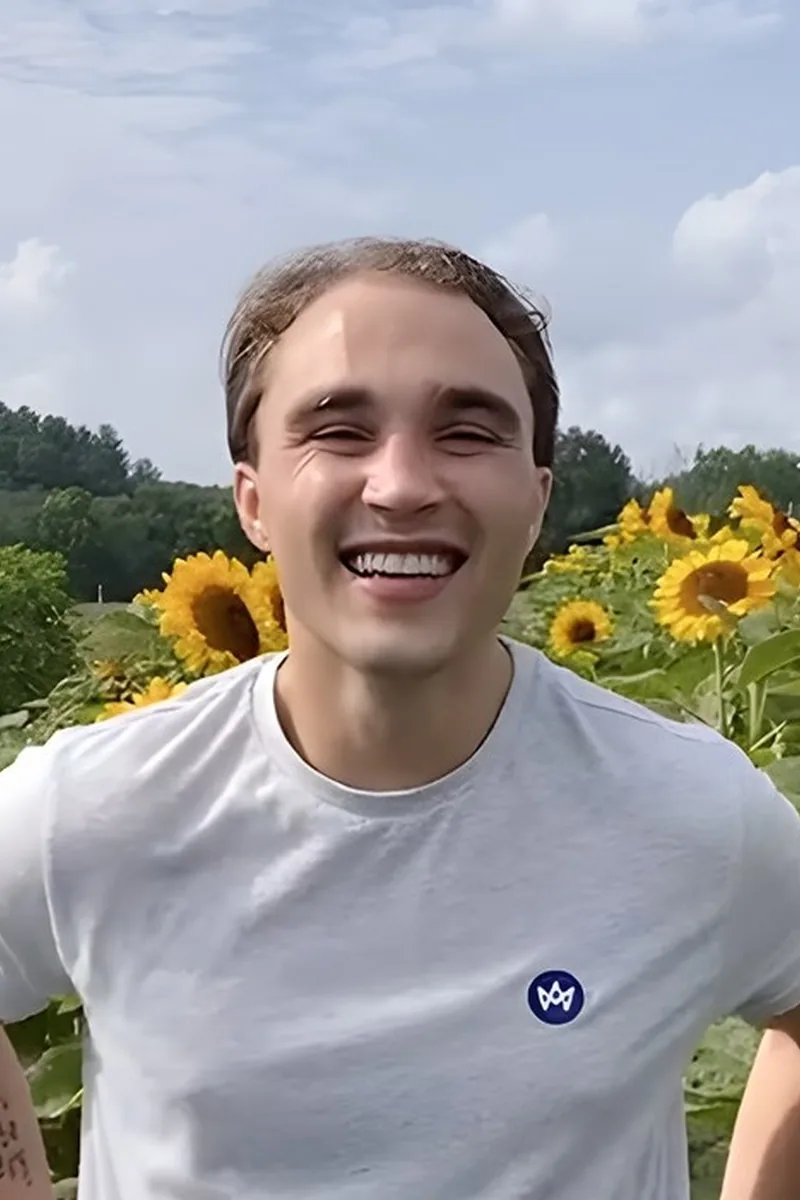
Two years as a TA in organic chemistry at UConn — where Noah is pursuing a PhD in medicinal chemistry with research rooted in organic synthesis — means he's seen exactly where students lose the thread on arrow-pushing, stereochemistry, and multi-step reaction sequences. He teaches from the bench as much as the blackboard, connecting textbook mechanisms to the real synthetic challenges he tackles in his own research. Rated 5.0 by students.
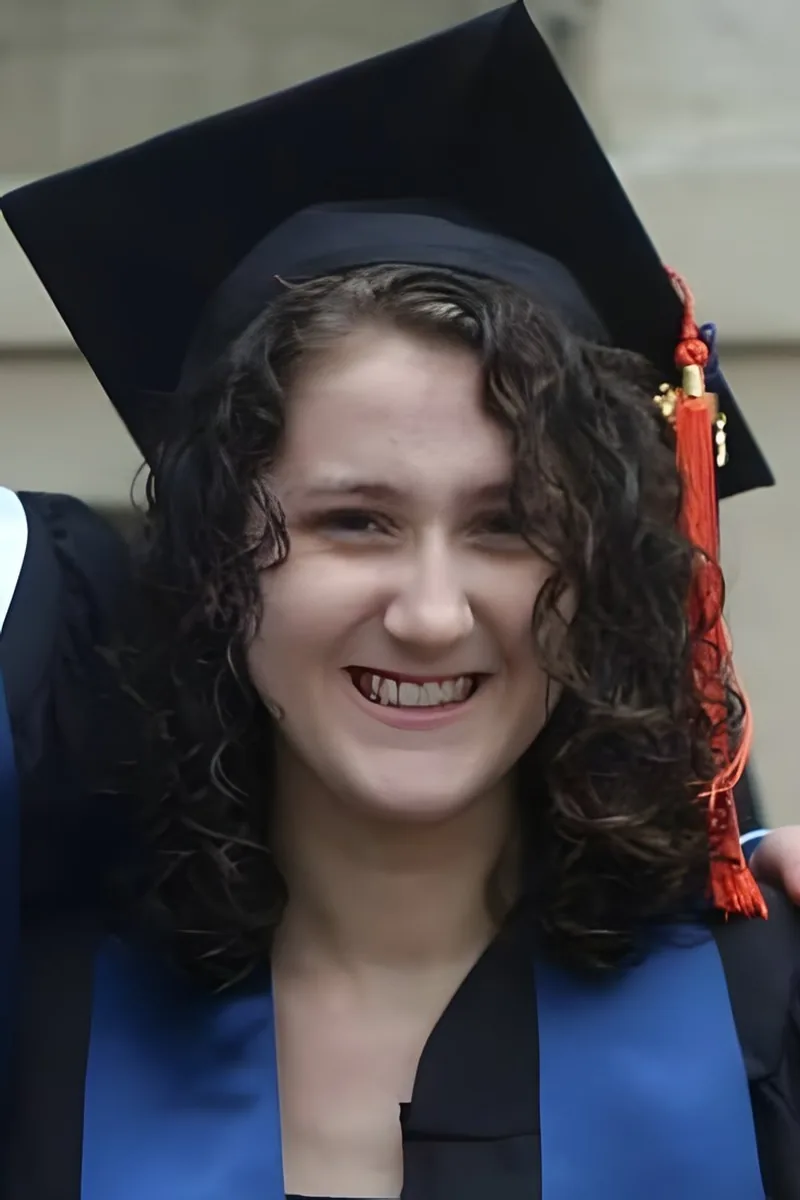
I am a PhD student in Inorganic Chemistry at Yale University. I've been spreading my love of chemistry for the past several years as a TA for general chemistry, and I'm excited to share my passion with you! Prior to Yale, I got my B.S. in chemistry from Caltech, where I also served as a TA for both general chemistry lab and advanced inorganic chemistry. Outside of teaching and research, I enjoy fencing, reading, and playing piano.
Most students dread organic chemistry, but Lily genuinely loves it — and that enthusiasm comes through when she's walking someone through a tricky elimination mechanism or explaining why a carbonyl is so electrophilic. Her neuroscience degree meant she encountered these reactions both in the classroom and in the lab, where seeing functional group transformations play out in real experiments made the arrow-pushing logic click in a way pure lecture never could. Rated 4.9 by students.
Reaction mechanisms click when you understand electron movement — why a nucleophile attacks one carbon over another, how steric hindrance redirects a pathway, what drives an elimination versus a substitution. Enric's PhD in Chemistry means he's spent years thinking at the mechanistic level and can unpack arrow-pushing, stereochemistry, and retrosynthetic analysis in ways that make each reaction type feel logical rather than arbitrary.
David is earning his PhD in organic chemistry at Northwestern, where he teaches undergraduate orgo labs and recitations and has co-written exam questions for the department. That means he knows exactly which reaction mechanisms, stereochemistry problems, and retrosynthesis challenges professors test — and how to break them down so the logic clicks. Rated 5.0 by students, he ties each mechanism to real-world applications that make the material stick.
Reaction mechanisms are the backbone of organic chemistry, and students who try to memorize each one individually run out of mental storage by the second exam. Bintou's chemistry training at Penn taught her to classify reactions by electron behavior — nucleophilic attack, leaving group stability, carbocation rearrangement — so patterns emerge instead of isolated steps. She teaches students to predict products by reading the mechanism, not by recognizing a specific example they've seen before.
Having fought through orgo on the path to a 36 ACT and a biology degree — with MCAT prep sharpening every mechanism further — Aleeza knows exactly where students get tripped up on topics like carbonyl additions and substitution-vs-elimination decision-making. She teaches reaction patterns by connecting them back to the biological molecules they show up in, which makes the logic behind electron flow feel purposeful rather than abstract. Rated 4.9 by students.
Siddharth's biology degree means he first encountered organic chemistry through the lens of biomolecules — amino acid reactivity, lipid structures, and the functional group behavior that drives metabolic pathways. That biological framing gives him a practical way to teach arrow-pushing and reaction classifications, connecting each mechanism to molecules students can visualize rather than treating them as abstract exercises.
Chemical engineering at Cornell meant Rahul didn't just pass organic chemistry — he applied it daily in reactor design, synthesis planning, and thermodynamic analysis of reaction pathways. That engineering lens gives him a distinctive angle on topics like carbonyl chemistry and stereoselectivity, where he ties mechanism logic back to energy landscapes and kinetic versus thermodynamic control. Rated 4.9 by students.
Most organic chemistry struggles come down to not recognizing patterns — why a nucleophile attacks here and not there, or how electron-pushing arrows predict a product. Eric's graduate training in chemistry means he teaches reaction mechanisms as a connected framework of electronic and steric principles rather than a list of isolated reactions. Students rated him 5.0.
Reaction mechanisms are essentially stories told with curved arrows, and the trick is learning to read them rather than memorize hundreds individually. Mark approaches organic chemistry by teaching students to recognize patterns — nucleophilic attacks, leaving group stability, steric effects — so they can predict products on reactions they've never seen before. His chemistry coursework at Notre Dame keeps these concepts fresh and grounded in real molecular behavior.
Reaction mechanisms are the language of organic chemistry — if you can't follow electron movement through a nucleophilic substitution or an elimination, every new reaction feels like something to memorize from scratch. Cassandra teaches students to recognize the patterns that repeat across seemingly different reactions: leaving group quality, steric effects, acid-base behavior. That pattern-recognition approach, sharpened by her biology and biochemistry background, turns a notoriously overwhelming course into something students can actually reason through.
Reaction mechanisms are the backbone of organic chemistry, and most exam mistakes trace back to shaky arrow-pushing fundamentals. Abhinav teaches students to classify reactions by nucleophile-electrophile interactions first, then layer on stereochemistry and regiochemistry — an approach that turns a seemingly infinite number of reactions into a manageable set of patterns.
Studying chemistry at Harvard while preparing for Columbia Medical School means James has worked through organic chemistry from both the academic and pre-med sides — understanding mechanisms deeply enough to satisfy a chemistry major, and efficiently enough to apply them in biochemistry and pharmacology contexts. He's particularly strong at teaching students how to predict reaction outcomes by analyzing charge stability and leaving group trends rather than treating each transformation as a new thing to memorize. Rated 4.9 by students.
Having taught General Chemistry, Organic Chemistry, and GOB courses for health professions repeatedly at the college level, Jeremy approaches reaction mechanisms as skills to be practiced — not facts to be memorized. His PhD in Chemistry from Yale means he can trace arrow-pushing, stereochemical analysis, and multi-step synthesis all the way down to first principles, then rebuild them at whatever level a student needs. He holds a 4.6 rating.
Testimonials
Because the right Organic Chemistry tutor makes all the difference.
Average Session Rating – Based on 3.4M Learner Ratings
Practice Organic Chemistry
Free practice tests, flashcards, and AI tutoring for Organic Chemistry
Nearby Organic Chemistry Tutors
Other Hartford Tutors
Related Science Tutors in Hartford
Frequently Asked Questions
Organic Chemistry is notoriously challenging because it requires both memorization and deep conceptual understanding—you need to know reaction mechanisms, but also understand why they happen. Many students struggle with visualizing 3D molecular structures, tracking electron movement, and applying concepts to new problems. Personalized tutoring helps break down these abstract concepts into manageable pieces, so you understand the logic behind reactions rather than just memorizing them.
Your first session is about understanding where you are and where you need to go. A tutor will likely assess your foundation in general chemistry concepts, identify specific topics causing confusion (like SN2 reactions, resonance structures, or stereochemistry), and create a personalized plan. They'll work with you on one concept in depth so you can see how personalized instruction makes organic chemistry more intuitive.
Visualizing 3D structures and electron movement is one of the biggest hurdles in Organic Chemistry. Expert tutors use drawing techniques, molecular models, and step-by-step mechanism walkthroughs to make abstract concepts concrete. They can show you how to think through problems systematically—drawing out electron pairs, predicting outcomes, and checking your work—so you develop the spatial reasoning skills that make organic chemistry click.
While some key reactions are worth knowing, successful organic chemistry is really about understanding reaction patterns and principles rather than pure memorization. Tutors help you recognize that reactions fall into categories (nucleophilic substitution, elimination, addition, etc.) and that understanding the mechanism helps you predict outcomes. This approach is much more efficient than trying to memorize hundreds of reactions, and it prepares you better for exams and advanced coursework.
If you're taking Organic Chemistry lab alongside lecture, tutoring can bridge the gap between theory and hands-on experiments. Tutors help you understand why you're performing specific steps, what reactions are actually happening, and how to interpret your results. This connection deepens your understanding and makes lab reports and discussions much more meaningful.
Ideally, starting 4-6 weeks before an exam gives you time to build foundational understanding rather than cramming. However, even a few weeks of focused tutoring can help if you're struggling with specific topics. Personalized instruction lets you target your weak areas—whether that's mechanisms, synthesis problems, or spectroscopy—so you make the most efficient use of your study time.
Look for tutors with strong chemistry backgrounds—ideally a degree in chemistry or related field, plus teaching or tutoring experience. It's especially valuable if they've taken advanced organic chemistry or worked in chemistry research or industry. Varsity Tutors connects you with expert tutors who have demonstrated expertise in Organic Chemistry and experience helping students master challenging concepts.
Hartford's schools and universities often have chemistry labs, study groups, and office hours that work well alongside personalized tutoring. Many tutors can recommend how to use your school's resources effectively—whether that's attending review sessions, using lab facilities, or connecting with study groups. Combining personalized instruction with your school's resources creates a comprehensive support system for mastering Organic Chemistry.
Let’s find your perfect tutor
Answer a few quick questions. We’ll recommend the right plan and match you with a top 5% tutor.