Award-Winning AP Spanish Language & Culture Tutors
serving Hartford, CT
AP Spanish Language & Culture
Tutors in Hartford
Private 1-on-1 tutoring, weekly live classes for academic support, test prep & enrichment, practice tests and diagnostics, and more to elevate grades and test scores.
Based on 3.4M Learner Ratings
UniversitiesSchools & Universities
DeliveredHours Delivered
ProficiencyGrowth in Proficiency
Who needs tutoring?
No obligation. Takes ~1 minute.
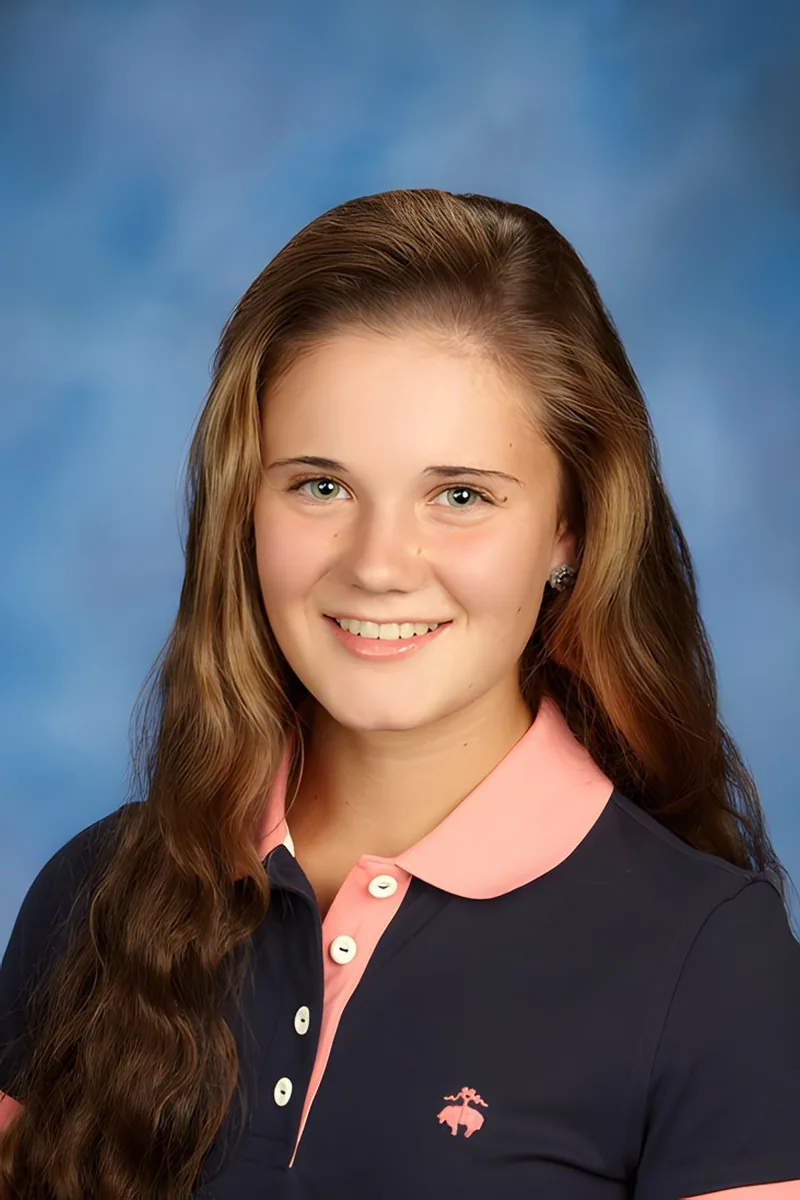
Between engineering coursework at Cornell and watching Russian news to stay sharp in her third language, Daria keeps her Spanish active by treating it as another system to master — grammar patterns, listening comprehension, and cultural context all get the same analytical rigor. She teaches both Spanish 1 and Spanish 2 alongside AP prep, so she knows exactly which foundational gaps trip students up on the exam's interpretive and presentational tasks. Rated 5.0 by students.
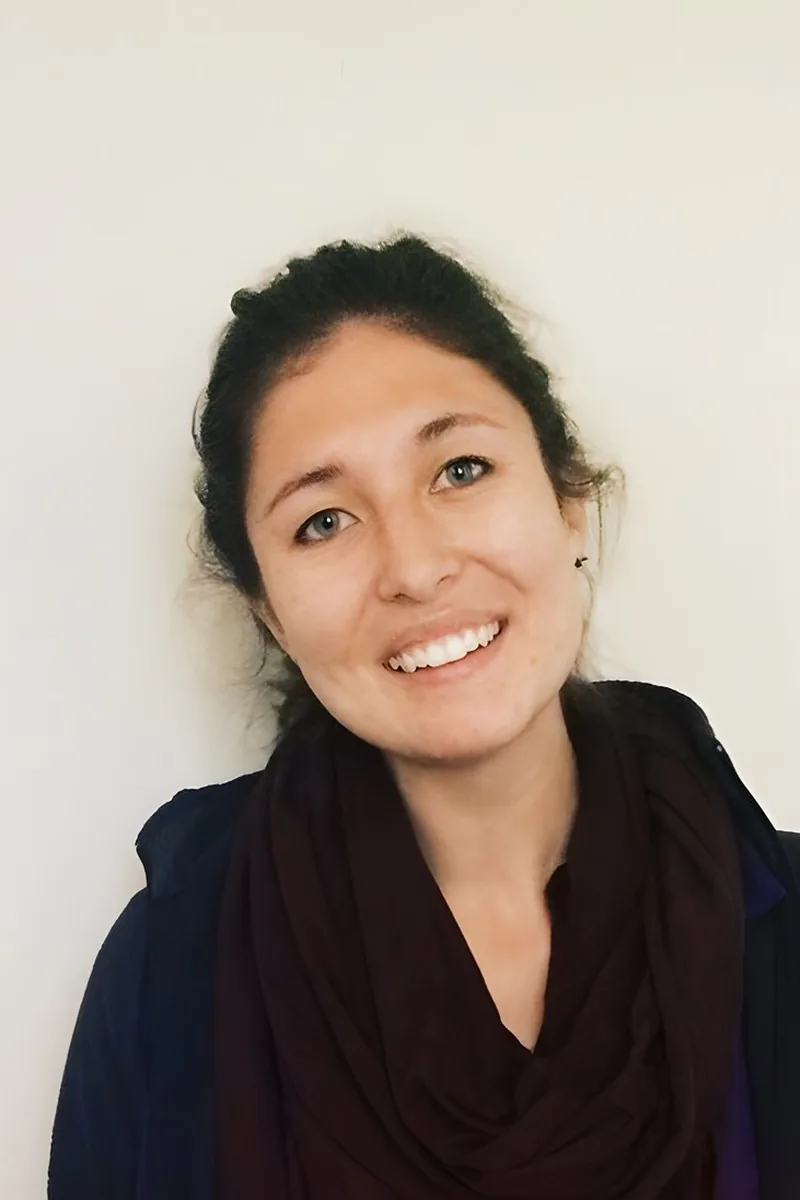
Scoring well on AP Spanish Language & Culture means toggling fluently between interpersonal conversation, presentational writing, and audio-source synthesis — three very different skill sets tested in one exam. Reta has taken the exam, completed years of university-level Spanish, and spent time living abroad in Spanish-speaking countries, so her command of register, idiomatic expression, and cultural context is practical, not just academic. She drills the comparison essay and simulated conversation formats until students feel genuinely comfortable producing Spanish under pressure.
This isn't Katie's core subject — her degrees are in biomedical and biological engineering from Cornell, and her teaching load leans heavily toward STEM, history, and English. That said, her engineering training built the kind of systematic, pattern-based thinking that can help break down Spanish grammar structures and exam strategies for students who need a more analytical approach to language learning.
Milan's double major in Computer Science and English might seem unrelated to Spanish, but teaching across six Spanish levels — from Spanish 1 through AP — means he knows exactly which grammar gaps trip students up on timed free-response tasks. His English background sharpens how he coaches the persuasive essay's argument structure, while his conversational Spanish teaching keeps the interpersonal speaking prep grounded in real communication rather than rehearsed scripts.
This isn't Marvin's core subject — his University of Chicago economics degree and current elementary teaching work sit outside the language space. That said, he's listed for AP Spanish Language & Culture alongside broader test prep and study skills, so he can support students on the structural side: organizing persuasive essay outlines, building timed-response strategies, and strengthening the analytical habits the cultural comparison task rewards.
Jennifer's journalism training at Northwestern — where she learned to write persuasively under tight deadlines in formal register — maps directly onto the AP Spanish exam's timed persuasive essay, which demands the same skill set in a second language. She teaches Spanish from level 1 through AP and conversational Spanish, and her Georgetown international politics background means she can coach students through the cultural comparison task with the kind of geopolitical nuance that turns a generic response into a compelling one.
The AP Spanish Language & Culture exam tests whether students can actually think in Spanish — synthesizing audio clips, reading articles, and writing persuasive essays all under time pressure. Adam teaches across multiple levels of Spanish and understands how to bridge the gap between classroom grammar and the real-world fluency the exam rewards. He zeroes in on the presentational writing and speaking tasks where most points are won or lost.
Growing up as a native Spanish speaker and then formally studying the language through a Hispanic Studies degree gives Mercedes something the AP exam's interpersonal speaking tasks reward — an instinct for when to shift between informal conversational register and the polished, formal tone the persuasive essay demands. She's a certified high school teacher who also holds a master's in literature, so she approaches the exam's source-synthesis writing tasks the way she'd teach a close reading: pulling evidence, structuring an argument, and controlling tone under timed pressure.
Rithi's strengths sit squarely in STEM — neuroscience, biotechnology, and a 1550 SAT — so she's upfront that AP Spanish isn't her primary domain. That said, her science background means she's comfortable with systematic thinking about complex rule sets, which she applies to helping break down subjunctive triggers and formal register conventions into learnable patterns rather than abstract grammar lists.
Between teaching Spanish 1 through 4, conversational Spanish, and both SAT Spanish Subject Tests, Linda has logged serious hours across every level of the language — which means she can quickly spot whether an AP student's weak point is a shaky subjunctive foundation or an inability to shift into formal written register under timed conditions. Her graduate work in education at USC's Rossier School sharpens how she structures exam prep, particularly for the persuasive essay task where students need to synthesize Spanish-language sources into a cohesive argument fast.
Sarah's English degree and SAT score of 1500 mean she's already wired for the kind of timed, source-based writing the AP Spanish exam throws at students in the persuasive essay — structuring an argument, synthesizing texts, and maintaining formal register under pressure. She teaches Spanish from level 1 through 4 and conversational Spanish, so she can spot whether a student's real bottleneck is subjunctive grammar or the rhetorical organization that separates a passing score from a strong one.
Gus teaches Spanish across all four levels plus conversational Spanish, and his History degree means he's already wired to think about how cultural contexts shape language — a skill that directly feeds the AP exam's cultural comparison free-response. He approaches the interpersonal speaking and listening tasks by turning grammar patterns into narrative logic, making subjunctive triggers and register shifts stick the way a good story does rather than a conjugation chart.
A cognitive sciences degree with a minor in Spanish means Adam approaches the language analytically — he treats subjunctive triggers and register shifts as pattern-recognition problems, which clicks for students who struggle with the "just memorize it" approach to grammar. His 34 ACT confirms strong reading and reasoning skills that translate directly into coaching the AP exam's interpretive reading and audio tasks, where extracting meaning from authentic Spanish sources under time pressure is half the battle.
Courtney minored in Spanish during her sociology degree, which means she's comfortable navigating both the language mechanics and the cross-cultural analysis the AP exam demands — particularly the cultural comparison task, where sociological thinking gives her a distinct edge. She also teaches CLEP Spanish and the SAT Subject Tests in Spanish, so she's used to coaching students through timed, high-stakes language assessments where formal register and quick recall matter. Rated 5.0 by students.
Testimonials
Because the right AP Spanish Language & Culture tutor makes all the difference.
Average Session Rating – Based on 3.4M Learner Ratings
Nearby AP Spanish Language & Culture Tutors
Other Hartford Tutors
Related Languages Tutors in Hartford
Frequently Asked Questions
The AP Spanish Language & Culture exam tests your ability to understand and communicate in Spanish across real-world contexts. The exam includes five sections: listening comprehension, reading comprehension, writing (email reply and essay), speaking (conversation and cultural presentation), and covers themes like personal and public identities, family and communities, beauty and aesthetics, science and technology, and global challenges. Success requires both strong language skills and cultural understanding of Spanish-speaking regions.
Score improvement depends on your starting point and commitment level, but personalized 1-on-1 instruction typically helps students identify and close specific gaps—whether that's verb conjugation accuracy, listening comprehension speed, or essay organization. Many students see meaningful progress (1-2 score points) within 8-12 weeks by focusing on their weakest sections and practicing with authentic exam materials. The key is targeted practice combined with feedback on your specific errors.
Hartford students often struggle with the speaking section—particularly the cultural presentation, where you must discuss a Spanish-language source in depth while maintaining fluency under time pressure. The listening section is another common challenge because native-speaker pace and regional accents can feel overwhelming without exposure. Many students also underestimate the writing section's complexity; it requires not just correct grammar but sophisticated vocabulary and cultural awareness. Personalized tutoring helps you tackle these specific weak points with targeted strategies.
Most students benefit from starting preparation 3-4 months before the exam, dedicating 5-7 hours per week to focused study. If you're starting later or need intensive help, tutoring sessions can accelerate progress by prioritizing high-impact areas rather than reviewing material you've already mastered. Consistency matters more than volume—regular practice with real exam questions and immediate feedback on your speaking and writing is far more effective than cramming.
Practice tests are essential because they reveal exactly which sections and question types trip you up, helping you allocate study time strategically. Take full-length practice exams under timed conditions every 2-3 weeks, then review every single mistake—not just to learn the right answer, but to understand why you missed it. Tutors can help you analyze your practice test results, identify patterns in your errors, and develop targeted strategies for each section before test day.
The speaking section requires both fluency and cultural knowledge, and many students benefit from practicing with a tutor who can give real-time feedback on pronunciation, pacing, and grammar. Record yourself doing practice conversations and cultural presentations, then review them critically—you'll often catch mistakes you miss when speaking spontaneously. Regular speaking practice with corrective feedback is far more effective than silent study, and tutors can simulate exam conditions so you build confidence before test day.
Varsity Tutors connects you with expert tutors in Hartford who have deep knowledge of the AP Spanish Language & Culture curriculum and exam format. When you get matched with a tutor, you can discuss your specific goals—whether you're aiming to boost your overall score, master the speaking section, or build cultural knowledge—so instruction is tailored to your needs. Look for tutors with AP exam experience and ideally some background in Spanish-speaking cultures.
Your first session is typically diagnostic—a tutor will assess your current language level, review your strengths and weaknesses across all five exam sections, and learn about your timeline and goals. You might take a short practice test or complete speaking/writing samples so the tutor understands exactly where to focus. From there, you'll develop a personalized study plan targeting your biggest gaps, whether that's listening comprehension, essay writing, or cultural knowledge.
Let’s find your perfect tutor
Answer a few quick questions. We’ll recommend the right plan and match you with a top 5% tutor.