Award-Winning Elementary School Reading Tutors
serving Hartford, CT
Elementary School Reading
Tutors in Hartford
Private 1-on-1 tutoring, weekly live classes for academic support, test prep & enrichment, practice tests and diagnostics, and more to elevate grades and test scores.
Based on 3.4M Learner Ratings
UniversitiesSchools & Universities
DeliveredHours Delivered
ProficiencyGrowth in Proficiency
Who needs tutoring?
No obligation. Takes ~1 minute.
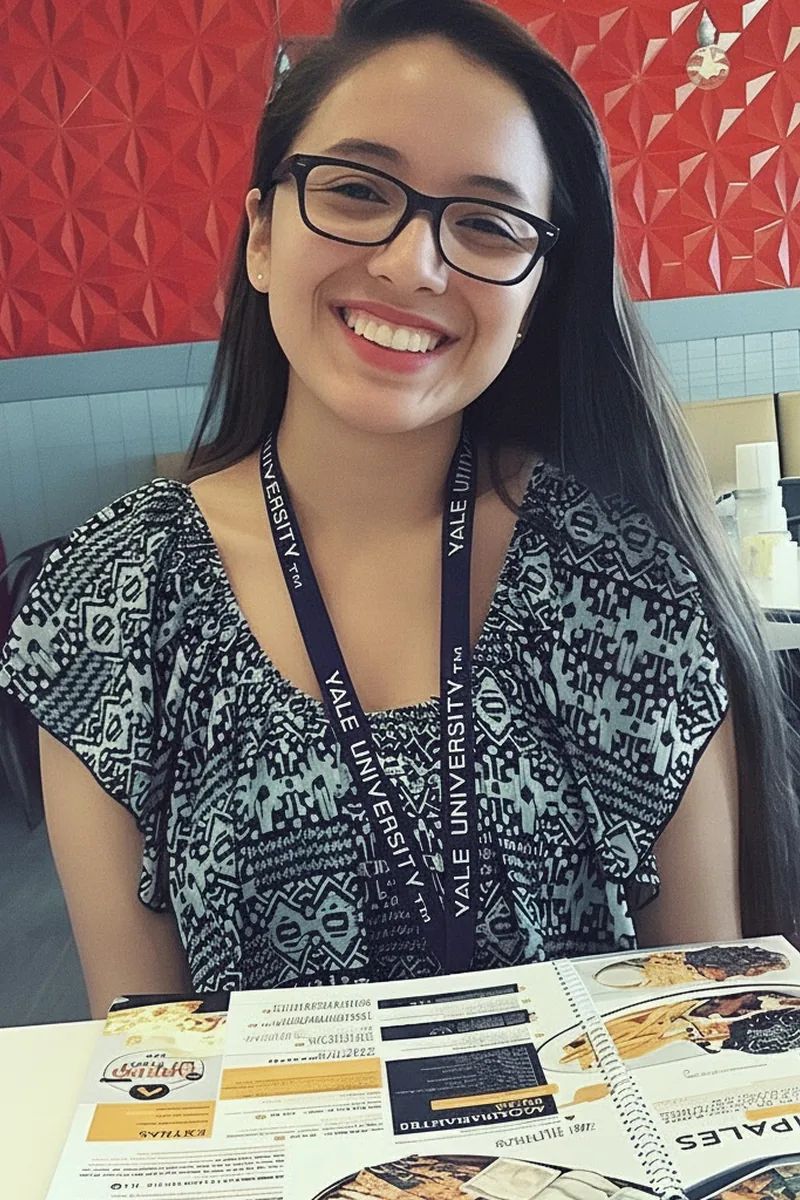
A self-described book lover studying at Yale, Stephanie knows that early reading skills — phonics, sight words, fluency, and basic comprehension — shape everything that comes after in a student's academic life. She makes reading practice engaging by connecting stories to what kids already care about, building the kind of confidence that turns reluctant readers into curious ones.
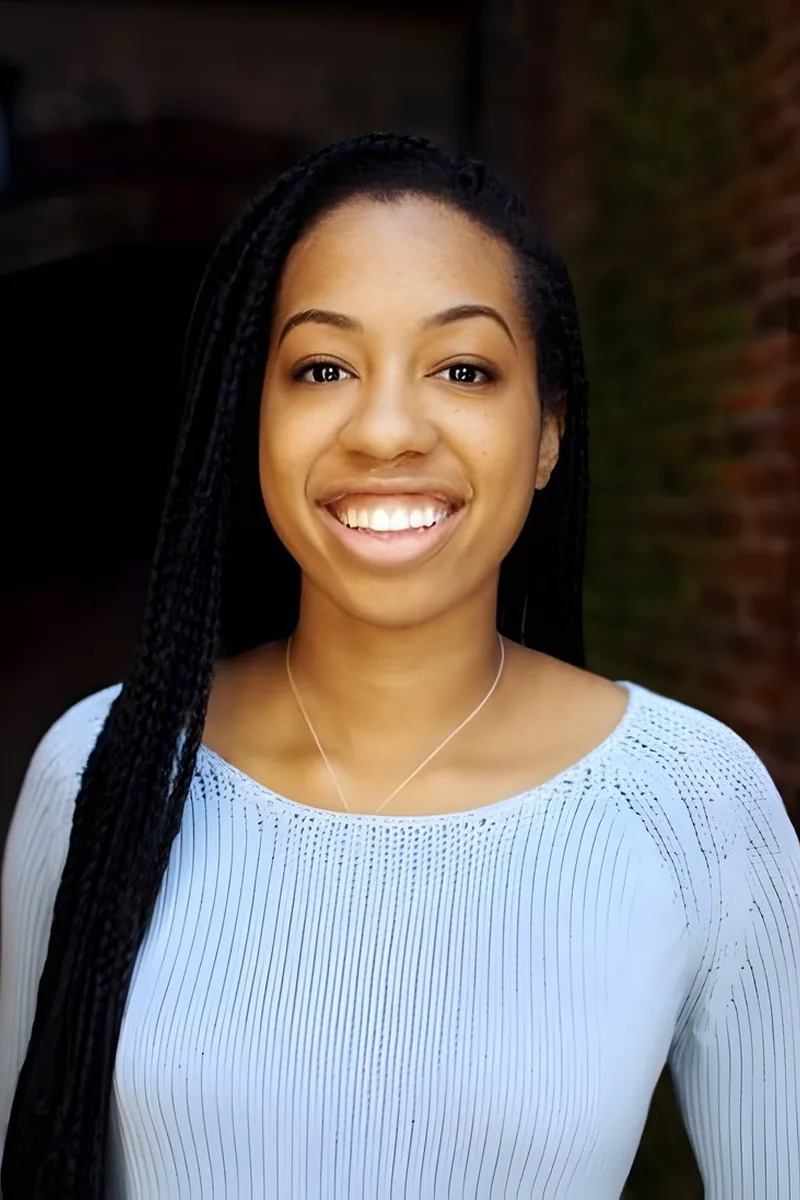
Early reading clicks when a child connects decoding skills to actual meaning — sounding out a word and understanding why it matters in the story. Mia's approach pairs phonics and sight-word practice with engaging read-alouds that build vocabulary and comprehension together. Her experience as a performer gives her a natural energy with younger learners that keeps reading sessions lively.
I am a musician, educator, and philosopher based in New Haven, Connecticut. I studied at UCLA graduating Cum Laude with degrees in Music Performance, Education, and Philosophy. I have been tutoring private music lessons and academic subjects for over 5 years now, and I work as a substitute teacher across Connecticut. My favorite subjects to tutor are Music, English, and Reading/Writing Skills, but I am capable of tutoring various Historical subjects, Math, and Science as well.
Early reading clicks when a child connects decoding skills to actual meaning — sounding out a word and understanding what it says in context. Tolu works on phonics patterns, sight word recognition, and read-aloud fluency, adjusting her pace to each student's comfort level. Her 5.0 rating speaks to her patience and ability to make reading sessions feel like discovery rather than drill.
Before a student can love books, they need to feel confident picking one up. Sophie's Humanities background at Yale started with a deep love of reading, and she channels that into building fluency, vocabulary, and comprehension strategies tailored to each young reader's level.
Throughout the ages, the religious and philosophical leaders of the Far East considered teaching the noblest occupation-- one of true wisdom and selflessness. Having had the great fortune to experience the transformative power of wonderful teachers, I've come to agree with this viewpointI've found my calling in education. I haven't always known that teaching was the vocation for me. Even though I've always taught, on some level, as a T.A., a private tutor, a classroom teacher, or a friend, I tried different jobs in the private sector for several years. However, upon much introspectionmy own enlightenmentI realized that teaching is my true calling. I have a passion for teaching, which is unmatched by any other field. Why do I teach? I teach because I know that I will learn something new from each teaching experience, with every student, with every day, without exception, and because this path is one that I know is beneficial to others and to society as a whole. I teach, because I believe I can do it well. I approach the job with a balance of both diligence and patience, and confidence and humility, with extreme focus and an open mind. I am very patient, which is incredibly important, because learning takes time and involves challenges. When I teach I project a sense of confidence, because as a lifelong perfectionist, I really do my homework! Before each lesson, I make sure I am thoroughly prepared so that I can teach lucidly and coherently and know how to anticipate questions and readily answer them. My confidence helps establish my authority in the classroom. I also strive to make what I teach relevant to my students' lives by drawing on my experiences as a student and teacher. I strive to be an educator like my own favorite teachersa teacher who is passionate about and has profound knowledge of his specialty, who believes in the unparalleled importance of education, and who inspires his students with his devotion.
Phonics and decoding are only half the equation — elementary readers also need to understand what a story is actually saying and why it matters. Ryan teaches kids to make predictions, identify character motivations, and retell events in sequence, building the comprehension habits that carry through every grade. His psychology background gives him a strong sense of how young learners process new information.
Two years of teaching ancient history to elementary students taught Julia something crucial about early reading: kids engage when the material connects to a story they care about. She uses that instinct to build phonics, fluency, and comprehension skills through texts that actually hold a young reader's attention — not just worksheets.
Early reading is about more than sounding out words — it's learning to visualize a story, predict what comes next, and connect what's on the page to what a child already knows. Mahalia's background in social work and youth programming gives her a sharp sense of how to build the kind of trust that makes a reluctant reader willing to try. She tailors her approach to each student's reading level, whether they're working on fluency or tackling their first chapter books.
For early readers, the difference between frustration and excitement often comes down to finding the right book at the right level. Maya builds phonics, sight-word recognition, and basic comprehension skills through stories that match each child's interests, keeping motivation high. Her experience with differently-abled learners means she adapts pacing and techniques to fit how each student actually processes language.
Young readers build confidence when someone sits with them through the tricky parts — decoding unfamiliar words, making predictions about what happens next, and connecting a story's events to their own experiences. Alice's background as a K-12 math center instructor taught her how to match explanations to a child's level, and she brings that same patience and adaptability to reading comprehension and fluency.
Early reading skills like phonics, sight-word recognition, and fluency need consistent, patient reinforcement. Troy uses a structured approach that builds from letter sounds to full sentences, adjusting the pace based on each child's progress. He started tutoring friends and family before going professional at Rice University, so working one-on-one with younger learners comes naturally to him.
Through her nonprofit work educating families in Ecuador, Vanessa has seen firsthand how foundational early reading skills shape everything that comes after. She builds young readers' confidence by connecting phonics, vocabulary, and comprehension to stories that genuinely interest them — turning reading from a chore into something a child wants to do on their own.
Phonics, sight words, fluency, comprehension — early reading involves a lot of moving parts, and every child hits different sticking points. Mackenzie identifies where a young reader is getting tripped up and tailors each session around that specific skill, whether it's decoding multisyllable words or retelling a story in sequence.
Before a student can analyze a novel, they need to decode vocabulary in context, make predictions, and distinguish main ideas from supporting details. Erinrose's years teaching English across grade levels — from Philadelphia public schools to a Connecticut prep school — mean she knows how to match reading strategies to a child's current skill level and push just beyond it.
Building reading confidence early changes a student's entire academic trajectory. Nima works on phonics, sight words, and reading fluency with younger students, then gradually introduces comprehension questions that teach them to think about what they've just read. His warm, encouraging style — shaped by tutoring across dozens of subjects and grade levels — keeps reluctant readers engaged rather than frustrated.
I'm a current PhD student in the history department at Georgetown University who is also an experienced instructor with Varsity Tutors. As a recipient of several degrees, the most recent being a BA in history from Hillsdale College and a MA in Russian, East European, and Eurasian Studies from Stanford University, I have long sought to make teaching my profession. Meanwhile, as a volunteer grade school teacher and a tutor with this company, I have many years' experience helping students reach their full potential. I am capable of teaching students in many subjects, including reading, mathematics, test prep, Latin, and especially writing, history, and literature. In practice, I am comfortable adapting to different learning styles and specific student preferences. Outside of my academic and career endeavors, I enjoy cooking, reading, and listening to and making music.
Reading at the elementary level is about more than decoding words — it's building the habit of asking questions about what's on the page. Sanjana teaches young readers to identify main ideas, make predictions, and connect stories to their own experiences. She keeps sessions interactive so kids stay engaged rather than passively reading aloud.
Early reading clicks when a child learns to connect sounds, letters, and meaning — not just decode words on a page. Pinelopi uses her psychology background from Duke to tailor phonics, vocabulary, and comprehension strategies to how each young reader actually processes information. Rated 5.0 by students and families.
Early reading clicks when a child connects phonics and vocabulary to stories they actually care about. Skyler's background spans multiple languages and literatures, giving her a sharp sense of how decoding, fluency, and comprehension build on each other. She makes reading practice feel less like a chore by matching books and passages to each student's interests.
Testimonials
Because the right Elementary School Reading tutor makes all the difference.
Average Session Rating – Based on 3.4M Learner Ratings
Nearby Elementary School Reading Tutors
Other Hartford Tutors
Related English Tutors in Hartford
Frequently Asked Questions
Elementary readers often struggle with phonics foundations, fluency, and comprehension—especially when transitioning from learning to read to reading to learn. Many students also find it difficult to understand what they've read, make inferences, or connect stories to their own experiences. Personalized 1-on-1 instruction helps identify exactly where a student is struggling and builds confidence through targeted practice.
Expert tutors work with students to develop strategies like predicting, questioning, visualizing, and summarizing—skills that transform passive reading into active understanding. Tutors also help students practice asking themselves questions about what they've read and connecting new information to what they already know. With personalized feedback and guided practice, students develop stronger comprehension skills that transfer to all their reading.
Many elementary students benefit from targeted work on phonemic awareness, phonics, and decoding skills—the building blocks of reading. Varsity Tutors connects you with tutors who assess where your child is and create a personalized plan to strengthen these foundations at the right pace. Early intervention in reading is one of the most effective ways to prevent long-term struggles and build reading confidence.
The first session focuses on getting to know your child and understanding their specific reading needs, strengths, and challenges. The tutor will likely assess reading level, fluency, comprehension, and any particular areas where your child needs support. From there, they'll develop a personalized plan and explain how they'll work together to help your child become a stronger, more confident reader.
Reading fluency—the ability to read smoothly and with expression—develops through repeated, guided practice with appropriate texts. Tutors use strategies like repeated reading, modeling fluent reading, and providing immediate feedback to help students read faster and with better comprehension. When students read more fluently, they can focus their mental energy on understanding rather than sounding out words.
Absolutely. Tutors help elementary students develop literary analysis skills by asking thoughtful questions about characters, plot, setting, and themes. They teach students to look for evidence in the text, make predictions, and think critically about why authors make certain choices. These skills help students move beyond surface-level reading to deeper understanding and enjoyment of literature.
Most elementary students benefit from 1-2 tutoring sessions per week, though the ideal frequency depends on your child's specific needs and goals. Some students need intensive support for a few months to catch up, while others do well with ongoing weekly sessions. A tutor can recommend the right schedule during your first session and adjust as your child progresses.
Varsity Tutors connects you with expert tutors who specialize in elementary reading and understand the needs of students in Hartford. Simply share information about your child's reading level, challenges, and goals, and we'll match you with a tutor who's a great fit. From there, you can schedule personalized sessions that work with your family's schedule.
Let’s find your perfect tutor
Answer a few quick questions. We’ll recommend the right plan and match you with a top 5% tutor.