Award-Winning French Tutors
serving New Haven, CT
French
Tutors in New Haven
Private 1-on-1 tutoring, weekly live classes for academic support, test prep & enrichment, practice tests and diagnostics, and more to elevate grades and test scores.
Based on 3.4M Learner Ratings
UniversitiesSchools & Universities
DeliveredHours Delivered
ProficiencyGrowth in Proficiency
Who needs tutoring?
No obligation. Takes ~1 minute.
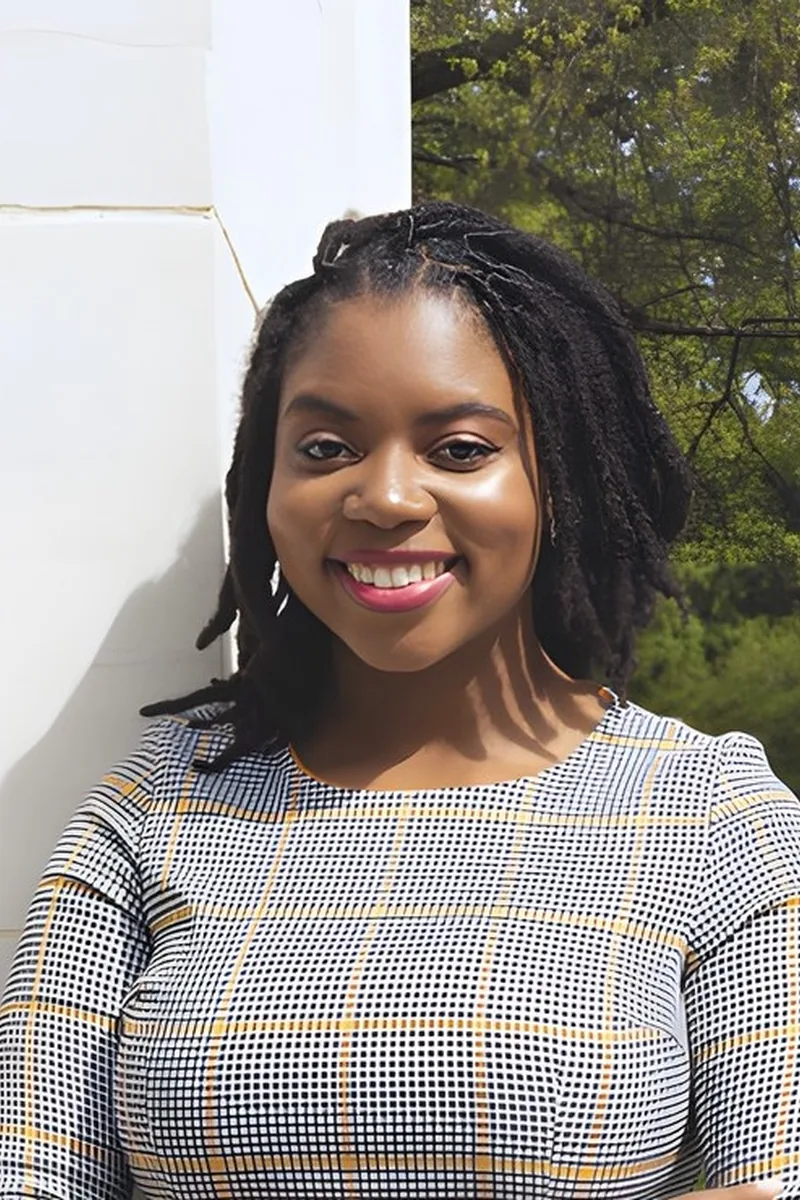
As a French major who studied the language through advanced literature and cultural analysis, Xaviera brings depth that goes well beyond conjugation drills. She connects grammar concepts like the subjunctive and passé composé to real usage — showing students how French actually sounds and functions in context. From beginning vocabulary to complex written expression, she adapts to each level.
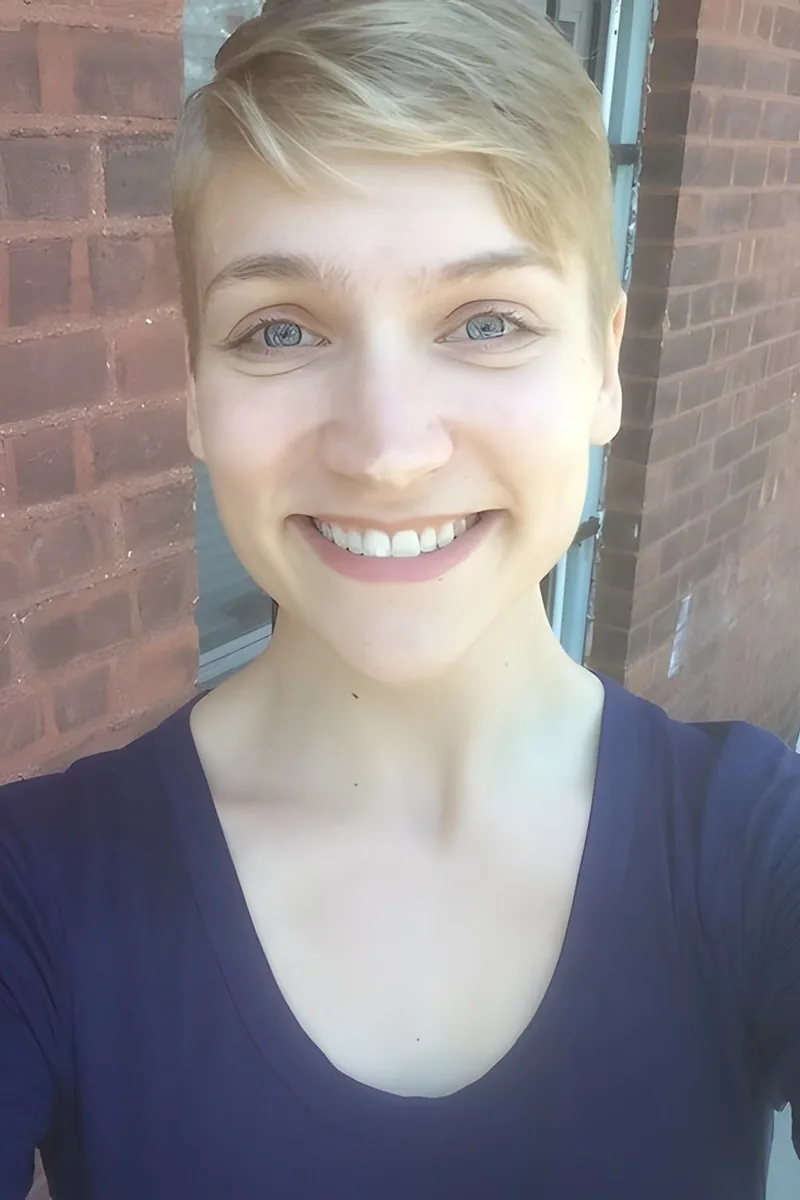
Julia lived in Paris for several years, earned a master's from the Sorbonne, and holds a C2 — the highest level — on the TCF proficiency exam. Whether a student is working through passé composé versus imparfait or tackling the subjunctive for the first time, she teaches grammar in context using real French texts and conversation rather than isolated drills.
I am a freshman at Yale University, hailing originally from Seattle in the beautiful Pacific Northwest. I believe that education is one of the most fundamental aspects of a society's wellbeing, and that it is the duty of those of us who have been graced with the advantages of a good education to give back in some way; one of my motivations for tutoring is to do my part in that way.
I am a musician, educator, and philosopher based in New Haven, Connecticut. I studied at UCLA graduating Cum Laude with degrees in Music Performance, Education, and Philosophy. I have been tutoring private music lessons and academic subjects for over 5 years now, and I work as a substitute teacher across Connecticut. My favorite subjects to tutor are Music, English, and Reading/Writing Skills, but I am capable of tutoring various Historical subjects, Math, and Science as well.
Learning French grammar means internalizing patterns that feel alien to English speakers — gendered nouns, subjunctive triggers, pronoun placement that shifts with tense and formality. Diana teaches these structures systematically, connecting each rule to real usage so that conjugation tables translate into actual communication. Her background in both French and the broader humanities means she can weave in cultural context that makes the language stick.
Pursuing a career in diplomacy at UNC Chapel Hill, Jess uses French daily across her public policy and defense studies — reading international policy documents, engaging with Francophone political frameworks, and building the kind of professional-grade fluency that goes well beyond classroom exercises. She teaches French 1 through French 4, covering everything from foundational verb tenses to the more nuanced subjunctive constructions and formal register shifts that trip up advancing students.
Learning Spanish to a degree-level depth gave Sydney a strong grasp of Romance language mechanics — the gendered nouns, conjugation systems, and sentence structures that French shares with Spanish — which she uses to demystify French grammar for students who find it intimidating. She's particularly good at drawing cross-language parallels that make new vocabulary and verb patterns click faster. Rated 4.9 by students.
Learning French well means internalizing patterns — when to use the subjunctive, how object pronouns rearrange in compound tenses, why certain prepositions follow certain verbs. Martha treats these not as arbitrary rules but as a system students can reason through, drawing on her background in psychology to understand how learners actually acquire and retain new structures. She's taught French from introductory through advanced levels and holds a 5.0 client rating.
Sarah's French isn't classroom-only; she actively reads, writes, and communicates in the language for her doctoral research on West African music. That practical fluency means she can teach grammar concepts like the subjunctive or object pronoun placement in context, connecting rules to how French actually sounds and functions in conversation and writing.
Living in France for two years turned French from a classroom subject into Joshua's second language, and he still converses regularly with native speakers to stay sharp. He teaches everything from foundational verb conjugations and gendered nouns to more advanced territory like the subjunctive and relative pronouns, adjusting based on what a student actually needs to unlock the next level.
Learning French means internalizing patterns — verb conjugation systems, gendered agreement, the logic behind subjunctive triggers — not just memorizing word lists. Emily earned a full French major at Yale alongside her science degree, so she teaches the structure underneath the language in a way that makes new grammar feel predictable rather than random.
Skyler's language-learning background extends beyond her Russian specialization — she has studied French formally and brings a linguist's eye to verb conjugation patterns, pronoun usage, and the grammatical structures that trip up English speakers. Her approach connects French grammar to the logic behind it, so rules like the subjunctive mood or passé composé vs. imparfait distinction actually make sense rather than feeling arbitrary.
Margot's French studies span grammar, reading comprehension, and cultural context — from mastering passé composé versus imparfait to navigating authentic French texts. She connects language rules to real usage patterns so that conjugation tables start making intuitive sense rather than feeling like rote memorization.
Having tutored French to middle and high school students, Emily knows exactly where learners tend to stall — verb conjugation patterns, gendered nouns, and the leap from translating word-by-word to thinking in full French sentences. She builds reading and conversation skills alongside grammar so that rules stick in context rather than in isolation.
While French isn't Cindy's primary language specialty, her experience learning and teaching multiple languages gives her a structured approach to grammar, verb conjugation, and vocabulary acquisition. She's especially effective at showing students how to decode reading passages and write clear, grammatically sound compositions.
Learning French from Laura means learning from someone who didn't just study the language in a classroom — she lived it during an immersion semester in Toulouse and now pursues it as a full major at Washington University. She unpacks tricky grammar concepts like the subjunctive mood and pronoun placement by connecting them to how French speakers actually talk, making rules feel intuitive rather than arbitrary.
Having studied French through the advanced level, Jackie tackles everything from verb conjugation patterns and pronoun placement to reading comprehension in the target language. She connects grammar rules to practical usage so that concepts like the subjunctive mood or passé composé vs. imparfait distinction actually make sense instead of feeling like arbitrary rules to memorize.
Having studied through French 3, Annelisa is well-suited for students building their foundation in the language — verb conjugation patterns, gendered nouns, and the tricky rules around articles and prepositions. She breaks down grammar concepts methodically, connecting written exercises to how the language actually sounds and flows in practice.
Testimonials
Because the right French tutor makes all the difference.
Average Session Rating – Based on 3.4M Learner Ratings
Nearby French Tutors
Other New Haven Tutors
Related Languages Tutors in New Haven
Frequently Asked Questions
In a typical classroom of 25+ students, speaking practice is limited. Personalized 1-on-1 French tutoring gives you dedicated conversation time with an expert tutor who can correct pronunciation, model natural speech patterns, and adapt topics to your interests. This consistent speaking practice is one of the most effective ways to build confidence and fluency that classroom instruction alone can't provide.
Both matter, but they work together. Understanding grammar rules gives you the foundation to construct sentences correctly, while natural usage helps you sound like a native speaker and understand how real French speakers actually communicate. A good tutor balances explicit grammar instruction with conversational practice so you can apply rules naturally rather than translating word-by-word.
French has complex verb conjugation patterns across multiple tenses—present, past, future, subjunctive—with irregular verbs that don't follow standard rules. Personalized tutoring breaks this down systematically, using spaced repetition and contextual practice so conjugations become automatic rather than something you have to think through. Tutors can also identify which tenses you use most and prioritize those first.
Vocabulary sticks when you encounter words in context and use them repeatedly. Expert tutors use retrieval practice—bringing back words you've learned in previous sessions—and connect new vocabulary to topics you care about, making it more memorable than memorizing lists. They'll also help you understand word families and patterns, so learning one word helps you recognize related words.
Language and culture are inseparable—understanding French customs, media, and perspectives helps you grasp why certain phrases are used and how to communicate authentically. Tutors can incorporate French films, literature, current events, and cultural context into lessons so you're not just learning words and grammar, but developing cultural fluency that makes you a more confident communicator.
Yes—pronunciation is one of the biggest advantages of 1-on-1 tutoring. Tutors can model correct pronunciation, listen to your speech in real-time, and give immediate feedback on sounds that don't exist in English (like the French 'r' or nasal vowels). With consistent practice and correction, you'll develop more natural-sounding French that helps you communicate more clearly and confidently.
Expert tutors assess which skills you need most—whether you're preparing for an exam, traveling, or building overall fluency—and create a balanced plan. A typical lesson might include listening comprehension through conversation or audio, speaking practice through dialogue, reading short texts or articles, and writing exercises. This multi-skill approach ensures you develop well-rounded French ability rather than excelling in one area while struggling in another.
Varsity Tutors connects you with expert French tutors who understand Connecticut's language standards and can align with your school's curriculum—whether you're in middle school French, high school AP French, or preparing for proficiency exams. Tutors can reinforce what you're learning in class, fill gaps, or accelerate your progress depending on your goals and current level.
Let’s find your perfect tutor
Answer a few quick questions. We’ll recommend the right plan and match you with a top 5% tutor.