Award-Winning French Tutors
serving Bridgeport, CT
French
Tutors in Bridgeport
Private 1-on-1 tutoring, weekly live classes for academic support, test prep & enrichment, practice tests and diagnostics, and more to elevate grades and test scores.
Based on 3.4M Learner Ratings
UniversitiesSchools & Universities
DeliveredHours Delivered
ProficiencyGrowth in Proficiency
Who needs tutoring?
No obligation. Takes ~1 minute.
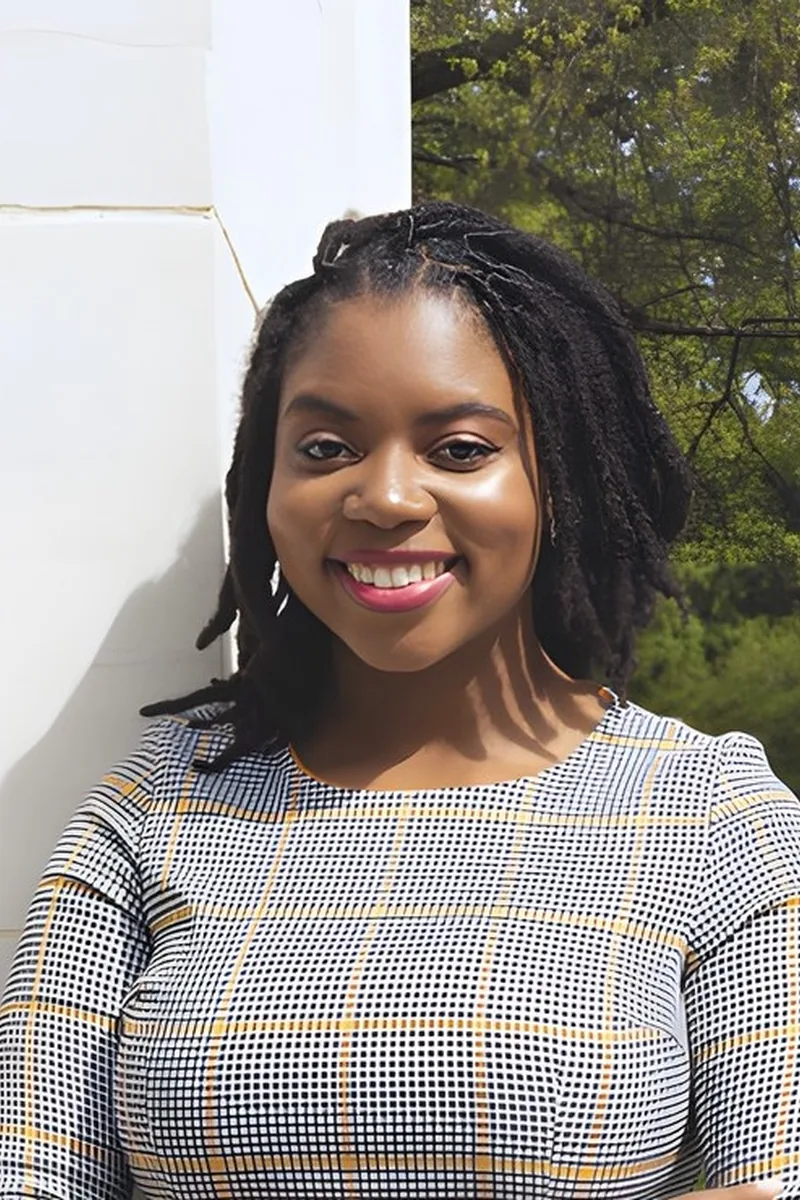
As a French major who studied the language through advanced literature and cultural analysis, Xaviera brings depth that goes well beyond conjugation drills. She connects grammar concepts like the subjunctive and passé composé to real usage — showing students how French actually sounds and functions in context. From beginning vocabulary to complex written expression, she adapts to each level.

Learning French grammar means internalizing patterns that feel alien to English speakers — gendered nouns, subjunctive triggers, pronoun placement that shifts with tense and formality. Diana teaches these structures systematically, connecting each rule to real usage so that conjugation tables translate into actual communication. Her background in both French and the broader humanities means she can weave in cultural context that makes the language stick.
Julia lived in Paris for several years, earned a master's from the Sorbonne, and holds a C2 — the highest level — on the TCF proficiency exam. Whether a student is working through passé composé versus imparfait or tackling the subjunctive for the first time, she teaches grammar in context using real French texts and conversation rather than isolated drills.
Pursuing a career in diplomacy at UNC Chapel Hill, Jess uses French daily across her public policy and defense studies — reading international policy documents, engaging with Francophone political frameworks, and building the kind of professional-grade fluency that goes well beyond classroom exercises. She teaches French 1 through French 4, covering everything from foundational verb tenses to the more nuanced subjunctive constructions and formal register shifts that trip up advancing students.
I am a freshman at Yale University, hailing originally from Seattle in the beautiful Pacific Northwest. I believe that education is one of the most fundamental aspects of a society's wellbeing, and that it is the duty of those of us who have been graced with the advantages of a good education to give back in some way; one of my motivations for tutoring is to do my part in that way.
I am a musician, educator, and philosopher based in New Haven, Connecticut. I studied at UCLA graduating Cum Laude with degrees in Music Performance, Education, and Philosophy. I have been tutoring private music lessons and academic subjects for over 5 years now, and I work as a substitute teacher across Connecticut. My favorite subjects to tutor are Music, English, and Reading/Writing Skills, but I am capable of tutoring various Historical subjects, Math, and Science as well.
Learning French through all four levels gives Ariel a clear map of where students typically stall — whether it's gendered articles in the first year, passé composé versus imparfait in the second, or the subjunctive later on. She teaches grammar as a set of logical patterns rather than arbitrary rules, which makes conjugation and sentence structure feel less like guesswork.
Teaching French through all four levels, Lacey tackles everything from foundational verb conjugations in passé composé to nuanced reading comprehension of literary passages. Her classics training gave her deep familiarity with how Romance languages evolved from Latin, which she uses to demystify French grammar rules that otherwise feel arbitrary.
Viraj is completing a French minor at Cornell, which means he's actively working through the grammar, composition, and oral comprehension that language learners find trickiest. He tackles verb conjugation patterns and sentence structure with the same analytical precision he brings to his science coursework, making abstract grammar rules feel more logical.
Learning French well means internalizing patterns — when to use the subjunctive, how object pronouns rearrange in compound tenses, why certain prepositions follow certain verbs. Martha treats these not as arbitrary rules but as a system students can reason through, drawing on her background in psychology to understand how learners actually acquire and retain new structures. She's taught French from introductory through advanced levels and holds a 5.0 client rating.
Learning French through all four levels takes sustained momentum, and Ivanna keeps students progressing by linking new grammar — passé composé versus imparfait, relative pronouns, conditional constructions — back to patterns they already know. Her own experience as a multilingual learner gives her sharp instincts for where English speakers tend to stumble in French.
Learning French grammar — verb conjugations, gendered nouns, the subjunctive — often feels like an exercise in rote memorization until someone explains the logic underneath. Max teaches French by revealing those patterns, building from foundational structures in French 1 through the more complex reading and composition demands of French 2. His psychology background also gives him a sharp sense of how language acquisition actually works in the brain.
William teaches French across multiple levels, from foundational verb conjugations and noun-adjective agreement through more complex structures like the subjunctive and conditional tenses. His approach connects grammar rules to real reading and writing so that patterns stick instead of feeling like isolated drills.
While French isn't Finley's primary academic focus, he has studied the language through multiple levels and brings the same structured, analytical approach he uses in his Harvard coursework to grammar rules, verb conjugations, and reading comprehension. He's particularly useful for students who need help organizing their study approach and building vocabulary systematically.
Though her primary expertise runs through biology and medicine, Amanda's structured, analytical approach to learning transfers well to picking apart French grammar — she treats verb conjugation patterns and noun-gender rules like systems to decode rather than lists to memorize. Her experience preparing for the SAT Spanish with Listening exam also means she's familiar with the discipline of foreign language study, from building vocabulary systematically to training your ear for spoken comprehension.
Though French isn't Anna's core concentration, her American Studies program at Brown includes cross-cultural coursework that sharpens how she approaches language learning — treating vocabulary and grammar as part of a broader cultural system rather than isolated exercises. She covers French 2-level material like irregular verb patterns and conversational basics, bringing the same structured, goal-oriented teaching style that's earned her a 5.0 rating across her other subjects.
Sarah's French isn't classroom-only; she actively reads, writes, and communicates in the language for her doctoral research on West African music. That practical fluency means she can teach grammar concepts like the subjunctive or object pronoun placement in context, connecting rules to how French actually sounds and functions in conversation and writing.
Jacob studied French alongside his East Asian Languages degree at the University of Chicago and teaches across all four levels of the language, from foundational verb conjugations to the nuanced reading and listening comprehension required for AP French Language and Culture. He approaches grammar and vocabulary through cultural immersion techniques he's developing himself, connecting sentence structure to real French media and conversation rather than rote drills. Rated 5.0 by students.
Testimonials
Because the right French tutor makes all the difference.
Average Session Rating – Based on 3.4M Learner Ratings
Nearby French Tutors
Other Bridgeport Tutors
Related Languages Tutors in Bridgeport
Frequently Asked Questions
In a typical classroom setting, students get limited opportunities to speak French one-on-one with an instructor. With personalized 1-on-1 instruction, you get dedicated conversation practice every session—a tutor can correct your pronunciation in real time, help you think through responses naturally, and adjust the difficulty to match your level. This focused speaking practice is one of the fastest ways to build confidence and fluency in a language.
French grammar, especially verb tenses and conjugations, is best learned through a mix of structured explanation and repeated practice in context. A tutor can break down why conjugation patterns work the way they do, then have you practice through conversation and writing exercises so the rules stick naturally. Rather than memorizing tables in isolation, you'll see how conjugations actually function in real sentences—which makes them much easier to retain and use.
Vocabulary sticks best when you encounter words repeatedly in meaningful contexts—through conversation, reading, and real-world scenarios rather than flashcard lists alone. A tutor can introduce vocabulary tied to topics you care about, use spaced repetition to reinforce words over multiple sessions, and help you practice using new words in sentences so they become part of your active vocabulary. This approach helps you remember words long-term and actually use them when speaking or writing.
Varsity Tutors connects you with tutors who understand French language standards and can support you whether you're in a French I, II, III, or AP French course. Tutors can help you master the four core skills—reading, writing, speaking, and listening—that Connecticut schools emphasize, and they tailor sessions to your specific coursework, upcoming exams, or proficiency goals. This personalized approach means you get support that aligns with what your school expects while moving at your own pace.
Yes—one of the biggest advantages of working with a tutor is getting immediate feedback on how you sound. A tutor can model correct pronunciation, listen to how you're forming sounds, and give you specific tips to adjust your accent. Regular practice with a native or fluent speaker helps train your ear and mouth to produce French sounds more naturally, which builds confidence and makes you easier to understand when speaking with French speakers.
Many tutors incorporate cultural elements into lessons—discussing French-speaking regions, traditions, media, and everyday life—because understanding culture helps you use the language more authentically. Some tutors use immersion-style techniques where they speak primarily in French and encourage you to do the same, which accelerates your thinking in the language. This approach makes learning richer and more engaging than grammar-only instruction.
Your first session is a chance for you and your tutor to get to know each other and establish your goals. The tutor will likely assess your current level through conversation and simple exercises, learn what you're working toward (passing a class, preparing for AP French, conversational fluency, etc.), and discuss what challenges you're facing. From there, they'll create a personalized plan so your sessions focus on what matters most to you.
Varsity Tutors connects you with expert French tutors who are available to work with students in Bridgeport. You can share your goals, current level, and preferred session schedule, and we'll match you with a tutor whose expertise and availability fit your needs. The process is straightforward—once matched, you can start personalized sessions on a timeline that works for you.
Let’s find your perfect tutor
Answer a few quick questions. We’ll recommend the right plan and match you with a top 5% tutor.