Award-Winning College Application Essays
Tutors
College Application Essays
Tutors
Private 1-on-1 tutoring, weekly live classes for academic support, test prep & enrichment, practice tests and diagnostics, and more to elevate grades and test scores.
Based on 3.4M Learner Ratings
UniversitiesSchools & Universities
DeliveredHours Delivered
ProficiencyGrowth in Proficiency
Who needs tutoring?
No obligation. Takes ~1 minute.
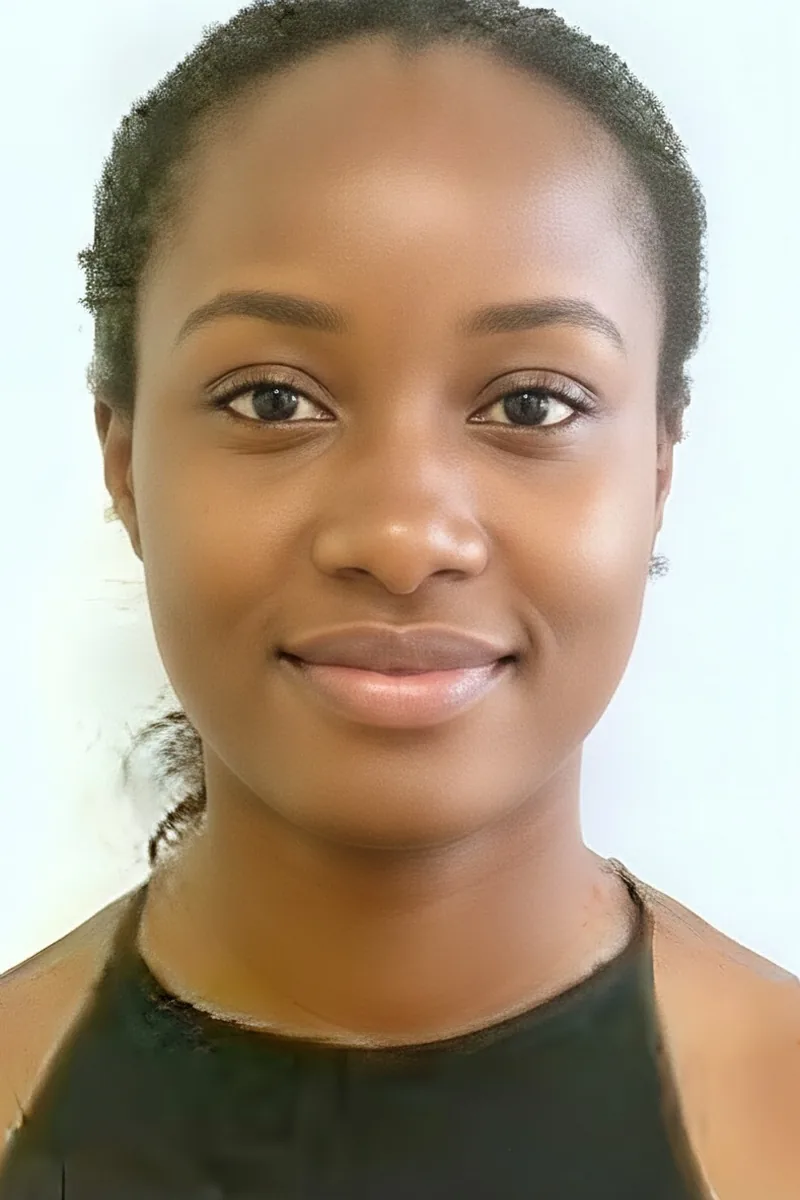
Having worked in Harvard's admissions office, Solange understands what readers are actually looking for when they open a personal statement — not a résumé in paragraph form, but a distinct voice and a specific story. She walks students through brainstorming, drafting, and revising so the final essay sounds unmistakably like them while landing with admissions committees.
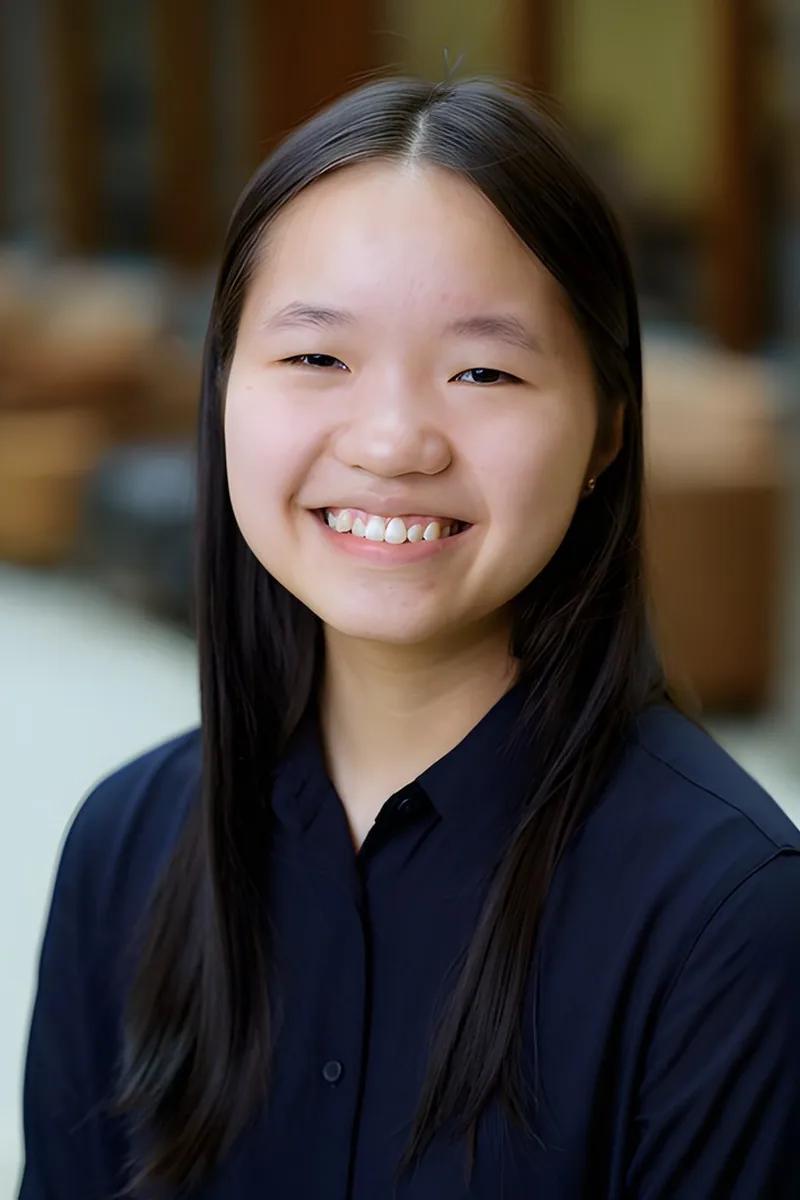
As a first-generation college student who earned a Benjamin A. Gilman Scholarship and landed undergraduate research at Northwestern's John Rogers Lab, Ingrid knows how to turn a nontraditional background into a compelling narrative. She walks students through every stage of the essay — from brainstorming a genuine story angle to refining voice and structure across multiple drafts.
Crafting a compelling personal statement means finding the one story only you can tell — and then structuring it so admissions officers remember it. Sabira, a dual-degree student at Johns Hopkins in Applied Math and Computer Science, brings a STEM applicant's perspective to essay brainstorming, helping students translate technical passions and extracurriculars into narratives that feel genuine. Her own writing background and love of books give her a sharp editorial eye for voice, pacing, and word choice.
College admissions readers skim hundreds of essays a day, so the opening line and narrative arc matter enormously. Daniel's extensive essay-editing background means he knows how to help applicants find a genuine story, shape it into a compelling structure, and cut the filler that dilutes their voice. He's rated 5.0 across his students.
The college application essay isn't a résumé in paragraph form — it's a narrative that needs a specific voice and a clear through-line. Brittney, a Princeton graduate who has been coaching students on essays since 2008, walks applicants through brainstorming, drafting, and revision with an editor's eye for what admissions readers actually respond to. She's especially skilled at drawing out the concrete details that turn a generic personal statement into a memorable one.
A college application essay isn't a résumé in paragraph form — admissions readers want a specific moment or detail that reveals how a student thinks. Renee's background as a Writing Consultant and her PhD-level training in close reading give her a sharp eye for what makes a personal narrative land versus fall flat. She walks students through every stage, from brainstorming an authentic topic to cutting the filler that weakens a final draft.
The college essay isn't a résumé — it's a narrative that needs a specific moment, an authentic voice, and a clear throughline. Emily went through this process herself at Yale and now walks students from brainstorming raw material to drafting essays that admissions readers remember. She's particularly sharp at helping students find the one story worth telling among dozens of possible topics.
Getting into a program like Yale's School of Public Health required Joseph to write compelling personal narratives under tight word limits — experience he now brings directly to students crafting their own college application essays. He teaches how to identify a genuine through-line in your experiences and shape it into a story that admissions readers remember, from brainstorming through final polish.
Having navigated an intensive application cycle that landed her at Yale, Zosia knows what admissions officers are actually scanning for — a specific, authentic narrative thread that connects activities to identity. She digs into brainstorming with students to surface the essay angle that no other applicant could write, then sharpens the drafts until every sentence earns its place. Her 1570 SAT and Yale acceptance give her firsthand credibility with the entire admissions landscape.
College admissions essays live or die on specificity, and Frances — a professional writer and Duke magna cum laude graduate — knows how to pull a compelling narrative out of experiences that might seem ordinary at first. She tackles everything from brainstorming and drafting to tightening prose so the final product sounds like the student, not a thesaurus.
A college essay isn't a résumé in paragraph form — admissions readers want a voice, a specific moment, and genuine reflection. As a Yale graduate and working writer, Maya walks students from brainstorming through final polish, sharpening narrative structure and cutting the generic filler that makes essays blend together. She holds a 5.0 client rating.
Having served on admissions interview committees at both Rice and Baylor College of Medicine, Sugi reads application essays from the other side of the table — she knows what makes a reader stop skimming and start paying attention. She teaches students to find the one specific story that only they can tell, then structure it so the opening line earns the second paragraph.
Admission officers at schools like Harvard, Princeton, MIT, Stanford, and Caltech all offered Brian a spot — so he understands firsthand what distinguishes an essay that earns a second read from one that doesn't. He teaches students to find the specific, concrete detail that reveals something genuine about how they think, then build the essay's structure around that single idea. The goal isn't to sound impressive; it's to sound unmistakably like yourself.
Having navigated the admissions process into Yale's biomedical engineering program, Ellie knows what makes a personal statement land with selective readers. She digs into brainstorming and structural choices — how to open with a specific moment, thread a narrative arc, and make sure every paragraph earns its place. Rated 5.0 by students.
The hardest part of a college application essay isn't the writing — it's figuring out which story to tell and why it matters. Sam walks students through brainstorming, narrative structure, and voice, pushing them to move past generic themes toward specific moments that admissions officers remember. His 1530 SAT and deep experience with academic writing across disciplines sharpen the revision process from draft one to final submission.
The college application essay isn't a résumé in paragraph form — it's a narrative that reveals how a student thinks. Talia, currently at Northeastern's honors program, coaches students through brainstorming authentic topics, structuring a compelling personal arc, and revising for voice and specificity. She knows what admissions readers look for because she recently went through the process herself.
Having navigated the Harvard admissions process himself, Samuel knows what makes a personal essay land — a specific, honest story that reveals how a student thinks, not a résumé rewritten in paragraph form. He walks applicants through brainstorming, drafting, and the painstaking revision process that turns a rough idea into a compelling narrative. Rated 5.0 by students.
Having navigated the admissions process into Juilliard — where the personal essay has to stand out against thousands of arts applicants — Vivian knows how to craft a narrative that feels specific and genuine. She walks students through brainstorming, structural choices, and revision with an editor's eye, pushing each draft toward a voice that admissions officers actually remember. Her essay editing experience and 4.9 rating speak to how seriously she takes every student's story.
UChicago is famous for its quirky, open-ended essay prompts — and Brian got in. He knows how to take a student's raw experiences and shape them into a narrative with a clear voice and a memorable angle, whether the prompt calls for personal reflection or creative risk. His editorial background at Stuyvesant means he's equally comfortable tearing apart a rough draft as he is brainstorming from scratch.
A college application essay lives or dies on specificity — admissions readers can spot a generic "overcoming adversity" narrative instantly. Tallulah, a recent Northwestern graduate, walks students through the full arc from brainstorming a distinctive topic to refining tone, structure, and word choice across multiple drafts. She knows what selective admissions offices respond to and pushes writers to find the story only they can tell.
A strong college application essay needs a specific, honest story — not a list of accomplishments repackaged in paragraph form. Ivan has guided students through admissions writing from brainstorming a core narrative to editing final drafts, and his background in cognitive science sharpens his instinct for what makes a reader connect with a personal statement.
The hardest part of a college application essay isn't the writing — it's figuring out which story to tell and why it matters. Matthew went through this process himself to land at Yale, and he knows how admissions readers distinguish a memorable personal narrative from a generic list of accomplishments. He walks students through brainstorming, drafting, and revising until the essay sounds unmistakably like them.
Having navigated the Harvard admissions process herself, Alyssa knows that the strongest college essays aren't about impressive achievements — they're about specific, honest moments that reveal how a student thinks. She walks applicants through brainstorming, drafting, and ruthless revision, pushing them to find the one story only they can tell. Rated 5.0 by students.
Alex went through the college application process and landed at Stanford, so he knows firsthand what admissions readers look for in a personal statement — specificity, authentic voice, and a narrative arc that reveals something a transcript can't. He walks students through brainstorming, drafting, and ruthless revision, pushing them past generic 'overcoming adversity' templates toward essays that actually sound like them. His background in both analytical and persuasive writing makes him sharp at tightening structure without flattening personality.
Crafting a compelling personal statement means finding the one story only you can tell — then structuring it so admissions officers remember it. Ayako, an English Literature student at Trinity College Dublin, breaks down the Common App and supplemental prompts to pinpoint what each school is actually asking, then works through drafts until voice, specificity, and narrative arc all click. Rated 5.0 by students.
Having gone through the admissions process at the University of Pennsylvania, Dalton knows what selective schools actually look for in a personal statement — specificity, voice, and a narrative arc that admissions officers remember. He walks students through brainstorming, drafting, and ruthless revision, pushing them to cut the generic and find the details that only they could write. His Mass Communications degree sharpens that editorial eye further.
Patrick's dual training in English literature and linguistics at the University of Chicago means he approaches college essays from two angles at once — narrative craft and how language actually works on a reader. He teaches students to move past the generic "lesson learned" structure and instead build an essay around a single concrete moment, then revises sentence-level rhythm and word choice until the voice on the page sounds like a real person talking, not a student performing. His experience teaching writing to everyone from fifth graders to business professionals gives him a quick read on where a draft loses authenticity.
Caleb wrote the essays that got him into Duke — a school notorious for valuing distinctive personal voice — so he knows what admissions officers actually respond to. He digs into brainstorming, narrative structure, and the difference between an essay that lists accomplishments and one that reveals character. Rated 4.9 by students.
A strong college application essay doesn't summarize a résumé — it reveals how a student thinks. Tiffany's legal writing background means she's sharp at identifying a compelling narrative thread and cutting everything that doesn't serve it. She coaches students through brainstorming, drafting, and revision until the essay sounds unmistakably like them, not like a template.
A compelling college essay doesn't summarize a résumé — it reveals how a student thinks. Naomi, a Princeton student herself, knows what admissions readers respond to and walks applicants through brainstorming, drafting, and revising personal statements that sound authentically like them. Her own unconventional path — including a gap year doing NGO work in Indonesia — gives her a sharp eye for the unexpected details that make an essay memorable.
Admissions officers read thousands of essays that all say the same thing — Michelle's job is to make sure a student's doesn't. Her Columbia MA and NYU journalism degree mean she knows both academic and narrative writing inside out, so she can coach students through brainstorming a genuine topic, drafting a compelling personal statement, and editing it down to something tight and memorable. She's especially good at drawing out stories students didn't realize were essay-worthy.
A strong college application essay does one thing most students resist: it stays small and specific instead of trying to sound impressive. Skyler's graduate training in writing and textual analysis makes her sharp at identifying when a draft is hiding behind abstractions and where a concrete scene or detail would land harder. She walks students from brainstorm to polished final draft, tackling structure, voice, and the particular tone each school's prompts demand.
The hardest part of a college application essay isn't writing well — it's figuring out what to say. Paula's communication studies degree trained her in audience analysis and persuasive narrative structure, which she applies directly to helping students identify a compelling personal angle and shape it into a draft that admissions readers remember. She also knows how to tighten prose so every sentence earns its place within tight word limits.
The college application essay isn't a résumé in paragraph form — it's a narrative argument for who you are and how you think. As a Penn English major who writes across journalism and literary analysis, Amy knows how to shape a personal story into a compelling, structurally tight essay that admissions readers remember. She digs into voice, specificity, and the difference between telling a story and making a point.
The hardest part of a college application essay isn't the writing — it's figuring out what's genuinely worth saying. Moon's philosophy background makes him unusually good at the Socratic back-and-forth that draws out a student's real story, then his writing expertise kicks in to shape it into something admissions officers remember. He holds a 5.0 rating from students.
A compelling college essay isn't a résumé in paragraph form — it's a specific moment or detail that reveals something true about who the applicant is. Evan's English minor and film training at Northwestern sharpened his instinct for narrative structure, and he uses that to help students find the one story only they can tell, then revise it until every sentence earns its place.
Mica went through the college application process at a highly selective level — earning admission to Stanford — and later navigated medical school admissions, giving her firsthand experience with personal statements that need to stand out in competitive pools. She digs into what makes a student's story distinctive and shapes essays around specific moments rather than broad claims about character.
Having recently navigated the admissions process at the University of Pennsylvania, Noah knows what selective readers look for — a specific, honest voice and a narrative arc that reveals character rather than just listing accomplishments. He digs into brainstorming and revision with students, sharpening personal statements until every sentence earns its place. Rated 5.0 by students.
Having navigated the admissions process into Harvard, Sanjana knows that the best college essays don't try to sound impressive — they reveal how a student actually thinks. She digs into brainstorming to find the specific story only that applicant could tell, then sharpens every draft until the voice, structure, and detail all reinforce a single compelling narrative. Rated 5.0 by students.
A college application essay isn't a five-paragraph theme — it's a narrative argument for who you are, told in 650 words or fewer. Kirstie walks students from brainstorming through final polish, pushing them to find the specific, revealing detail that admissions officers remember. Her experience teaching AP English and editing essays at the college level makes her especially sharp on voice and structure.
Testimonials
Because the right College Application Essays tutor makes all the difference.
Average Session Rating – Based on 3.4M Learner Ratings
Top 20 Other Subjects


Top 20 Subjects
Frequently Asked Questions
Strong college essays typically open with a vivid, specific moment or detail that draws readers in—not a broad statement about yourself. From there, you'll develop a clear narrative arc that reveals something meaningful about who you are, your values, or how you think. The most effective essays avoid the five-paragraph formula; instead, they use natural paragraph breaks that follow the logic of your story or argument. A tutor can help you identify which moments in your life are truly compelling and worth exploring, then guide you in structuring those moments to create maximum impact while staying within word limits.
Your essay voice should sound like you at your best—thoughtful and genuine, but more polished than a text message. This means using natural language and sentence variety while avoiding slang, clichés, or overly complex vocabulary chosen just to impress. The key is specificity: instead of saying "I learned the value of teamwork," show how you actually worked with others through concrete details and your own reflections. Tutors can provide feedback on whether your voice comes through authentically by pointing out where you're "performing" versus being yourself, and they can help you revise sentences that feel stiff or inauthentic.
Different prompts require different strategies. "Tell us about yourself" essays need a focused angle—one aspect of your identity or experience—rather than trying to cover everything. "Describe a challenge" essays should emphasize what you learned and how you grew, not just what went wrong. "Why do you want to attend our school?" essays require genuine research and specific references to programs, professors, or opportunities. A tutor can help you decode what each prompt is really asking for, brainstorm angles that showcase your strengths, and avoid common pitfalls like generic answers or misinterpreting the question entirely.
Substantive revision goes far beyond catching typos—it's about strengthening your argument, deepening your insights, and ensuring every sentence serves a purpose. A tutor can identify where your essay loses focus, where you need more specific examples to support your points, where your reasoning feels rushed, and where you're telling rather than showing. They can also help you cut unnecessary words, tighten your opening and closing, and ensure your conclusion reflects genuine growth rather than just restating what you've already said. This kind of detailed, personalized feedback is difficult to get from automated tools or peer reviews alone.
Many students try to impress admissions officers with elaborate vocabulary or complex ideas instead of being clear and genuine. Others choose topics that are too broad ("my entire life") or too small (a single moment with no deeper meaning). A frequent pitfall is focusing on accomplishments rather than insights—admissions officers want to understand how you think and what matters to you, not just a resume in paragraph form. Some essays also lack specificity, using vague statements like "I've always been curious" instead of showing curiosity through concrete examples. Tutors can catch these patterns early and help you reshape your essay to avoid them.
Writer's block often stems from pressure to write the "perfect" opening or choosing a topic that doesn't genuinely excite you. A helpful first step is to brainstorm freely without judging—write messy notes about moments, relationships, challenges, or realizations that shaped you, then look for patterns in what you've written. Sometimes starting in the middle of your story, rather than the beginning, makes it easier to find momentum. A tutor can facilitate this brainstorming process, ask probing questions that help you discover what's worth writing about, and help you draft a rough version quickly so you have something concrete to revise rather than staring at a blank page.
The strongest college essays weave storytelling and reflection together rather than separating them. Instead of describing an event in detail and then adding reflection at the end, you can reflect as you go—pausing to explain why a moment mattered, what you were thinking, or how your perspective shifted. This keeps readers engaged while also revealing your inner life. The balance depends on your topic: a dramatic story might need less explanation, while a quieter realization might need more context and reflection to land. A tutor can help you identify sections where you're over-explaining or under-explaining, and guide you in integrating reflection naturally throughout your essay rather than tacking it on at the end.
Admissions officers prefer depth over length—a focused 500-word essay that explores one meaningful topic thoroughly will impress more than a 650-word essay that skims the surface of multiple topics. The word limit exists for a reason: it forces you to choose what matters most and develop it fully. A strong essay uses specific details, shows your thinking process, and lets readers understand who you are through a single window into your life. Rather than trying to pack everything in, choose one story, challenge, or insight and explore it with the specificity and reflection that brings it to life. A tutor can help you determine whether you're trying to cover too much ground and guide you toward the focus that will make your essay most compelling.
Let’s find your perfect tutor
Answer a few quick questions. We’ll recommend the right plan and match you with a top 5% tutor.