Award-Winning Reading
Tutors
Reading
Tutors
Private 1-on-1 tutoring, weekly live classes for academic support, test prep & enrichment, practice tests and diagnostics, and more to elevate grades and test scores.
Based on 3.4M Learner Ratings
UniversitiesSchools & Universities
DeliveredHours Delivered
ProficiencyGrowth in Proficiency
Who needs tutoring?
No obligation. Takes ~1 minute.

Stronger reading starts with knowing what to do when a passage stops making sense — whether that means rereading for context clues, breaking down sentence structure, or identifying an author's purpose. Samantha teaches these active-reading strategies explicitly so students stop passively scanning pages. She adapts her methods depending on whether a student struggles with comprehension, fluency, or vocabulary.
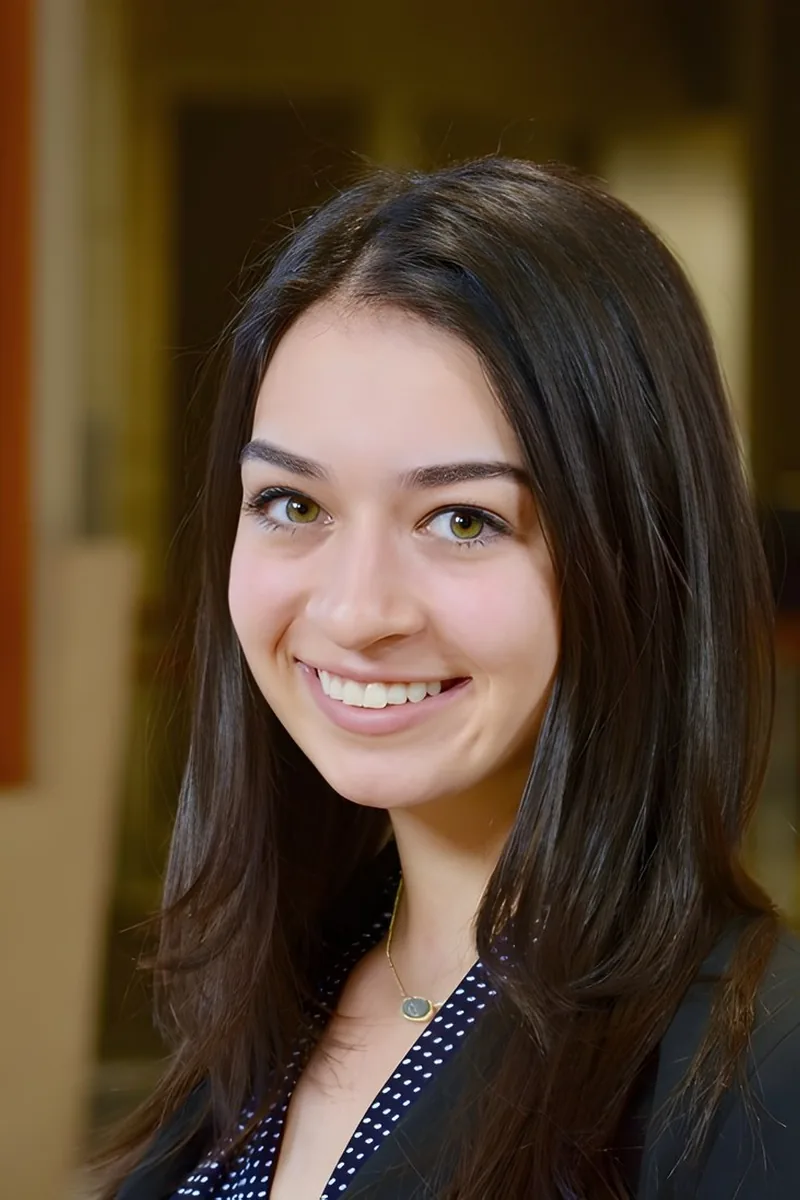
Before law school, Tiffany might have called herself a strong reader — after it, she understood what active reading actually means: annotating for structure, questioning the author's choices, and tracking how an argument develops across pages. She teaches these same strategies to students working on comprehension and critical analysis, breaking passages into manageable pieces so the main idea and supporting details become obvious.
Years of working across French, Spanish, and English literary traditions as a comparative literature major trained Sash to read slowly and strategically — pulling apart syntax, identifying an author's rhetorical moves, and distinguishing main arguments from supporting detail. For students who rush through passages or struggle with comprehension on timed assignments, Sash teaches specific annotation and active-reading techniques that build real retention.
An avid reader herself, Talia tackles reading comprehension by teaching students to actively annotate rather than passively scan. She zeroes in on skills like identifying an author's purpose, distinguishing main ideas from supporting details, and making inferences from context clues — building the kind of engaged reading habits that transfer across every subject.
Developing culturally literate curricula for middle and high schoolers — the kind where students actually want to read the assigned material — taught Elena that engagement isn't a bonus, it's the mechanism through which comprehension improves. Her McGill and Edinburgh training in religious studies means she's spent years pulling meaning from texts that are ancient, dense, and deliberately ambiguous, which translates into a knack for showing students how to wrestle with unfamiliar language and extract an author's argument even when the writing resists easy summary.
Strong readers don't just decode words — they track how an author's argument or narrative develops across paragraphs and chapters. Vansh teaches active reading strategies like annotation, summarization checkpoints, and inference-building that turn passive page-turning into genuine comprehension. These same skills carried him to a 1550 SAT, where reading speed and accuracy matter enormously.
Strong readers don't just decode words — they predict, question, and make inferences as they move through a passage. Kirstie builds those active reading habits by teaching annotation strategies and context-clue techniques tailored to each student's level. Her liberal arts training means she's comfortable working with fiction, nonfiction, and everything in between.
A Government major at Harvard might seem like an unlikely reading tutor, but Richard's coursework lives in dense political theory, Supreme Court opinions, and policy arguments where misreading a single clause changes the entire interpretation. That habit of precise, skeptical reading — plus a year as a math course assistant where he learned to break complex material into digestible steps — gives him a structured way to teach students how to track an author's argument and pull meaning from challenging texts.
Struggling readers often need something more targeted than "read more" — they need someone who can pinpoint whether the breakdown is in decoding, fluency, vocabulary, or comprehension and then address that specific gap. Liz's Master's in Special Education gave her diagnostic tools and intervention strategies for students with learning disabilities, dyslexia, and ADHD, and she's applied them across a wide range of learners in Boston classrooms. She builds reading stamina and comprehension simultaneously, using texts matched to each student's level and interests.
Three English courses and an intensive writing seminar in her first year at Penn means Angela spent freshman year buried in complex texts — analyzing arguments, unpacking layered prose, and explaining what she found in writing that had to hold up to scrutiny. That kind of immersive, close-reading practice sharpened an instinct for how authors structure ideas and embed meaning, which she now brings to reading sessions across grade levels. Rated 5.0 by students.
Strong readers don't just decode words — they predict, question, and synthesize as they move through a text. Jessica teaches specific active-reading strategies like annotation, summarization checkpoints, and inference-building that turn passive page-turning into genuine comprehension. Her education training and years working with students ages 8–15 mean she can calibrate those strategies to exactly the right level.
A Latin American History degree from Duke and a law degree from UNC Chapel Hill means Jean has spent years reading across two very different disciplines — parsing primary sources full of cultural context, then pivoting to legal briefs where every clause carries weight. That range shows up in how she teaches comprehension: breaking a passage into its moving parts, identifying what the author is actually claiming versus what's just background, and building the kind of deliberate reading habits that transfer from literature excerpts to standardized test passages.
Strong reading comprehension isn't about speed — it's about knowing how to identify a passage's main claim, track how evidence supports it, and distinguish between what the author says and what the author implies. Michelle teaches these active-reading strategies explicitly, building the kind of annotation habits that transfer to standardized tests, textbooks, and independent reading alike.
Getting through a dense passage isn't about reading every word at the same speed — it's about knowing when to skim, when to slow down, and how to track an author's argument across paragraphs. Hannah, who holds degrees in both History and English alongside an MFA in Creative Writing, teaches active reading strategies that translate directly to stronger comprehension and annotation skills.
A Princeton education heavy on analytical writing and psychology research papers means Margaret spent four years reading texts where every claim had to be traced back to its evidence — a habit she now teaches to her own students. She breaks down passages by showing readers how to identify what an author is arguing, spot the supporting details that matter, and filter out the filler. Her 4.9 rating and 1530 SAT reflect the kind of precise, deliberate reading she brings to each session.
Strong readers don't just decode words — they identify an author's argument, evaluate evidence, and make inferences across paragraphs. Reid approaches reading comprehension as a teachable skill set, breaking down strategies for annotating, summarizing, and distinguishing main ideas from supporting details. His experience spans middle school through college-level texts.
Strong readers don't just decode words — they predict, question, and connect ideas across paragraphs in real time. Sabira teaches these active-reading strategies explicitly, whether a student is working through a challenging novel or tackling standardized-test passages, building the kind of comprehension habits that transfer across every subject.
Years of parsing statutes, case law, and dense philosophical texts gave Emily a toolkit for breaking down any reading passage into its core claims and supporting evidence. She applies that same analytical approach to teach students how to identify main ideas, track an author's reasoning, and distinguish fact from inference — skills that transfer across every subject.
A background in cognitive science means Sugi understands how the brain processes text — why some students lose track of an author's argument mid-paragraph, and what strategies actually improve comprehension and retention. She teaches concrete techniques like annotation mapping and active questioning that turn passive reading into engaged analysis. Her perfect ACT score confirms she practices what she teaches.
Close reading is second nature when your degrees are in Comparative Literature and German — Jacob spent years at Columbia and UC Berkeley dissecting texts across languages and literary traditions. He teaches students to identify rhetorical strategies, track thematic development, and annotate with purpose, turning passive reading into active analysis.
Strong reading comprehension isn't just about understanding vocabulary — it's about tracking an author's argument, recognizing tone shifts, and distinguishing main ideas from supporting details. Tom, who scored a 1520 on the SAT, applies the same close-reading techniques from his literary training to help students decode everything from standardized test passages to dense nonfiction.
A philosophy degree from Princeton and a history master's from Berkeley means Jeff spent years doing nothing but reading — dense primary sources, competing scholarly arguments, texts where a single paragraph can shift an entire interpretation. He taught undergraduates at Berkeley how to pull apart those kinds of passages, and that same approach carries over to any level: teaching students to track what an author is actually claiming, spot where the reasoning turns, and stop treating reading as passive absorption.
Twenty writing prizes before age eighteen doesn't happen without being a relentless, close reader first — Valerie built her reading skills by pulling apart texts from Greek tragedy to contemporary fiction at the University of Chicago. She teaches students to identify tone, track arguments, and make inferences by actually engaging with what's on the page rather than skimming for keywords.
Stronger reading starts with knowing what to do when a passage doesn't make sense on the first try — rereading strategically, annotating for structure, and distinguishing main claims from supporting details. Jennifer, who scored a 1510 on the SAT and is completing her Secondary English MAT at NYU, teaches these active reading habits so students can tackle dense or unfamiliar texts with confidence.
A semester at Madrid's top-ranked university, reading upper-level history and literature alongside native Spanish speakers, forced Meghan to become the kind of reader who squeezes meaning from every sentence — a habit that stuck long after she came back to Northwestern. Her daily work as a trade journalist means she's still doing it professionally: scanning dense source material, pulling out what matters, and cutting through jargon. She brings that same precision to teaching students how to actively track what a passage is saying and why.
Political science coursework at Northwestern means Parag spends most of his week pulling apart op-eds, policy briefs, and academic arguments — texts where the real claim is often buried under qualifications and jargon. He teaches students to spot that structure in any passage: where the thesis actually lives, which details are evidence versus filler, and how to read strategically enough to answer questions without re-reading the whole thing. Rated 5.0 by students.
Trained as a historian, Vivian reads critically by habit — identifying an author's argument, weighing evidence, and spotting assumptions. She teaches those same active-reading strategies to students, whether they're working through a dense nonfiction passage or a novel chapter, so they move from surface comprehension to genuine analysis. A 36 ACT composite reflects how well these skills translate to high-stakes reading tasks.
Between a master's in political science and an English bachelor's, Alex has spent years doing two very different kinds of reading — literary close reading where every word choice matters, and policy analysis where you have to extract an argument from fifty pages of data. That range means he can teach a student to slow down and trace tone shifts in a short story one session, then tackle an informational passage full of competing claims the next.
For students who struggle with reading comprehension, the problem often isn't effort — it's that no one has explicitly taught them how to monitor their own understanding as they read. Diana's TESOL background trained her in exactly this: making strategies like predicting, questioning, and summarizing into habits rather than afterthoughts. She tailors her approach to the student's current level, whether that means decoding informational texts or tackling longer fiction.
Narrative Medicine — Camille's graduate focus at Columbia — is essentially the study of how reading shapes understanding, training clinicians to pick up on structure, voice, and meaning in everything from patient histories to literary essays. That interdisciplinary lens, layered on top of an African and African American Studies degree from Duke, means she teaches reading as an act of interpretation: identifying what an author emphasizes, what they leave out, and how the two work together to build meaning. Rated 5.0 by students.
History and political science majors read differently — they learn to weigh competing accounts, spot bias in a source before finishing the first paragraph, and figure out what an author is arguing even when the thesis isn't spelled out. Rachel brings that analytical reading habit to her sessions, teaching students to ask questions of a text instead of passively absorbing it. Her 1510 SAT and 34 ACT point to the kind of disciplined, strategic reading she passes along.
Philosophy trained Eric to do one thing relentlessly: read a passage and figure out what's actually being argued beneath the surface — what's assumed, what's implied, what the writer hopes you won't question. He brings that same interrogative approach to reading sessions, teaching students to track an author's logic and catch the moves that separate a strong argument from a weak one. His 1560 SAT reflects the kind of precise, deliberate reading that skill requires.
A Yale history of science degree means Christopher spent four years reading primary sources where every word choice carries weight — 18th-century medical treatises, dense scientific correspondence, arguments built in language that doesn't hand you its meaning easily. That training in careful, deliberate reading now shapes how he teaches comprehension: breaking a passage into its moving parts, identifying what the author is actually claiming, and building the habit of re-reading with a specific question in mind rather than scanning for surface-level answers.
Engineering textbooks and MBA case studies don't forgive sloppy reading — Caroline learned to extract the core argument from dense, technical material at WashU and MIT Sloan, where missing a single qualifier in a problem set or case brief could derail an entire analysis. She teaches that same disciplined approach: how to identify what a passage is actually saying, separate key claims from supporting detail, and re-read strategically instead of just pushing forward. Rated 5.0 by students.
Struggling readers often aren't lacking intelligence — they're missing a strategy for pulling meaning from dense or unfamiliar texts. Meghan teaches active reading techniques like annotation, context-clue vocabulary building, and identifying an author's argument before getting lost in details. Her PhD work in American Literature at UConn means she's spent thousands of hours doing exactly this kind of close, purposeful reading.
A triple major in Classics, Philosophy, and a third bachelor's means Austin has spent years doing the kind of reading most students never encounter — translating Latin texts where every word order choice matters, parsing dense philosophical arguments where one misread premise unravels the whole chain. That training built a habit of precise, active reading he now brings to comprehension work: teaching students to track structure, weigh an author's claims, and catch meaning that lives between the lines rather than on them. His 1570 SAT and 33 ACT confirm the approach holds up under timed pressure, too.
Strong reading is really about knowing what to do when a passage doesn't make sense on the first try. Jamie teaches specific strategies — annotation techniques, context-clue reasoning, and how to distinguish an author's argument from the examples supporting it — that turn passive reading into active comprehension. His 1600 SAT reflects the kind of close-reading skill he brings to every session.
When a passage feels confusing, the issue is usually that a student is reading every line at the same speed instead of adjusting strategy by text type. Eileen — who scored 1550 on the SAT and a perfect 36 on the ACT — teaches active reading techniques like annotation, context-clue vocabulary decoding, and identifying an author's purpose within the first few sentences. These skills transfer directly to both standardized tests and classroom assignments.
Three years of classroom reading intervention taught Molly exactly where comprehension tends to stall — whether a student struggles with making inferences, tracking a main idea across paragraphs, or connecting what they read to prior knowledge. She's Illinois-certified K-9 and holds degrees from Columbia and Northwestern, so she brings both research-backed strategies and real classroom instincts to every reading session.
At Penn State's Writing Center, Hannah worked with everyone from non-native English speakers to honors students, and the common thread was always reading comprehension — understanding what a text says before you can respond to it. She teaches active reading strategies like annotation, summarization, and identifying an author's purpose, skills that pay off across every subject a student encounters.
Testimonials
Because the right Reading tutor makes all the difference.
Average Session Rating – Based on 3.4M Learner Ratings
Top 20 English Subjects


Top 20 Subjects
Frequently Asked Questions
Reading comprehension challenges often stem from a few key areas: decoding fluency, vocabulary gaps, or difficulty with inference and critical thinking. Personalized tutoring targets the specific barrier your student faces. A tutor can break down complex texts, teach active reading strategies like annotation and questioning, and build foundational skills through scaffolded practice. With 1-on-1 instruction, your student gets immediate feedback and can work at their own pace—something that's harder in a classroom setting.
Strong literary analysis requires both close reading skills and clear writing. Tutors teach students how to identify themes, analyze character development, and support interpretations with textual evidence. They then help organize these ideas into well-structured essays with strong thesis statements and coherent arguments. Since tutoring is personalized, students receive direct feedback on their writing, revision suggestions, and guidance on how to strengthen their analytical voice—skills that transfer across all subjects.
Vocabulary grows fastest when students encounter words in context and use them repeatedly. Rather than drilling word lists, effective tutoring embeds vocabulary instruction into authentic reading experiences. Tutors help students learn word roots, use context clues, and apply new words in their own writing and speech. Research on spaced repetition shows that revisiting words across multiple sessions and contexts leads to stronger retention than one-time memorization.
Yes. Varsity Tutors connects students with tutors who have experience supporting readers at all levels, including those with reading gaps, dyslexia, or English as a second language. These tutors use research-backed strategies like multisensory approaches, decoding instruction, and high-interest texts to build confidence and fluency. They also understand how to adapt pacing and materials to match a student's needs, which is critical for readers who have fallen behind.
Absolutely. Reading sections on tests like the SAT, ACT, and standardized state assessments require specific strategies beyond general comprehension—like time management, identifying question types, and navigating dense passages under pressure. Tutors teach test-specific techniques while building the underlying reading skills that matter most. They can also provide targeted practice with past test passages and help students understand why they miss questions, rather than just providing correct answers.
Look for tutors with strong backgrounds in English, education, or a related field, as well as demonstrated experience teaching reading across grade levels. It's helpful if they understand reading science—phonics, fluency, comprehension strategies—and can explain why they're using certain approaches. Beyond credentials, the best tutors are skilled listeners who can identify what's actually holding a student back (is it decoding? vocabulary? comprehension? engagement?) and adjust accordingly. They should also be encouraging and patient, especially with struggling readers.
Progress depends on the starting point and frequency of tutoring. Many students notice better comprehension and confidence within 4-6 weeks of consistent 1-on-1 instruction, especially when tutoring is paired with practice at home. For deeper gains—like improved fluency or stronger analytical skills—expect 2-3 months of regular sessions. The key is consistency; weekly tutoring with targeted skill-building and feedback typically yields faster results than sporadic sessions. Your tutor can set specific, measurable goals early on and track progress along the way.
Let’s find your perfect tutor
Answer a few quick questions. We’ll recommend the right plan and match you with a top 5% tutor.