Award-Winning Test Prep
Tutors
Award-Winning
Test Prep
Tutors
Private 1-on-1 tutoring, weekly live classes for academic support, test prep & enrichment, practice tests and diagnostics, and more to elevate grades and test scores.
Based on 3.4M Learner Ratings
UniversitiesSchools & Universities
DeliveredHours Delivered
ProficiencyGrowth in Proficiency
Who needs tutoring?
No obligation. Takes ~1 minute.
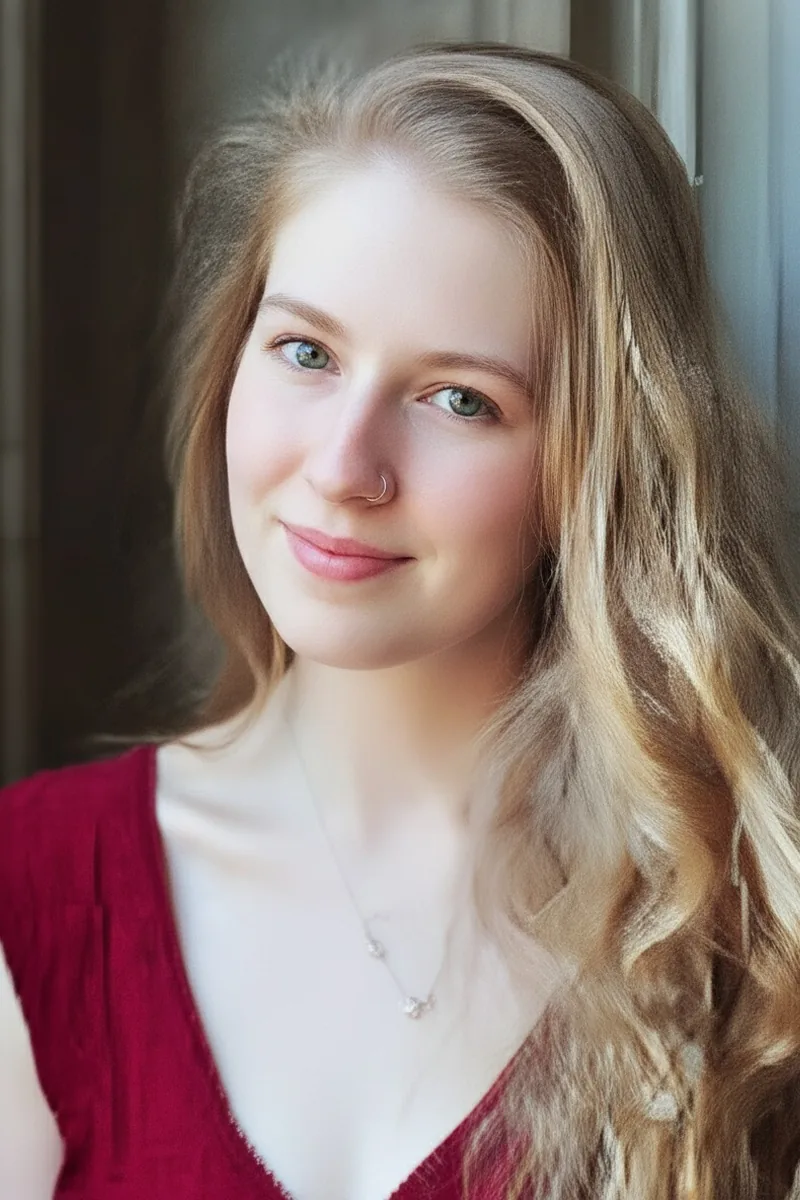
I am a new graduate of Pomona College, in Claremont, CA, where I studied Religion and Philosophy. While there, I wrote many papers of a wide variety, working on strong arguments, organization, and phrasing. I peer edited as well as volunteering with groups that mentored high school students, focusing on college admissions work, continuing and expanding my experiences from high school of tutoring for standardized testing. Additionally, I taught beginning violin to younger children.
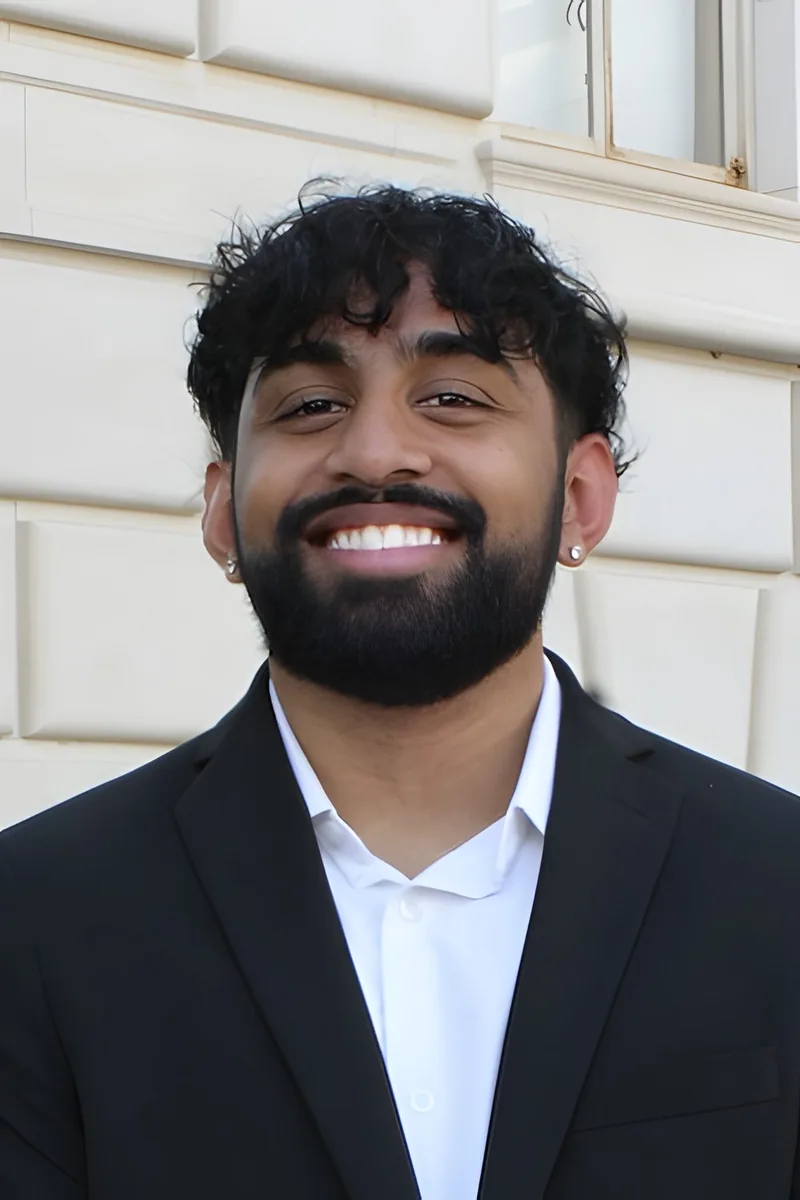
I'm a Chemical Engineering major at the University of Texas at Austin with a strong passion for teaching. I enjoy helping students in biology, algebra, and chemistry, focusing on building meaningful relationships that make learning engaging and approachable. Teaching not only strengthens my own understanding but also allows me to see the impact of confidence and curiosity in others. Outside of academics, I love staying active through hiking and playing sports like basketball. I also enjoy exploring new food spots, which gives me a chance to connect with different cultures and experiences.
I am a freshman undergraduate at Johns Hopkins University. I am majoring in Molecular and Cellular Biology and minoring in Spanish on the pre-med track! I have been a tutor for all 4 years of high school. I have helped students with mathematics, ranging from middle school to college level courses, as well as intermediate Spanish. I have also worked at Kumon for the past 3 years and have experiences in teaching English, grammar, and reading for all high-school level courses. While I am confident in my abilities to help students in science (biology and chemistry!), I am most passionate about helping students in mathematics, whether that is with the SAT, ACT, AP, and excel at reviewing college admission essays. I am a firm believer in creating an organized and adaptive tutoring program, allowing students to practice with questions that would challenge them in beneficial ways.
I am a recent graduate from a masters program in biostatistics at Columbia University. I received my Bachelor of Arts in biological sciences, with a focus in neurobiology at Northwestern University. In August, I will be starting a doctoral program in biostatistics at NYU. I was a teaching assistant at Columbia University in my department and also have tutored graduate students and undergraduates privately as well. My primary areas of tutoring are math and statistics coursework in addition to math sections on standardized tests such as the GRE and GMAT. I am very passionate about helping students feel more confident and excited about math. In my spare time, I enjoy running, playing piano, and spending time with friends and family.
Hi! I'm Eben, a student tutor who genuinely enjoys helping others understand concepts that once felt confusing or overwhelming. I believe learning works best when explanations are clear, supportive, and tailored to how you think not rushed or one-size-fits-all. I have a strong background in math, science, and English, and I've spent time tutoring peers through structured programs like Math Senior Scholars. From that experience, I've learned that the best tutoring sessions feel more like conversations than lectures. I focus on breaking problems down step by step, using examples and analogies, and checking in often to make sure things actually make sense. I'm patient, encouraging, and big on building confidence. If you've ever felt nervous asking questions or worried about "getting it wrong," you're not alone and my goal is to make tutoring a space where mistakes are part of learning, not something to fear. We'll work at your pace and adjust strategies until it clicks.
I'm Anna! I'm currently a student in the MD/MBA program between Northwestern University's Feinberg School of Medicine and the Kellogg School of Management, and graduated from Northwestern University as part of the Honors Program in Medical Education. I attended the Bergen County Academies in New Jersey, a selective, application-based magnet school, for high school.
I'm eager to teach students how to make connections and understand any part of the world they need!
Hi! I'm a senior at the University of Michigan Ross School of Business looking for a small side hustle. As I know AP season is approaching for high school students, I would love to help as a tutor in preparation for exams, or provide guidance with college applications and essays! I am super passionate about helping students how to learn. Looking forward to working with you all. Go Blue!
I am an incoming medical student at the University of Miami Miller School of Medicine. I graduated from Rice University in 2025 with a Bachelor of Science in Biology with minors in Medical Humanities and Business.
I am currently a resident physician at Northwestern Hospital.
No subject, no test, and no question is bigger than you. By the end of our time together, I hope to make you see that my only job was really just to make you see--you really had it in you, all along. If there's any subject in which you truly believe you suck--that you're just the worst, and that nothing will ever help you improve--then don't you dare give up until you've given me a call! I'm a writer, but I love numbers, and nothing makes me more proud than helping students overcome their biggest challenges. I've scored near-perfect on both standardized tests, and I've been helping students understand how to improve their own scores ever since. I'm also capable of tutoring advanced Music Theory topics, as well as Spanish and Mandarin Chinese
As both a student and an employee, I have been involved in higher education for over twenty years. I earned my bachelor's degree from the University of Illinois at Chicago (English-Writing), my master's degree from Regis University (Nonprofit Management), and currently hold a college administrative position by day. For a number of years now, I have enjoyed tutoring students in middle school, high school, and college on test preparation (primarily the verbal/reading/writing sections for ACT, SAT, PSAT, HSPT), as well as essay and speech writing. I have a passion for the written word because I feel it is often times the best way to communicate - a way to express our thoughts and feelings in an organized and structured manner, in our own voice and within our control.
I am a MD resident physician in Radiology and 2020 graduate of Rice University. Throughout my academic and professional journey, I've found that one of the most rewarding parts of education is helping others reach their potential. I've worked with students across many stages, from high schoolers preparing for the SAT/ACT, to applicants refining personal statements for college and medical school, to medical students tackling board exams. In each of these settings, my goal remains the same: to help students not just learn material but learn how to learn. My teaching philosophy is built on the belief that success doesn't depend on being naturally gifted, it comes from consistency, structure, and a willingness to improve. I work with students to develop individualized study plans, set achievable milestones, and build momentum. I focus on helping students become confident learners who can approach problems with clarity and strategy.
I've been working with students for over seven years, from middle school all the way through college, across subjects like math, calculus, statistics, linear algebra, chemistry, and physics, with a lot of SAT and ACT prep mixed in. My background is perhaps a little unconventional. I have two bachelor's degrees, one in Engineering and one in Communication Studies, plus a Master's in Design. That combination means I can guide you through challenging technical material and communicate it in a way that is easy to grasp. What I care most about is helping students get to a place where they don't need me anymore. I know that sounds like a strange thing for a tutor to say, but I think it's the right goal. I'm not here to walk you through steps to copy down. I want you to understand why something works, because that's what holds up under pressure, on a test you haven't seen before. If you're ready to ace that test or prove that theorem that's been bugging you, reach out and let's work together
I am passionate about helping students with math, science, test prep, and more! As sophomore undergraduate at Brown University studying Mathematics and Biophysics, I am well experienced with many topics. I received a perfect 36 on my ACT, so I am very confident with test taking.
Hello! I am Jason Min, a recent college graduate looking to do some tutoring over the summer. Please feel free to ask me questions!
I am a driven, positive, affirming tutor who is happy to help students in any way he can. I graduated magna cum laude from Dartmouth College in 2020, and I obtained my Master's in Political Science from the University of Toronto in 2022. In 2016, I received an SAT score of 1550. That year, I also received a 5 on my AP exams in Calculus AB, English Language, U.S. History, and U.S. Government. I am happy to tutor students in mathematics, English, and social sciences (e.g., history, government). I especially enjoy tutoring pre-algebra and algebra. I believe in a practice-based approach in which I take students step-by-step through the concepts at hand. After practicing together with my guidance, the student will soon be able to apply what they have learned on their own.
I'm a huge Red Sox fan and love watching detective shows when I have free time.
I am a recent grad from Georgia Tech, majoring in Industrial and Systems Engineering (an intersection of math, computer science, and business) and minoring in Business and Technology. I am originally from Columbus, OH, but chose to come down to Atlanta after getting a full-ride scholarship from Georgia Tech. In my spare time, I love playing/watching sports and travelling around the world (when possible!).
I'm currently pursuing a degree in Neuroscience! My passion lies in empowering students to conquer challenging subjects like AP Biology, Chemistry, and standardized test preparation, including the SAT and PSAT. With over 3 years of tutoring experience, I have honed my ability to adapt my teaching methods to accommodate diverse learning styles, ensuring each student feels supported and confident. I believe in creating interactive sessions that transform learning into an engaging experience, where students not only grasp complex concepts but also develop the skills to tackle challenges independently. As a National Merit Scholar, I offer valuable insights into effective test strategies, helping students navigate the nuances of SAT math and reading. My goal is to inspire students to embrace their academic journey with enthusiasm and resilience.
I am proud to be a part of Varsity Tutors! I am originally from San Antonio, TX; I completed my undergraduate education at Rice University in Houston where I received a bachelor's degree in Biochemistry and Cell Biology. Currently, I am in my second year of medical school at Baylor College of Medicine.
I am a second year law student at the University of Chicago who hails from the San Francisco Bay Area! I tutor the SAT, ESL, and Spanish. I was an AVID tutor in high school, and after college I taught an ESL class and tutored a high school student in Spanish. In law school, I am involved with the Lawyers in the Classroom program. My tutoring philosophy is based on listening to students work through problems and helping them to spot their confusions or incorrect assumptions. I believe students learn much better when they aren't simply told the right answer or right reasoning; they need to get there on their own.
I'm a current medical student at the University of Arizona College of Medicine with undergraduate degrees from Washington and Lee in chemical engineering and anthropology. I have extensive experience in tutoring and teaching since 2010, and am ready to help you with your learning needs! I focus on standardized testing (SAT/ACT) and also tutor in a wide range of math, English, and Spanish classes. In my free time, I like to run, do CrossFit, volunteer, and watch TV!
I am an interdisciplinary educator with an Ed.M. from the Harvard Graduate School of Education and a B.A. from Dartmouth College. My background is primarily in integrated arts learning and museum education and I specialize in visual arts, history and art history, and object-based learning. In all subjects, I take a creative, inquiry-based and learner-centered approach, designing opportunities for each unique individual to meet their learning goals.
I am a passionate educator with a strong background in computer science, mathematics, and STEM subjects. Currently pursuing a degree in Computer Science with focuses on artificial intelligence and education at Purdue University, I have been tutoring since high school, where I began teaching coding to middle and high school students. Over the years, I've had the privilege of helping students excel in a variety of subjects, including AP courses(APCSA - 5, AP Calc AB - 5, AP World - 4), SAT preparation(1590), and programming. My favorite subjects to tutor are mathematics and coding because they not only build critical thinking skills but also empower students to solve real-world problems creatively. I enjoy breaking down complex concepts into manageable steps, tailoring my teaching approach to each student's unique learning style. I believe in fostering a growth mindsetencouraging students to embrace challenges as opportunities to grow and learn. Beyond academics, I have a deep interest in soccer and motorsports, and I love integrating real-life examples from these areas to make lessons engaging and relatable. My goal as a tutor is to build students' confidence, inspire a lifelong love of learning, and equip them with the skills they need to achieve their goals.
As a passionate tutor working on a Bachelor's degree in Economics, Mathematics, and Philosophy from the University of Toronto, I have over two years of tutoring experience that spans various subjects, including Writing, English, and advanced math topics. My approach centers on creating engaging, tailored lessons that resonate with students' individual goals and interests. I believe in fostering a supportive learning environment where trial and error can lead to discovery and growth. My experience includes working with elementary and high school students, helping them navigate their homework, prepare for tests like the SAT, and cultivate a deeper appreciation for math and writing. I am deeply motivated to inspire students and help them achieve their academic aspirations while nurturing their curiosity and confidence. I enjoy: Writing, Reading, Piano, Fencing, Archery, Math, Economics, Philosophy, Law.
I am happy to accommodate and work with learners on the spectrum.
I am currently a 4th year medical student at Baylor College of Medicine and previously graduated from Rice University, Summa Cum Laude with a Bachelor's degree in Cognitive Science and Biochemistry & Cell Biology. I have served on admissions interview committees for Rice and Baylor College of Medicine, have mentored and edited essays for numerous college and graduate school applicants, and served as a private tutor and classroom instructor for Advanced Biology and Chemistry courses for 3+ years.
Hi! My name is Alexandra, and I am a Princeton University Neuroscience major with 5+ years of tutoring experience. I specialize in SAT/ACT/PSAT prep and have successfully taught topics ranging from computer science and basic sciences to elementary reading and writing and college essay writing. In high school, I scored a perfect 36 on the ACT on my first attempt, a perfect 1520 on the PSAT/NMSQT, won "finalist" status in the National Merit Scholarship competition, and was a medalist in the New York Science Olympiad. As an undergraduate at the top-ranked university, I focus specifically on standardized test preparation, including the SAT, ACT, and PSAT. I have an understanding of the structure and timing of the exams and the strategic approaches that are required to achieve top scores. I have successfully supported students in improving their performance through individualized study plans because I understand that not all students can use the same approaches to succeed. My approach emphasizes effective time management and a mastery of recurring question types. Outside of college test preparation, I have tutored students ages 5 to 17 in a variety of topics. A common teaching approach I use is to introduce new concepts with example problems that we work through together. I then explain each strategy and help the student through another problem, encouraging them to explain their thinking step by step. Finally, I let the student tackle a problem independently. Once a student can articulate why a method works, they are truly ready to apply it on their own. While this method suits many students, I understand that everyone learns differently and pride myself on being adaptable within and outside of lessons.
Helping students has always felt deeply personal to me. I know what it's like to struggle with a subject and how much of a difference the right guidance can make. That's what drives me, not just to explain the material, but to meet students where they are, and help them build confidence along the way. My teaching philosophy is centered around a low-pressure, high-engagement environment where students feel comfortable asking questions and exploring ideas. I use real-world examples, visual breakdowns, and active recall to reinforce understanding and make learning stick. I'm currently in my 4th year of medical school, so I have a certain love for Biology and other life sciences. It can be complex, but when taught the right way, it becomes incredibly intuitive and logical. I also thoroughly enjoy teaching SAT/ACT prep, as it also can be tricky for students to see through its complexity, but becomes much easier to find the objective when taught the right way, with the right tools.
I am a junior studying Writing for Screen and Television at the University of Southern California's School of Cinematic Arts. For the past two spring semesters I worked as a CollegeSpring Mentor, tutoring Green Dot Charter high school juniors for the SAT and teaching them predatory skills for college. In addition to my experience tutoring for the SAT, as a screenwriting major I most enjoy teaching my favorite subject, English. I love showing students the power language endows upon them to communicate their ideas and beliefs with others. I believe every student deserves the chance to succeed and to try to capitalize on their strengths while encouraging them to improve in areas they may traditionally find challenging. Endowing a student with confidence in themselves through patience and support is the best way not only to improve academic performance, but also transform them into lifelong learners. I try to share not only my passion for knowledge with students, but also my love of sports (football, baseball, and softball), action films, and global affairs. Seeing students not only improve academically but also show improved confidence and happiness is the most rewarding part of my job.
I have been tutoring since 2018. I was a math instructor for five years at a math learning center. There I worked with students in grades 1 through college. I particularly love teaching elementary and middle school math as well as Algebra! I am comfortable working with students of all ages and all abilities. In addition to tutoring math, I was a Spanish AT for introductory Spanish courses and also conversational ones. I also volunteered at the local public elementary school weekly to teach Spanish to second graders. The summer between my junior and senior year, I was fortunate enough to intern in Spain and teach English at a bilingual school. I believe every student learns differently, and I am always happy to adapt my teaching methods to best meet each student's individual needs. These methods range include diagrams, drawings, and the socratic method.
Hi! My name is Harry, and I'm a sophomore at the Albert Dorman Honors College at NJIT studying for a BA/MD in Biology on the accelerated program with NJMS. I've been interested in the sciences since I was younger, through which I have enjoyed engaging in my coursework, research, and fellow peers. What I particularly enjoy is the camaraderie that STEM brings about with problem solving with you and your peers, which I hope to foster through tutoring. At NJIT, I have taken challenging courses like General and Organic Chemistry I & II, Physics I & II, and a series of biology courses such as neuroscience, mammalian physiology, and cellular and molecular biology. These experiences not only provided me with a strong academic background but also with an understanding of how to deconstruct difficult material in a way that makes it less intimidating. In teaching, I believe building confidence is as important as mastery of content. I try to meet students where they're atwhether that's going step by step through a practice problem, connecting big-picture ideas, or offering suggestions on how to study more effectively. I recall how overwhelming some of these concepts can be because I've been there too. I try to make learning accessible and enjoyable, and also help students gain the level of mastery they're looking for. Whether you're preparing for an exam or just want extra assistance in biology, chemistry, physics, calculus, or test prep, I'd love to help you and guide you toward your goal.
I am a graduate of Columbia University with a degree in Drama and Theatre Arts. I taught math and essay writing to my peers in high school and college, and have tutored a close friend in her mathematics courses since junior year of high school. I am most comfortable and passionate about tutoring SAT prep, particularly the Math section and subject tests. I believe in supporting and encouraging my students and making material as accessible as possible, breaking down what may be difficult subject matter into terms and concepts that they already understand. I firmly believe in the potential of every student to grasp material that they may think is out of reach, and aim to reduce the stress factor of studying as much as possible. Outside of tutoring, I am a professional actor and playwright, and in my free time (a rare, mystical thing these days) I enjoy playing guitar and mandolin, practicing yoga, and my PS4.
I'm passionate about breaking down complex concepts and problems to make them easier to understand in standardized testing and mathematics, economics, and computer science.
I am currently a junior at the University of Wisconsin - Eau Claire, pursuing a Bachelor of Science in Biochemistry and Molecular Biology, complemented by minors in Pre-Professional Health Sciences and Spanish for the Health Professions. With five years of tutoring experience, I specialize in high school chemistry, math, and writing, however I am willing to tutor in a wide variety of subjects. My approach to tutoring is centered on fostering confidence and understanding in my students. I believe in creating a supportive environment where students feel comfortable expressing their struggles, as I guide them through concepts using tailored questions and varied explanations. This method allows me to identify their needs and adapt my teaching accordingly. My background in the International Baccalaureate Diploma Program, where I excelled in subjects such as HL Chemistry and HL Language and Literature, fuels my passion for the subject, and I enjoy helping students navigate challenging topics.
I am a Neuroscience and Behavior major at Columbia University. Although my major is centered in the STEM field, I am also passionate about human rights work, global engagement, and local outreach. While my future plans are subject to change, I see myself continuing in academia, going to medical school, and becoming a physician.
I'm a rising junior at Brown University studying biomedical engineering. I have lots of experience in middle school through college level instruction in STEM and SAT/ACT prep. My goal is to provide a fun and productive learning environment by only teaching subjects that I am passionate about.
I am a member of the Brown Class of 2018, pursuing a bachelors degree in mathematics. I graduated from Phillips Exeter Academy in 2014. (I am able to help anyone with the boarding school admissions process.) Outside of academia, I pursue my passions in dance, travel, volunteering, reading and art. My tutoring subjects are mathematics (from elementary school to college level) and standardized testing (SAT, SAT subject tests, PSAT, and SSAT). I have tutored mainly high school students in the New York State Regents exams and AP Calculus, although I also have experience with students in middle and elementary school. Since I have been through many school systems, including public, private, studying abroad, and boarding school, I have learned many different techniques and can attack a problem from various angles. Ultimately, my teaching style is full of tips and tricks to break down complicated topics into simple, more understandable ideas.
Testimonials
Because the right Test Prep tutor makes all the difference.
Average Session Rating – Based on 3.4M Learner Ratings


Top Test Prep Subjects
Frequently Asked Questions
Score improvement varies based on your starting point, the amount of time you invest, and which test you're taking. Students who work consistently with a tutor typically see meaningful gains within 8-12 weeks, though this depends on factors like your baseline score and target goals.
The key is identifying your specific weak areas—whether that's math fundamentals, reading comprehension, or test-taking strategy—and addressing them systematically. Tutors help you focus on high-impact improvements rather than studying everything equally, which accelerates progress.
Pacing struggles usually stem from either spending too long on difficult questions or not recognizing question types quickly enough. Tutors work with you on time-awareness techniques, like tracking how many questions you've completed at the halfway mark and learning to skip strategically rather than getting stuck.
Practice tests are essential for pacing improvement because they simulate real test conditions. Working through full-length practice tests with a tutor helps you develop a rhythm, understand which sections consume most of your time, and refine your approach before test day.
The best way to identify weak areas is through diagnostic practice tests, which pinpoint not just which questions you're missing but why. Tutors analyze your results by question type, topic, and difficulty level to reveal patterns—like consistently missing word problems in math or inference questions in reading.
Once weak areas are identified, tutors create targeted study plans that focus your effort on high-impact topics rather than reviewing material you already know. This targeted approach saves time and leads to faster improvement.
Absolutely. Test anxiety often decreases significantly when you feel prepared and have practiced extensively under timed conditions. Tutors help build confidence by breaking the test into manageable sections, teaching you proven test-taking strategies, and providing regular feedback on your progress.
Consistent practice with a tutor also normalizes the test experience, reducing the "unknown factor" that fuels anxiety. Many students find that going through multiple practice tests with guidance helps them feel more in control and less panicked on test day.
Varsity Tutors connects students with tutors for all major standardized tests, including the SAT, ACT, AP exams, MCAT, GRE, GMAT, LSAT, IELTS, and more. Whether you're preparing for college entrance exams, graduate school admissions, or professional certifications, tutors with expertise in your specific test can guide you.
Each test has unique formats, timing structures, and strategies that tutors customize for you. This test-specific approach is more effective than generic test prep because it addresses the actual question types and scoring patterns you'll encounter.
A typical effective study plan spans 8-12 weeks with 5-7 hours per week for standardized tests like the SAT or ACT. This usually breaks down into 1-2 tutoring sessions weekly (60-90 minutes each) plus independent practice between sessions.
Your tutor helps you structure this time by assigning targeted practice problems between sessions, scheduling practice tests at strategic intervals, and adjusting your plan based on your progress. Having a clear schedule keeps you accountable and ensures you're using study time efficiently rather than cramming randomly.
Students typically have section strengths and weaknesses based on their foundational skills and test-taking experience. For example, math struggles often trace back to gaps in algebra or geometry fundamentals, while reading comprehension challenges may stem from speed issues, vocabulary, or difficulty with inference questions.
Tutors diagnose which specific skills are causing problems in each section—not just that you're "bad at math" but exactly where the gaps are. This precision allows them to target root causes rather than surface symptoms, leading to real, lasting improvement across sections.
Let’s find your perfect tutor
Answer a few quick questions. We’ll recommend the right plan and match you with a top 5% tutor.