Award-Winning Korean Tutors
serving Seattle, WA
Korean
Tutors in Seattle
Private 1-on-1 tutoring, weekly live classes for academic support, test prep & enrichment, practice tests and diagnostics, and more to elevate grades and test scores.
Based on 3.4M Learner Ratings
UniversitiesSchools & Universities
DeliveredHours Delivered
ProficiencyGrowth in Proficiency
Who needs tutoring?
No obligation. Takes ~1 minute.

Learning Korean means tackling Hangul, sentence-ending particles, and an honorific system that changes verb forms depending on who you're speaking to. AJ teaches the logic behind these structures so that grammar rules feel like a system to navigate rather than a list to memorize.
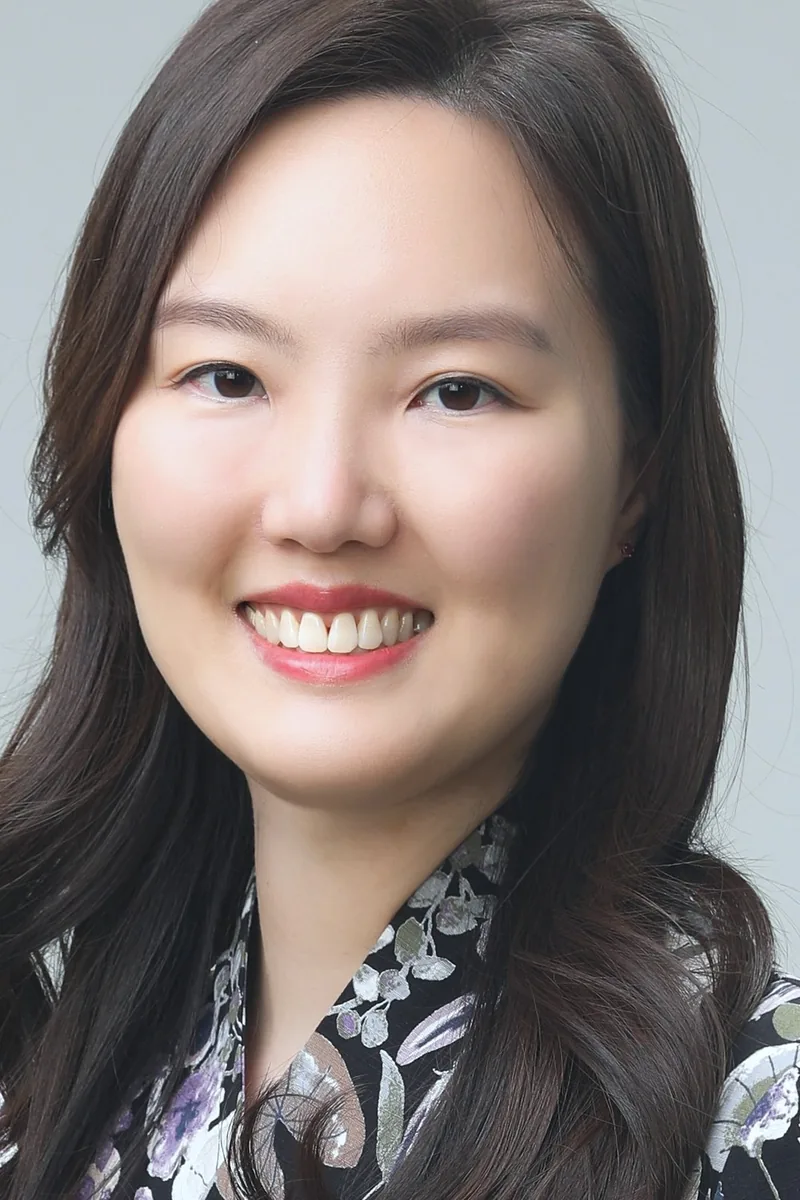
Dawoon's master's in Teaching Korean to Speakers of Other Languages (TKSOL) means she's trained specifically in diagnosing where non-native learners break down — and she's put that training to work preparing students for the Korean Proficiency Test and the Defense Language Proficiency Test, where she's moved learners from Level 2 to Level 3 on the DLPT. She weaves cultural context into every lesson, explaining why native speakers choose particular expressions and speech levels so that grammar rules stick to something meaningful rather than floating in the abstract.
I am a graduate from UCLA and currently working as a CPA; however, I have been enjoying time to teach the Korean language and culture when I have extra time.
As a teaching assistant for Elementary Korean at Georgia Tech's School of Modern Languages, Brian taught everything from Hangul character recognition to basic verb conjugation and particle usage. He breaks down Korean sentence structure — subject-object-verb order, honorific levels, topic vs. subject markers — in ways that make the grammar intuitive for English speakers. Rated 5.0 by students.
As a heritage speaker who also studied Korean formally, Sunwoo bridges the gap between conversational fluency and the grammatical precision students need for reading, writing, and standardized listening exams. He unpacks tricky honorific levels, particle usage, and sentence-ending forms that textbooks often gloss over.
I am a undergraduate freshman of the University of Michigan, studying business at the Ross School of Business. Working together with students and having a good time while seeing steady improvements has proven to provide me great joy. I believe that communication and relationship building is crucial for students to open up about their struggles and also for me to identify problems they don't realize they can improve on, so this is a key aspect of all of my lessons. During my free time, I enjoy playing sports or snacking on desserts while binge-watching Friends!
I'm a rising sophomore at the University of Notre Dame currently studying Applied and Computational Mathematics and Statistics with a concentration in Biology. I personally enjoy teaching mathematics (algebra, calculus, geometry, SAT/ACT mathematics), chemistry, biology, and editing essays. Previously, I taught American history, European history, and mathematics for 2 years as a tutor at Turning Point Tutoring Company; I worked as a teacher's assistant at a Korean SAT Academy for around 2 months over the summer as well. As a teacher, I try to provide my students with numerous different methods for approaching a problem before giving them practice problems to work on. Most importantly, I strive to first understand my students' learning styles. After doing so, I shape my method of teaching to match their form of learning so that the students could better understand the topic at hand quickly.
Addison is a Korean speaker who has prepared for the SAT Subject Test in Korean with Listening, giving her familiarity with formal grammar patterns, honorific levels, and vocabulary that trips up heritage speakers and new learners alike. She explains conjugation rules and sentence structure with the same precision she brings to her science coursework at Rice.
June is a fluent Korean speaker with experience teaching the language to elementary and middle school students, so she understands how to introduce hangul, sentence structure, and honorific levels in a way that doesn't overwhelm beginners. She adjusts her approach depending on whether a student is learning Korean for heritage reasons, K-culture interest, or academic credit — because each motivation calls for a different starting point.
Learning Korean means tackling Hangul, sentence-ending particles, and an honorific system that changes depending on who you're talking to. Andrew's linguistics degree gives him a structural understanding of how Korean grammar works at a deep level, making it easier to explain why particles like 은/는 and 이/가 behave differently even though both can mark a subject.
I was working as medical doctor and professor for more than 20 years. In the meantime, I have conducted education for medical students, doctors, and patients. I was also involved in developing educational programs. In particular, due to the corona pandemic, he was also involved in conducting online education. In the latter period, programs were developed for the public and patient education, and web cartoons were also developed. Moving to the US in 2023, I am looking for another job for second chapter of my life. Therefore, I think that my experience will be useful.
Learning Korean means wrestling with an entirely different sentence structure — subject-object-verb order, honorific levels that change verb endings, and a writing system that looks intimidating but is actually remarkably logical. Suha teaches hangul as a phonetic puzzle students can crack in a few sessions, then builds from there into grammar patterns and everyday vocabulary. As a Korean speaker and trained educator, she bridges the gap between textbook Korean and how the language actually works.
Testimonials
Because the right Korean tutor makes all the difference.
Average Session Rating – Based on 3.4M Learner Ratings
Other Seattle Tutors
Related Languages Tutors in Seattle
Frequently Asked Questions
Korean involves unique linguistic features—like the Hangul writing system, complex grammar structures, and formal/informal speech levels—that benefit greatly from personalized instruction. In a typical classroom with a 15.4:1 student-teacher ratio, it's difficult for instructors to address individual pronunciation challenges, grammar misconceptions, or pacing needs. Personalized 1-on-1 instruction allows tutors to focus on your specific learning style, whether you're building foundational literacy skills or refining conversational fluency.
Your first session is an opportunity for a tutor to understand your current Korean proficiency level, learning goals, and any specific challenges you're facing—whether that's mastering Hangul, understanding grammar patterns, or building speaking confidence. The tutor will ask about your background with the language, any previous study, and what you hope to achieve. This foundation helps them create a personalized plan that aligns with your pace and objectives.
Many students struggle with Korean grammar, particularly particles (like 은/는, 이/가), verb conjugations, and the distinction between formal and informal speech levels. Pronunciation can also be tricky, especially sounds that don't exist in English. Additionally, students often find it challenging to move from reading and writing to actual conversation. Personalized tutoring addresses these specific pain points through targeted practice and immediate feedback.
Varsity Tutors connects you with tutors who understand Korean language progression across grade levels and can align instruction with what's taught in Seattle schools. Whether you're in middle school working on basic conversational skills, high school preparing for AP Korean Language and Culture, or a student seeking college preparation, tutors can tailor lessons to match your school's curriculum and pacing. This ensures tutoring complements your classroom learning rather than duplicating it.
Reaching conversational proficiency typically requires 600-750 hours of focused study, though the timeline varies based on your starting point, frequency of tutoring, and personal practice. With consistent personalized instruction—say, 2-3 sessions weekly plus independent study—many students can achieve basic conversational ability within 6-12 months. Tutors can help you set realistic milestones and track progress toward your specific fluency goals.
One of the biggest advantages of personalized instruction is having a safe space to practice speaking without the pressure of a classroom. Tutors can engage you in conversation at your level, gently correct pronunciation and grammar in real-time, and build your confidence gradually. They can also teach you practical strategies for handling unfamiliar words, asking for clarification, and thinking through responses—skills that transfer directly to real-world interactions.
Yes. Tutors can help you master all five skill areas tested on the AP exam: reading, writing, listening, and speaking, plus cultural knowledge. They'll familiarize you with exam format and timing, help you practice free-response sections, and refine your ability to discuss Korean culture authentically. With personalized guidance on your weaker areas, you can build the proficiency needed to earn a strong score.
Varsity Tutors connects you with expert tutors in Seattle who have experience teaching Korean at your level and understand your specific goals. When you reach out, you'll share details about your experience, objectives, and preferred tutoring schedule. Varsity Tutors matches you with a tutor whose expertise and teaching style align with your needs, so you can start learning with confidence right away.
Let’s find your perfect tutor
Answer a few quick questions. We’ll recommend the right plan and match you with a top 5% tutor.