Award-Winning Biochemistry Tutors
serving Seattle, WA
Biochemistry
Tutors in Seattle
Private 1-on-1 tutoring, weekly live classes for academic support, test prep & enrichment, practice tests and diagnostics, and more to elevate grades and test scores.
Based on 3.4M Learner Ratings
UniversitiesSchools & Universities
DeliveredHours Delivered
ProficiencyGrowth in Proficiency
Who needs tutoring?
No obligation. Takes ~1 minute.
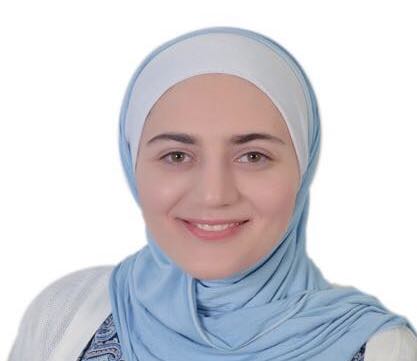
Helping students in their education is my passion. I understand how frustrating it is to keep trying on understanding a concept or master a skill without getting a satisfying result. I aim to help students enjoy learning and acquiring knowledge. Always remember that knowledge is power, and nobody can take it from you. I have sufficient tutoring and teaching experience in secondary and post-secondary settings. I worked as a tutor at the University of Wisconsin Oshkosh. I tutored college students different courses in mathematics, physics, biology, chemistry, and psychology. Also, l worked as a graduate teaching assistant at Marquette University. I taught the laboratory part of general chemistry, analytical chemistry, and organic chemistry. Furthermore, l worked as a science teacher at different secondary schools. I taught science for grades 4,5,6, and 8. Also, l taught chemistry for grade 9. When it comes to my education, l have a bachelor degree in biology healthcare science and chemistry biomolecular science (double major). In addition, l have a master's degree in chemistry. I received my undergraduate education at the University of Wisconsin Oshkosh and my graduate education at Marquette University. I tutor for numerous subjects such as algebra, trigonometry, calculus, physics, organic chemistry, analytical chemistry, human anatomy, developmental biology, ecology, and biochemistry. Also, l tutor for the GRE, DAT, TOEFL, and IELTS. My favorite subjects are the math, physics, biology, and chemistry subjects because l, simply, enjoy these fields. My teaching philosophy and tutoring style are based on practicing with various examples. When you are confronted with numerous problems to solve, you become more confident in that subject area. As a result, better performance in quizzes and exams. Outside of academia, learning about other cultures and countries around the world is my interest.
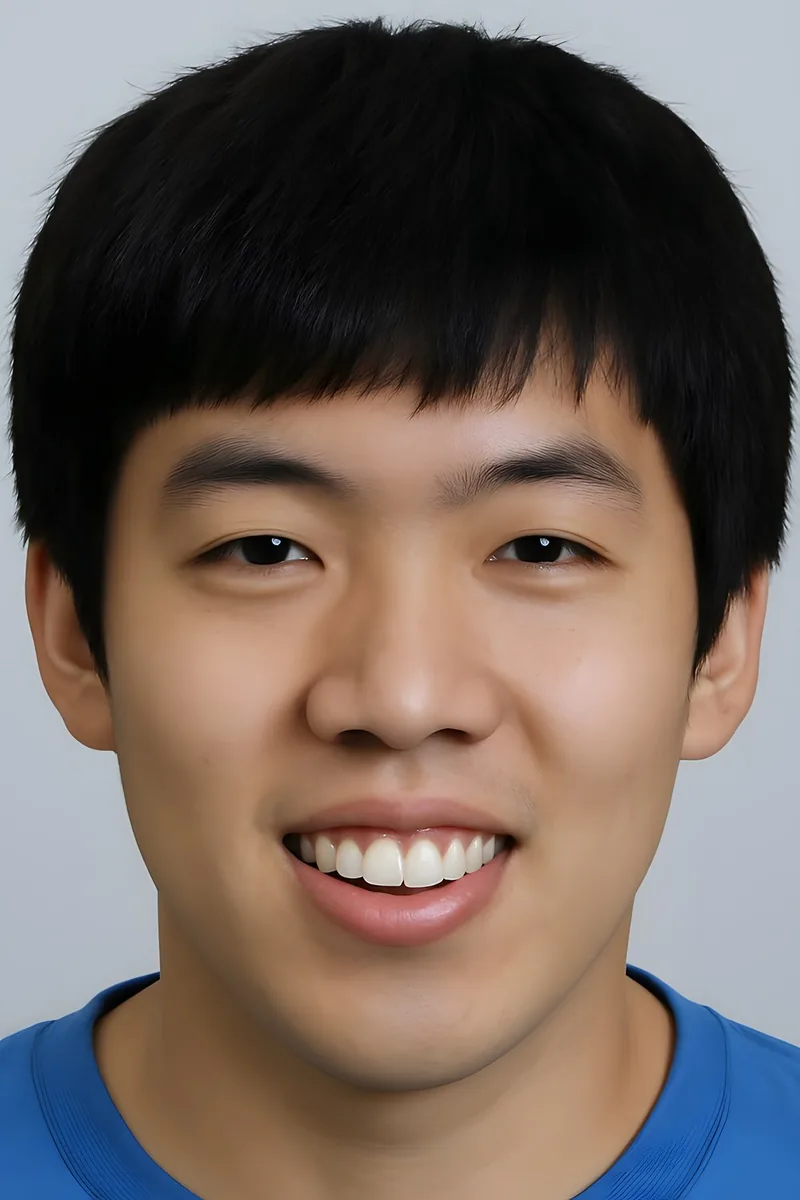
Thomas holds both a biochemistry and molecular biology degree and a master's in biology, which means he's worked through the full gauntlet — from amino acid properties and enzyme mechanisms to the regulatory networks controlling gene expression. That dual-layer training lets him teach something like oxidative phosphorylation by building it up from the organic chemistry of electron carriers before zooming out to the cellular energy budget. Rated 4.8 by students.
Four years of medical school gave Amanda a particular edge with the biochemistry that underpins clinical reasoning — she's internalized how disruptions in lipid metabolism or glycogen storage pathways manifest as actual disease states. Her biology degree and public health training add breadth, letting her teach topics like nucleotide biosynthesis or enzyme regulation by zooming out to the physiological stakes behind each reaction. Rated 4.7 by students.
Rohan's economics training might seem distant from biochemistry, but econometrics and metabolic pathway analysis share a core skill — tracing how one variable's change cascades through an interconnected system. He applies that quantitative reasoning to topics like enzyme kinetics and metabolic regulation, breaking down rate equations and feedback loops with the same rigor he brings to economic models. Rated 4.9 by students.
Enzyme kinetics, metabolic pathways, protein structure — biochemistry demands that students hold chemistry and biology in their heads simultaneously, which is exactly what medical school trains you to do daily. Jamie is currently at Sidney Kimmel Medical College and brings firsthand fluency with topics like Michaelis-Menten kinetics, amino acid chemistry, and the regulation of glycolysis and the citric acid cycle. He breaks down dense pathway diagrams into step-by-step logic that actually makes sense.
Few tutors can teach biochemistry from the perspective of someone who lived it at the graduate level. Dennis holds a Masters in Chemical and Physical Biology from Vanderbilt and an undergraduate degree in Biochemistry, so topics like enzyme kinetics, metabolic regulation, and protein structure are second nature. He walks through reaction mechanisms and pathway logic in a way that builds real understanding rather than rote memorization.
A chemistry degree from Rhodes College plus hands-on clinical internships — including work at Methodist Transplant Institute — means Eric has encountered biochemistry from both the bench and the bedside. He tackles topics like amino acid structure and metabolic regulation by walking through the underlying organic chemistry step by step, so reaction pathways read as logical progressions rather than disconnected diagrams.
Enzyme kinetics, metabolic pathways, protein structure–function relationships — Biochemistry sits at the intersection of biology and chemistry, and it demands comfort in both. Hunter earned his undergraduate degree in Biochemistry at Boston College and is continuing into a PhD at Duke, so he teaches topics like Michaelis-Menten kinetics and amino acid chemistry from years of hands-on experience rather than surface-level familiarity.
Zachary earned both his BS in Biology and a master's in Molecular Biology, which means he's traced biochemical pathways from two different altitudes — the broad cellular view and the granular molecular detail. That dual training comes through when he unpacks topics like lipid metabolism or allosteric enzyme regulation, building each concept from its chemical logic so the bigger metabolic map starts to make sense on its own.
Mitchell's neuroscience degree means he learned biochemistry through the brain's lens — tracing how neurotransmitter precursors feed into synthesis pathways, how ATP production keeps neurons firing, and how lipid biochemistry shapes every membrane in the nervous system. That background lets him teach topics like oxidative phosphorylation and amino acid metabolism by connecting each reaction to the cellular machinery that depends on it.
Studying biochemistry at Penn as part of a pre-health track, Shayan lives in the world of enzyme kinetics, metabolic pathways, and protein structure daily. He breaks down dense topics like the citric acid cycle or amino acid chemistry using visual analogies and step-by-step logic that make the connections between reactions stick long after the session ends.
Enzyme kinetics, metabolic pathways, protein structure — biochemistry demands that students think simultaneously about chemistry and biology, which is exactly how Nathaniel trained. His degree in biochemistry and his MCAT preparation mean he can walk through everything from Michaelis-Menten plots to amino acid properties with the depth a college-level course requires.
Teaching organic chemistry recitation at the University of Kentucky while simultaneously navigating medical school gives Jason an unusually current grasp of biochemistry — he's actively working through the same metabolic regulation, amino acid structures, and enzyme mechanisms his students encounter. His biology degree and MCAT preparation anchor the molecular details, while his med school training shows him how those details play out in living systems. Rated 5.0 by students.
Testimonials
Because the right Biochemistry tutor makes all the difference.
Average Session Rating – Based on 3.4M Learner Ratings
Practice Biochemistry
Free practice tests, flashcards, and AI tutoring for Biochemistry
Other Seattle Tutors
Related Science Tutors in Seattle
Frequently Asked Questions
Biochemistry bridges chemistry and biology, examining how molecules interact within living systems—from enzyme catalysis to metabolic pathways. It's challenging because it requires understanding both chemical principles (bonding, thermodynamics, kinetics) and biological context simultaneously, plus visualizing molecular structures and reactions that aren't directly observable. Many students struggle with the abstract nature of these concepts and the sheer volume of interconnected pathways to learn.
Seattle students typically find enzyme kinetics, metabolic pathways (glycolysis, citric acid cycle, oxidative phosphorylation), protein structure and folding, and acid-base chemistry most difficult. Balancing redox equations, understanding free energy calculations, and connecting molecular-level mechanisms to cellular outcomes also trip up many learners. Personalized tutoring helps by breaking these interconnected topics into manageable pieces and showing how they relate to real biological processes.
True biochemistry mastery requires deep understanding over memorization. While knowing key pathways helps, the real skill is understanding *why* reactions occur, how enzymes catalyze them, and how cells regulate these processes. Expert tutors help you build conceptual frameworks so you can reason through unfamiliar problems rather than relying on rote memory—this approach leads to better grades and stronger preparation for advanced coursework or professional fields.
Molecular visualization is key to biochemistry success. Tutors use 3D molecular models, animations, and drawing techniques to help you see how atoms bond, how enzymes change shape to bind substrates, and how proteins fold based on chemical properties. Working through mechanisms step-by-step on paper, combined with digital tools, transforms abstract concepts into concrete mental models you can apply to new problems.
Personalized tutoring strengthens both your theoretical understanding and experimental skills. Tutors help you interpret lab results by connecting them to underlying biochemical principles, troubleshoot techniques, understand experimental design, and prepare for lab reports. This dual focus means you'll perform better in the lab itself and grasp why your results matter—not just how to write them up.
Your first session focuses on understanding your current level, identifying specific challenge areas, and building a personalized learning plan. Expect to discuss which topics confuse you most, review some foundational concepts, and work through a practice problem together to see how your tutor explains complex ideas. This gives you both a clear roadmap for future sessions and immediate insight into how tutoring can help.
Look for tutors with strong backgrounds in biochemistry, chemistry, or biology—ideally with college-level teaching or tutoring experience. They should understand current biochemistry curricula, be skilled at explaining complex mechanisms clearly, and have the ability to adapt explanations to your learning style. Varsity Tutors connects you with expert tutors who meet these standards and can tailor instruction to your specific needs.
Seattle's strong biotech and pharmaceutical presence means excellent real-world applications of biochemistry—companies like Amazon, UW Medicine, and numerous biotech firms use these concepts daily. The University of Washington offers rigorous biochemistry programs that set high standards for local high school and community college students. Personalized tutoring helps you meet these standards and prepares you for internships or advanced study at top institutions.
Let’s find your perfect tutor
Answer a few quick questions. We’ll recommend the right plan and match you with a top 5% tutor.