Award-Winning Microbiology Tutors
serving Seattle, WA
Microbiology
Tutors in Seattle
Private 1-on-1 tutoring, weekly live classes for academic support, test prep & enrichment, practice tests and diagnostics, and more to elevate grades and test scores.
Based on 3.4M Learner Ratings
UniversitiesSchools & Universities
DeliveredHours Delivered
ProficiencyGrowth in Proficiency
Who needs tutoring?
No obligation. Takes ~1 minute.
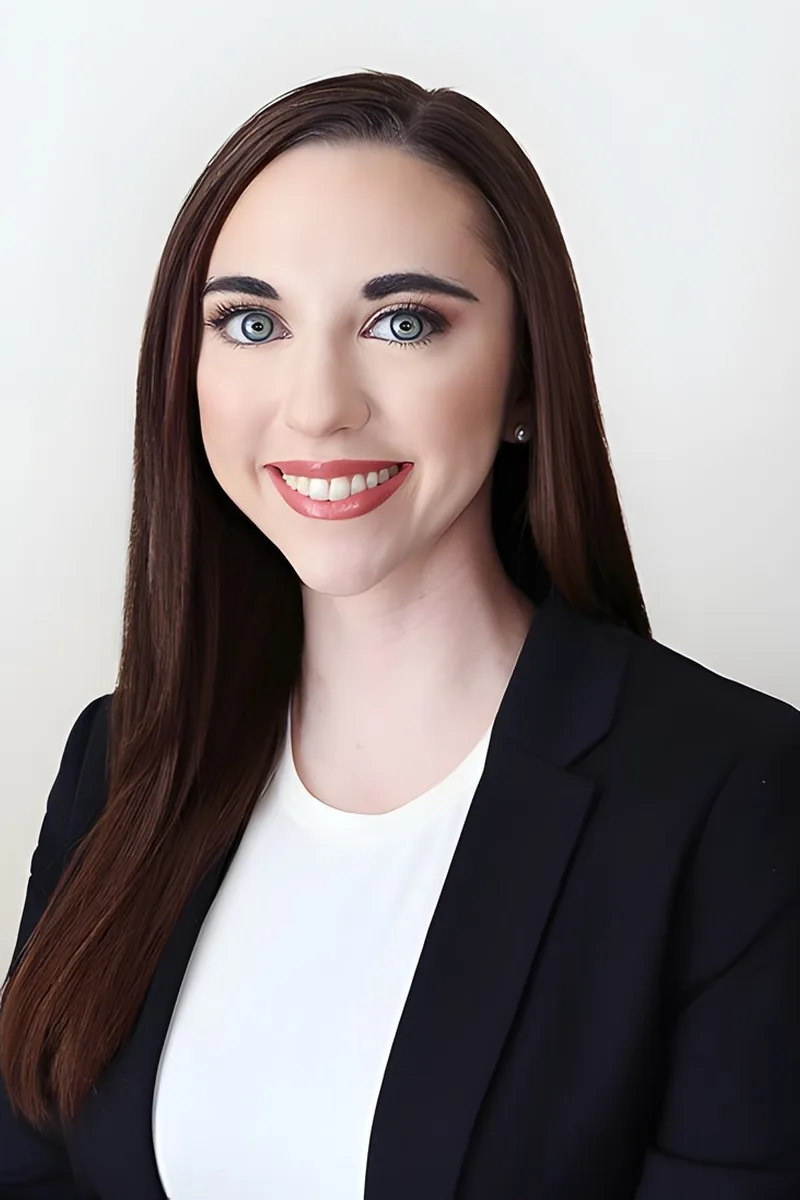
Haley's day job in a public health laboratory gives her hands-on experience with the bacterial cultures, staining techniques, and antimicrobial susceptibility testing that microbiology courses cover in theory. She brings real bench context to topics like gram-negative vs. gram-positive classification, metabolic pathways, and pathogenesis — turning textbook organisms into something tangible. Rated 5.0 by students.
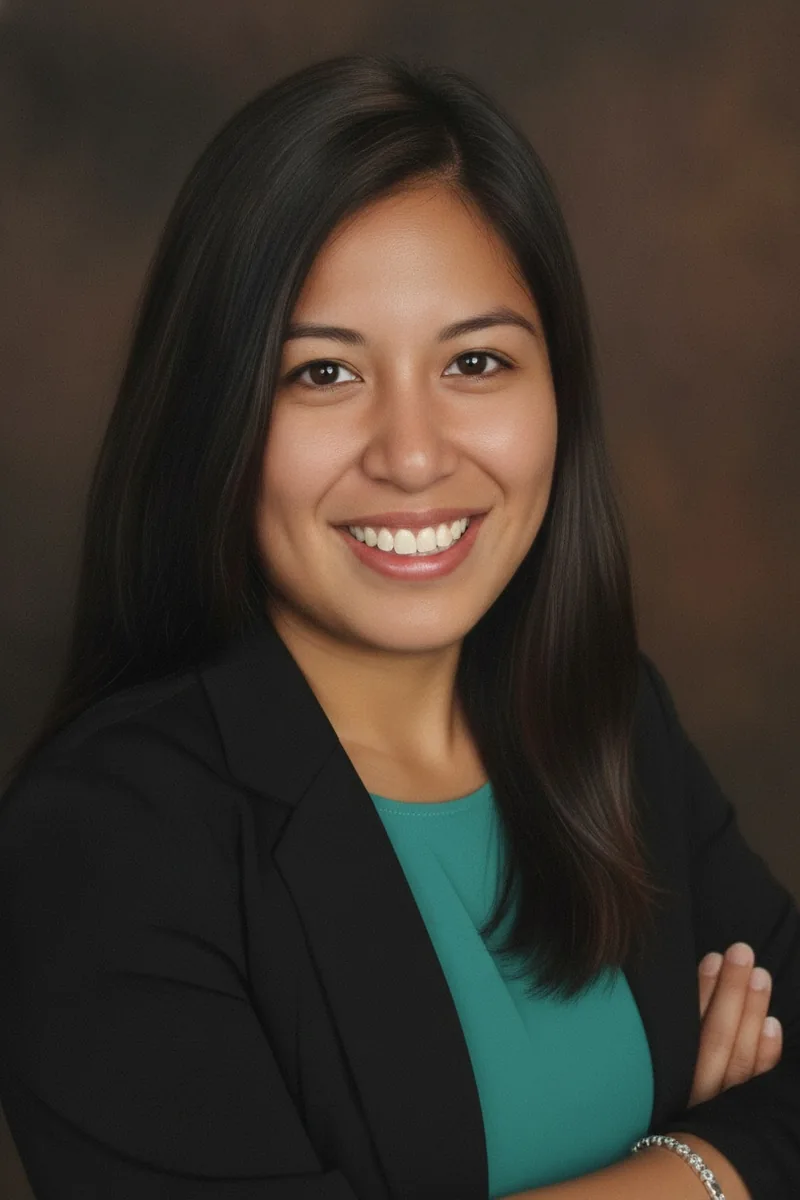
Medical school builds microbiology into nearly every clinical rotation — Robin's training means she's traced how specific pathogens cause disease, how immune responses escalate, and why certain antibiotics target one organism but not another. That clinical context turns dense material like Gram classifications and virulence mechanisms into something students can reason through, because each organism connects to a real disease process. Rated 5.0 by students.
Her global health minor at Cornell meant Emily spent real time studying how pathogens spread, how immune responses work, and why microbial ecology matters beyond the lab. She digs into topics like bacterial cell structure, viral replication cycles, and antimicrobial resistance with the kind of context that makes memorization-heavy material more intuitive.
Between her biology degree and her public health graduate work at UT, Anna has spent years immersed in the microbial world — from bacterial cell structure and Gram staining to viral replication cycles and host-pathogen interactions. She unpacks dense microbiology material by tying pathogens and immune responses to real epidemiological case studies.
Philosophy, Politics and Economics isn't the typical path into microbiology, but Noah's biology coursework gave him enough grounding in cellular processes to break down topics like prokaryotic structure and microbial growth curves for students encountering them for the first time. He takes a methodical, logic-driven approach — the kind his PPE training sharpened — to help untangle classification systems and keep bacterial phyla from blurring together.
Sam's Yale degree in Molecular Biophysics and Biochemistry gave him deep exposure to the cellular and molecular mechanisms that microbiology courses demand — membrane transport, metabolic pathways, bacterial genetics, and immune response. He connects these topics to their biochemical underpinnings, which makes processes like quorum sensing or antibiotic resistance easier to understand at a mechanistic level rather than through rote memorization.
Studying microbiology at the college level means juggling bacterial classification, metabolic pathways, virulence factors, and immune response mechanisms all at once. Kristin earned her biology degree at the University of Chicago and now applies microbiology daily in her nursing graduate program at Penn, where pathogen behavior and infection control are part of clinical reality rather than just textbook diagrams.
Studying biomedical engineering means Cassandra has spent serious time with microbial physiology, from bacterial cell structure and metabolic pathways to how pathogens interact with host immune systems. She teaches microbiology by linking each organism's characteristics to the mechanisms that make it clinically or industrially relevant, turning dense material into a coherent story.
Medical school at Penn's Perelman School of Medicine gave Daniel hands-on exposure to microbiology that goes well beyond a standard textbook — from bacterial virulence factors to antibiotic resistance mechanisms to the clinical presentations they produce. He connects microbial physiology to real infectious disease scenarios, which makes distinguishing gram-positive from gram-negative organisms or understanding viral replication cycles far more intuitive.
Bacterial genetics, microbial metabolism, and pathogenesis mechanisms can feel like an overwhelming amount of detail to absorb at once. Akarsh earned both his bachelor's and master's degrees in cellular and molecular biology, so he unpacks microbiology at the molecular level — connecting gene regulation to virulence factors and metabolic pathways in ways that make the material stick.
Monika's doctoral thesis was in microbiology, so she teaches bacterial physiology, metabolic pathways, and host-pathogen interactions from firsthand research experience. She unpacks dense topics like quorum sensing and biofilm formation by connecting them to the experimental techniques she actually used at the bench.
Environmental science and public policy might seem distant from microbiology, but Ethan's coursework in biology, chemistry, and ecology covered the microbial ecology and nutrient cycling that underpin environmental systems — how soil bacteria drive nitrogen fixation, how waterborne pathogens behave in different conditions, and why microbial communities matter for public health policy. That environmental angle gives him a unique way of explaining concepts like bacterial metabolism and population dynamics, grounding abstract processes in real-world ecological contexts. Holds a 5.0 rating.
Testimonials
Because the right Microbiology tutor makes all the difference.
Average Session Rating – Based on 3.4M Learner Ratings
Other Seattle Tutors
Related Science Tutors in Seattle
Frequently Asked Questions
Microbiology requires understanding microscopic organisms and processes you can't see with the naked eye, which makes visualization challenging. Students often struggle with connecting theoretical concepts—like bacterial metabolism or viral replication—to real-world applications, and balancing chemical equations in microbial processes. Additionally, the sheer volume of terminology and the need to understand both the "why" behind microbial behavior and the "how" of lab techniques can feel overwhelming without structured guidance.
Personalized 1-on-1 instruction allows tutors to break down abstract concepts like cell structures, metabolic pathways, and microbial genetics into digestible pieces tailored to your learning style. Tutors can help you visualize microscopic processes, work through lab calculations, and connect classroom theory to real-world applications in medicine, food safety, and environmental science. This targeted approach builds both content mastery and scientific reasoning skills, which is especially valuable when preparing for exams or tackling challenging lab reports.
Yes. Tutors can help you understand the scientific method as it applies to microbiology labs, explain what you're observing under the microscope, and guide you through data analysis and lab report writing. They can also help you prepare for lab practicals by reviewing staining techniques, culturing procedures, and how to interpret results. This support strengthens both your hands-on skills and your ability to communicate scientific findings clearly.
Not at all—while microbiology does involve learning terminology, the real goal is understanding how and why microorganisms behave the way they do. Effective tutoring focuses on building conceptual understanding: how bacterial cell walls differ from eukaryotic cells and why that matters, how antibiotic resistance develops, or how immune responses target pathogens. When you understand the underlying principles, memorization becomes easier and you can apply that knowledge to new situations on exams and in future science courses.
Varsity Tutors connects you with tutors who have strong backgrounds in microbiology and experience teaching students in Seattle. You can specify your needs—whether you need help with a specific course, exam prep, or lab skills—and get matched with someone who fits your schedule and learning goals. The process is straightforward: share your situation, and you'll be connected with qualified tutors ready to provide personalized instruction.
Your first session is about building a foundation for effective learning. The tutor will assess your current understanding of microbiology concepts, identify specific areas where you're struggling, and learn about your learning style and goals. From there, they'll create a personalized plan that targets your weaknesses—whether that's understanding gram-positive vs. gram-negative bacteria, mastering metabolic pathways, or improving lab technique. This initial conversation ensures your tutoring is focused and productive from day one.
Tutors help you move beyond cramming by building deep understanding of core concepts that appear across different exam topics. They can work through practice problems, explain tricky concepts like horizontal gene transfer or biofilm formation, and help you develop test-taking strategies for both multiple-choice and short-answer questions. With personalized instruction, you'll identify knowledge gaps early and have time to strengthen weak areas before exam day.
Tutors support students across different microbiology courses, from introductory general microbiology to specialized courses like medical microbiology, environmental microbiology, or microbial genetics. Whether you're in high school AP Biology, community college, or a university program, personalized instruction can be tailored to your specific curriculum and course objectives. Tutors can also help with prerequisite topics like chemistry and cell biology that are foundational to microbiology success.
Let’s find your perfect tutor
Answer a few quick questions. We’ll recommend the right plan and match you with a top 5% tutor.