Award-Winning Anatomy Tutors
serving Provo, UT
Anatomy
Tutors in Provo
Private 1-on-1 tutoring, weekly live classes for academic support, test prep & enrichment, practice tests and diagnostics, and more to elevate grades and test scores.
Based on 3.4M Learner Ratings
UniversitiesSchools & Universities
DeliveredHours Delivered
ProficiencyGrowth in Proficiency
Who needs tutoring?
No obligation. Takes ~1 minute.

Rachel's physiology and microbiology tutoring background means she already thinks in body systems — so when she teaches anatomy, she connects each structure to what it actually does, giving students a functional reason to remember names and locations. Her approach works especially well for topics like the muscular system, where understanding how origin and insertion points relate to movement makes the terminology far less arbitrary.
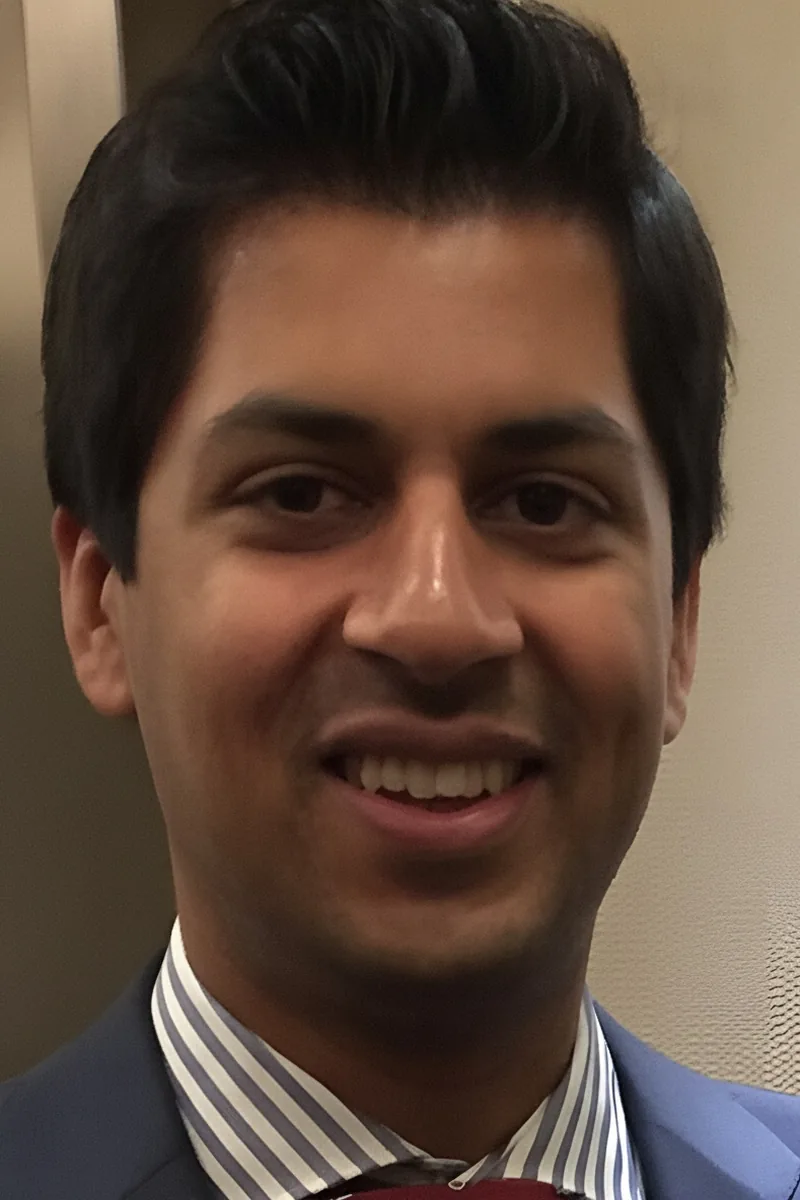
Prateek's medical training at Drexel built on a neuroscience foundation at Johns Hopkins, which means he learned anatomy twice — first as undergraduate neuroanatomy, then as the full-body systems approach required for clinical medicine. That double exposure is especially useful for topics like cranial nerve pathways and CNS structures, where understanding the neuroscience behind the anatomy makes spatial relationships click instead of requiring brute memorization.
I am currently working towards a doctorate in medicine from New Jersey Medical School. Throughout high school, college, and graduate school, I have tutored students ranging in age from elementary school to college freshmen in a variety of subjects particularly math and science. My favorite subject to tutor is math because it is very methodical and visual. Having a passion to help others, I am drawn to tutoring for the opportunity to share my knowledge with others. My family and friends have described me as being patient, compassionate, and personableall of the qualities that I believe I bring to my students. Outside of tutoring, I like Notre Dame football, dogs (especially my family's German Shepherd!), yoga, cooking, and reading.
Memorizing every muscle insertion and nerve pathway in anatomy can feel overwhelming without a framework for organizing the material. Rachelle teaches students to approach structures by functional systems — grouping muscles by movement, tracing blood supply logically — so that recall becomes intuitive rather than brute force. Her disciplined study habits, honed through a philosophy degree and military service, translate directly into efficient anatomy prep.
From brachial plexus branching patterns to the fascial compartments of the lower limb, anatomy rewards spatial thinking and systematic review. Emad has taught anatomy as an adjunct professor and conducted research at Columbia University, so he approaches each region with the precision of someone who has dissected, diagrammed, and clinically applied this material across two medical programs.
Jill's pre-med coursework and biology minor at NYU mean she's worked through the full gauntlet of body systems — cardiovascular, respiratory, nervous — in the kind of detail that introductory anatomy courses demand. Her psychology training also gives her a practical understanding of how to chunk dense material like cranial nerve pathways into smaller, retainable pieces, which is half the battle in a subject where volume is the main obstacle.
Learning anatomy often feels like brute-force memorization of Latin terms, but Garrett reframes it around functional relationships — why the brachial plexus is organized the way it is, or how the arrangement of cardiac valves relates to blood flow direction. He uses spatial reasoning and system-level logic to give each structure a purpose students can recall under exam pressure. His biology background ensures the anatomy always connects back to underlying physiology.
Physical therapy graduate students live in anatomy — Ken's current PT program means he's working with musculoskeletal structures, nerve pathways, and organ systems on a daily basis. That clinical context makes it easier to teach concepts like brachial plexus innervation or joint articulation because he can tie each structure to its real function in the body.
Memorizing every bone, muscle, and nerve pathway in anatomy can feel overwhelming without a framework for why structures are shaped and positioned the way they are. Varuna's biomedical engineering background — where she studied how mechanical forces act on tissues and how devices interface with the body — gives her exactly that framework. She teaches anatomy as a design problem, which makes retention far more intuitive.
Knowing anatomy means building a mental map of the body that holds up under pressure — during practicals, in clinical rotations, and beyond. Alex is entering Washington University's OT doctorate program, where anatomy is foundational to everything from musculoskeletal assessment to neuroanatomy. That upcoming clinical training, combined with a neuroscience background, means Alex teaches structures in the context of function, not just flash-card labels.
Memorizing every muscle origin, insertion, and nerve innervation can feel overwhelming without a framework. Brett tackles anatomy by teaching structures in functional groups — explaining how the brachial plexus organizes upper-limb movement, for instance — so that students build a mental map instead of a disconnected list. His graduate biology training gives him the depth to answer the 'why' behind every structure.
Memorizing the names of 206 bones or every branch of the brachial plexus doesn't stick without a framework for why structures are shaped and positioned the way they are. Albina breaks anatomy down by linking form to function — explaining how the architecture of a joint or the layout of the vasculature serves a specific physiological purpose.
Testimonials
Because the right Anatomy tutor makes all the difference.
Average Session Rating – Based on 3.4M Learner Ratings
Practice Anatomy
Free practice tests, flashcards, and AI tutoring for Anatomy
Nearby Anatomy Tutors
Other Provo Tutors
Related Science Tutors in Provo
Frequently Asked Questions
Anatomy requires more than memorizing bone names and muscle locations—it's about understanding how systems work together. Personalized 1-on-1 instruction helps you connect structures to their functions, visualize how organs interact, and apply concepts to real clinical scenarios. This deeper understanding makes material stick longer and prepares you for exams that test reasoning, not just recall.
Many students struggle with 3D visualization—imagining how muscles attach, how blood flows through chambers, or how nerves branch. Expert tutors use diagrams, models, and spatial reasoning techniques to help you build mental images of complex structures. This visual foundation makes it easier to understand relationships between systems and remember details in context rather than in isolation.
Yes. Tutoring can help you understand what to expect in lab, review structures before dissections, and learn proper identification techniques. Tutors can also help you interpret lab diagrams, understand the purpose of different dissection procedures, and connect what you observe in the lab to lecture concepts—making lab work more meaningful and less overwhelming.
Students often struggle with the sheer volume of terminology, spatial relationships between structures, and understanding why anatomy matters clinically. With Provo's average student-teacher ratio of 19.6:1 in many schools, personalized tutoring fills the gap by giving you focused time to ask questions, work through difficult systems (like the nervous or cardiovascular system), and build confidence in areas where you're falling behind.
Your first session is about understanding your background, identifying specific challenges, and assessing your learning style. Tutors will ask about your current anatomy course, which topics confuse you most, and how you learn best (visual, kinesthetic, or through explanation). This foundation helps them create a personalized plan focused on your biggest gaps and learning goals.
Anatomy exams often require both detailed recall and systems-level thinking. Tutors help you organize information into meaningful patterns, practice identifying structures under time pressure, and connect different systems to understand the "big picture." They can also help you develop study strategies for cumulative material and tackle practice questions strategically rather than passively reviewing notes.
Look for tutors with strong science backgrounds—ideally someone who has taken human anatomy, completed pre-med coursework, or studied health sciences. Beyond credentials, the best tutors can explain complex concepts clearly, use multiple teaching methods (diagrams, analogies, hands-on models), and adapt to your learning style. Varsity Tutors connects you with expert tutors who match your specific needs and course level.
Absolutely. Advanced anatomy topics require both microscopic understanding and developmental context. Tutors can help you interpret histological slides, understand tissue organization, and trace how structures develop from embryonic layers. Personalized instruction is especially valuable for these specialized topics, where you need someone who can explain the "why" behind complex processes.
Let’s find your perfect tutor
Answer a few quick questions. We’ll recommend the right plan and match you with a top 5% tutor.