Award-Winning Japanese Tutors
serving San Antonio, TX
Japanese
Tutors in San Antonio
Private 1-on-1 tutoring, weekly live classes for academic support, test prep & enrichment, practice tests and diagnostics, and more to elevate grades and test scores.
Based on 3.4M Learner Ratings
UniversitiesSchools & Universities
DeliveredHours Delivered
ProficiencyGrowth in Proficiency
Who needs tutoring?
No obligation. Takes ~1 minute.

Emily minored in Japanese at Texas A&M and continues to engage with the language through media and self-study. She teaches hiragana, katakana, and foundational grammar patterns like particle usage with the same structured approach she applies to her other languages, making the writing systems feel systematic rather than overwhelming.
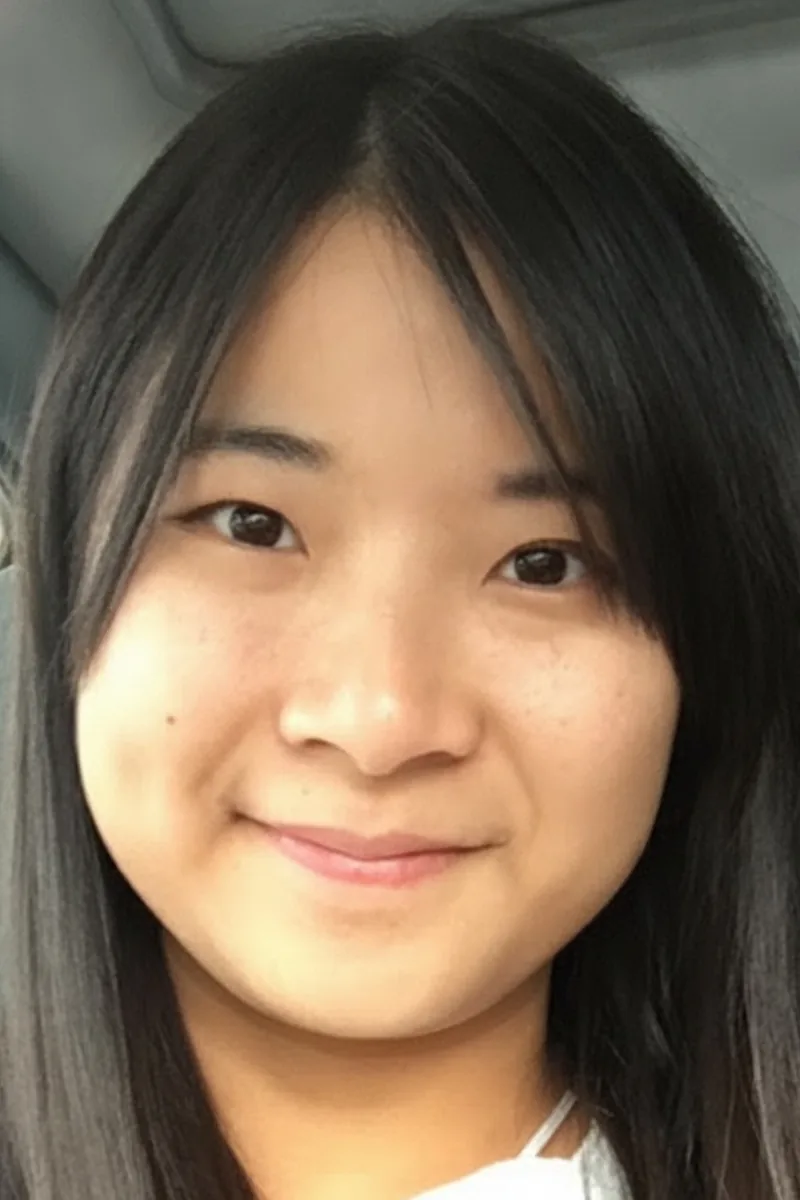
I am also fluent (reading/listening/writing) in Cantonese and mandarin Chinese because of my upbringing. Half of my childhood education was received in Hong Kong and the other half was in Australia.
Triple-majoring in Japanese, linguistics, and computer science at UMass Amherst, Connor brings both fluency and analytical rigor to teaching the language. He unpacks grammar patterns like particle usage and verb conjugation groups by connecting them to the underlying logic of how Japanese sentences are built — making new structures easier to internalize and recall.
Earning a full bachelor's degree in Japanese — not just a minor or a few semesters — means Jina can teach well beyond survival phrases into kanji readings, grammar particles like は vs. が, and the nuances of keigo (formal speech). She brings the same analytical rigor from her science training to breaking down sentence structure and verb conjugation patterns.
Damien studied Asian studies at Cornell, where Japanese language and culture were central to his coursework. He approaches the language by grounding grammar patterns — particles like は versus が, verb conjugation groups, and sentence-ending forms — in real context so they stick. Rated 5.0 by students, he makes the jump from textbook exercises to actual comprehension feel manageable.
As a native Japanese speaker with over fifty years of fluency in reading, writing, and conversation, Hatsuki teaches the language the way it's actually used — from particle usage and keigo (honorific speech) to the nuances between hiragana, katakana, and kanji in everyday contexts. She currently lives in the U.S. with her family, giving her a natural understanding of where English speakers stumble with Japanese grammar and pronunciation.
Having taught himself Japanese alongside his formal studies in public policy and education, James knows firsthand where English speakers get tripped up — especially with particles, basic verb conjugation, and the leap from hiragana to katakana. His education background means he's trained to spot where understanding breaks down and adjust his explanations on the fly, which is exactly what beginners need when nothing about Japanese grammar maps onto what they already know.
Darin brings an analytical learner's perspective to Japanese, tackling the language's grammar patterns and writing systems with the same systematic approach he applied to his scientific training. For students working through hiragana, katakana, kanji recognition, or verb conjugation, he offers structured methods that make consistent progress feel achievable.
I am open to tutoring in a broad range of subjects, including Algebra, Spanish I/II, ESL and Biology (SAT II, AP, and MCAT).
Having majored in Japanese at SUNY Albany, James doesn't just know the language — he understands the grammar architecturally, from particle usage and verb conjugation tiers to the nuances of honorific speech. He teaches reading and writing through cultural context, connecting kanji compounds to their historical roots so students retain them long-term rather than cramming and forgetting. Rated 4.9 by students.
Zhaleh is actively studying Japanese at Carnegie Mellon University, which means she's navigating the same kanji memorization strategies, grammar particle distinctions, and reading comprehension challenges her students face. She breaks down tricky structures like て-form conjugations and は vs. が usage in ways that make the logic behind the language click.
Growing up attending the Japanese Weekend School of New Jersey while enrolled in American public schools, Hidefusa developed native-level fluency in both languages and a deep understanding of where English speakers stumble with Japanese. He teaches everything from hiragana and katakana basics to kanji recognition, particle usage, and keigo (formal speech) — drawing on the bilingual instincts of someone who has lived in both linguistic worlds.
Learning Japanese means juggling three writing systems, unfamiliar sentence structures, and particles that don't map neatly onto English — Rex tackles each layer separately so students can build real reading and conversational ability. His communication design background also gives him a unique perspective on how visual layout and typography work in Japanese media, which keeps lessons engaging and culturally grounded.
I'm a candidate for a B.S. in Business Administration at Northeastern University. In addition to tutoring, I enjoy playing the tuba and learning about transportation engineering/planning. I'm also fully Japanese and can read, write, and speak the language. As someone who scored 1530 on the SAT and 800 on the Math II subject test, I'd love to assist you in preparing for college!
Testimonials
Because the right Japanese tutor makes all the difference.
Average Session Rating – Based on 3.4M Learner Ratings
Nearby Japanese Tutors
Other San Antonio Tutors
Related Languages Tutors in San Antonio
Frequently Asked Questions
Your first session is an opportunity for a tutor to understand your current level, learning goals, and preferred pace. Whether you're starting from scratch or working to improve conversational fluency, the tutor will assess your strengths in reading, writing, speaking, and listening, then create a personalized plan tailored to your needs. This foundation ensures every session after builds on what works best for you.
In a typical classroom with San Antonio's average student-teacher ratio of 14.5:1, students get limited time to actually speak Japanese. Personalized 1-on-1 instruction gives you dedicated conversation practice every session—a tutor can correct your pronunciation in real time, help you think through complex sentences, and adjust the difficulty to keep you challenged but not overwhelmed. This consistent speaking practice is one of the fastest ways to build confidence and fluency.
The best approach combines both. Understanding grammar rules gives you a framework for constructing sentences correctly, while natural usage—hearing how native speakers actually speak and practicing in realistic contexts—helps you internalize patterns and develop authentic fluency. A tutor can balance these approaches, teaching you the 'why' behind grammar while also building your ear for how Japanese sounds and flows in real conversation.
Japanese verbs conjugate based on tense, politeness level, and sentence structure in ways that don't map directly to English, making them one of the trickiest parts of the language. A tutor breaks this down into manageable patterns, uses repeated practice with spaced repetition to cement them in your memory, and shows you how conjugations work in real sentences rather than just isolated drills. Over time, these patterns become automatic.
Vocabulary sticks when you encounter it multiple times in different contexts—reading it, hearing it, speaking it, and writing it. A tutor can integrate new words into conversation practice, use them in example sentences, and revisit them strategically over time rather than cramming. This approach, called spaced repetition, is backed by learning science and works far better than memorizing lists.
Absolutely. Understanding cultural context—like when to use formal versus casual speech, the significance of honorifics, or how politeness is embedded in the language—helps you use Japanese appropriately and remember it better. A tutor can weave cultural insights into lessons, explaining not just what to say but why and when to say it, which deepens both your language skills and your appreciation for the culture.
Yes—this is one of the biggest advantages of working with a tutor one-on-one. A tutor can hear exactly where your pronunciation differs from native Japanese, correct it immediately, and help you practice the specific sounds and pitch patterns that are tricky for English speakers. Regular feedback and targeted practice build muscle memory for correct pronunciation much faster than self-study.
Fluency depends on your starting point and how much you practice. According to language learning research, reaching professional proficiency in Japanese typically requires around 2,200 hours of study—but with consistent personalized tutoring combined with your own practice, you can accelerate progress and reach conversational fluency much sooner. A tutor can help you set realistic milestones and track your progress toward your specific goals.
Let’s find your perfect tutor
Answer a few quick questions. We’ll recommend the right plan and match you with a top 5% tutor.