Award-Winning Japanese Tutors
serving McAllen, TX
Japanese
Tutors in McAllen
Private 1-on-1 tutoring, weekly live classes for academic support, test prep & enrichment, practice tests and diagnostics, and more to elevate grades and test scores.
Based on 3.4M Learner Ratings
UniversitiesSchools & Universities
DeliveredHours Delivered
ProficiencyGrowth in Proficiency
Who needs tutoring?
No obligation. Takes ~1 minute.

Emily minored in Japanese at Texas A&M and continues to engage with the language through media and self-study. She teaches hiragana, katakana, and foundational grammar patterns like particle usage with the same structured approach she applies to her other languages, making the writing systems feel systematic rather than overwhelming.
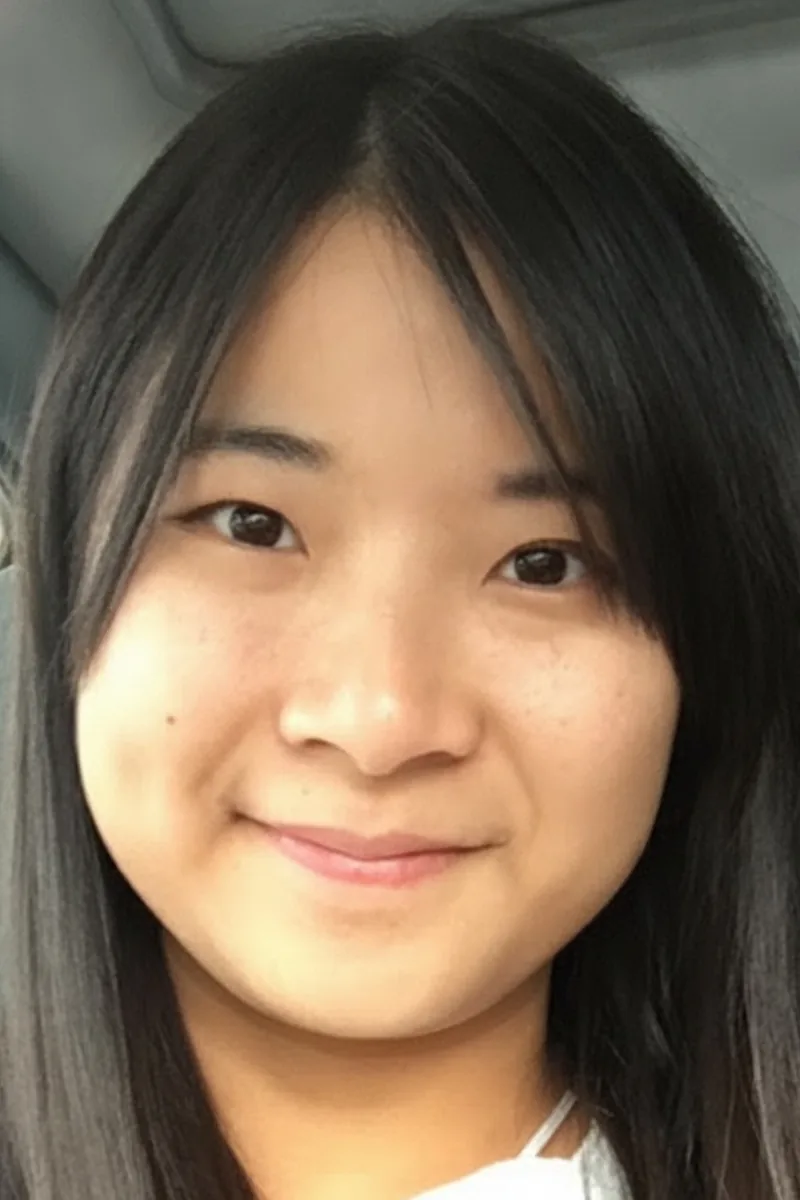
I am also fluent (reading/listening/writing) in Cantonese and mandarin Chinese because of my upbringing. Half of my childhood education was received in Hong Kong and the other half was in Australia.
Having completed an Asian Languages minor at UCLA, Abrahim brings formal training in Japanese grammar, kanji acquisition, and reading comprehension to his tutoring. He approaches the language methodically — building from particle usage and verb conjugation patterns up to reading authentic texts — which works especially well for students who want structure rather than immersion-only learning.
As a dedicated language tutor with several years of experience, I bring both expertise and enthusiasm to every lesson. I specialize in Chinese, Japanese, and basic Arabic, and I have had the privilege of guiding students of diverse ages and backgrounds through their language-learning journeys.
Darin brings an analytical learner's perspective to Japanese, tackling the language's grammar patterns and writing systems with the same systematic approach he applied to his scientific training. For students working through hiragana, katakana, kanji recognition, or verb conjugation, he offers structured methods that make consistent progress feel achievable.
Zhaleh is actively studying Japanese at Carnegie Mellon University, which means she's navigating the same kanji memorization strategies, grammar particle distinctions, and reading comprehension challenges her students face. She breaks down tricky structures like て-form conjugations and は vs. が usage in ways that make the logic behind the language click.
Having prepared for and taken the SAT Subject Test in Japanese with Listening, Dylan brings practical fluency in grammar structures like particle usage, verb conjugation groups, and honorific registers. He tackles reading comprehension by teaching students to decode kanji compounds in context rather than relying purely on rote memorization. Rated 5.0 by students.
Crystal minored in Japanese Language and Culture at Northern Kentucky University, so she brings both formal study and genuine cultural curiosity to teaching everything from kana writing to grammar fundamentals. Her day job as a K-12 reading and ESL instructor means she's trained to break down unfamiliar language structures for learners at any level — a skill that pays off when explaining Japanese concepts like sentence-final particles or basic verb tenses that have no English equivalent. Rated 5.0 by students.
Shona's semester abroad in Seville proved that immersion reshapes how you learn any language — a lesson she carries into teaching Japanese, where she emphasizes building comfort with sentence patterns and particles through active use rather than translation drills. Her AP Japanese Language and Culture tutoring draws on both her structured math-trained thinking and her own experience navigating a second language in real-world settings. Rated 4.9 by students.
Mechanical engineering at the University of Dayton doesn't obviously connect to Japanese, but Nicholas's systematic problem-solving mindset lends itself well to breaking down kanji radicals, verb conjugation groups, and particle logic into repeatable patterns. He's also genuinely social and talkative — a trait that matters more than you'd think when practicing conversational Japanese, where comfort with speaking aloud is half the battle.
I am motivated in addressing the disparities in educational equity here in the Twin Cities, particularly for students of color and students of differing socio-economic backgrounds. I work to build strong relationships with students to determine the strengths and knowledge they bring to the table.
Holding a degree in Japanese Studies, Andrew brings deep familiarity with not just hiragana, katakana, and kanji but also the cultural context that shapes how the language actually works — keigo politeness levels, sentence-ending particles, and the logic behind counter words. He connects grammar patterns to real conversation so students internalize structures instead of just drilling flashcards.
During his final summer at NYU, William traveled to Japan to study the language alongside traditional music and wartime film, grounding his Japanese in real cultural context. That immersive experience means he connects vocabulary and grammar to the situations where they're actually used — from reading signs and menus to discussing historical texts. He's especially strong at bridging the gap between textbook Japanese and how the language sounds in practice.
Learning Japanese means juggling three writing systems, unfamiliar grammar structures, and a set of politeness registers that don't exist in English. Katharine brings a methodical, pattern-oriented mindset to breaking down concepts like particle usage, verb conjugation groups, and kanji radicals so that each lesson builds logically on the last.
Testimonials
Because the right Japanese tutor makes all the difference.
Average Session Rating – Based on 3.4M Learner Ratings
Nearby Japanese Tutors
Other McAllen Tutors
Related Languages Tutors in McAllen
Frequently Asked Questions
Fluency depends on your starting point and goals. The U.S. Foreign Service Institute estimates approximately 2,200 hours of study to reach professional proficiency in Japanese—significantly longer than Romance languages due to the writing systems (hiragana, katakana, and kanji). With personalized 1-on-1 instruction, you'll progress faster than classroom learning because tutors can focus on your specific weak areas, whether that's kanji recognition, conversational speed, or grammar patterns. Most students see meaningful conversational ability within 6-12 months of consistent study.
In a typical classroom setting, students get limited speaking time—especially in a class of 20+ students. With personalized instruction, you get dedicated speaking practice every session, which is essential for developing natural pronunciation, rhythm, and confidence. Tutors can correct your accent and grammar in real-time, adjust the conversation difficulty to match your level, and focus on the specific phrases and situations you actually need. This direct feedback loop accelerates your ability to think and respond in Japanese rather than just memorizing textbook phrases.
Kanji mastery requires spaced repetition and active recall—seeing a character once isn't enough. Effective tutors use proven techniques like retrieval practice (testing yourself repeatedly over time) and contextual learning (learning kanji within real sentences and stories rather than isolated lists). They'll also help you understand the radicals and stroke patterns that make kanji less random and more memorable. A personalized approach means your tutor can identify which characters you struggle with and create targeted review schedules, rather than forcing you through a generic curriculum.
Japanese grammar rules (like verb conjugation, particles, and sentence structure) are easier to internalize when learned through natural conversation and real examples rather than isolated drills. Expert tutors balance grammar instruction with immersion-style practice—explaining why particles like は, を, and に work the way they do, then immediately using them in dialogue. This approach helps you develop intuition for correct usage instead of just memorizing conjugation charts. Over time, proper grammar becomes automatic rather than something you have to consciously think about.
Yes, and it's essential for real fluency. Language and culture are inseparable—understanding Japanese honorifics (keigo), appropriate formality levels, and cultural references makes your speech natural and respectful. Tutors can explain why certain phrases are used in specific contexts, teach you about Japanese customs that affect communication, and help you avoid common mistakes that English speakers make. This cultural competency is especially valuable if you're learning Japanese for travel, work, or connecting with Japanese media and communities.
Varsity Tutors connects you with expert tutors who specialize in Japanese instruction and understand the challenges students in McAllen face. You'll be matched based on your proficiency level (beginner, intermediate, advanced), your specific goals (conversational fluency, exam prep, business Japanese), and your learning style. Tutors bring real expertise in all four language skills—reading, writing, speaking, and listening—and can personalize lessons to fit your schedule and pace.
Your first session is an assessment and goal-setting conversation. The tutor will evaluate your current level across reading, writing, speaking, and listening; understand what you want to achieve (casual conversation, JLPT exam prep, business communication); and identify your biggest challenges. From there, they'll create a personalized learning plan that builds on your strengths and targets your weak areas. This foundation ensures every future session is focused and productive.
Absolutely. The Japanese Language Proficiency Test (JLPT) has five levels (N5 to N1), and expert tutors are familiar with the specific vocabulary, grammar patterns, and test format for each level. They can create a targeted study plan, teach you test-taking strategies, and provide practice with actual exam questions. Personalized instruction is especially valuable for JLPT prep because tutors can focus on the exact areas where you're weakest rather than generic test prep materials.
Let’s find your perfect tutor
Answer a few quick questions. We’ll recommend the right plan and match you with a top 5% tutor.