Award-Winning Japanese Tutors
serving Frisco, TX
Japanese
Tutors in Frisco
Private 1-on-1 tutoring, weekly live classes for academic support, test prep & enrichment, practice tests and diagnostics, and more to elevate grades and test scores.
Based on 3.4M Learner Ratings
UniversitiesSchools & Universities
DeliveredHours Delivered
ProficiencyGrowth in Proficiency
Who needs tutoring?
No obligation. Takes ~1 minute.

Emily minored in Japanese at Texas A&M and continues to engage with the language through media and self-study. She teaches hiragana, katakana, and foundational grammar patterns like particle usage with the same structured approach she applies to her other languages, making the writing systems feel systematic rather than overwhelming.
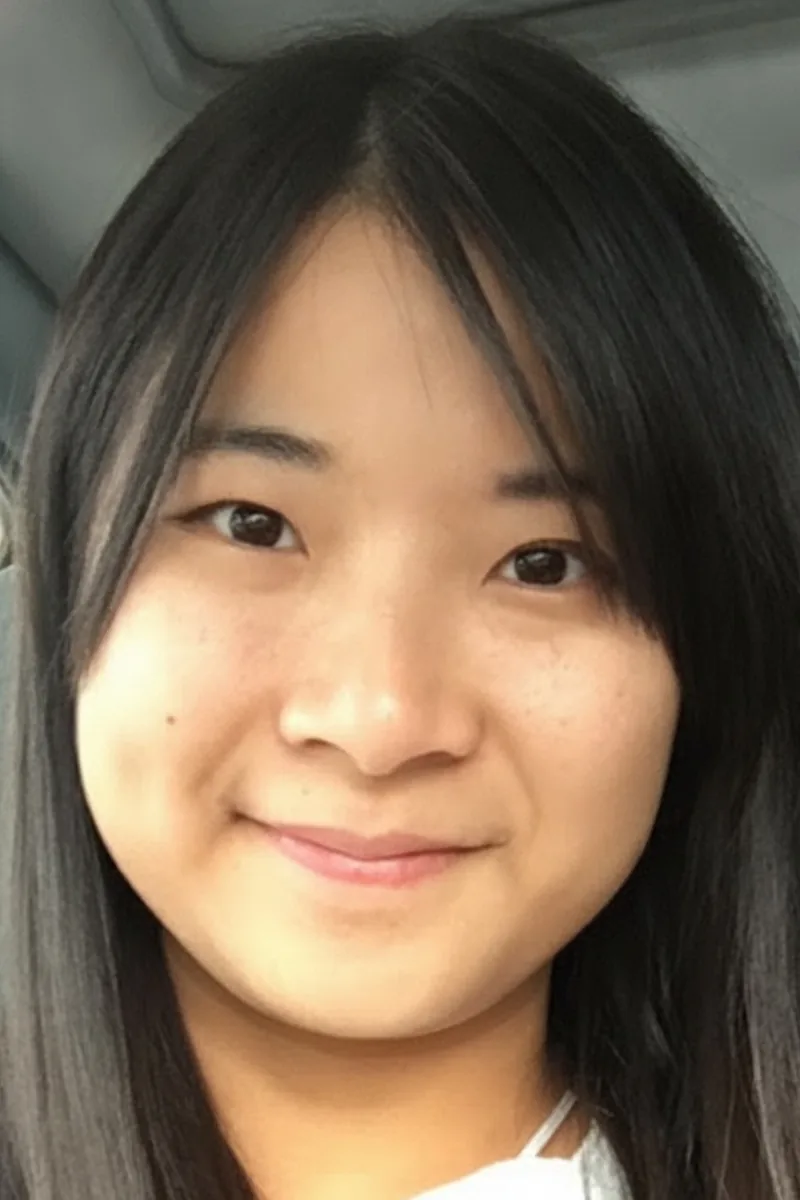
I am also fluent (reading/listening/writing) in Cantonese and mandarin Chinese because of my upbringing. Half of my childhood education was received in Hong Kong and the other half was in Australia.
I'm a candidate for a B.S. in Business Administration at Northeastern University. In addition to tutoring, I enjoy playing the tuba and learning about transportation engineering/planning. I'm also fully Japanese and can read, write, and speak the language. As someone who scored 1530 on the SAT and 800 on the Math II subject test, I'd love to assist you in preparing for college!
Learning Japanese means juggling three writing systems, unfamiliar sentence structures, and layers of politeness that don't exist in English. Aki breaks down hiragana, katakana, and basic kanji recognition alongside grammar patterns like particle usage and verb conjugation, building reading and conversational skills in parallel.
As an Asian Studies major at Duke, Caitlin engages with Japanese language in an academic context that goes beyond textbook dialogues — she understands how kanji, hiragana, and katakana each function within the writing system and why particles like は and が trip up English speakers. She walks through sentence structure and honorific levels with cultural context that makes the grammar patterns memorable.
A drama degree might not scream Japanese fluency, but John's literary work — he's a section editor for the Los Angeles Review of Books and literary manager for two theater companies — means he's deeply attuned to how language shapes meaning, tone, and register. That sensitivity to nuance transfers directly to navigating Japanese's layered politeness levels and context-dependent sentence endings. Rated 5.0 by students.
Hi! It's Wataru. I am originally from Japan and have been living in New York since 2000. I had a career as an industrial newspaper pressman/editor in Tokyo so that I know newspaper level strict grammar and manner of business speech. I watch anime and I can talk about Japanese subculture with you if you like. I have been teaching Japanese language in person and online. I have taught from beginners to JLPT N3 certificate prep students. I've taught American, Canadian, English, Indian, German, Australian, Mexican, and so on. Teaching is one of my way to feel the joy of supporting people. I'll help you master the language and dive into Japanese culture and subculture. Once you start to think in Japanese, you will notice that your way of communication changes. English is good for business, law, and science while Japanese is more about sharing feelings. The waiters in Japan may be reluctant to serve your table, but my students prepare well to make them feel at ease and they have fantastic travel in Japan.
Briana minored in Japanese at Michigan State, giving her a grounded understanding of the language's grammar patterns, particle usage, and writing systems — hiragana, katakana, and introductory kanji. She approaches Japanese as someone who learned it systematically in an academic setting, which means she can explain the "why" behind structures that often confuse English speakers.
I am particularly passionate about math as well as standardized test prep. I studied math on a double-accelerated track throughout middle school and high school, covering math from algebra to multivariable calculus. Aside from teaching academic subjects, I am also trained in playing the piano and violin, having taken lessons for piano from the ages of 4 to 18 and playing violin in my school orchestra from 5th to 12th grade. I love working with students to improve their skills in an area of study, and my favorite part is getting to see them gain confidence in themselves and their own abilities!
Earning a full bachelor's degree in Japanese — not just a minor or a few semesters — means Jina can teach well beyond survival phrases into kanji readings, grammar particles like は vs. が, and the nuances of keigo (formal speech). She brings the same analytical rigor from her science training to breaking down sentence structure and verb conjugation patterns.
A PhD in linguistics means Lewis doesn't just know languages — he understands how they work structurally, which is exactly what you need when Japanese throws you grammar that has zero English parallels. He applies that analytical framework to breaking down sentence-final particles, SOV word order, and the logic behind verb conjugation so the patterns become predictable rather than random. His experience teaching ESL/ELL also means he's practiced at bridging the gap between how English and non-European languages organize meaning.
Jacob's degree in East Asian Languages and Civilizations from the University of Chicago means his Japanese instruction is rooted in deep study of the culture, history, and linguistic traditions behind the language. He connects vocabulary and grammar to their cultural logic — explaining why certain verb endings carry social weight or how kanji compounds reflect Chinese origins — giving students a richer understanding than drills alone provide. Rated 5.0 by students.
I am currently finishing my thesis. For the past two years I was an adjunct instructor at The City College of New York, teaching statistics and introductory neuroscience, where I learned the importance of communicating complicated concepts clearly at an individualized level. All of my classes performed above average, and I discovered how satisfying it is to help people understand difficult ideas. I've found that by creating a good rapport with my students I am able to more effectively impart difficult concepts to them while causing them less stress. My passion is people, which first led me to study psychology, leading to my work in statistics, and later into teaching.
I am a great tutor because not only are my fundamental verbal and quantitative skills strong, but I am able to communicate my reasoning and problem solving skills quickly and clearly.
Testimonials
Because the right Japanese tutor makes all the difference.
Average Session Rating – Based on 3.4M Learner Ratings
Nearby Japanese Tutors
Other Frisco Tutors
Related Languages Tutors in Frisco
Frequently Asked Questions
Varsity Tutors matches Frisco students with expert Japanese tutors for 1-on-1 instruction. We pair each student with a tutor based on their specific needs, learning style, and goals.
Whether you need homework help, exam prep, or want to get ahead, our Japanese tutors are ready to help.
Common challenges include gaps from earlier material, difficulty with specific concepts, and trouble applying learning to new problems. These issues can snowball quickly in Japanese.
A tutor identifies where you're stuck, fills in gaps, and provides targeted practice. The 1-on-1 format means you get help exactly where you need it.
Tutors work with your student's actual coursework—homework assignments, class notes, and upcoming tests. This keeps tutoring directly relevant to what's happening in the classroom.
When you share information about your student's school and curriculum, we can match you with a tutor who has relevant experience.
All tutors complete background checks, credential verification, and teaching evaluation. Many of our Japanese tutors hold advanced degrees or have years of teaching experience.
You can review tutor profiles to find someone with the right background for your student's level and needs.
Many students see improved grades within a few weeks, along with better understanding of Japanese concepts and more confidence tackling challenging material.
Tutors track progress and adjust their approach to ensure continued improvement.
Most students benefit from 1-2 sessions per week. More frequent sessions help if your student is significantly behind or has an important exam coming up.
Your tutor can recommend a schedule based on your student's specific situation and goals.
Tutoring is purchased in packages of hours, with rates varying by tutor experience. Varsity Tutors offers several options to fit different budgets and needs.
You can discuss pricing during your consultation to find what works best.
Your tutor will assess where your student is, discuss goals, and start working on priority areas. Most students bring current homework or upcoming test material to focus on.
By the end, you'll have a clear sense of how the tutor can help and a plan for moving forward.
Let’s find your perfect tutor
Answer a few quick questions. We’ll recommend the right plan and match you with a top 5% tutor.