Award-Winning Elementary School Reading Tutors
serving San Antonio, TX
Elementary School Reading
Tutors in San Antonio
Private 1-on-1 tutoring, weekly live classes for academic support, test prep & enrichment, practice tests and diagnostics, and more to elevate grades and test scores.
Based on 3.4M Learner Ratings
UniversitiesSchools & Universities
DeliveredHours Delivered
ProficiencyGrowth in Proficiency
Who needs tutoring?
No obligation. Takes ~1 minute.
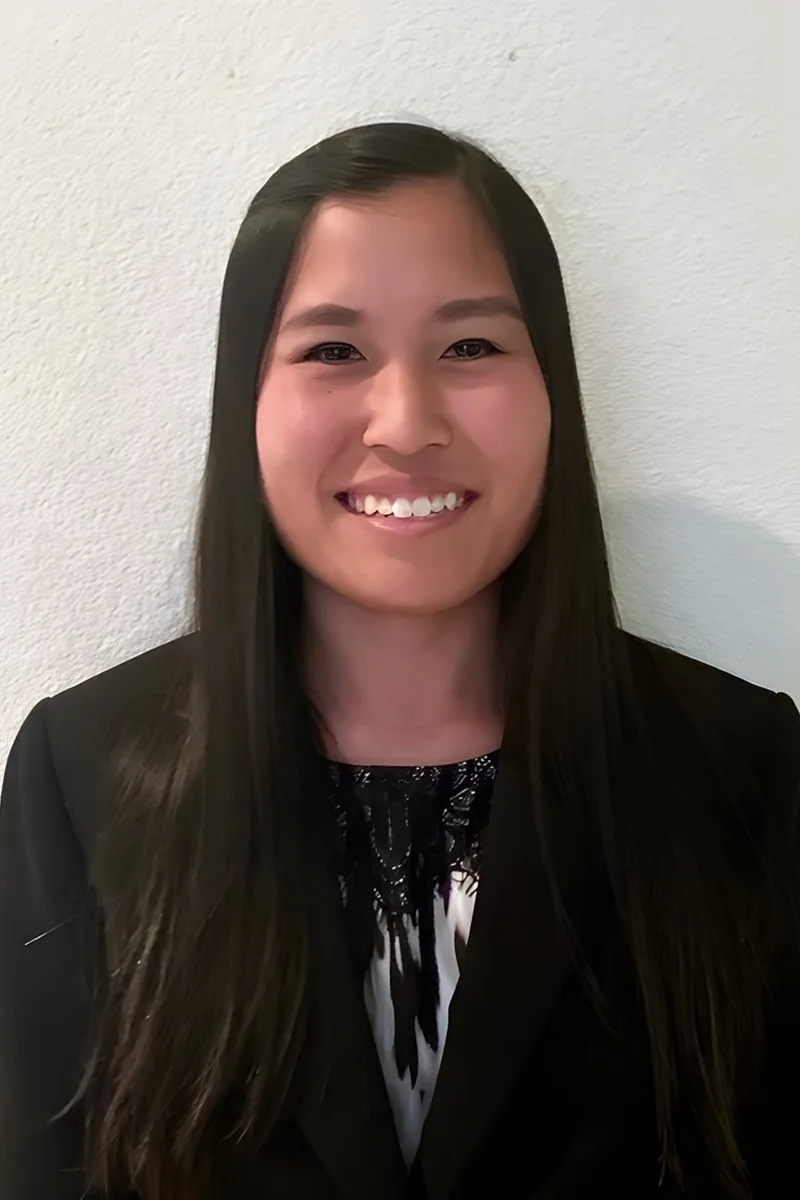
Reading clicks for young learners when someone meets their curiosity with the right level of challenge. Jasmine's daily work speaking to elementary school children through the American Heart Association has given her a sharp sense of how kids at different ages process information and build vocabulary. She uses that instinct to pick apart phonics patterns, build comprehension strategies, and make reading feel like discovery rather than homework.

Early reading clicks when a child connects decoding skills to actual meaning — sounding out a word and then understanding what just happened in the story. Lianna's hands-on experience with elementary students in an after-school program means she knows how to keep young readers engaged through picture walks, prediction questions, and vocabulary games that make comprehension feel natural rather than forced.
Early reading skills like phonics, fluency, and basic comprehension set the trajectory for everything that comes after in school. Sugi's cognitive science degree from Rice included extensive study of how the brain acquires language, giving her practical insight into why some students struggle with decoding or retention — and what specific techniques actually move them forward.
Phonics, sight words, fluency, comprehension — early reading involves a lot of moving parts, and every child hits different sticking points. Mackenzie identifies where a young reader is getting tripped up and tailors each session around that specific skill, whether it's decoding multisyllable words or retelling a story in sequence.
Early reading skills — phonics, sight words, fluency, basic comprehension — build on each other in a specific sequence, and a student who's shaky on one step will struggle with the next. Meagen pairs her love of books with structured practice, choosing engaging texts at the right level and asking questions that build a young reader's ability to predict, summarize, and connect with what they're reading.
Early reading is all about building the habits that make harder texts possible later — things like identifying the main idea of a passage, making predictions, and understanding new vocabulary from context clues. Paul keeps sessions interactive and encouraging, so young readers stay engaged rather than frustrated when a text gets challenging.
Early reading clicks when a child connects decoding skills to actual meaning — sounding out a word and then understanding what it contributes to the story. Aditi has tutored elementary students in English and approaches reading through a mix of phonics reinforcement, sight word practice, and guided questions that build genuine comprehension rather than just fluency on the page.
Early reading is as much about building confidence as it is about decoding words on a page. Adam connects phonics, sight words, and reading fluency to comprehension from the start, so students understand what they're reading — not just sounding it out. His cognitive science background gives him a unique understanding of how young brains learn to process language.
Phonics, sight words, and early chapter books each demand a different kind of support, and Jessy tailors her approach to wherever a young reader currently is in that progression. Her background in both science and the arts means she pulls from a wide range of texts to find what actually sparks a child's curiosity — which is usually what gets reading to click.
Early readers need to build both decoding skills and genuine curiosity about stories, and Jennifer tackles both by pairing phonics and sight-word practice with engaging read-alouds that spark conversation. Her previous experience at Kumon gave her a structured approach to tracking each child's progress through leveled reading milestones.
One of Emily's proudest moments was teaching an elementary student to fall in love with classical literature — proof that young readers can tackle challenging material when someone walks them through it with enthusiasm. She builds phonics, fluency, and comprehension skills by pairing structured practice with texts that genuinely interest each child. A year spent at a private academy for students with learning differences sharpened her ability to adapt her approach for every reading level.
Getting young readers excited about books matters just as much as building their decoding and fluency skills. Madeline pairs phonics and sight-word practice with read-aloud sessions that build vocabulary naturally, drawing on her own love of reading and her Secondary Education training at Texas A&M. She's patient with early readers and knows how to match books to a child's interest level.
Natalie's experience tutoring English language learners — from refugee high schoolers to adults — gave her practical strategies for building reading fluency and comprehension at every level. She zeroes in on skills like identifying main ideas, making predictions, and using context clues to decode unfamiliar vocabulary. For younger readers, she connects these skills to stories and topics kids actually find interesting, which keeps practice sessions from feeling like a chore.
Building early reading confidence is all about the right mix of phonics, vocabulary, and genuine enthusiasm for stories. Theresa brings a structured yet warm approach — breaking down word patterns and reading strategies into bite-sized pieces that young learners can practice independently. Her 5.0 rating speaks to how well she connects with kids at this foundational stage.
Early readers need someone who can spot whether a stumble comes from decoding, fluency, or comprehension — three very different problems that require different fixes. Madison spent years on an ESL campus working with students at every stage of reading development, giving her a practical toolkit for building sight word recognition, blending sounds, and making meaning from simple texts.
Decoding words is only half the challenge — the other half is making meaning from them. Samantha teaches elementary readers to use context clues, make predictions, and retell stories in their own words, building the comprehension habits that carry through every grade after. Her background studying how the brain processes learning at Princeton gives her a practical understanding of how reading skills actually develop.
Young readers build confidence when they can decode a tricky word on their own or predict what happens next in a story. Toni, a college English professor with a master's in English, brings that same discovery-driven approach down to the elementary level — working through phonics patterns, sight words, and reading comprehension strategies that make kids feel like real readers.
Early reading clicks when a child can connect phonics and decoding skills to actual meaning — not just sounding out words but understanding what a passage is saying. Jessalyn's background in close textual analysis, honed through years of graduate-level teaching at UT Austin, translates surprisingly well to building comprehension strategies with younger readers.
Early reading confidence comes from connecting phonics, vocabulary, and comprehension in a way that feels natural rather than forced. Mariane tackles each of these skills individually — decoding unfamiliar words, asking prediction questions mid-story, building sight-word fluency — so young readers develop real independence. Her bilingual background also gives her insight into how kids process language differently.
Phonics and decoding are only part of the picture — elementary readers also need to build fluency, expand vocabulary in context, and start making inferences about what they read. Joyce's EC–6 certification and English degree mean she can pinpoint whether a struggling reader needs work on sound-letter relationships, sight word automaticity, or comprehension strategies, then tailor sessions accordingly.
Decoding, fluency, and comprehension develop on different timelines, and a child who reads aloud beautifully might still struggle to recall what a passage actually said. JeKaya's Pre-K through 5th grade classroom experience means she can pinpoint exactly which reading skill needs attention and tailor her approach — whether that's phonemic awareness drills for early readers or guided questioning for students tackling chapter books.
Getting a young reader to move from decoding words to actually understanding a story takes patience and the right questions. Nathan uses read-aloud techniques and targeted comprehension checks — predicting what happens next, identifying main characters' motivations — to build the kind of active reading habits that stick. His 5.0 rating speaks to how well he connects with younger learners.
Early reading skills like phonics, sight words, and basic comprehension don't develop on a single timeline — some kids need more time with decoding while others are ready to tackle story elements. Onjheney tailors each session to where a child actually is, using engaging texts to build fluency and vocabulary together. Her background in social work means she's trained to be patient, observant, and responsive to how a young learner is feeling in the moment.
Before medical school, Hanna spent a year as an America Reads tutor in a NYC public school, sitting beside 3rd graders and breaking down reading comprehension one passage at a time. That experience taught her how to pinpoint whether a student is struggling with decoding, vocabulary, or making inferences — and how to address each gap differently.
Young readers build confidence when someone shows them how stories actually work — why a character makes a choice, what clues the pictures give, how to sound out an unfamiliar word without shutting down. Leah has taught across every level from elementary through university and brings that same patience and structure to phonics, fluency, and early comprehension skills.
Kathleen spent a full year as a K-2 literacy tutor with A Community for Education and then taught kindergarten at IDEA Public Schools, so she's seen firsthand how young readers develop fluency. She connects phonemic awareness, sight-word recognition, and early comprehension strategies to books kids actually want to pick up again.
Strong readers aren't born — they're built one skill at a time, from phonics and sight words to making predictions and asking questions about a story. Andrew keeps reading sessions interactive, connecting new vocabulary to things kids already know so that comprehension grows naturally alongside fluency.
Before a student can love reading, they need to stop dreading it. Jessie pairs phonics and fluency practice with books that actually match a child's interests, then layers in comprehension skills like retelling, identifying main ideas, and making text-to-self connections that show young readers why stories matter to them personally.
Reading at the elementary level is really about building the confidence to tackle unfamiliar words and make sense of a story on your own. Nathaniel breaks down phonics patterns, context clues, and comprehension questions into small wins that keep young readers motivated. His background in psychology gives him a sharp sense of how kids learn and what makes new material click.
I am a teacher who is certified in all core subjects for grades 4 through 8, Special Education, and English as a Second Language. I am eager for the opportunity to tutor you or your student, because I feel that small group instruction is the single best tool in increasing understanding. I love lesson design and as your tutor, I will be sure to work with you to create lessons that you find both engaging and effective.
Early reading instruction comes down to building confidence — a student who enjoys picking up a book will improve faster than one who dreads it. Christopher uses read-aloud techniques, context clues practice, and age-appropriate discussion questions to turn reading from a task into a conversation. His work with elementary-age students through Duke's BOOST program gave him hands-on experience adapting to different reading levels and learning styles.
Early reading clicks when a child can connect phonics patterns to actual comprehension — not just sounding out words, but understanding what a passage is saying. Sarah brings patience and structure to skills like identifying main ideas, making predictions, and building vocabulary through context clues.
Early reading clicks when a child connects decoding skills to actual meaning — sounding out a word and then understanding it in context. Jessica's doctorate in Special Education and years of K-12 experience mean she knows how to pinpoint exactly where a young reader is getting stuck, whether it's phonics patterns, sight word fluency, or basic comprehension. Rated 4.9 by families she's worked with.
Early reading clicks when a child stops decoding individual words and starts understanding whole sentences. Peyton zeroes in on phonics patterns, sight word fluency, and simple comprehension questions that build real confidence with each story. Rated 5.0 by families she's worked with.
Early reading confidence grows when a child has strategies — not just sounding out words, but predicting what comes next, asking questions about the story, and connecting it to their own experience. Siyu makes these habits concrete and fun, building fluency alongside comprehension from the very first session.
That moment when a struggling reader suddenly decodes a tricky word or predicts what happens next in a story is what drives Neethi's teaching. She zeroes in on phonics patterns, sight word fluency, and comprehension strategies like visualizing and questioning, tailoring each session to how a particular child learns best.
I am a graduate of UC San Diego with a Bachelors in Neuroscience through the Psychology department. After graduating, I went to Michigan Technological University and did some graduate work, before moving to Texas to be closer to my parents. I did my alternative certification program through Texas Teachers and am highly qualified to teach Science for grades 7-12. I have been a teacher in public and charter schools for the last four years, and have tutoring experience extending over ten years behind me as well.
Young readers build confidence when they connect sounds to meaning — decoding tricky vowel combinations, recognizing sight words, and starting to read full sentences with fluency. MiMi brings patience and a love of storytelling to every session, turning reading practice into something kids actually look forward to.
Learning to read fluently means more than sounding out words — it means building the confidence to tackle a new page without freezing up. Yasmin breaks reading into manageable pieces, working on phonics patterns, sight word recognition, and simple comprehension questions so young readers start connecting printed words to meaning on their own.
Early reading clicks when a child connects sounds to meaning, not just decodes words on a page. Kennedi uses read-aloud techniques and guided questioning to strengthen phonics, fluency, and comprehension together. Her performing arts training gives her a natural sense of rhythm and expression that makes storytime feel like an event rather than a chore.
Testimonials
Because the right Elementary School Reading tutor makes all the difference.
Average Session Rating – Based on 3.4M Learner Ratings
Nearby Elementary School Reading Tutors
Other San Antonio Tutors
Related English Tutors in San Antonio
Frequently Asked Questions
Many elementary readers struggle with phonics foundations, fluency, and comprehension—especially when transitioning from learning to read to reading to learn. Students may also face challenges with vocabulary development, understanding text structure, and making connections between what they read and their own experiences. Personalized tutoring can identify exactly where a student is getting stuck and build confidence through targeted practice.
Elementary reading typically progresses from phonemic awareness and decoding in early grades (K-1), to building fluency and basic comprehension in grades 2-3, to more complex texts and inferential thinking in grades 4-5. By upper elementary, students are expected to analyze characters, identify themes, and read across different genres. Understanding where your student falls in this progression helps tutors provide instruction at just the right level of challenge.
Fluency is the ability to read smoothly and at an appropriate pace with proper expression, while comprehension is understanding what the text means. A student might read words quickly but miss the meaning, or read slowly while understanding deeply. Both skills matter—tutors work on both by selecting engaging texts at the right level and using strategies like repeated reading, questioning, and discussion to build fluency and understanding together.
Elementary literary analysis starts simple—identifying characters, settings, and basic plot—and gradually builds to understanding themes, author's purpose, and how illustrations support text. Students learn to ask questions like "Why did the character do that?" and "How would this story be different if...?" Tutors help students develop these thinking skills through guided discussions, graphic organizers, and practice with different text types, building the foundation for deeper analysis in middle and high school.
Strong vocabulary is essential for reading comprehension and academic success. Tutors help students learn new words in context through reading, teach word families and roots, and use strategies like semantic mapping to deepen understanding. Rather than isolated flashcard drills, effective vocabulary instruction connects new words to what students already know and gives them multiple exposures in meaningful contexts, which research shows leads to better retention and application.
The first session is focused on getting to know your student—their interests, reading history, current level, and specific challenges. Tutors may use informal assessments like listening to the student read aloud or discussing a story to understand strengths and areas for growth. This foundation helps tutors create a personalized plan that builds on what your student can do while addressing the skills they need to develop next.
Reading together regularly is one of the most powerful things parents can do—it builds fluency, exposes students to new vocabulary, and shows that reading is valued. Ask questions about the story, let your child pick books they're interested in, and don't worry about perfect reading; the goal is engagement and practice. Tutors can suggest specific strategies and book recommendations tailored to your child's level and interests to make home reading time effective and enjoyable.
Varsity Tutors connects you with tutors who have expertise in elementary reading instruction and understand the specific needs of students in San Antonio schools. When matching, consider your student's learning style, the tutor's experience with your child's grade level and challenges, and scheduling flexibility. Many families find that a tutor who shares their child's interests or teaching approach makes a real difference in engagement and progress.
Let’s find your perfect tutor
Answer a few quick questions. We’ll recommend the right plan and match you with a top 5% tutor.