Award-Winning Japanese Tutors
serving Houston, TX
Japanese
Tutors in Houston
Private 1-on-1 tutoring, weekly live classes for academic support, test prep & enrichment, practice tests and diagnostics, and more to elevate grades and test scores.
Based on 3.4M Learner Ratings
UniversitiesSchools & Universities
DeliveredHours Delivered
ProficiencyGrowth in Proficiency
Who needs tutoring?
No obligation. Takes ~1 minute.

Emily minored in Japanese at Texas A&M and continues to engage with the language through media and self-study. She teaches hiragana, katakana, and foundational grammar patterns like particle usage with the same structured approach she applies to her other languages, making the writing systems feel systematic rather than overwhelming.
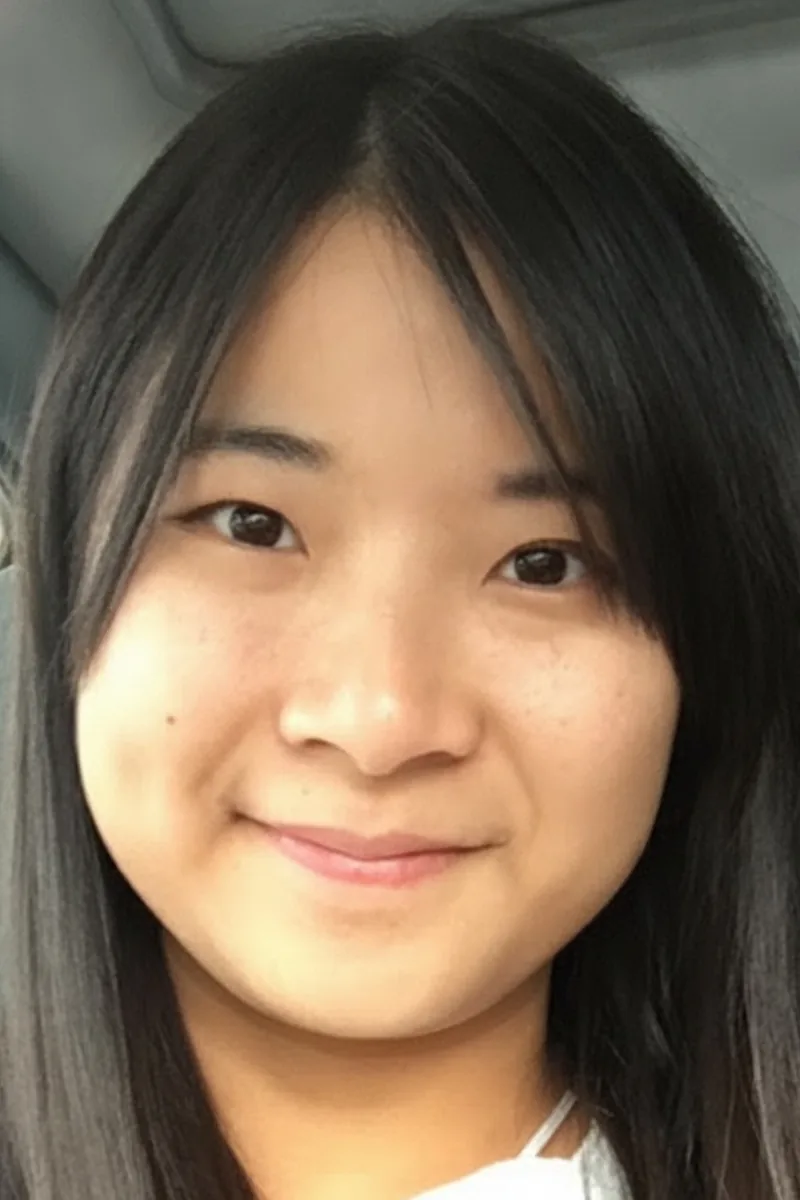
I am also fluent (reading/listening/writing) in Cantonese and mandarin Chinese because of my upbringing. Half of my childhood education was received in Hong Kong and the other half was in Australia.
As a native Japanese speaker with over fifty years of fluency in reading, writing, and conversation, Hatsuki teaches the language the way it's actually used — from particle usage and keigo (honorific speech) to the nuances between hiragana, katakana, and kanji in everyday contexts. She currently lives in the U.S. with her family, giving her a natural understanding of where English speakers stumble with Japanese grammar and pronunciation.
Studying Japanese as a minor at Columbia — with plans to eventually work in Japan's renewable energy sector — Shin uses the language as a living tool, not just a classroom exercise. He teaches everything from hiragana and katakana basics to intermediate grammar patterns like ~てしまう and ~ことにする, adjusting to each student's level and building real conversational confidence alongside written accuracy.
I am an experienced tutor and teacher from Okinawa, Japan who recently graduated from Brown University and now lives in Brooklyn.
Learning Japanese means juggling three writing systems, honorific levels, and grammar that works nothing like English — and Karen tackles all of it from firsthand experience using the language abroad. Whether a student is memorizing their first hundred kanji or practicing particle usage in complex sentences, she builds each lesson around practical communication skills.
Earning a full bachelor's degree in Japanese — not just a minor or a few semesters — means Jina can teach well beyond survival phrases into kanji readings, grammar particles like は vs. が, and the nuances of keigo (formal speech). She brings the same analytical rigor from her science training to breaking down sentence structure and verb conjugation patterns.
Growing up attending the Japanese Weekend School of New Jersey while enrolled in American public schools, Hidefusa developed native-level fluency in both languages and a deep understanding of where English speakers stumble with Japanese. He teaches everything from hiragana and katakana basics to kanji recognition, particle usage, and keigo (formal speech) — drawing on the bilingual instincts of someone who has lived in both linguistic worlds.
Brian prepared for and took the SAT Subject Test in Japanese with Listening, which means he's worked through the grammar structures, kanji recognition, and listening comprehension challenges that define intermediate Japanese study. He approaches language learning with the same systematic thinking he applied to economics and CS at Caltech — breaking down sentence patterns and verb conjugations into logical rules rather than pure memorization.
I'm a candidate for a B.S. in Business Administration at Northeastern University. In addition to tutoring, I enjoy playing the tuba and learning about transportation engineering/planning. I'm also fully Japanese and can read, write, and speak the language. As someone who scored 1530 on the SAT and 800 on the Math II subject test, I'd love to assist you in preparing for college!
Briana minored in Japanese at Michigan State, giving her a grounded understanding of the language's grammar patterns, particle usage, and writing systems — hiragana, katakana, and introductory kanji. She approaches Japanese as someone who learned it systematically in an academic setting, which means she can explain the "why" behind structures that often confuse English speakers.
Few Japanese tutors can combine formal academic study with real teaching experience in Japan — Sophie has both. Her East Asian Studies work at Princeton included intensive Japanese language training, and she spent time teaching English in Japan, which gave her deep familiarity with how the two languages map onto (and diverge from) each other. She tackles everything from hiragana and katakana basics to particle usage and keigo politeness levels.
I'm a student at Brown University with an eclectic set of interests. I am trilingual, analytical, and creative and look forward to tutoring you! :)
I am a great tutor because not only are my fundamental verbal and quantitative skills strong, but I am able to communicate my reasoning and problem solving skills quickly and clearly.
Testimonials
Because the right Japanese tutor makes all the difference.
Average Session Rating – Based on 3.4M Learner Ratings
Nearby Japanese Tutors
Other Houston Tutors
Related Languages Tutors in Houston
Frequently Asked Questions
Personalized Japanese tutoring addresses all four essential language skills: reading, writing, speaking, and listening. Tutors work with students on hiragana and katakana mastery, kanji recognition, grammar structures, conversational fluency, and listening comprehension. A skilled tutor tailors instruction to your specific goals—whether that's passing an AP Japanese exam, preparing for study abroad, or building practical conversation ability.
In a typical Houston classroom with a 16.3:1 student-teacher ratio, students get limited speaking practice. With personalized 1-on-1 instruction, you get consistent, focused conversation time every session—a critical advantage for developing natural fluency and confidence. Tutors can correct pronunciation in real-time, respond to your specific questions, and create realistic dialogue scenarios that classroom settings rarely allow.
Japanese verbs conjugate based on tense, formality level, and whether they're regular or irregular—making conjugation one of the most common pain points for learners. A tutor helps you move beyond memorizing rules to understanding patterns, using spaced repetition and practice testing to build lasting retention. With personalized guidance, you'll learn when and why to use different conjugation forms in real conversation, not just on worksheets.
Kanji mastery requires a strategic approach: learning radicals (building blocks), understanding on'yomi and kun'yomi readings, and practicing in context rather than isolation. A tutor can help you prioritize which kanji to learn based on your goals—whether that's JLPT preparation, AP Japanese, or everyday communication. They'll also teach retrieval practice techniques that make kanji stick better than passive review.
Language and culture are inseparable in Japanese—understanding keigo (formal speech), cultural references, and social context deepens comprehension and fluency. Personalized tutoring incorporates cultural immersion elements, helping you understand why certain phrases are used in specific situations and how to navigate real-world interactions authentically. This approach accelerates both language skills and cultural competence.
Reaching professional-level Japanese proficiency typically requires 2,200+ hours of study according to language learning research. However, conversational fluency at a functional level can develop much faster with consistent, personalized instruction and regular speaking practice. The timeline depends on your starting point, study frequency, and specific goals—a tutor can create a realistic roadmap tailored to your situation.
Look for tutors with native or near-native proficiency, teaching experience, and expertise in your specific goal area—whether that's JLPT certification, AP Japanese, business Japanese, or conversational fluency. Varsity Tutors connects you with expert tutors who have demonstrated subject mastery and a track record helping students succeed. You can discuss teaching style and experience during your first session to ensure the fit is right.
Your first session is an opportunity for a tutor to assess your current level across all four skills—reading, writing, speaking, and listening—and understand your goals. They'll ask about your background with Japanese, what you want to achieve, and any specific challenges you're facing. From there, they'll create a personalized learning plan that plays to your strengths and targets your growth areas with focused, efficient instruction.
Let’s find your perfect tutor
Answer a few quick questions. We’ll recommend the right plan and match you with a top 5% tutor.