Award-Winning German Tutors
serving Charleston, SC
German
Tutors in Charleston
Private 1-on-1 tutoring, weekly live classes for academic support, test prep & enrichment, practice tests and diagnostics, and more to elevate grades and test scores.
Based on 3.4M Learner Ratings
UniversitiesSchools & Universities
DeliveredHours Delivered
ProficiencyGrowth in Proficiency
Who needs tutoring?
No obligation. Takes ~1 minute.
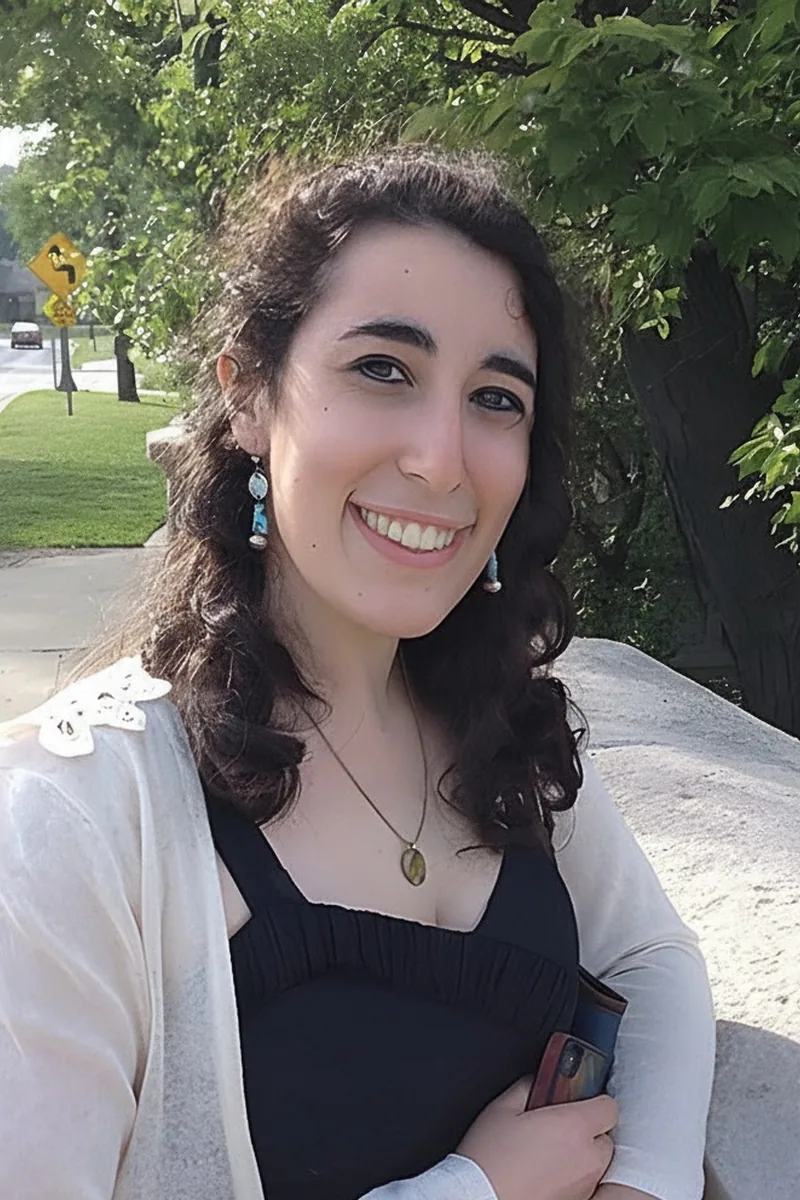
Between her Northwestern coursework and studies in German-language opera repertoire — from Mozart to Strauss — Ilana developed a working fluency that goes beyond classroom German. She tackles tricky grammar concepts like case endings and separable verbs by connecting them to patterns students already recognize, making the logic of German sentence structure feel less foreign. Rated 5.0 by students.
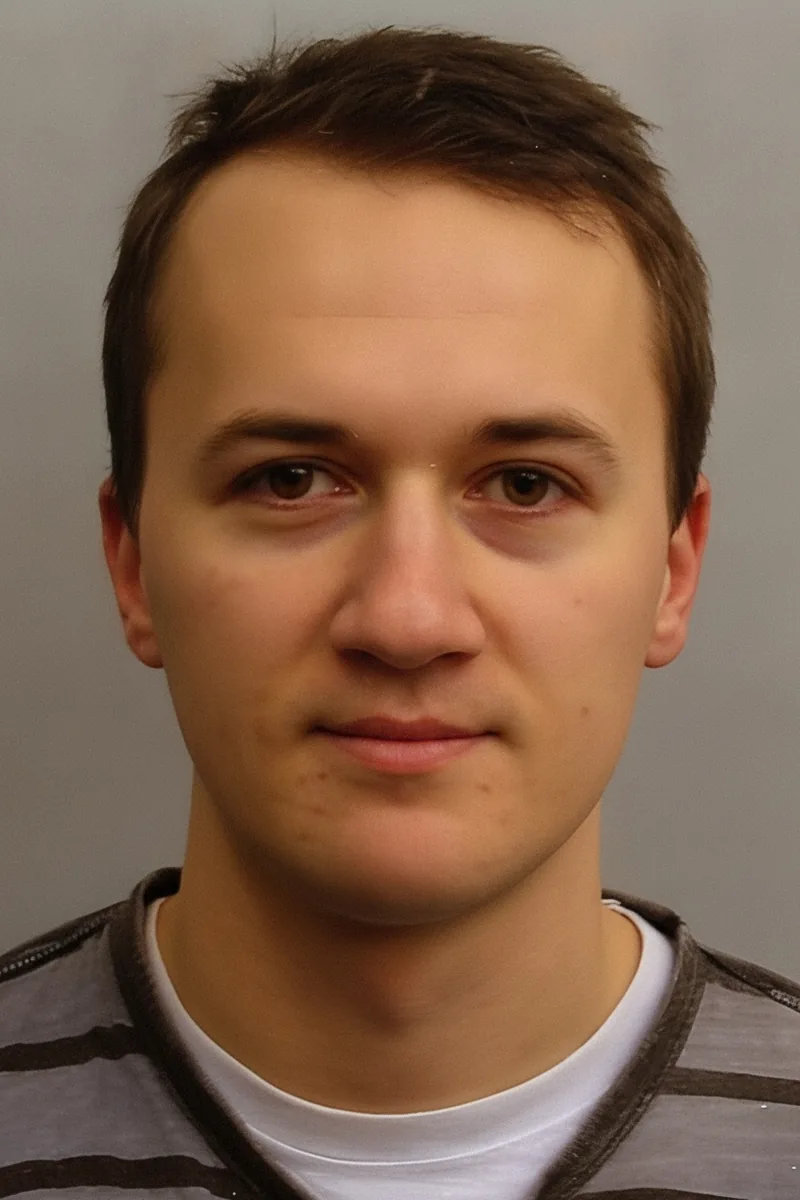
Learning German means wrestling with case endings, separable verbs, and a sentence structure that puts the verb in places English speakers don't expect. Dan teaches German at multiple levels and brings a literary scholar's sensitivity to how the language actually works — not just memorizing der/die/das tables, but understanding the patterns behind them. He's rated 5.0 and is comfortable with everything from basic conversation to reading German-language texts.
Learning German means wrestling with case endings, separable verbs, and a sentence structure that puts the verb in places English speakers don't expect. Susie has studied German extensively and teaches grammar as a logical system — once students see the patterns behind accusative versus dative, for instance, the rules stop feeling arbitrary. She pairs structural drills with reading and listening practice to build real fluency.
Noah earned a full B.A. in German Studies from Creighton University alongside his chemistry degree, which means his command of the language goes well beyond basics — he reads academic texts in German and understands the grammatical architecture behind cases, verb placement, and subordinate clauses. He teaches German grammar as a logical system, connecting declension patterns and sentence structure so they make sense rather than feel like arbitrary rules.
Learning German means wrestling with case endings, separable verbs, and sentence structures that put the verb in unexpected places. Anuj breaks these grammar puzzles into logical patterns, drawing on his CLEP German background and his psychology training to tailor explanations to how each student actually processes new language. He pairs grammar drills with reading and listening practice so the rules stick in context.
Teaching German at Princeton since 2008 and earning the department's top student-satisfaction scores, Megan knows exactly where English speakers stumble — case endings, word order in subordinate clauses, and the gendered article system that trips up even advanced learners. She holds a doctorate in German literature, which means grammar instruction comes embedded in real cultural and literary context. Whether a student is conjugating sein for the first time or unpacking a Rilke poem, she adjusts the complexity to match.
A Master's degree in Germanic Languages from Columbia, combined with years living and teaching in Austria, means Jacquelyn doesn't just know textbook German — she knows how dative prepositions sound in a Salzburg café and why Konjunktiv II matters in real conversation. She scored highly enough on the SAT Subject Test in German with Listening to tutor it, and she tackles everything from case endings to advanced reading comprehension.
As a native German speaker from Austria, Silvia teaches the language the way it's actually spoken — with attention to cases, gendered articles, and verb placement that trips up English speakers most. She tutored her own son in German for four years to maintain his fluency, so she understands exactly where American students stumble with dative versus accusative or separable prefix verbs. Her 5.0 rating speaks to how naturally she makes those tricky grammar patterns stick.
Learning German means wrestling with case endings, separable verbs, and word order rules that feel completely alien to English speakers. Colin breaks these grammar patterns into logical systems, connecting each rule to how German actually sounds and reads in practice so the structure clicks instead of feeling arbitrary.
Learning German means wrestling with case endings, separable verbs, and a word-order system that feels alien to English speakers. John breaks these structures down systematically, connecting grammar rules to patterns students can actually internalize rather than just memorize from a chart. His experience across every level of German coursework means he can adjust complexity on the fly.
Jay minored in German at Penn State and has studied the language across all four levels, from foundational grammar and case systems to advanced literary and academic texts. He breaks down tricky concepts like adjective endings, subordinate clause word order, and the subjunctive mood in ways that make German's structural logic click rather than feel like arbitrary rules.
German's case system and word-order rules can overwhelm students who try to absorb them all at once. Elizabeth breaks the four cases down methodically — nominative, accusative, dative, genitive — linking each to specific prepositions and verb patterns so students build reliable instincts rather than guessing at endings.
Testimonials
Because the right German tutor makes all the difference.
Average Session Rating – Based on 3.4M Learner Ratings
Nearby German Tutors
Other Charleston Tutors
Related Languages Tutors in Charleston
Frequently Asked Questions
Your first session is all about understanding your current level and goals. A tutor will assess your reading, writing, speaking, and listening skills, discuss what you want to achieve—whether that's passing an AP exam, conversational fluency, or improving grammar—and create a personalized learning plan. This foundation helps ensure every session after builds exactly what you need.
Classroom settings often limit speaking time, but personalized tutoring gives you dedicated conversation practice every session. A tutor can correct your pronunciation in real-time, help you develop natural accent patterns, and create dialogues tailored to your interests—whether that's travel, business, or casual chat. This consistent, corrective feedback is one of the biggest advantages of working one-on-one.
German grammar—especially cases, gender, and verb conjugation—feels overwhelming because it's rule-heavy and exceptions are common. Rather than memorizing endless rules, a tutor helps you understand the *why* behind grammar patterns and practices them in real contexts so they become natural. Spaced repetition and targeted practice on your specific weak spots accelerates mastery far faster than general classroom instruction.
Vocabulary sticks when you use it actively and repeatedly. A tutor uses retrieval practice—asking you to recall and use words in conversation, writing, and context-specific scenarios—rather than just drilling lists. They'll also help you connect new words to cultural context and real-world situations, which makes them more memorable and useful than isolated memorization.
Absolutely. Language and culture are inseparable, and many tutors weave cultural context into lessons—discussing German literature, films, holidays, or history alongside language skills. This immersion-style approach makes learning more engaging and helps you understand *how* Germans actually communicate, not just the mechanics of the language.
Charleston's 56 schools serve over 19,000 students, and many offer German as part of their foreign language curriculum. Tutors are familiar with common programs and can support you whether you're preparing for AP German, working through regular coursework, or getting ready for proficiency exams. They align with what you're learning in class while filling gaps and accelerating your progress.
Fluency depends on your starting point and goals. The U.S. Foreign Service estimates around 750-900 hours of study to reach professional proficiency in German. With personalized tutoring, consistent practice, and immersion-style learning, many students accelerate this timeline significantly. Your tutor can set realistic milestones and track your progress toward conversational fluency or exam readiness.
Look for tutors with native or near-native fluency, teaching experience, and expertise in the specific skills you need—whether that's conversational German, grammar, or exam prep. Ideally, they understand German culture and pedagogy, not just the language itself. Varsity Tutors connects you with tutors who match your level and goals, so you're working with someone truly qualified for your needs.
Let’s find your perfect tutor
Answer a few quick questions. We’ll recommend the right plan and match you with a top 5% tutor.